
From Innovation to Integration: What It Will Take to Make Every Pregnancy Safer in Nigeria
Related Stories






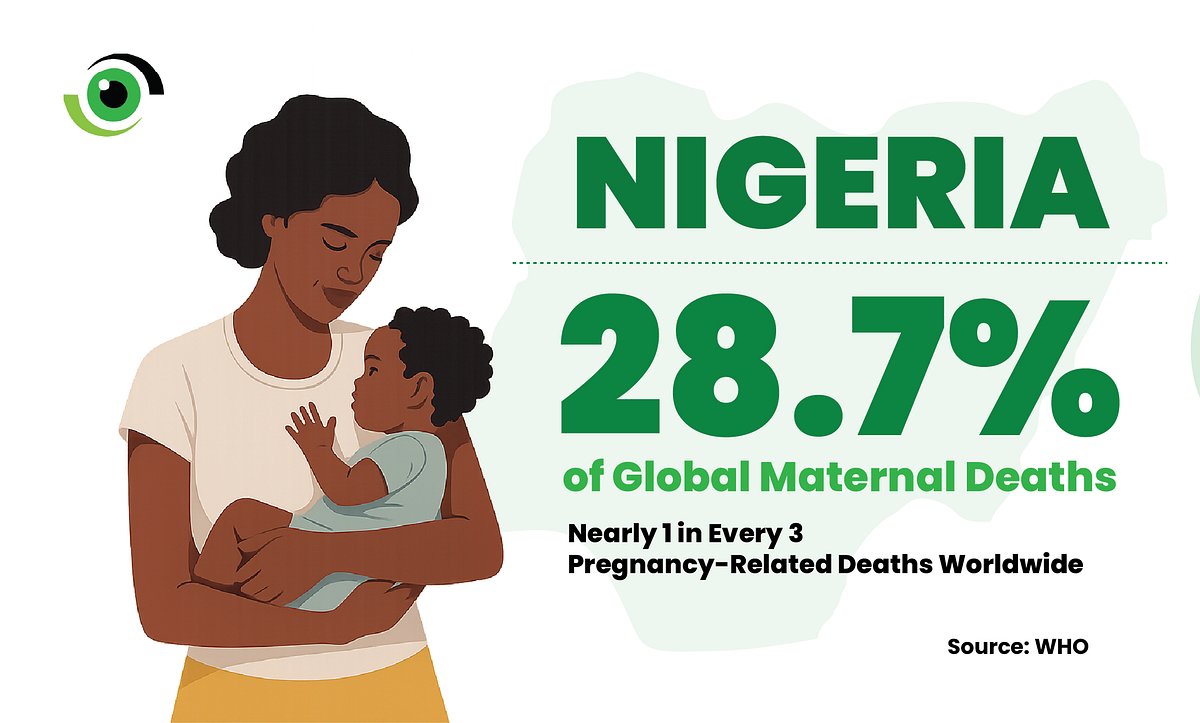
Nigeria accounts for 28.7% of all maternal deaths globally, representing more than a quarter of all maternal deaths. This means that for every three women who die from pregnancy-related causes, one is a Nigerian. Most maternal deaths are preventable, yet they persist because evidence-based care is still not reaching women consistently, on time, and with quality.
Over the past decade, public, private, research and development actors have tested and deployed a range of solutions to address Nigeria’s maternal mortality crisis. These include telemedicine platforms, ultrasound diagnostics, electronic medical records and more recently, the E-MOTIVE post-partum haemorrhage (PPH) bundle.
So, the question is no longer whether solutions exist. It is why they are not reaching every woman who needs them. This question was central to the Nigeria Health Watch convening at the World Health Expo (WHX) Lagos Conference, themed ‘For Every Mother: Designing Solutions that Work Across the Pregnancy Journey.’
The session brought together frontline health workers, private sector innovators, development partners, and an expectant mother to examine the barriers to system integration and to explore what it takes for innovations to move from pilot to scalable, real-world adoption.
What integration looks like in practice
For Mrs Solademi Idowu, a registered nurse and a midwife at Lagos Island Maternity Hospital (LIMH), the E-MOTIVE bundle has changed how her facility detects and responds to PPH. “The E-MOTIVE bundle has changed how we manage PPH. What was once done as separate interventions is now delivered as a coordinated response within 15 minutes. For women we identify as high-risk, we begin preventive measures immediately after delivery rather than waiting for excessive bleeding to occur.”
For Mrs Idowu, blood loss was previously estimated visually, but with E-MOTIVE, detection and response have become more structured and data-driven. Since its adoption, the facility has not recorded a PPH-related death. Yet these improvements sit within a strained facility environment. “A major challenge is bed space. Our delivery room has six beds, but sometimes we have eight patients. A bed meant for post-delivery observation may have to be used for delivery. Also, because of the high number of patients, the nurses are overworked”.
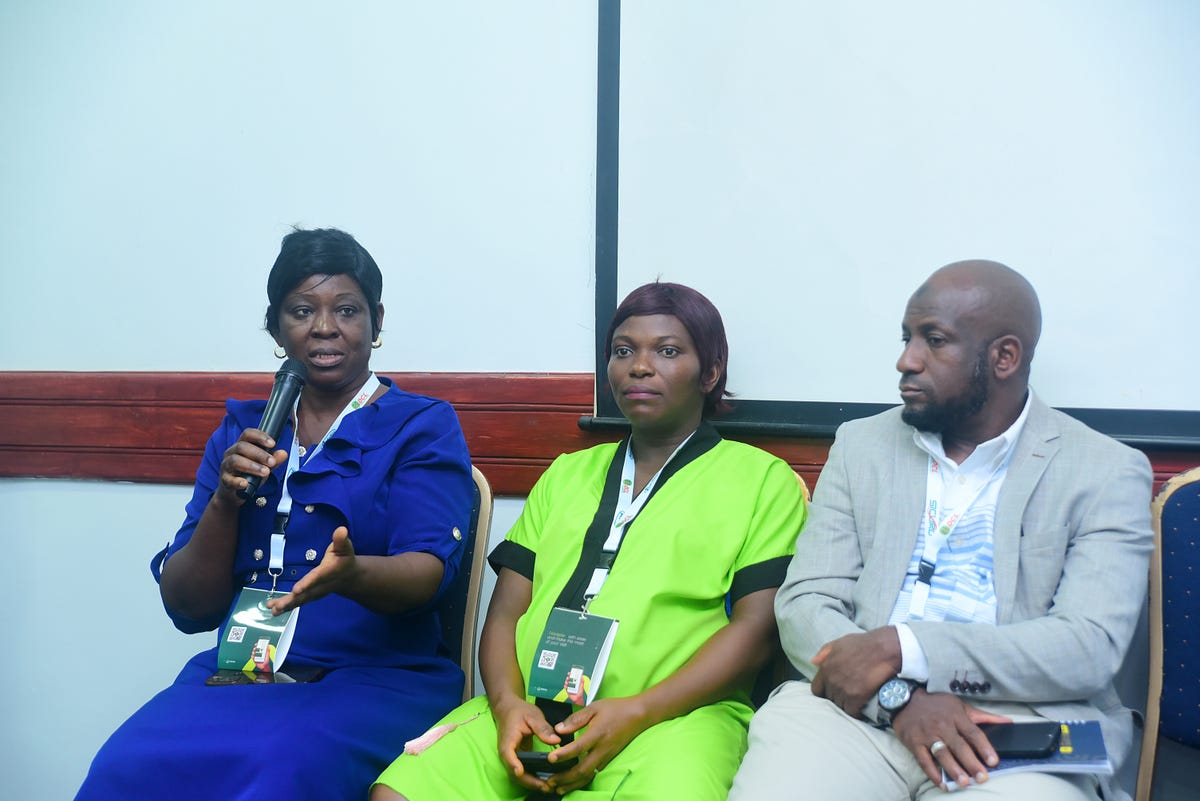
According to Mrs Idowu, many women bypass PHCs closer to home and travel long distances to LIMH, driven by a lack of confidence in the quality of care available at the PHCs. The gap between innovation and system impact becomes most visible when viewed through the experiences of the women navigating the health system.
According to Mrs Billy Unwana, who was a panellist and an expectant mother receiving antenatal care at Lagos Island Maternity Hospital (LIMH), her experience of maternal care, including the benefits of innovations and the persistent system constraints, has shaped her pregnancy journey.
“When I realised I was pregnant, I went to the hospital to register. When I walked into the antenatal hall, it was very beautiful, and the nurses smiled and welcomed me. My blood pressure was checked using the digital BP machine. Everything was done using a system. Even the lab results, the doctor can now access them through the system.”
The “system” Mrs Unwana referred to is an electronic medical records platform that stores all her records, preventing missing records and improving continuity of care. She also highlighted the hospital WhatsApp group, which has become one of the most valuable innovations helping her navigate her pregnancy journey.
“They also have a WhatsApp group for pregnant women. Doctors are there, and the midwives, and nurses. So, if you have any complaints, they will give you an explanation. The use of that WhatsApp group has really helped me throughout this journey, and sometimes you can do a phone consultation, so that has been helpful.”
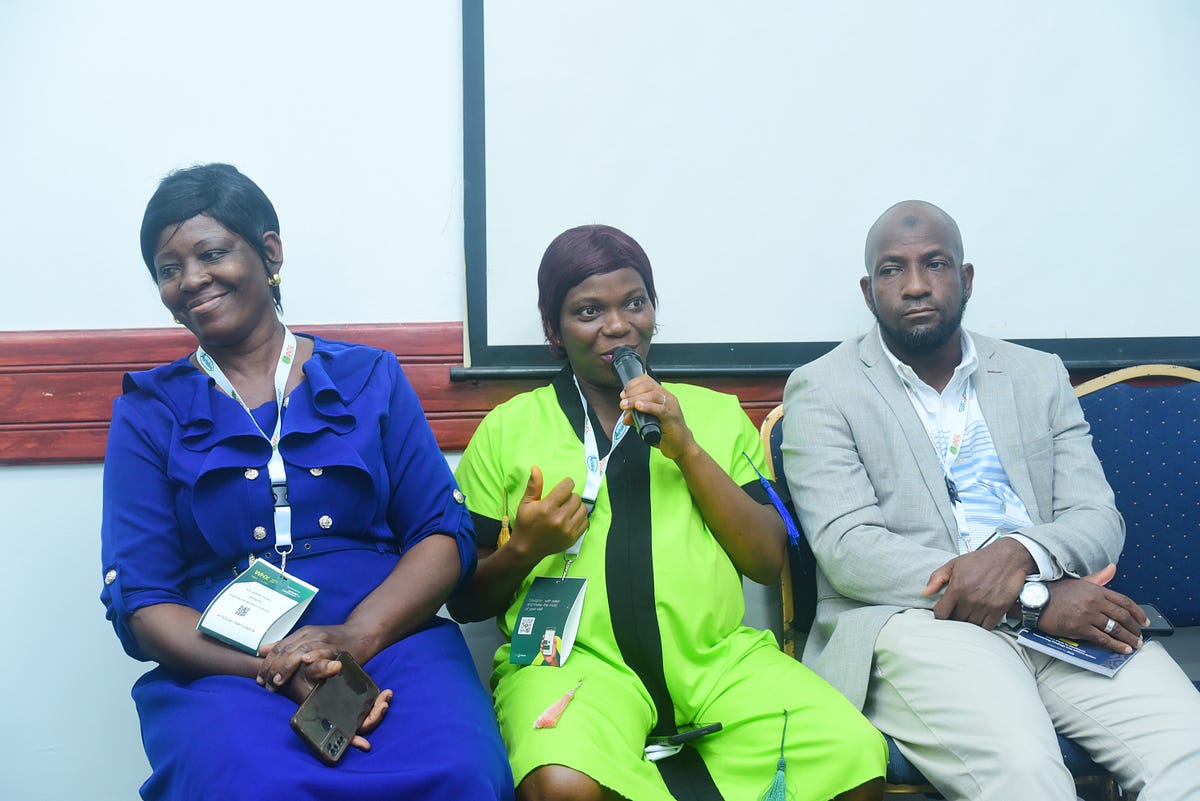
Mrs Unwana’s experience is, by the standards of Nigeria’s health system, a good one. The innovations at her facility have made a real difference in the quality of care she receives. However, her experience has also been shaped by the same system failures that characterise Nigeria’s broader health system, such as long wait times. “Despite the positive side, they also have the negative side, and one of them is the long waiting time. The antenatal case sometimes is rushed, because when you know that you have a lot of appointments, you have to rush.”
Why proven solutions are not reaching every woman
Two structural barriers emerged from the discussion:
1. Proven interventions remain within parallel programmes: Many effective innovations are implemented through donor-funded projects that operate outside routine health systems, and struggle to survive beyond project funding. They may deliver strong results during the project cycle but fail to become institutionalised once external funding ends.
2. Commodity insecurity undermines clinical innovations: Clinical innovations such as the E-MOTIVE bundle can only save lives when essential supplies, including calibrated blood-loss drapes, oxytocin, and tranexamic acid, are consistently available. Without reliable procurement and supply chains, training healthcare workers without commodities produces knowledge without the tools to act.
Despite these challenges, discussions revealed what becomes possible when innovations are fully embedded within the health system.
Moving from pilot to system integration
Project Aisha, by combining community empowerment, quality improvement, and digital innovation into a single, coherent approach across Lagos and Kaduna, achieved a 55% reduction in facility-based maternal deaths, referral delays compressed from 151 minutes to 51 minutes, and over 285,000 women reached. Its Change Package documenting proven improvement actions has also been formally adopted across PHCs in Lagos and Kano.
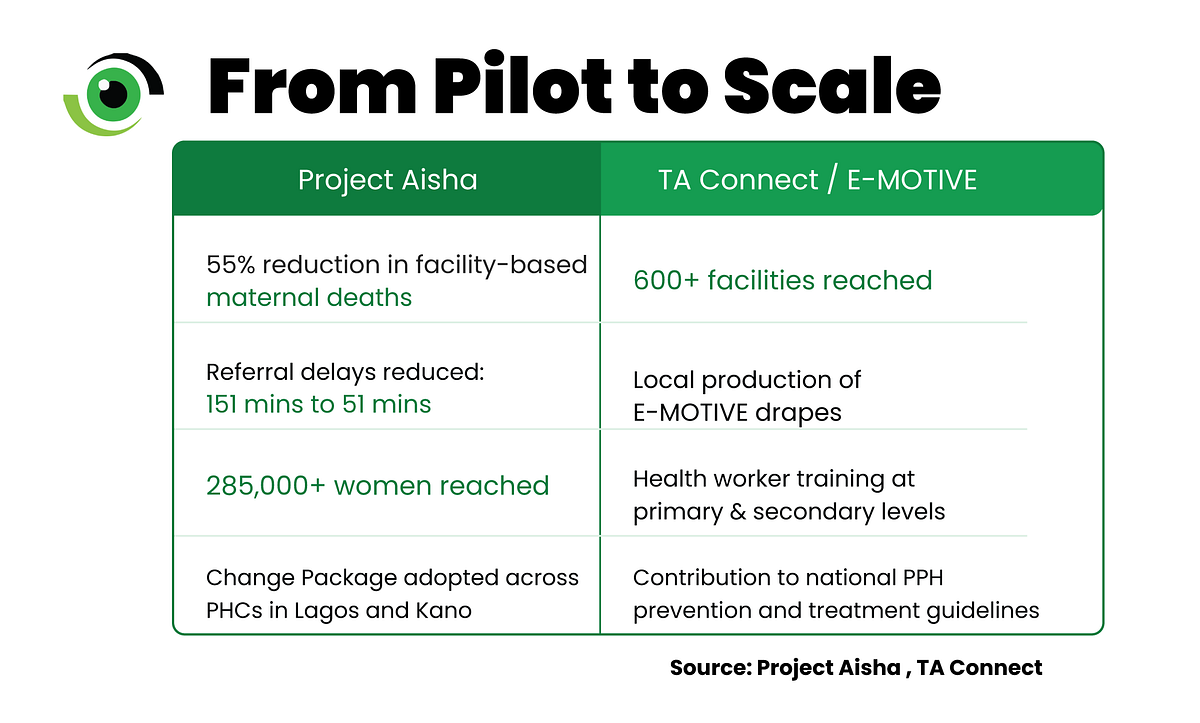
TA Connect, with funding from the Gates Foundation and in partnership with national and subnational actors, is addressing PPH by driving the adoption and scale-up of the E-MOTIVE bundle through local production of the E-MOTIVE drapes and training of healthcare workers at both primary and secondary levels. The project has reached over 600 facilities and contributed to the institutionalisation of the E-MOTIVE bundle in national PPH prevention and treatment guidelines.
For Nigeria, translating innovations from pilot to scale means that:
· Policymakers must integrate proven maternal health innovations into national and state health budgets, procurement systems, and service delivery frameworks.
· Development partners must fund scale and not just pilots. This includes investments in supply chains, infrastructure, and technical assistance for government-led integration.
· Finally, private sector innovators must design for real-world constraints. The innovations that will reach every woman are the ones designed for Mrs Idowu’s ward, not for the well-resourced facility with optimal staffing and uninterrupted power.
The test of maternal health innovation is not whether it works in a pilot, but whether it works on the busiest day, in the most crowded ward, for the woman who cannot afford delay.
Leave a Comment
Your email address will not be published. Required fields are marked *