
Nigeria’s State Health Insurance Schemes Are Expanding. Enrolment Must Now Lead to Care
Related Stories




In February 2026, residents of Gyartai in Ghari Local Government Area of Kano State gathered to demand that their health post be upgraded to a Level 2 primary health care facility. Built to serve about 500 people, the facility now serves more than 10,000.
At the time of the meeting, it had only two permanent health workers, no borehole and limited capacity to provide maternal health and other essential services. Although 602 residents had been enrolled through the Basic Health Care Provision Fund (BHCPF), the facility could not reliably meet their needs.
Gyartai illustrates the gap between insurance registration and effective coverage. A health insurance card offers little protection if the facility where it is meant to be used lacks medicines, skilled staff, water, electricity or a functioning referral system.
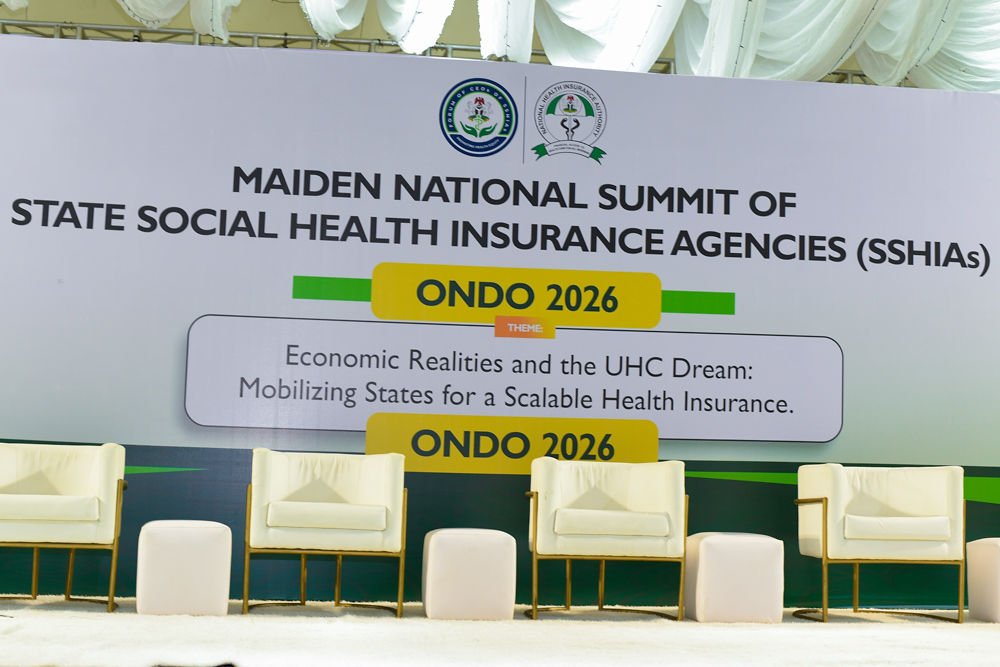
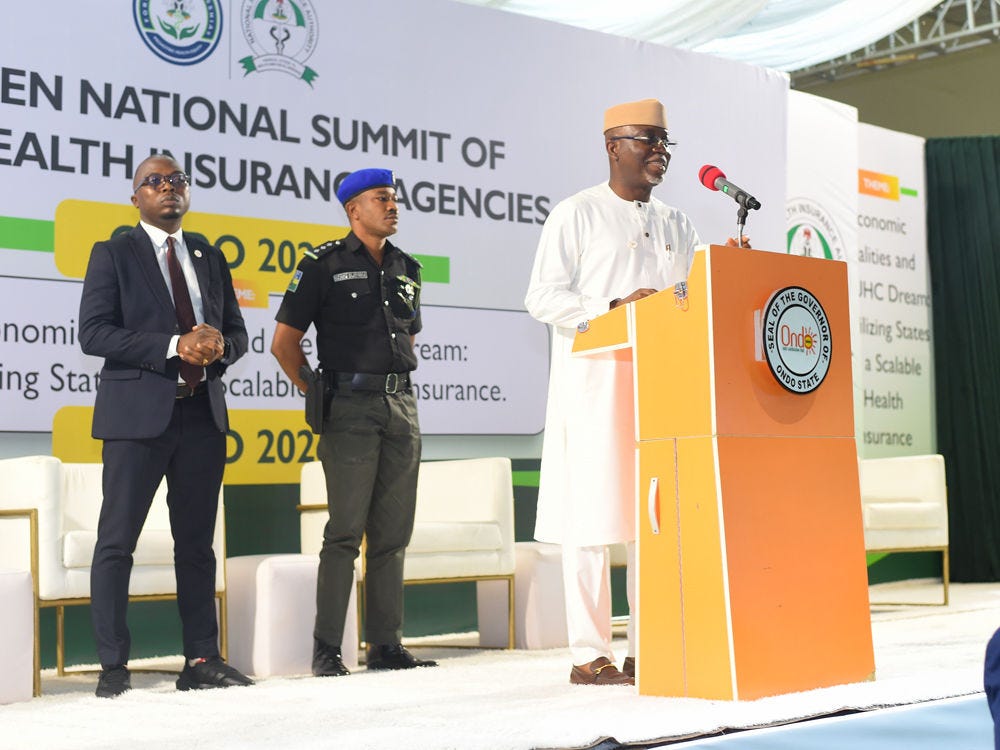
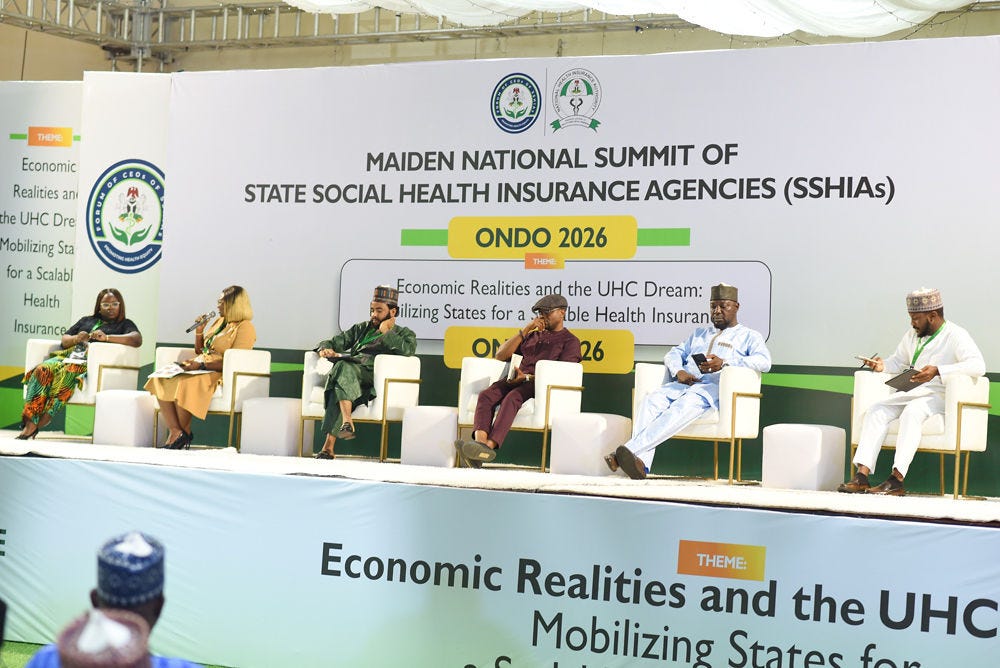
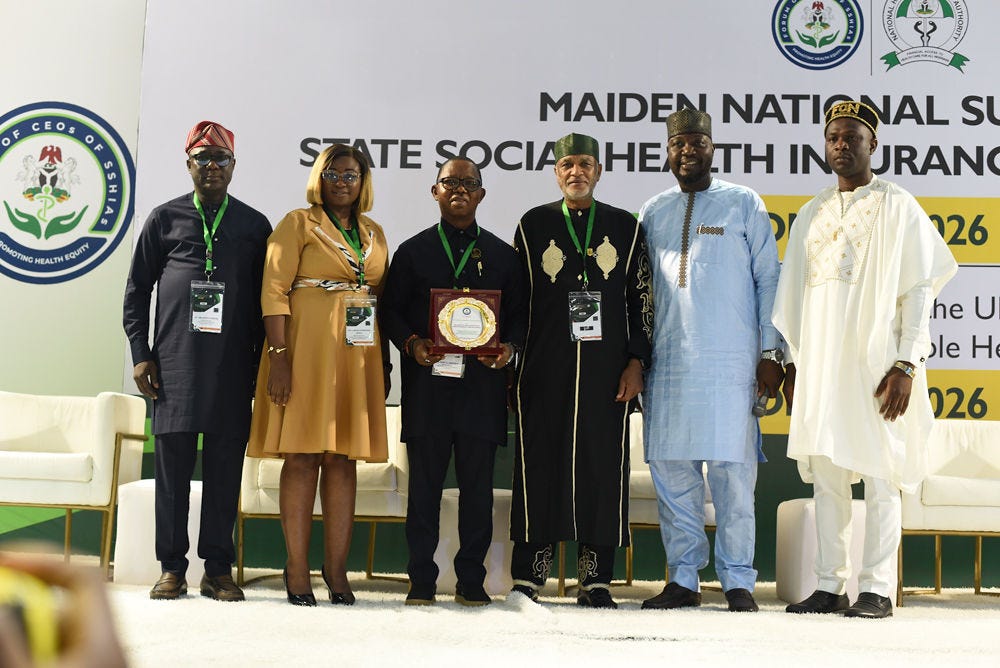
That gap was central to the maiden National Summit of State Social Health Insurance Agencies, held in Akure, Ondo State, on 8 and 9 June 2026. Representatives from the 36 states and the Federal Capital Territory attended the summit, with the theme “Economic Realities and the UHC Dream: Mobilising States for a Scalable Health Insurance.”
The Federal Ministry of Health and Social Welfare’s 2025 State of Health of the Nation Report put national health insurance enrolment at 21.7 million, up from 19.2 million in 2024. That is roughly 10% of Nigeria’s population. By April 2026, state health insurance agencies reported enrolling more than 14 million people.
Coverage is expanding, but households remain heavily exposed to medical costs. Out-of-pocket payments account for 71.9% of Nigeria’s current health expenditure. For many families, illness can therefore mean delaying care, borrowing, selling assets or going without treatment.
At the summit, Dr Kelechi Ohiri, Director-General of the National Health Insurance Authority (NHIA), said enrolment is not enough. “The real test is effective coverage, whether health insurance actually protects households, includes the poor and vulnerable, and pools risk in a way that prevents medical costs from pushing families into poverty.”

Trust is built at the point of care
People experience health insurance through the care they receive. They notice when medicines are unavailable, when providers treat them poorly or when a health facility asks them to pay for a service the scheme promised to cover.
Dr Jemchang Yildam Fabong, former Director-General of the Plateau State Contributory Healthcare Management Agency, told the summit that “the battles for health insurance in Nigeria will be won or lost in the informal sector. If the informal sector trusts your scheme, enrolment becomes easier.”
Nigeria Health Watch’s Community Health Watch reporting has documented staff shortages, medicine stock-outs, weak infrastructure, unreliable water and electricity, limited community engagement and poor accountability in primary health facilities. Unless these failures are addressed, rising enrolment may result in administrative records being changed without improving patients’ experience of care.
States cannot deliver alone
The NHIA Act 2022 made health insurance mandatory and provided for state and FCT schemes within a nationally regulated system. States are responsible for enrolling residents, pooling funds, purchasing services and contracting providers. The NHIA must set and enforce national standards, coordinate the schemes and support access across state boundaries.
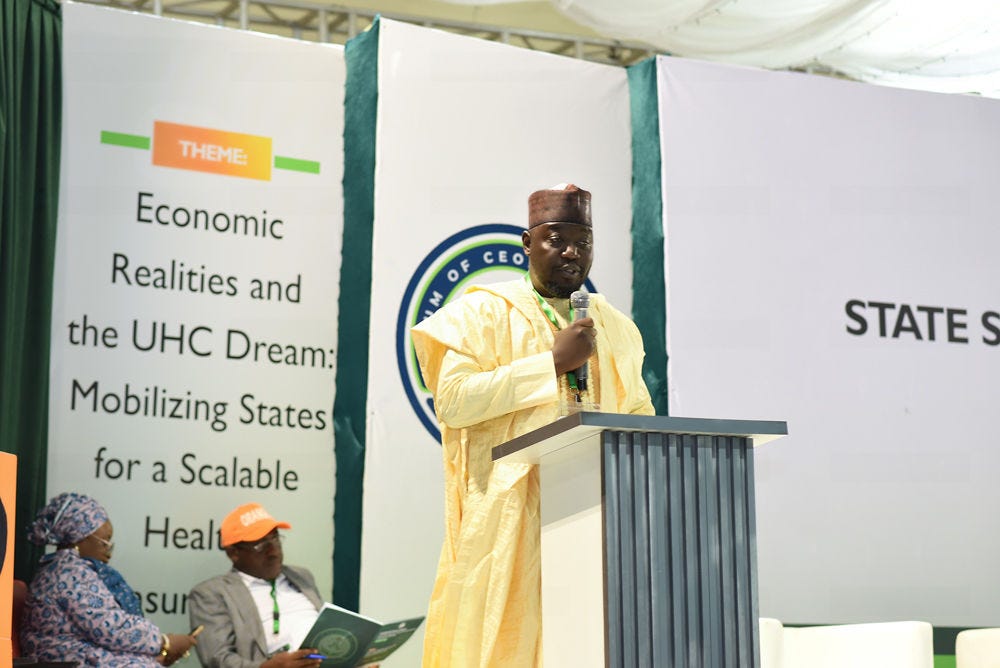
As Mohammed Safana, Chair of the Forum of Chief Executive Officers of State Social Health Insurance Agencies, said, “no country has ever achieved universal health coverage through isolated efforts, but through coordinated and sustained action across states.”
The BHCPF links insurance coverage for vulnerable people with financing for primary health care. 8,309 primary health centres are receiving support, and 2,649,221 poor and vulnerable Nigerians have been enrolled. BHCPF enrolment is currently at about 2.7 million.
What states must report
About 93% of employed Nigerians are in informal employment. State schemes cannot, therefore, depend mainly on payroll deductions. They need contribution schedules suited to irregular and seasonal incomes, mobile payment options, partnerships with occupational associations and public subsidies for people who cannot afford adequate coverage.
States should publish quarterly figures on active coverage, renewals, service use, claims and complaints, with enough detail to show whether members are receiving the benefits promised. Benefit packages should be properly costed and funded, providers should be paid on time, and tariffs should be reviewed as prices change. Digital verification must not exclude eligible members or compromise personal data, and the systems should be independently audited.
For Gyartai residents, progress will be visible at the health post. It will mean enough health workers, water, medicines, safe maternity care and a referral system that works. State insurance schemes will earn public trust when enrolment consistently delivers that standard of care without pushing families into financial hardship.
Leave a Comment
Your email address will not be published. Required fields are marked *