

Menstrual Health, School Attendance and the Girl Child
Related Stories


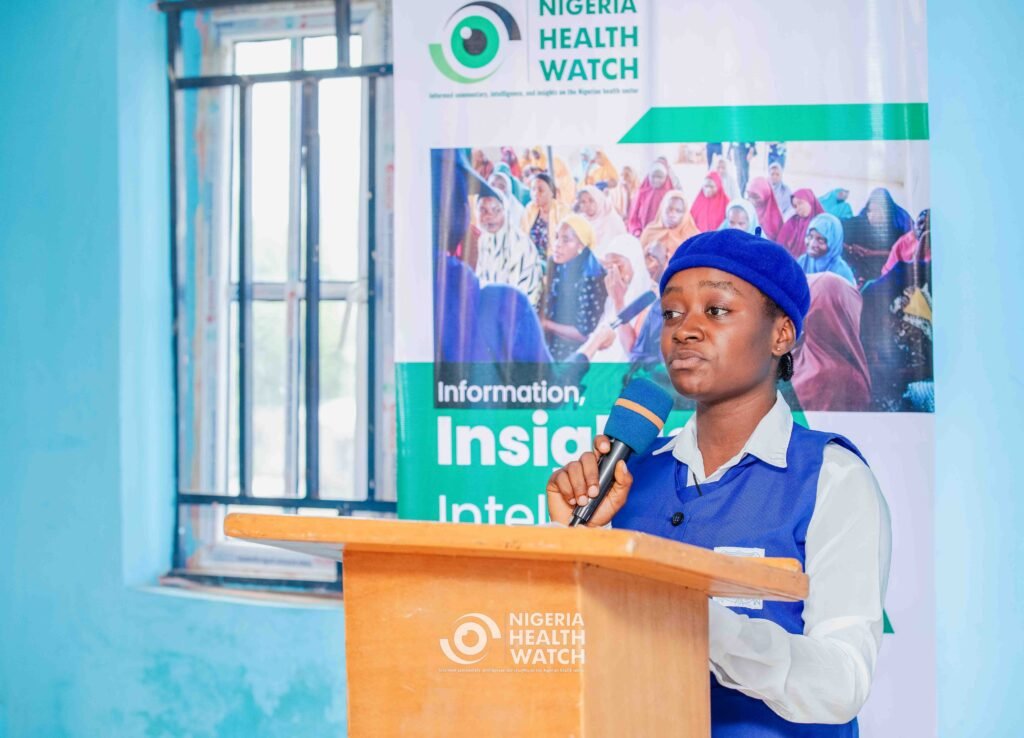
Miracle Adeniyi-Ogunjide, third-place winner of the Nigeria Health Watch 2026 Menstrual Hygiene Essay Competition, reflects on how pain, period poverty, poor school toilets and stigma can affect girls’ education. This student essay has been lightly edited for clarity and factual accuracy, while maintaining the writer’s original argument and voice.
Menstruation is a natural part of puberty and physical development. Despite being normal, many girls still face various challenges during their periods. These difficulties can affect how often they attend school and how well they perform in their studies. When girls do not get proper care and support during menstruation, their education can suffer.
One major issue girls face during menstruation is period pain. Many girls experience cramps, headaches, waist pain, and weakness during their monthly cycle. This can make some girls uncomfortable in class or unable to pay attention. In some cases, the pain becomes so severe that they stay at home instead of going to school. For example, a girl might be taking notes in class when cramps suddenly start. Instead of focusing on the lesson, she keeps thinking about the pain.
Another important issue is the lack of sanitary pads. Some parents cannot afford to buy sanitary pads for their daughters every month. Because of this, some girls use old cloth, tissue paper or other materials during their period. If these materials are unclean, uncomfortable or not changed regularly, they may cause discomfort, leaks and possible hygiene risks. If a girl stains her uniform and is laughed at by her classmates, she may stop coming to school for the first two or three days of her period. This can make her fall behind in her studies.
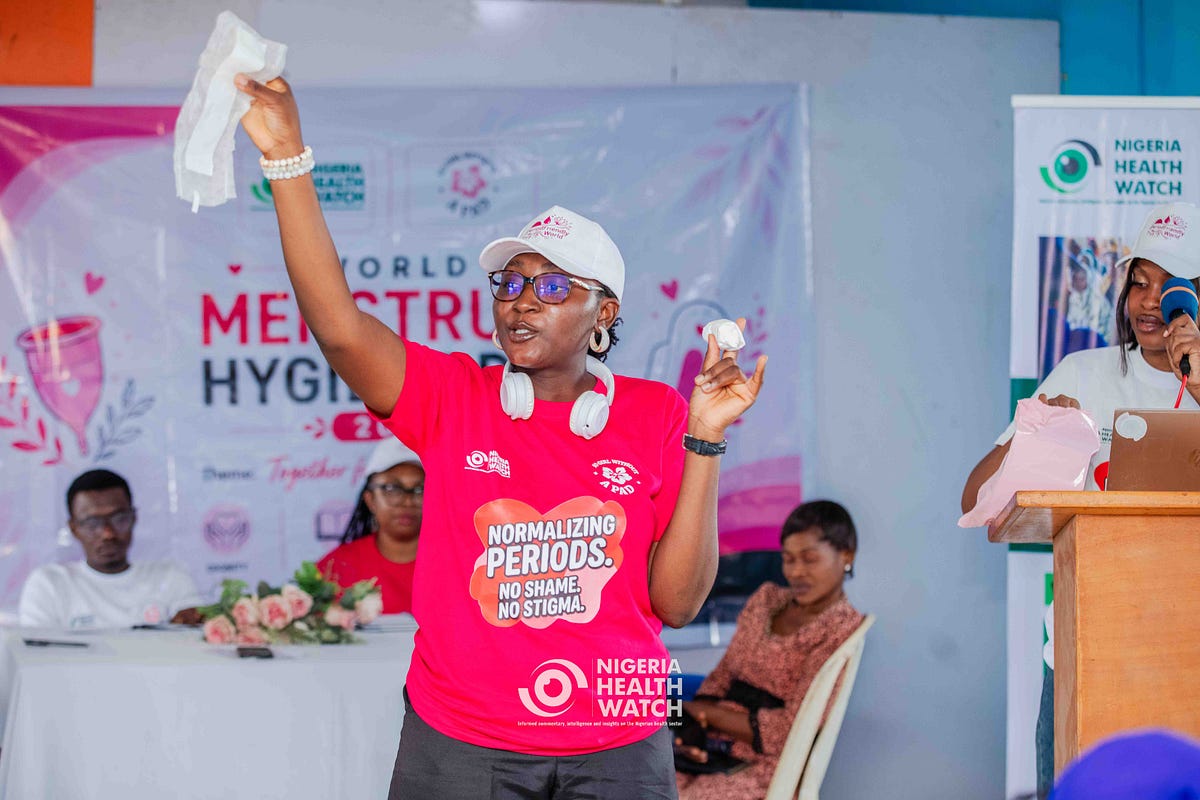
Poor toilet facilities in schools are another serious problem. Some schools lack clean toilets, water, soap or covered bins where girls can safely change and dispose of sanitary pads. A girl may need to change her pad at school but find that the toilet has no water, soap or bin. If she has to carry the used pad in her bag, she may later face shame if her classmates see it. This is not the girl’s fault. It is a sign that the school has not provided the basic facilities girls need to manage their periods with dignity.
In many communities, menstruation is still treated as something secret or shameful. Because of this, many girls do not receive accurate information before their first period. Some girls become scared when they first see menstrual blood because nobody has explained it to them. Others feel too shy to ask questions or seek help. This lack of knowledge can cause fear and confusion and affect a girl’s emotional well-being.
Teachers, parents, schools and students all have important roles to play. Schools should provide clean toilets, water, soap, covered bins and proper health education. Parents should educate their daughters about menstruation and provide sanitary pads whenever possible. Boys should also be taught to respect girls and stop making them feel ashamed about menstruation.
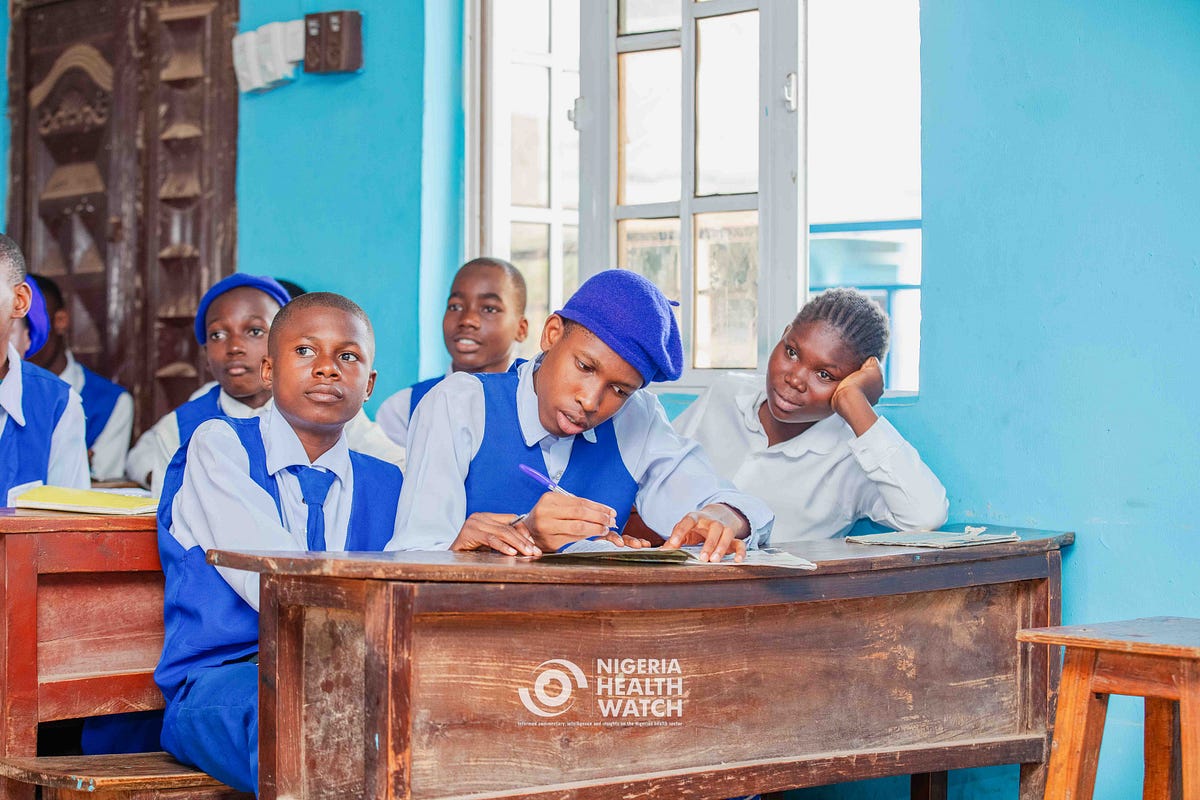
Government and non-governmental organisations can also help by providing free or affordable sanitary pads to girls in schools, supporting school WASH facilities, and ensuring that health workers visit schools to teach students about menstrual health.
Schools should also think about girls with disabilities. Period-friendly toilets should be private, clean and accessible. Girls who need additional support should be treated with respect and not made to feel embarrassed.
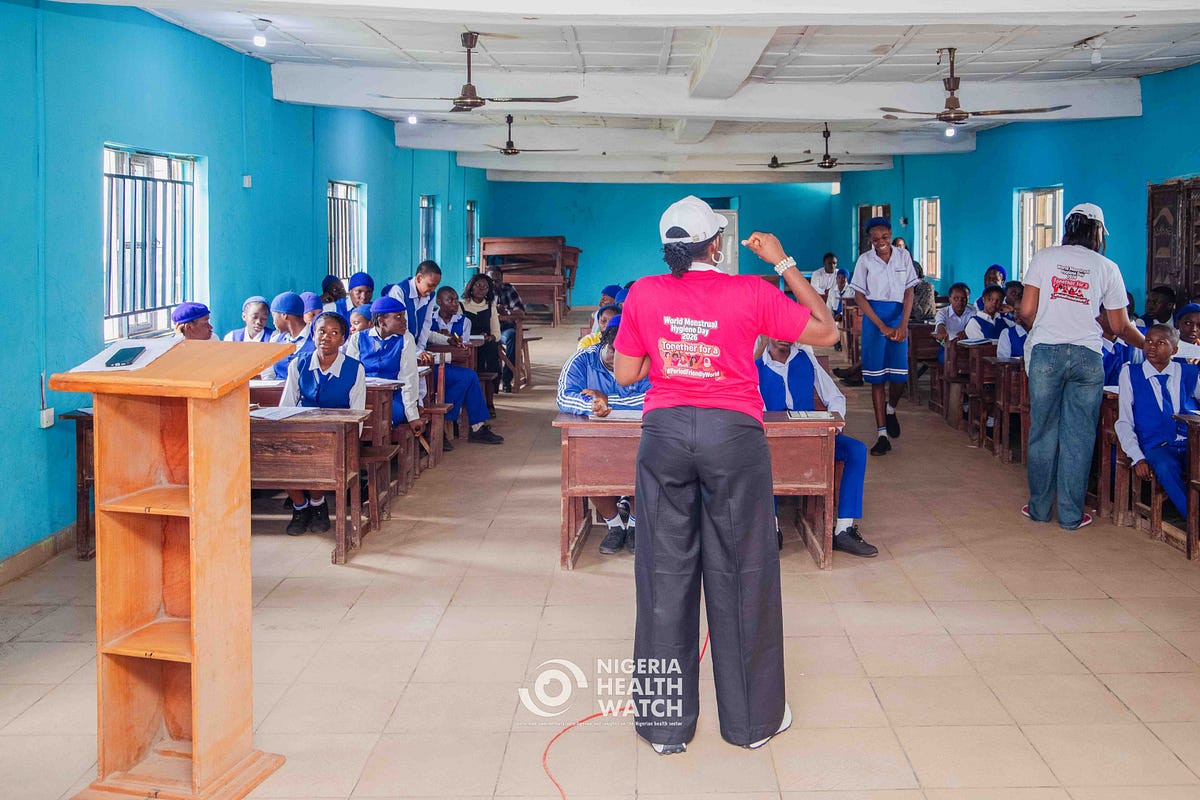
Menstrual health should never be a reason for any girl to miss school or fail in her studies. A girl who is worried about pain, embarrassment or lack of sanitary materials cannot learn well or achieve her full potential.
Education is the right of every child, and girls deserve to study in an environment where they feel safe, confident and respected. When schools, parents and society support girls during menstruation, they are not only helping girls succeed in school. They are also building a better future for the whole nation.
A society that cares for the health and education of girls is preparing for progress, success and development.
Leave a Comment
Your email address will not be published. Required fields are marked *