
Health Hubs Across Lagos Are Combining In-Person and Virtual Care to Tackle Non-communicable Diseases in Maternal Health
Related Stories



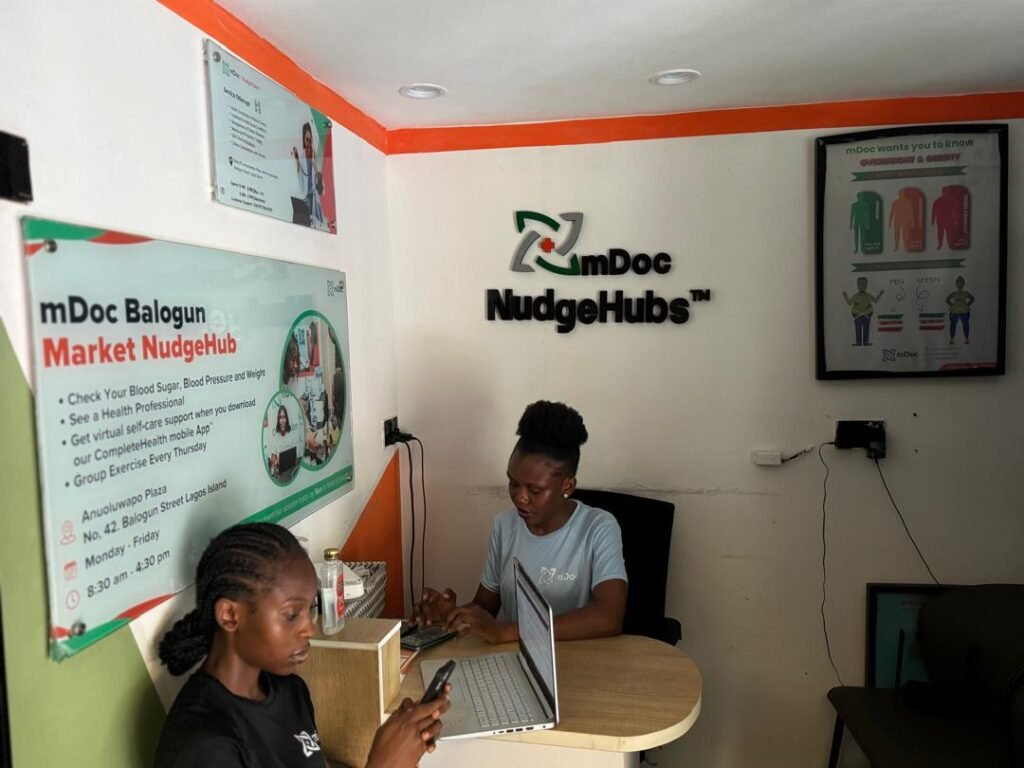
In the heart of Balogun Market located in Lagos State, women gather at a health point to get their blood pressure and blood sugar level checked. This check, conducted by mDoc’s NudgeHub, provides community members with an opportunity to learn more about their health while offering routine health screenings that are often overlooked in their daily lives.
“What we consistently see here is elevated blood pressure,” Naomi Okoduwa, a health coach at mDoc’s NudgeHub, explained. “Many women believe hypertension is only for older or overweight people but are surprised to find out otherwise and it has completely changed their mindset towards their health.”
In Nigeria, non-communicable diseases (NCDs) contribute to nearly 30% of deaths. For women of reproductive age who already face high maternal mortality ratios, the stakes are even higher with cardiovascular diseases, hypertension, diabetes, cancer, mental health disorders and thyroid disease, some of the NCDs that affect pregnant women.
Research in four local government areas (LGAs), Ikorodu and Alimosho in Lagos State, and Abuja Municipal Area Council and Bwari in the Federal Capital Territory found that 36% of women had raised blood pressure and around 10% had elevated blood sugar levels, both of which are major risk factors for pregnancy complications like pre-eclampsia and eclampsia. Besides compromising a woman’s health during and after pregnancy, NCDs can also affect long-term development and health outcomes for the child.
To address these gaps in preventive and continuous care, mDoc has established a network of hubs in Balogun Market, Ikorodu, Alaba, Bariga and Epe communities in Lagos State. These hubs combine digital health support and in-person service delivery, offering basic health checks, structured education, and in-person coaching to help individuals in making informed decisions regarding their lifestyle based on their results of their health screenings.
Bringing care into market
According to Faith Kuranga, Project Associate at mDoc, nearly 900 women have been served in Balogun Market’s hub alone, while across all hubs in Lagos, more than 4,000 women have accessed screening and coaching support. This model offers the best of both worlds, linking face-to-face care with continuous virtual support.
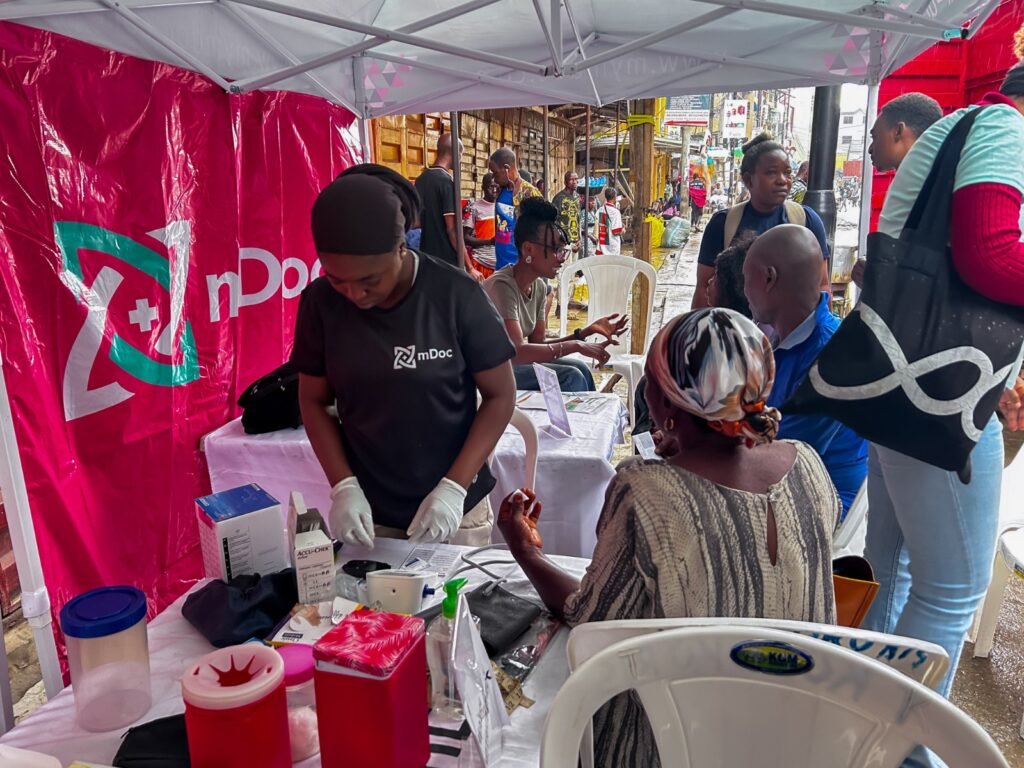
When screening identifies elevated measures that remain high on repeat checks, the hubs facilitate referrals to nearby hospitals or clinics, using the NaviHealth AI, an online directory that links individuals to trusted providers closest to home. By connecting community screening to formal care pathways, the hubs help bridge a frequent disconnect between initial detection and follow‑up treatment.
“At the hub, we provide health screening and literacy for people who otherwise don’t go for regular screenings. Many pregnant women in the market don’t often check their blood pressure.” Faith explained.
Additionally, through the mDoc CompleteHealth platform, users can also connect virtual coaches and enroll in structured programmes focused on hypertension control, diabetes management, weight management, maternal health support, and general wellness.
For pregnant women with elevated risks, coaches help them navigate referrals to health facilities. “When I had pelvic pain and high blood pressure readings, my coach referred me to the hospital and also linked me to a trainer through WhatsApp who helped me with guided exercises,” Chioma Anasoro said, recounting her experience during pregnancy.
For women without smartphones or limited digital literacy, the coaches maintain contact through phone calls and text messages, ensuring that lack of internet connectivity does not deter follow‑up. This addresses a common barrier identified in community health intervention, where lack of digital access often limits the reach of app‑based health interventions.
Education Sparking Behaviour Change
At the core of the Nudge Hub approach is health education which helps women move from passive awareness of risk of NCDs to intentional behavioural change.
“Helping people unlearn what they already think they know is the biggest challenge we face. It takes a lot of intentionality and building rapport with them, but when they see their own results backed with health education, you see shifts in behaviour,” Faith explained.
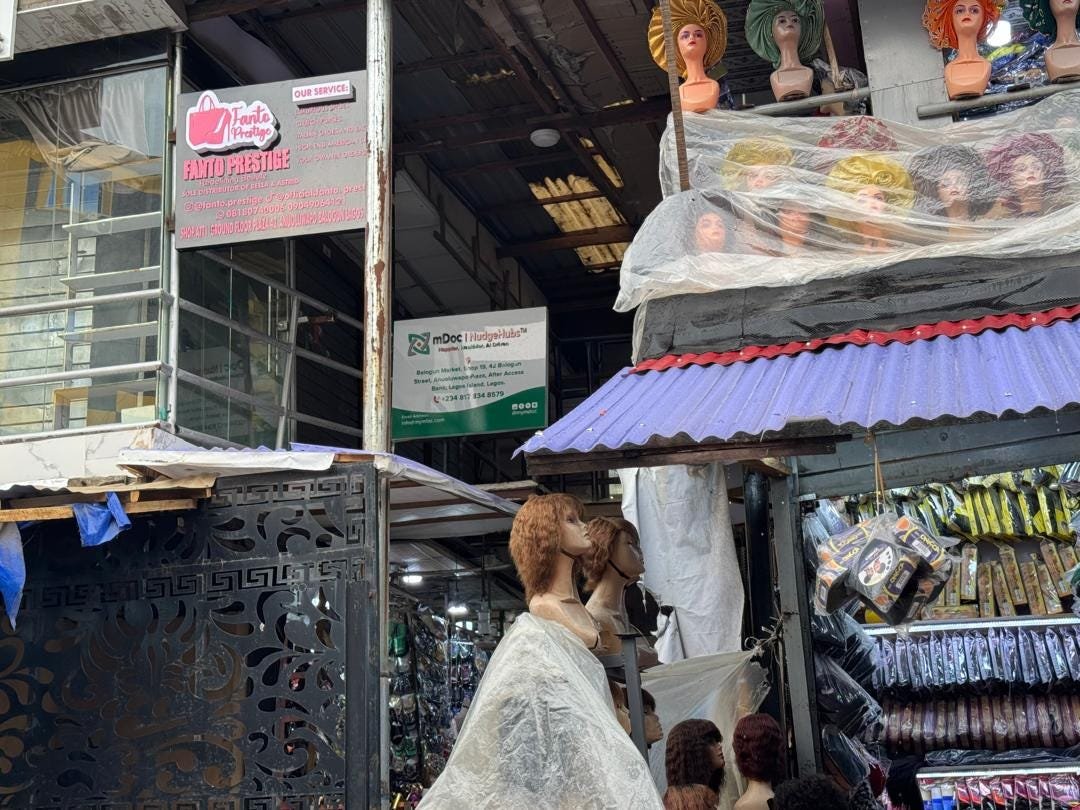
According to Naomi, the habitual misconceptions they have heard from women such as believing herbs can solve any problem, or only overweight people are at risk of hypertension and diabetes are deeply rooted in cultural beliefs and limited access to accurate health information.
The health coaches address these misconceptions through repeated engagements, outreach on market days, and one‑on‑one conversations. She emphasised that some women have begun to adopt healthier habits, cutting down carbonated drinks and incorporating regular exercise.
For women like Chioma, the change is tangible. “Before, I didn’t even put my mind on health, now I know it’s important to check yourself, even if nothing feels wrong.” she said.
The Nudge Hub model also incorporates mental health support, recognizing that maternal mental health is a critical component of a mother’s wellbeing. Studiesreveal that over 10% of women in Nigeria experience depressive symptoms after childbirth, with prevalence higher in rural communities due to limited access to mental health services, limited support system and financial stress.
Coaches perform basic assessments for anxiety and depression and can refer women to emotional wellness specialists with their consent. Naomi explained, “We ask questions like, ‘What’s the challenge?’ ‘Would you mind sharing more with us?’ and ‘Do you have someone helping you at home?’ before referring them to an emotional wellness coach.”
A Model That Fills a Critical Gap
Despite the promising signs of this model, significant challenges remain. The hubs are currently limited to Lagos, meaning that many states with similarly high NCD burdens and maternal health challenges remain not yet reached by this hybrid model.
Nonetheless, the initiative aligns with wider efforts of the Lagos State Ministry of Health (LSMoH) to address the burden of NCDs in the state. LSMoH has established the NCD technical working group to strengthen the health system by integrating NCD services into primary healthcare and promote prevention by targeting major risk factors.
With sustained support, integration with formal health services, and continued emphasis on health literacy, such models may help shift outcomes one screening at a time. To help more women prevent avoidable NCD-linked complications in Nigeria, scaling such models, alongside investments in health systems, workforce, insurance and primary care infrastructure, is essential.
Leave a Comment
Your email address will not be published. Required fields are marked *