

Free Emergency Obstetric Care is Easing the Cost of Childbirth Complications in Bauchi
Related Stories
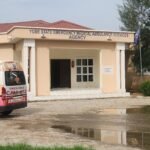



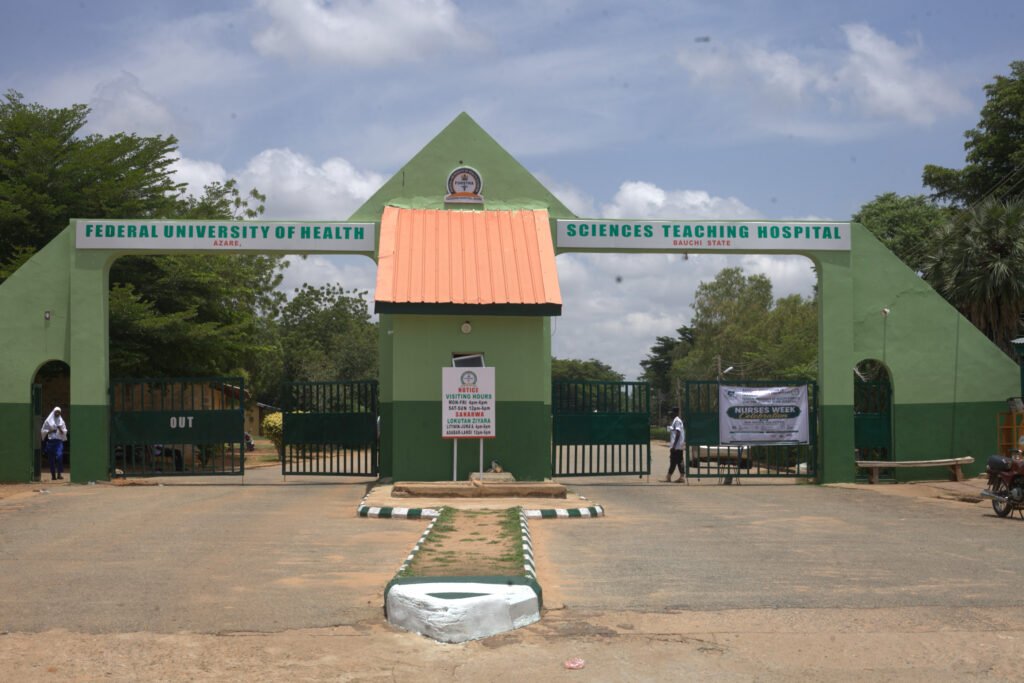
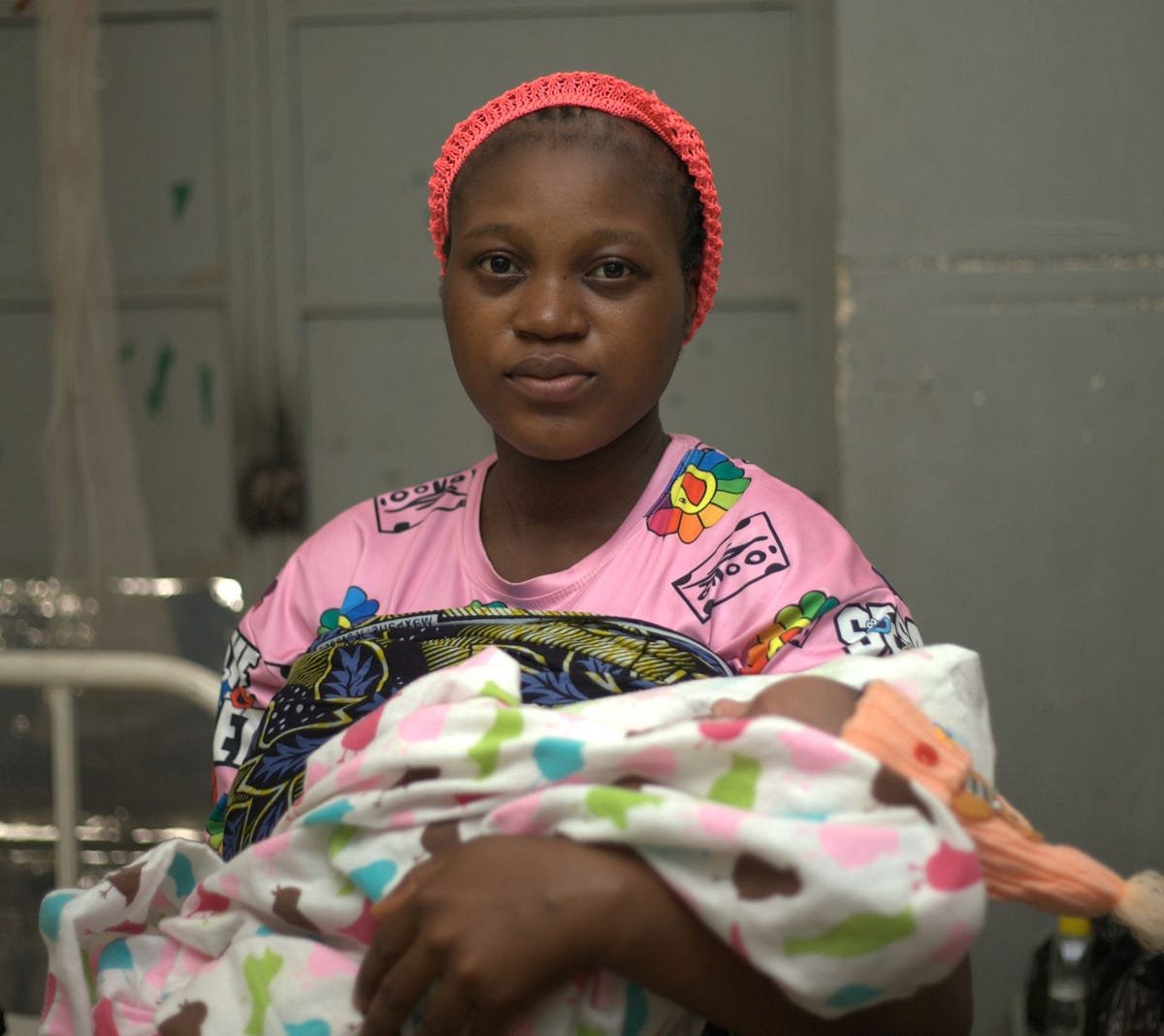
Talatu had waited months to welcome her daughter Fatsima’s first child. But after Fatsima went into labour, she had a seizure on the way to the hospital. The family arrived at the Federal University of Health Sciences Teaching Hospital in Azare, Bauchi, around midnight. Doctors diagnosed Fatsima with eclampsia, a life-threatening complication of pregnancy characterised by seizures, and determined that she needed a caesarean section.
“The baby was stillborn. We went through other medical procedures in the hospital. She is getting better,” Talatu, Fatsima’s mother said. “As you can see, from the surgeries she had to the medicines she got, it is free of charge. We are grateful for that. If not for this programme, we would not have been able to pay for ourselves without this support.”
Fatsima’s husband, Malam Usman, said the family travelled about 67 kilometres from Gadau to Azare to seek care. Their baby did not survive, and Fatsima was still recovering. As the family faced their loss, Usman said the programme had eased the financial pressure by covering the cost of her treatment at the Federal University of Health Teaching Hospital, in Azare, Bauchi State.
Reducing out-of-pocket expenditure
In Nigeria, out-of-pocket (OOP) payments account for 71.90% of health spending, meaning many families pay directly for consultations, medicines, laboratory tests, deliveries, surgery, and other services.
High out-of-pocket spending can push households into financial hardship, particularly when treatment is unexpected and urgent. In maternal and newborn care, complications such as severe pre-eclampsia or eclampsia, postpartum haemorrhage, obstructed labour, sepsis or newborn illness may require immediate hospital treatment, leaving families facing unexpected costs they may be unprepared for or unable to afford.
One initiative addressing this financial burden is the National Health Insurance Authority’s (NHIA’s) Financing Access to Comprehensive Emergency Obstetric and Neonatal Care (CEmONC) intervention. Bauchi is one of the states implementing the national intervention which funds care for vulnerable women and newborns.
CEmONC covers the hospital services required to manage life-threatening complications of pregnancy and childbirth, including caesarean sections, safe blood transfusion and newborn resuscitation.
Charity, who was receiving care in the Preeclamptic and High Dependency Unit (HDU), said she travelled 109 kilometres from Jigawa State to the hospital in Azare to give birth. “They are good at their work. I had a prolonged labour and a caesarean section here for free,” she said.
Expanding access across Bauchi
Dr Hassan Shu’aibu Musa, Assistant Director NHIA and the focal person for the CEmONC in Bauchi, noted that since 11 November 2023, the programme started at two health facilities in the state –The Abubakar Tafawa Balewa University Teaching Hospital, Bauchi and the Federal University of Health Sciences, Azare, formally known as Federal Medical Centre, Azare. The hospitals have now increased to nine.
The hospitals are Federal Medical Centre, Misau; National Obstetric Fistula Centre (NOFIC), Ningi; General Hospital, Misau; General Hospital, Toro; General Hospital, Itas-Gadau; and the Bauchi State Specialist Hospital, in addition to a private hospital — Ni’ima Consultants Hospital.
Dr Musa described CEmONC as an intentional intervention, adding that it has been designed to save lives, reduce maternal mortality, promote neonatal survival, expand access to quality care, and reduce catastrophic medical expenditures for families.
He noted that from 2025, they have seen 535 patients. But in January 2026, they had 270 patients. In February, they had 352. In March, they had 401. In April, they had 480. In May, they had 464 patients in the state.
“This is a reflection of the increasing number of people accessing care and the number of lives that are saved under this life-saving initiative,”he explained. “In addition to saving lives, it is an avenue for increasing the quality of care and reducing maternal mortality.”
Who qualifies for CEmONC?
He noted that the programme is intended to benefit the vulnerable population, especially those who are multidimensionally poor according to the Multidimensional Poverty Index (MPI).
“If you look at the statistics, you will find out that people who spend 75% or thereabouts of their earnings on basic life requirements are termed as vulnerable people. If you look at the state’s residents, that number is significant. The line that divides the haves and have-nots is thin, if not blurred. So, essentially, whoever presents to our facility with maternal complications in pregnancy upon proper identification and triage is coopted under the programme to access healthcare,” Dr Hassan said.

The hospital is responsible for determining the criteria for vulnerability. He added that within these facilities, it is not an individual who determines that; rather, it is the CEmONC committee. The hospital social welfare department and the records department, along with the medical and nursing teams that provide care, determine that.
He also explained that there are plans to add more facilities. And, as part of efforts to make the programme more accessible, Bauchi added a privately owned health facility to the list of service providers. He noted that the private facility often becomes a lifesaver during industrial strikes.
Dr Hassan mentioned that they have also received approval to extend CEmONC services to faith-based health care centres. They will accredit these facilities if they meet the required infrastructure and staffing standards.
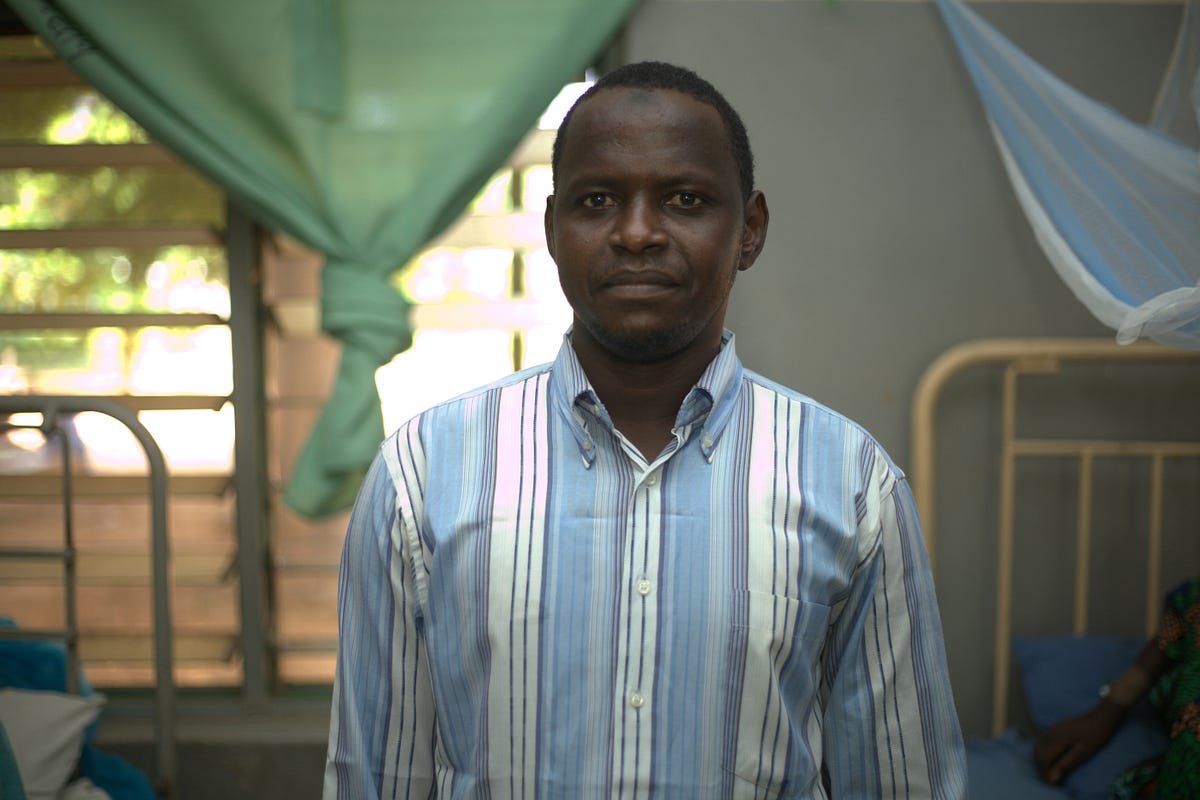
Aliyu Abubakar, a medical social worker at the Federal University of Health Teaching Hospital, Azare, recalled that patients previously remained in hospital for two or three weeks after being discharged because of their families could not afford to pay their medical bills.

“Now that we have CEmONC, that issue is gone,” he noted.
‘It is really challenging’
However, Dr Hassan noted challenges in areas of coordination, validation, and uploading, which keep the system running, and in balancing service provision, quality of care, monitoring, and evaluation without compromise.
“It is really challenging,” he said. “Our inability to be in all facilities at the same time and to have proper approval and logistics to conduct a medical audit on the facilities has been one of the challenges.”
He cited the facilities’ noncompliance with the zero-billing policy as another challenge for those in remote areas. He mentioned that they have heard cases of some healthcare providers exploiting CEmONC patients.
“Once these complaints reach us, we have been decisively dealing with them,”adding that throughout the implementation of the programme, no Nigerian is allowed to pay out-of-pocket. He added that they have remained vigilant to ensure patients are not exploited.
He also said they have many media appearances to raise awareness of the programme’s existence in the state, thereby attracting more people. He explained that at the Abubakar Tafawa Balewa University Teaching Hospital, Tafawa conducts at least 15 deliveries every day under CEmONC. The additional CEmONC caseload is being absorbed by health workers who are also responsible for the hospital’s routine maternity services, Musa said, increasing pressure on already stretched teams.
He added that, given the programme’s design, there was no plan to keep the medical team afloat. He said the officials at the State Office also need it while appealing for more funding to support logistics. Abubakar said he currently uses his personal computer to enrol beneficiaries because the unit lacks a dedicated laptop.
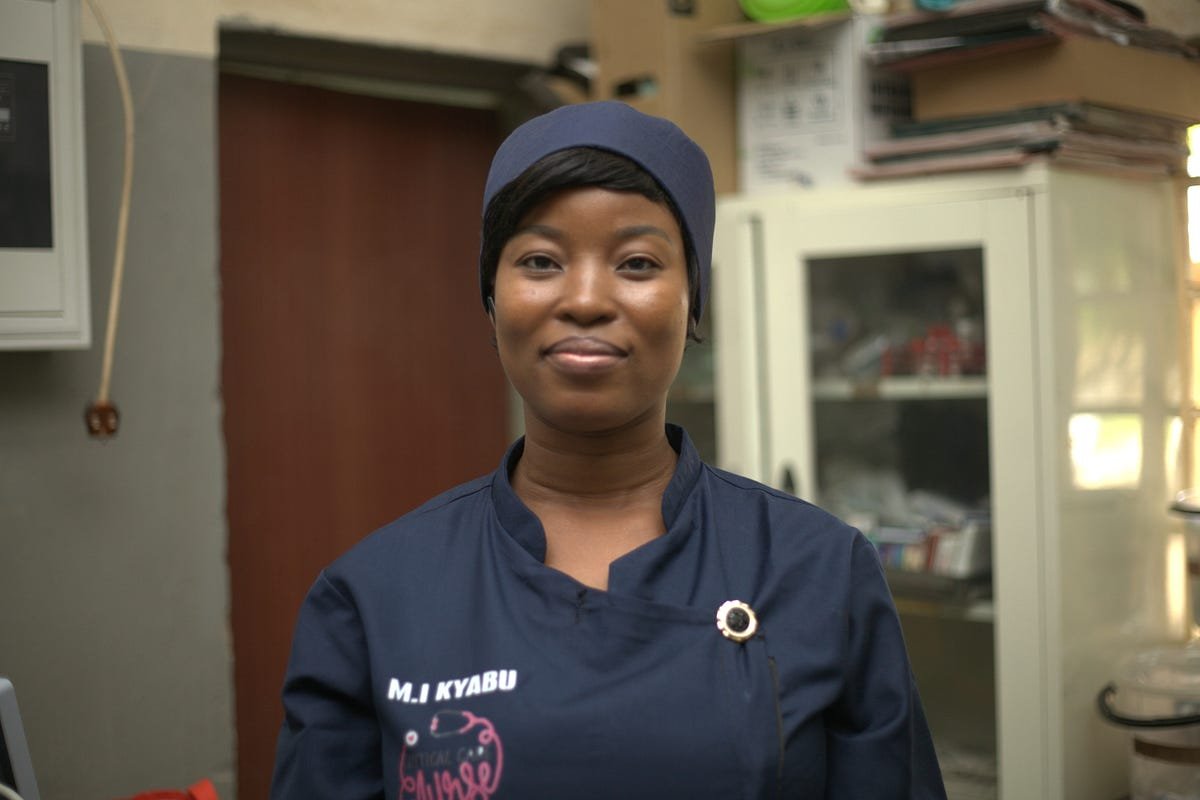
Mercy Ibrahim Kyabu, a nurse at the Preeclamptic/High Dependency Unit of the Federal University of Health Teaching Hospital, Azare, said without the programme, the ward was often empty, but now with CEmONC, they even get overwhelmed with the number of patients who come to seek care, while appealing for motivation for the health care workers providing care to the patients.
CEmONC appears to address one barrier, enabling vulnerable families to afford emergency treatment, but rising utilisation is revealing another challenge. Do hospitals have enough staff, equipment and oversight to meet the demand created when cost is no longer the first barrier to care?
Leave a Comment
Your email address will not be published. Required fields are marked *