
Niger State’s PHCs Are Screening Beyond TB. Can the Model Last?
Related Stories


Uche Ralph-Opara and Kenneth Ojobor (Guest writers)
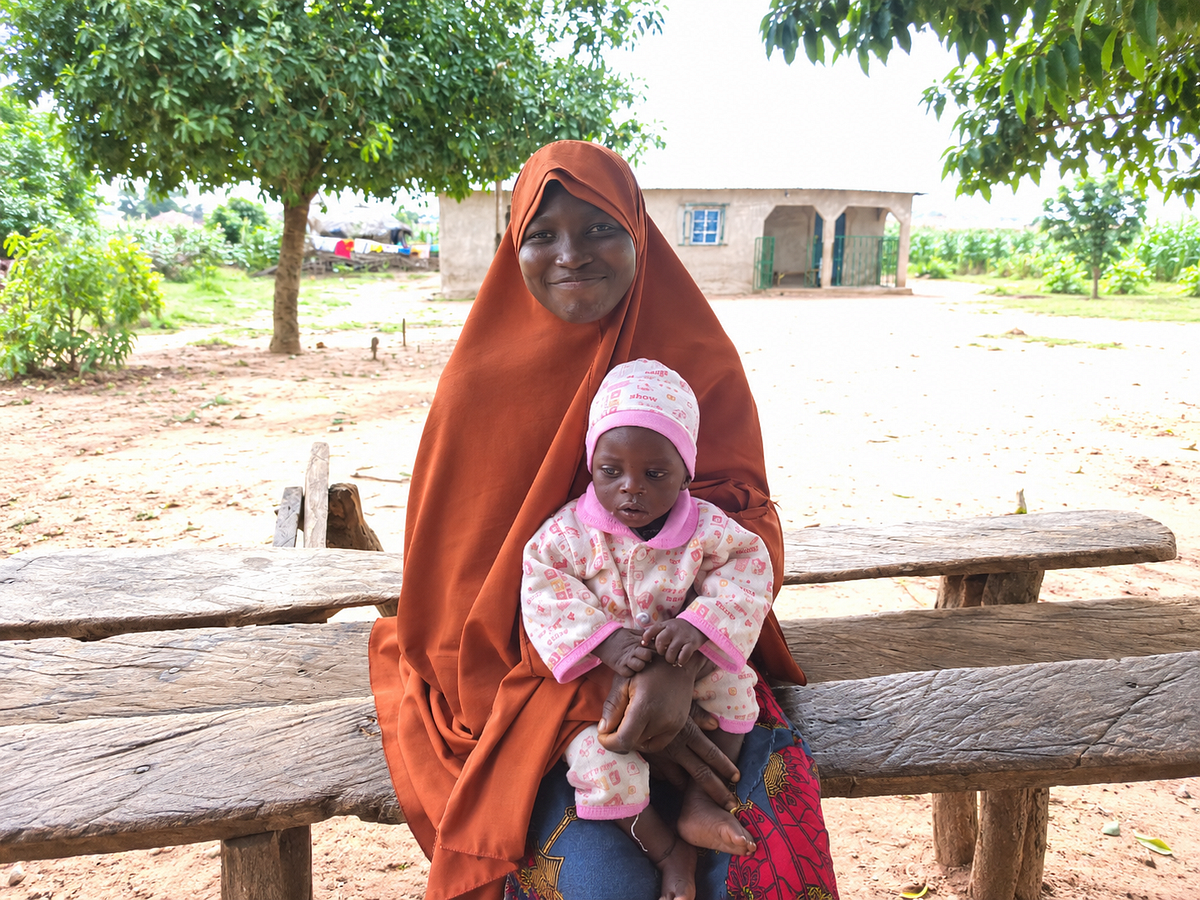
Zariya Hashiru was pregnant when she was diagnosed with tuberculosis (TB) in the Napu community, Niger State. She feared that the medicines would harm her unborn baby. Diagnosing the disease was therefore only the first step. Health workers counselled and followed up with her for five weeks before she began treatment. “I was very happy when I was told my sample had turned negative after 6 months of treatment,” she said.
Her experience captures both the promise and the fragility of an effort to change how primary healthcare centres (PHCs) respond to respiratory symptoms. Supported by the Stop TB Partnership, Project HOPE’s EXALT project introduced combined screening for TB, asthma, and pneumonia at 15 PHCs in the Gurara, Paikoro, and Suleja Local Government Areas of Niger State.
The intervention addressed a basic problem. People do not arrive at a PHC knowing whether a persistent cough is due to TB, asthma, pneumonia, or another condition. They may enter through antenatal care, immunisation, outpatient services or community outreach. The health system must recognise the symptoms, investigate the possible causes, and connect each person to appropriate care.
That matters in a country that accounted for an estimated 4.8 percent of global incident TB casesin 2024. Nigeria’s National Tuberculosis, Leprosy and Buruli Ulcer Control Programme (NTBLCP) leads the TB response, and collaboration between TB and HIV services is already established in national policy. The EXALT project tested whether a similarly integrated approach could help PHCs respond to a wider range of respiratory conditions.
One symptom, several possible conditions
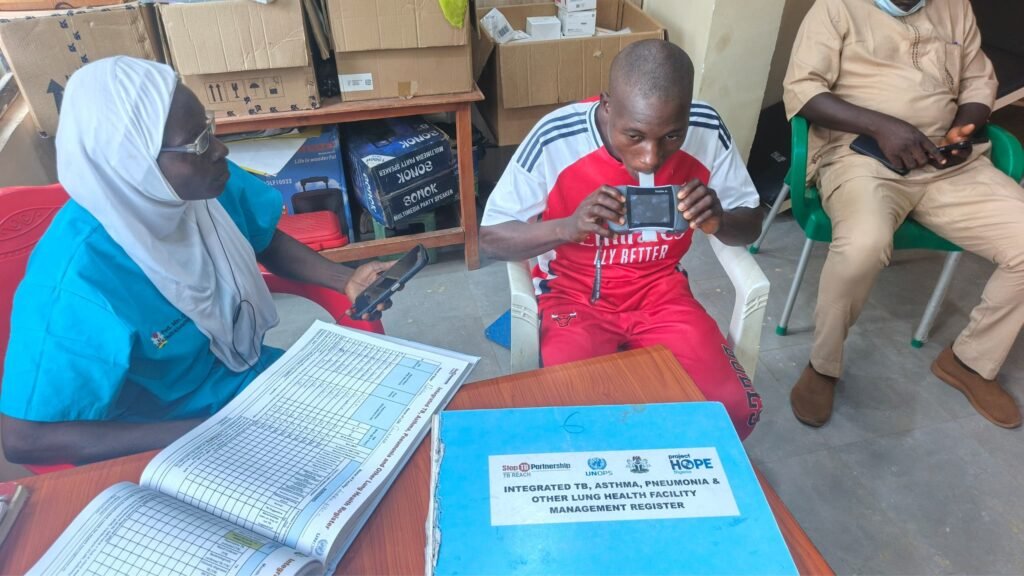
Health workers asked patients about cough, fever, weight loss, night sweats, and breathlessness. Depending on the findings, patients were connected to condition-specific assessment, sample transport, or referral.
The approach echoes the World Health Organization (WHO)’s Practical Approach to Lung Health, which promotes integrated management of respiratory symptoms. For people with signs or symptoms of TB, WHO recommends rapid molecular tests such as Xpert MTB/RIF Ultra or Truenat as initial diagnostic tests. Under Nigeria’s linked pathway, samples may undergo Xpert or Truenat testing, while the exact algorithm should follow current WHO guidance.
TB-LAMP can detect TB but cannot detect rifampicin resistance. Spirometry or peak expiratory flow rate can support asthma assessment, while chest X-ray can help with screening or triage, but cannot independently confirm TB. Pneumonia assessment must also reflect the patient’s age and severity of illness. Integration should broaden the search for disease without weakening diagnostic standards.
The numbers increased, but what do they prove?
Project HOPE’s baseline assessment exposed the challenge facing the participating PHCs. None had GeneXpert equipment, 46 percent lacked functional microscopy, and none had a spirometer or nebuliser. Referral arrangements existed, but sample transport and feedback were inconsistent. The baseline report recorded 24 TB cases, 26 pneumonia cases, and 20 asthma cases across the 15 facilities between October 2023 and September 2024.
Project HOPE reportsthat more than 113,000 people were screened between March 2025 and June 2026. It also reports that 259 people were diagnosed and treated for TB, 783 for pneumonia, and 335 for asthma. The increase is remarkable, but it should not be treated as proof that integration alone caused the reported results.
Still, individual experiences show what a wider respiratory lens can uncover. Safiya, an adolescent who had lived with a persistent cough for six years and experienced stigma, was diagnosed during community outreach and completed care. Her case illustrates the potential value of taking screening beyond the walls of a facility.
Dr Hananiya Dauda, a WHO National Professional Officer, said, “What I see today in terms of results and outcomes from this project is amazing. I have never seen such a transformation in a Lung health programme like the one implemented by Project HOPE in Niger State. It has provided more opportunities for people to be reached, diagnosed, and catered to. This is what public health is all about.”
The harder test begins after screening
Stock-outs of medicines and laboratory reagents threatened implementation. Integrated screening cannot deliver better care when samples cannot move, results do not return, equipment fails, or medicines are unavailable. Sustainability, therefore, depends on the less visible parts of the system, such as recurrent financing, maintenance, clinical supervision, referral feedback, reliable commodities, and public data.
Dr Kudirat AbdulGaniyu, the Niger State focal person for non-communicable diseases, said, “We are delighted with the programme support to our people at the community and grassroots level, and we will put in efforts to sustain the gains we had from the project at the PHC level and the communities.”
That commitment now needs measurable action. The State Ministry of Health, Niger State Primary Health Care Development Agency, and State TB programme should publish a costed continuity plan and quarterly results showing how many people were screened, tested, diagnosed, started treatment, and completed care.
Nationally, the Federal Ministry of Health and Social Welfare, NTBLCP, and the National Primary Health Care Development Agency should define and finance a minimum PHC readiness package for integrated respiratory care.
For Zariya, the chain from diagnosis to counselling and treatment eventually held. The test of the model is whether Niger State can make that chain reliable for the next pregnant woman, and for every patient whose cough may point to more than one disease beyond project support.
Leave a Comment
Your email address will not be published. Required fields are marked *