
Why Does Water in Parts of Kano Look “Thick Like Coffee”?
Related Stories
Lukman Abdulmalik and Zubaida Baba Ibrahim (Lead writers)
This investigation is being published in partnership with The Xylom, a science-focused publication.
Khamis did not immediately realise that the water flowing into his home could make him sick, however, when cholera struck, the 55-year-old resident of Tamburawa in Dawakin Kudu Local Government Area (LGA) of Kano State, spent days battling relentless vomiting, diarrhoea and severe weakness.
Over several weeks, Khamis spent more than ₦60,000 ($45) on treatment and medication. Even after the worst symptoms subsided, one question remained: how had the water he paid ₦2,500 ($1.88) a month for left him ill, financially drained, and fearful for his children?
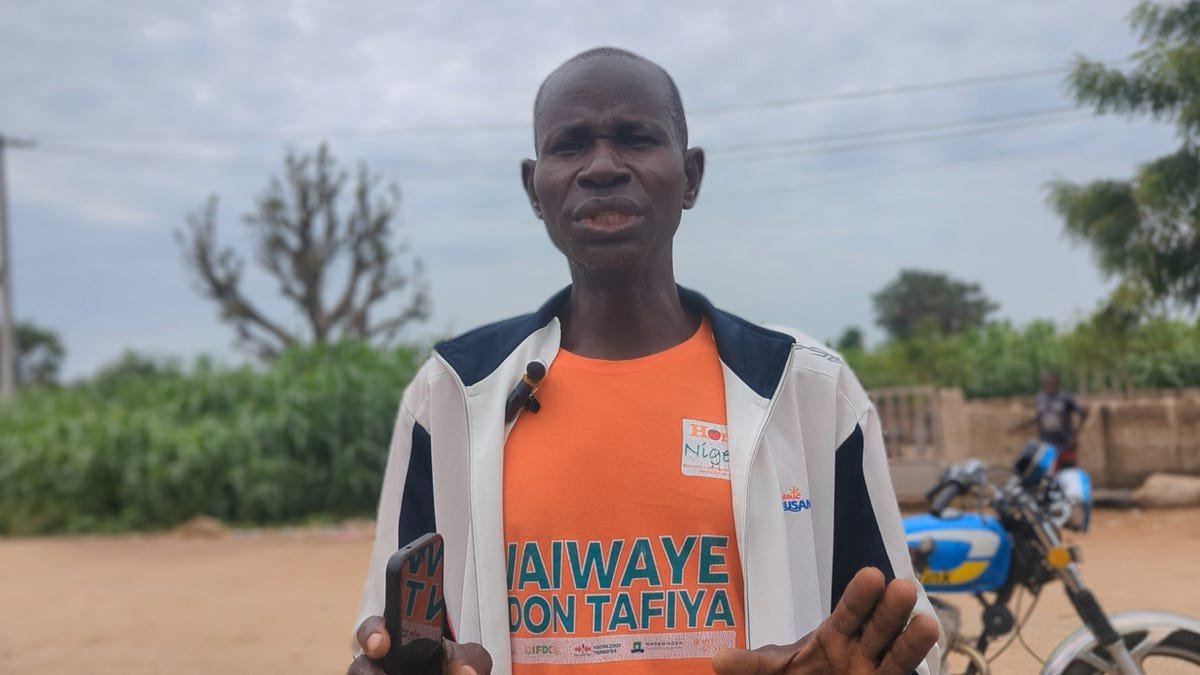
“It has been over a year since I last saw water that looked fit to drink,” Khamis said, describing the water flowing from his taps as brownish, foul-smelling, and filled with visible particles.
When the tap water turns brown
Across Tamburawa, Tassa, Gaida, Panshekara, and other parts of Kano metropolis, residents lack access to clean, safe water. The supply is also unreliable, forcing households and businesses to spend more on alternatives, even as billions of naira are allocated to improve water supply.
Hamisu Hussaini in Tassa community, also in Dawakin Kudu, described the water reaching his home as“thick like coffee,” he said. “The smell is so bad that bathing in it leaves me feeling unwashed.”
Hussaini added that “residents have largely stopped complaining because the same water board workers who deliver the water collect monthly fees and disconnect households that fail to pay.”
When Nigeria Health Watch visited Challawa Water Works, one of Kano’s three major water treatment plants, officials denied access to the facility. An anonymous source familiar with the plant later reported that the government had not consistently supplied treatment chemicals to the plant for the past 5 months.
The source further reported that the occasional supply of clean water to residents was made possible by water treatment chemicals donated by Mamuda, a private company, and that water quality deteriorated once the chemicals were exhausted. However, this claim could not be independently verified.
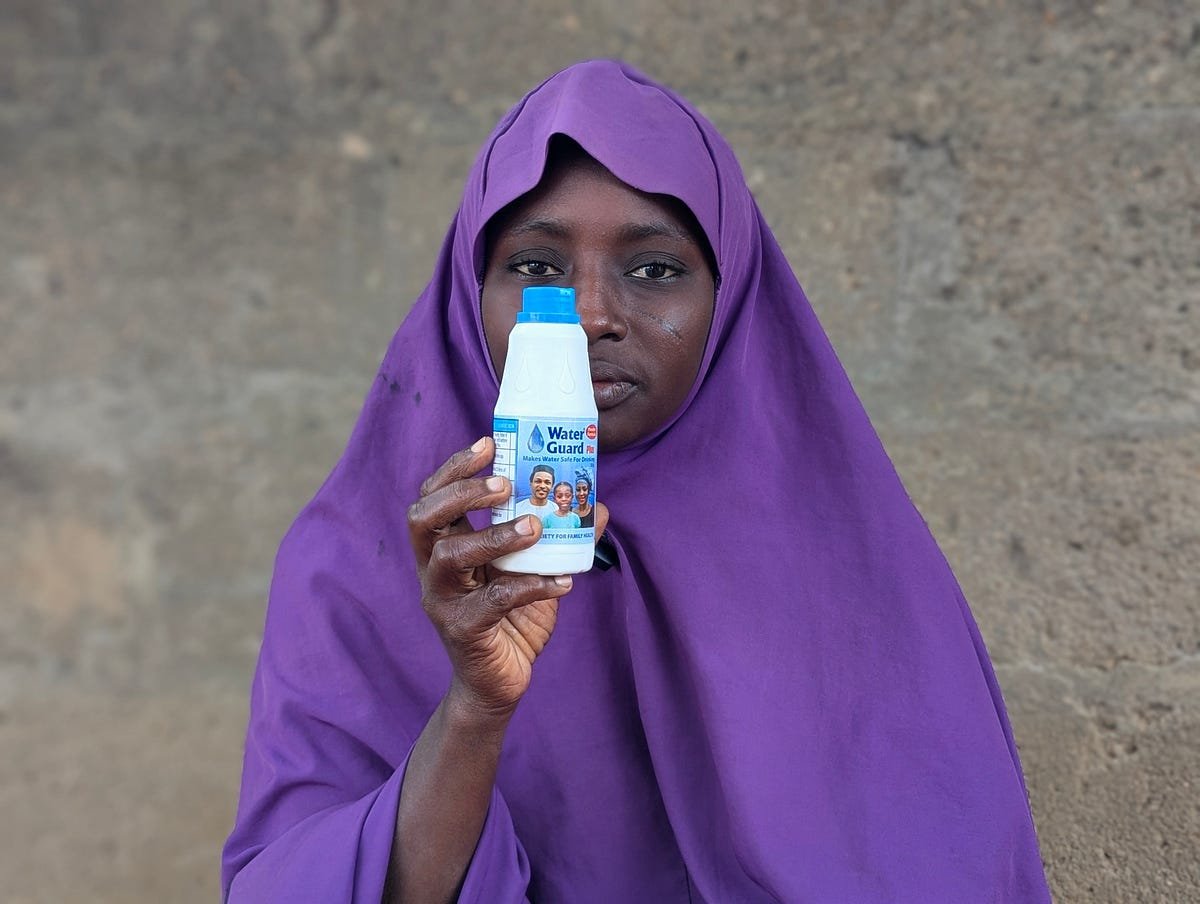
Shuarau Hamisu Garba, a tiger-nut juice seller, said she sometimes must suspend her business for days or weeks because she cannot risk using the discoloured water supplied to her compound. She said she treats some of the water with WaterGuard, a chlorine-based product used to disinfect household water. She adds a capful to 25 litres of water and lets it settle before use.
Testing Kano’s water
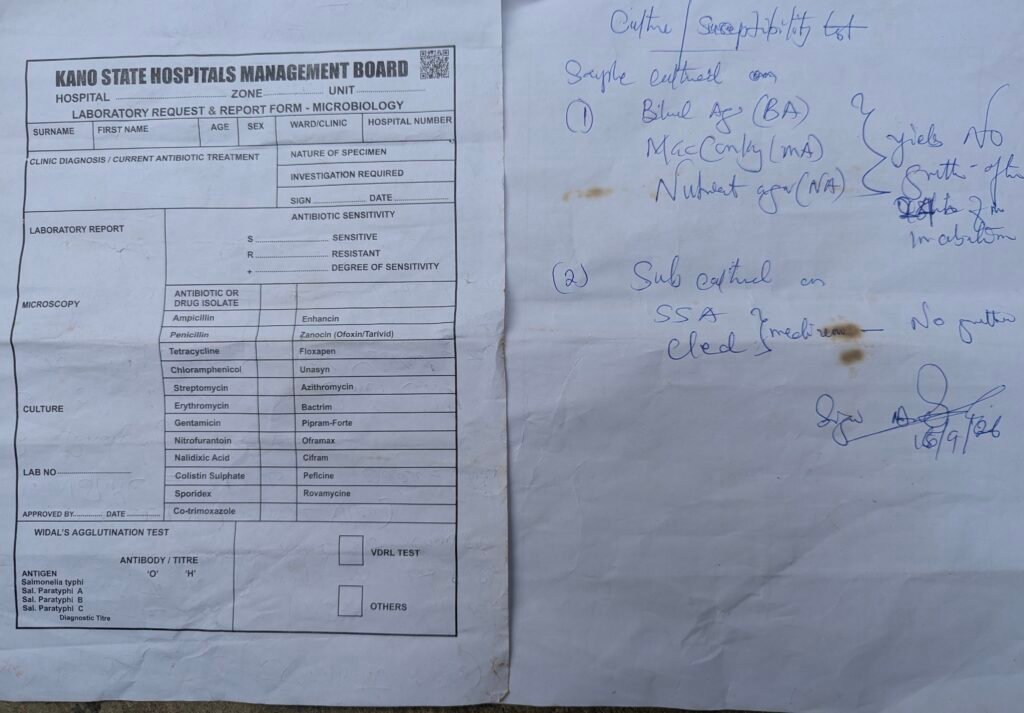
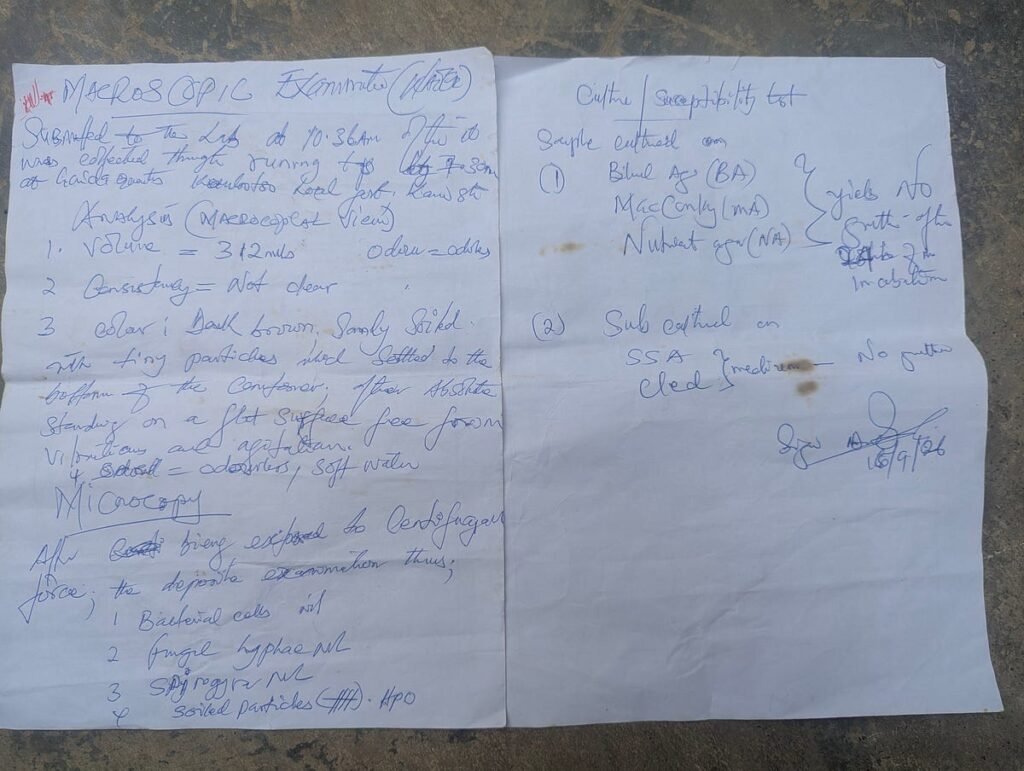
On September 10, 2026, Nigeria Health Watch submitted a sample of muddy household water from Gaida Quarters in Kano Municipal to the Microbiology Laboratory at Murtala Muhammad General Hospital. A lab technician who examined the sample initially expressed concern about the visible particles and asked where the water had come from.
However, when the laboratory result was eventually released from the hospital about a week later, the water was declared clean and without health impact.
Nigeria Health Watch commissioned Grand Consultancy Ltd to test a second water sample on September 17. The results differed from the hospital’s findings. Although the sample had a normal pH of 7.50, tests detected 50 colonies of total coliform bacteria per 100 ml and more than 100 MPN of E. coli per 100 ml. The report concluded that the sample “DOES NOT MEET drinking standards.”
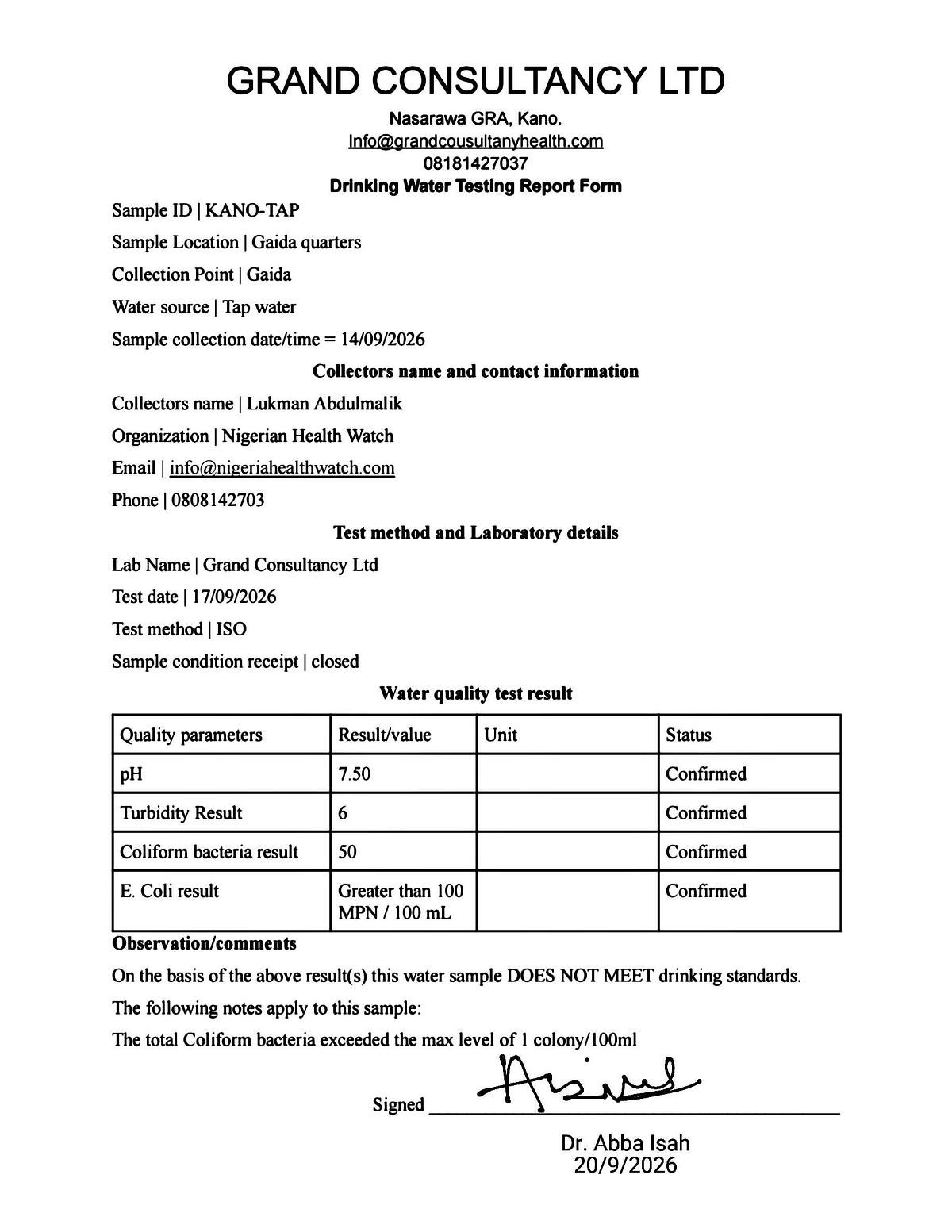
The conflicting results raise questions about the water’s safety, the reliability of the testing procedures, and where possible contamination may have occurred in the supply chain.
Health expert Abba Isah said E. coli at such levels could indicate faecal contamination, potentially exposing residents to waterborne illnesses such as diarrhoea, typhoid, and cholera.
A 2021 study using cholera surveillance data from recorded 16,461 reported cases and 547 deaths in Kano State, a case-fatality ratio of 3.32%. It identified 18 of the state’s 44 LGAs as cholera hotspots, with a combined population of about 4.9 million. The estimated relative risk within hotspot LGAs ranged from one to three times than elsewhere in the state.
Where did the money go?
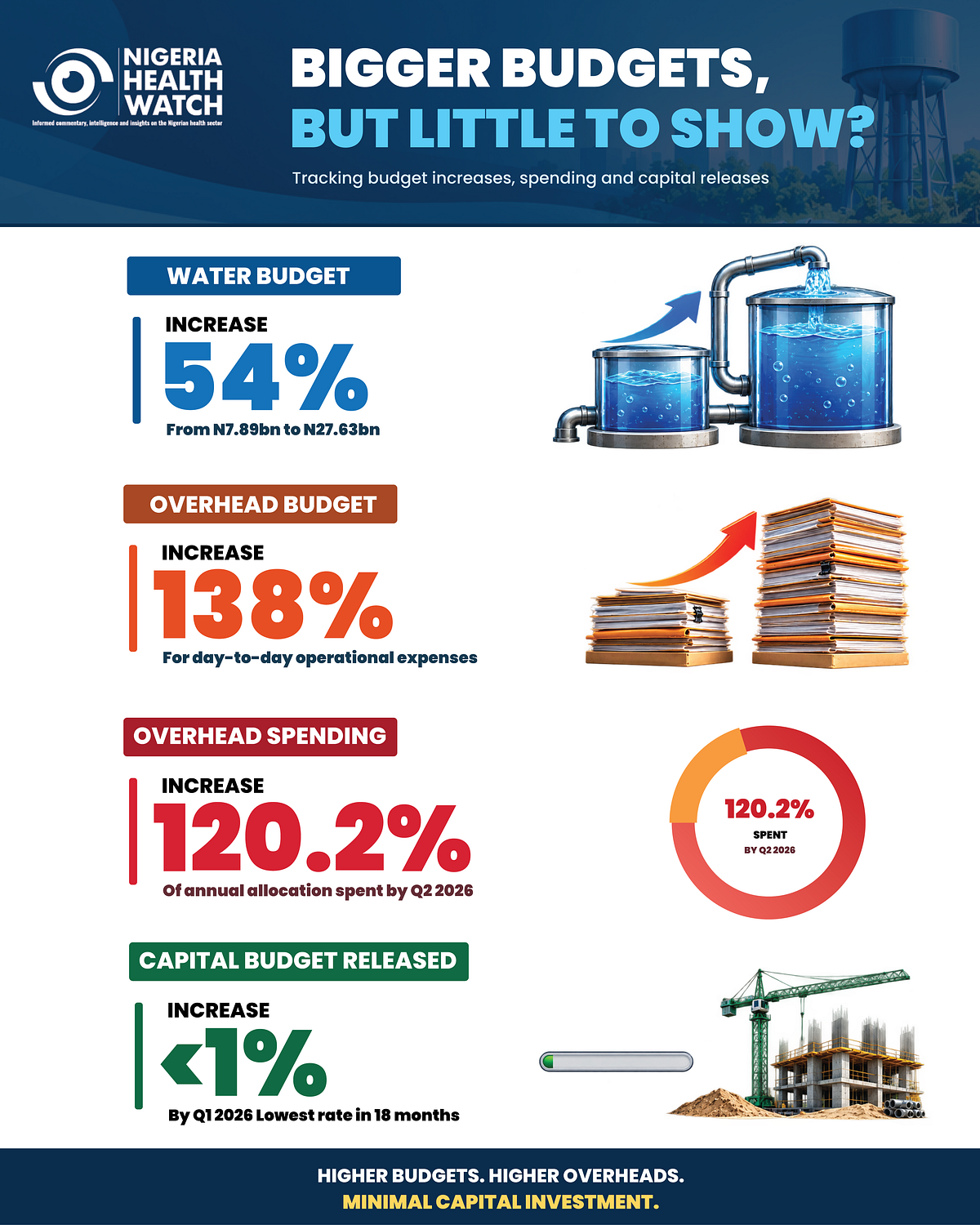
A review of Kano State’s six budget performance reports shows sharp fluctuations in water-sector funding. In mid-2025, the state increased its water-supply budget by 54%, from ₦17.89 billion ($11.3 million) to ₦27.63 billion ($17.5 million). The reports do not explain the reason for the increase.
The increase was uneven. Staff salary allocations remained unchanged, while capital spending on infrastructure and major projects rose by 53%. Overhead costs, which cover day-to-day administrative expenses, increased by an alarming 138%. The government spent 110.6% of its revised overhead allocation, exceeding the budgeted amount. In other words, the state is spending more money on running the water system than on improving the infrastructure residents depend on.
By the second quarter of 2026, overhead spending had reached 120.2% of the annual allocation. By the end of the first quarter of 2026, less than 1% of the budgeted capital funds had been released, the lowest rate in the 18-month period reviewed.
In May 2026, the state announced a₦21.89 billion ($16.06 million) contract with Chinese companies to rehabilitate the Tamburawa-Challawa water system. By June, capital spending had reached 10.1% of the annual allocation, still a small proportion of the announced investment.
The government said ₦9.9 billion ($ 7.26 million) would go to Challawa and ₦11.99 billion ($8.80 million) to Tamburawa. However, a separate report on the contract allocated ₦9.9 billion ($7.26 million) to Tamburawa and 11.39 billion ($8.36 million) to Challawa and Goron Dutse.
The pattern of little or no funding released for projects in one period, followed by a sharp increase in the next, is not unique to the water sector. Similar fluctuations appear in other Kano State capital budgets, including those for the Protocol Directorate and primary healthcare.
Determining how the money was spent is also difficult. The state’s first-quarter 2026 expenditure table was published as a hard-to-read image, requiring the figures to be reconstructed page by page. The Ministry of Budget and Economic Planning has yet to publicly explain or reconcile the discrepancy.
In a statement, Governor Abba Kabir Yusuf of Kano State said the rehabilitation was intended to restore production capacity and improve piped-water supply to Kano metropolis and nearby communities. He also announced plans for solar-powered boreholes in underserved areas.
But project approval, contract awards, fund releases, and completed infrastructure are separate stages. For residents, the ultimate test is whether these projects deliver water that is safe, reliable, and affordable.
On 14 September 2026, Nigeria Health Watch submitted a Freedom of Information (FOI) request to the Kano State Water Board, seeking records on contracts, contractor payments, water-quality test results, maintenance and residents’ complaints related to the ₦21.89 billion ($16.06 million) rehabilitation of the Tamburawa and Challawa facilities.
The request also sought an inventory of water infrastructure in Kano. Nigeria Health Watch cited the 2025 budget report showing that only 31.5% of the revised 2025 allocation for water-supply projects had been spent, while just 0.6% of the 2026 allocation had been released by the end of the first quarter.
The FOI Act requires a public institution to respond within seven days of receiving a request, subject to the Act’s provisions. The Water Board had not provided the requested records or notified Nigeria Health Watch of an extension as of the publication date.
Households and businesses pay more for unreliable supply
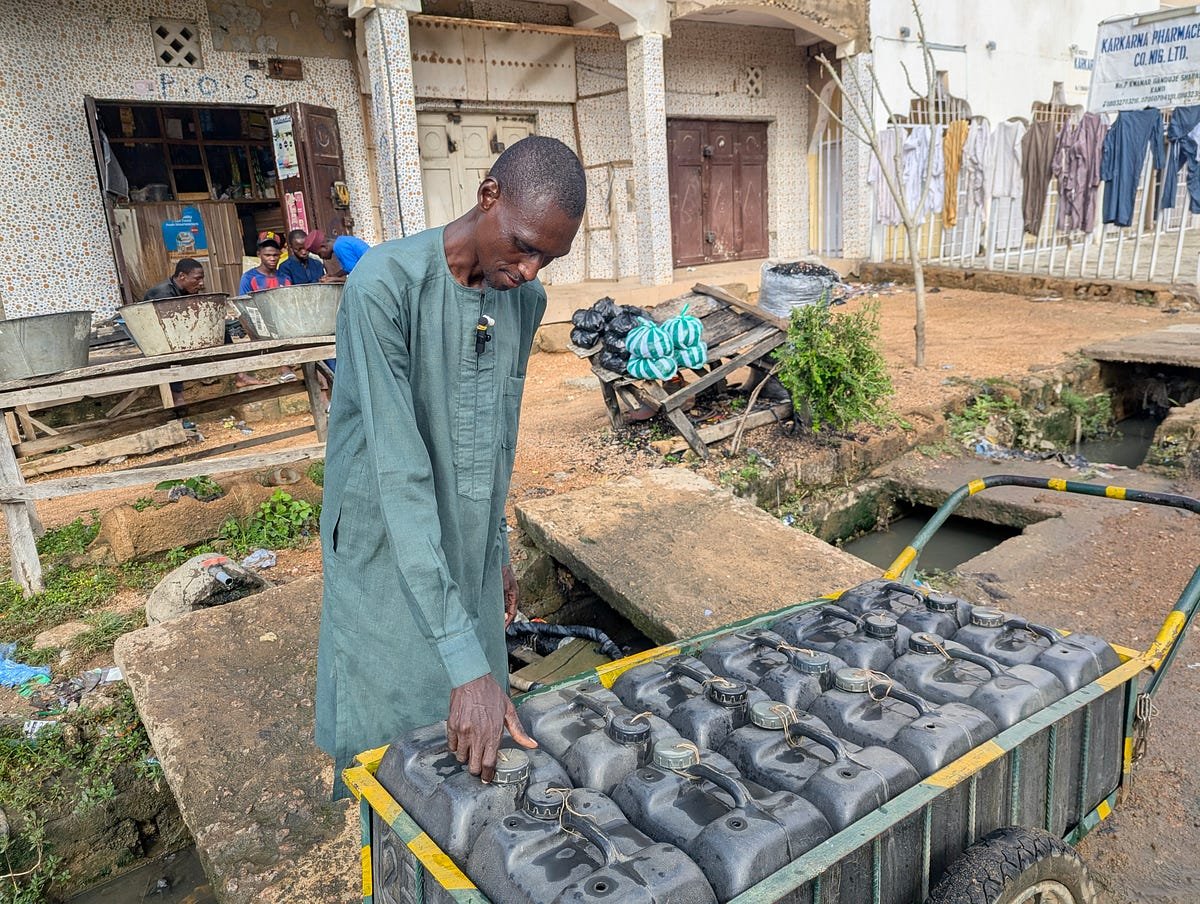
In Sabuwar Madina, Jaen, and Makera communities in Gwale LGA, unreliable, piped water has fuelled the growth of an informal water-vending economy. Vendors such as Auwalu Ibrahim and Ruslanu Ahmed make several trips daily, selling water in jerry cans for about ₦100 ($0.07) per jerry can. Abdulrahman Bello, chairman of water vendors in Jaen, said more than 30 carts can gather at his fetching point in a single day, as residents increasingly depend on vendors.
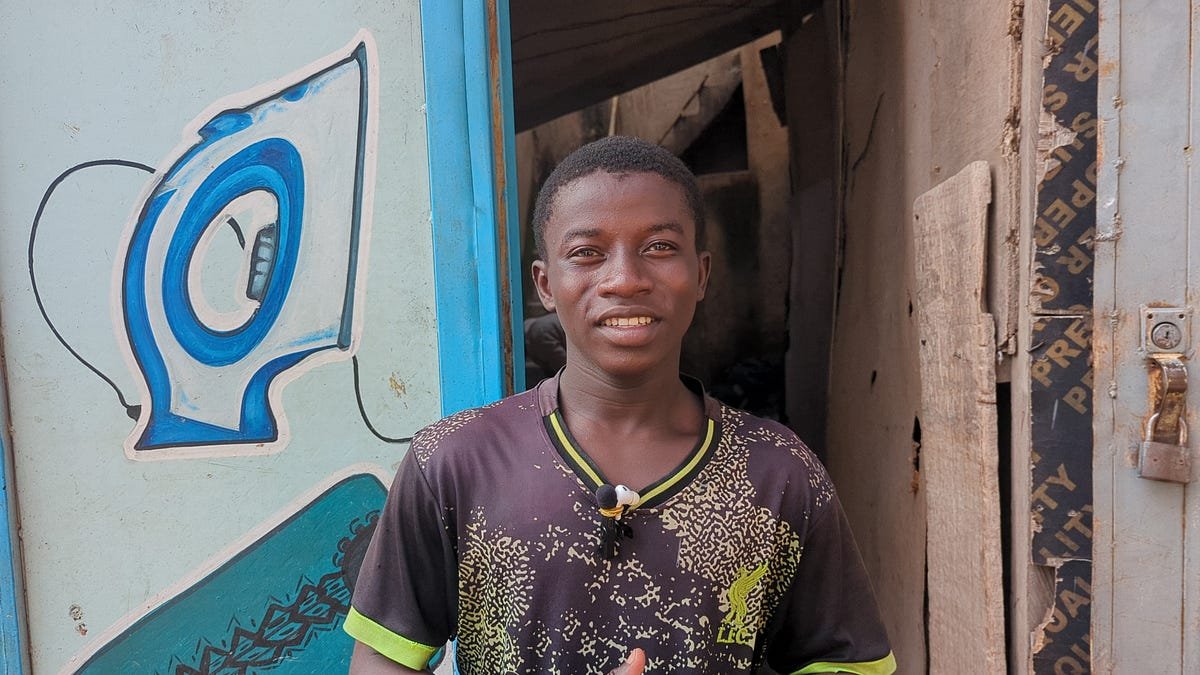
Mustapha Ibrahim, who runs a laundry business in Kwanar Ganduje, said his 13 workers use about 72 jerry cans of water a day, costing him ₦7,000 — ₦8,000 ($5.14 — $ 5.87). He said running the business was easier and cheaper when tap water was available, but he now relies on vendors to keep the laundry operating.
Nigeria is committed to Sustainable Development Goal 6, which calls for universal access to water and sanitation. 2.1 billion people worldwide lack safely managed drinking water. In Kano, 66.2% of the population use basic drinking-water services and 51.9% use basic sanitation services.
Residents’ accounts, the laboratory results and the state’s budget reports point to urgent questions about the reliability and safety of water in the communities investigated. The Water Board and state government should publish routine water-quality results, explain the budget and contract discrepancies, and show how the rehabilitation will improve supply to households and businesses.
Leave a Comment
Your email address will not be published. Required fields are marked *