
What IMNHC 2026 Made Clear: Evidence Is Not Enough Without Delivery
Related Stories





At a time when progressin reducing maternal and newborn deaths has slowed, the urgency of moving from evidence to action has never been greater. For countries such as Nigeria, where maternal and newborn mortality remain unacceptably high, the issue is no longer whether proven interventions exist, they do. The harder question is whether these interventions can be adequately financed and embedded within health systems, delivered consistently, measured effectively, and sustained at scale.
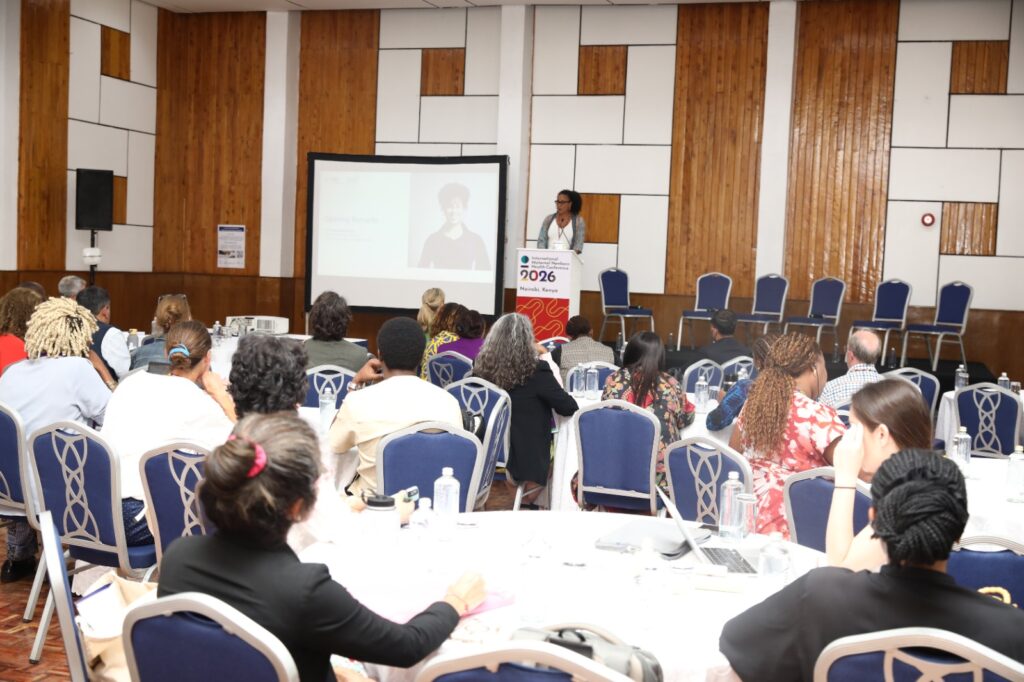
Held in Nairobi, Kenya, in March 2026 under the theme, “Moving Forward Together,” the International Maternal Newborn Health Conference (IMNHC) 2026 brought together more than 1,800 experts from 87 countries to review progress, share emerging evidence, strengthen accountability and unlock new partnerships to advance maternal and newborn health.
Across plenaries, technical sessions and country exchanges, it was clear that the maternal and newborn health community already knows many of the interventions that work. What remains insufficient is the ability of health systems to deliver them consistently, equitably and with quality.
Moving from policy to practice
A central theme at IMNHC 2026 was the gap between policy and implementation. Countries do not only need more strategies, pilots and technical guidance; they need delivery systems that can turn proven interventions into routine care.
In a session titled “From Policy to Practice: Real-World Experience Scaling PPH Innovations for Prevention, Detection and Treatment,” hosted by MSD for Mothers, country representatives discussed how innovations for postpartum haemorrhage (PPH) are being translated into practice.
This matters because PPH remains one of the leading causes of maternal mortality globally, despite being preventable with timely detection, quality-assured medicines, skilled providers and functional emergency response systems.
Several country experiences offered useful lessons. In Kenya, midwives are helping to drive the uptake of life-saving commodities through advocacy, cascade training and partnerships with manufacturers. In India, scale-up has depended on embedding innovations into national and state-level implementation plans, supported by costed budgets and continuous monitoring.
For Nigeria, the critical lesson is that global evidence should be used to accelerate adoption of proven PPH interventions, strengthen national guidelines and roadmaps, and reduce delays that cost lives. But policies and pilots are not enough. Impact happens when solutions are institutionalised, financed, procured, delivered and monitored consistently at scale.
Quality of care must be central
IMNHC 2026 reinforced a critical shift in maternal and newborn health. Coverage without quality will not save lives. It is not enough for a woman to reach a health facility if the facility lacks skilled providers, respectful care, essential commodities, reliable referral systems, accurate data and the ability to respond quickly when complications occur.
In a session titled “Aligning Incentives and Unlocking Access to Quality MNH Commodities,” convened by Results for Developmentand moderated by Iyadunni Olubode, Nigeria and Kenya Director at MSD for Mothers, experts across regulation, procurement and pharmaceutical systems examined what it takes to improve access to safe, effective and affordable maternal health commodities.
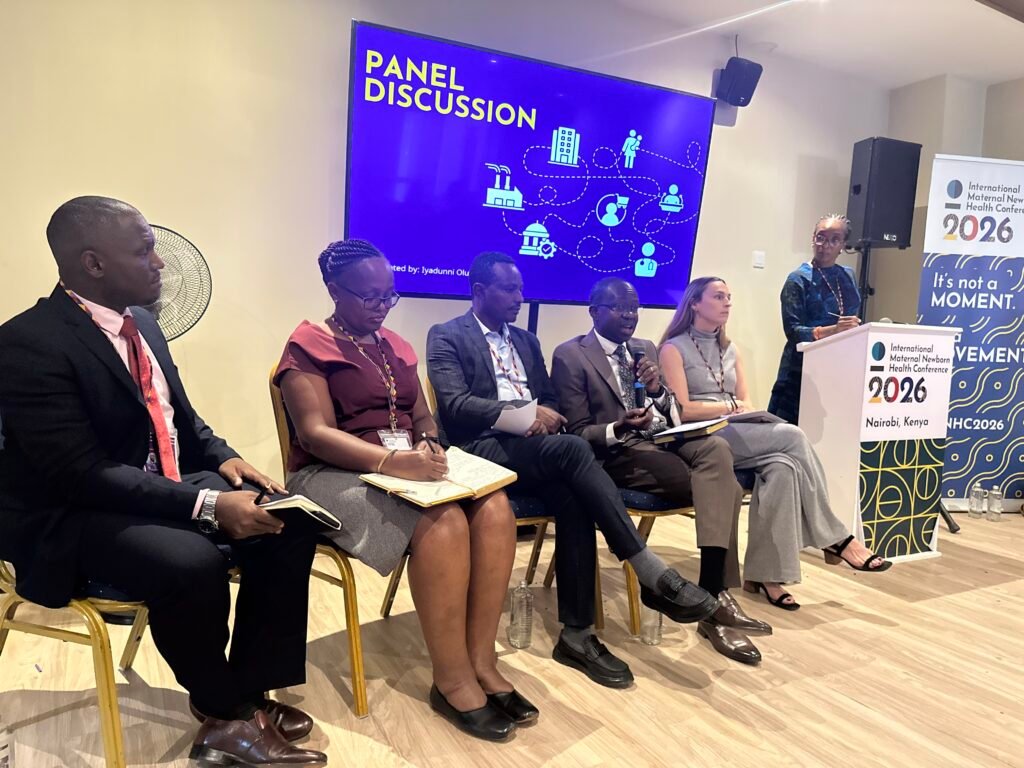
One strong message was that governments shape the market for maternal health products. Regulation must protect patients from substandard and falsified products, while avoiding bottlenecks that delay access to quality-assured maternal and newborn health commodities. Procurement must also change. Too often, decisions are driven by the lowest price, with consequences for quality and reliability. As Mengistu Legesse, a professor in Aklilu Lemma Institute of Pathobiology at Addis Ababa University, highlighted, countries need to move towards value-based procurement, where price matters, but not at the expense of safety, quality or performance.
Reliable quantification and forecasting are also essential. When suppliers and manufacturers have accurate demand data, they can plan production, reduce waste and maintain consistent supply. Predictable demand, transparent procurement and timely payment can help keep suppliers engaged in maternal health markets, especially in low- and middle-income countries. These are also the kinds of systemic barriers that Unitaid has identified as undermining access to critical maternal and newborn health products.
According to Eunice Gathitu, Senior Deputy Director of Pharmaceutical Services at the Ministry of Health, Kenya, value-based procurement models offer a promising route. By rewarding quality and performance rather than only low pricing, these models can create incentives for suppliers to maintain high standards.
Supporting regional and local manufacturing can also reduce dependence on imports, but local preference must never replace quality assurance. It should be backed by strong market surveillance, pharmacovigilance and enforcement.
As Samantha Durdock, Associate Program Director for Results for Development’s Market Shaping practice, noted during the session, “Quality has to be maintained throughout the system, from procurement to point of care.”Quality, however, is not only about products. It is also about how women and newborns experience care.
In another session, “Analysis, Advocacy and Agency for Respectful Care,” led by the Centre for Catalyzing Change (C3), Dr Aparajita Gogoi, Executive Director, and Tina Ravi, Senior Specialist, Reproductive Health and Rights, emphasised that improving maternal health outcomes requires more than physical access to services. It also requires deliberate efforts to build demand for respectful maternal and newborn care. “Respectful care only becomes a reality when there is a two-way dynamic where providers consistently deliver it, and women are informed, confident, and empowered to expect and demand it,” said Dr Gogoi.
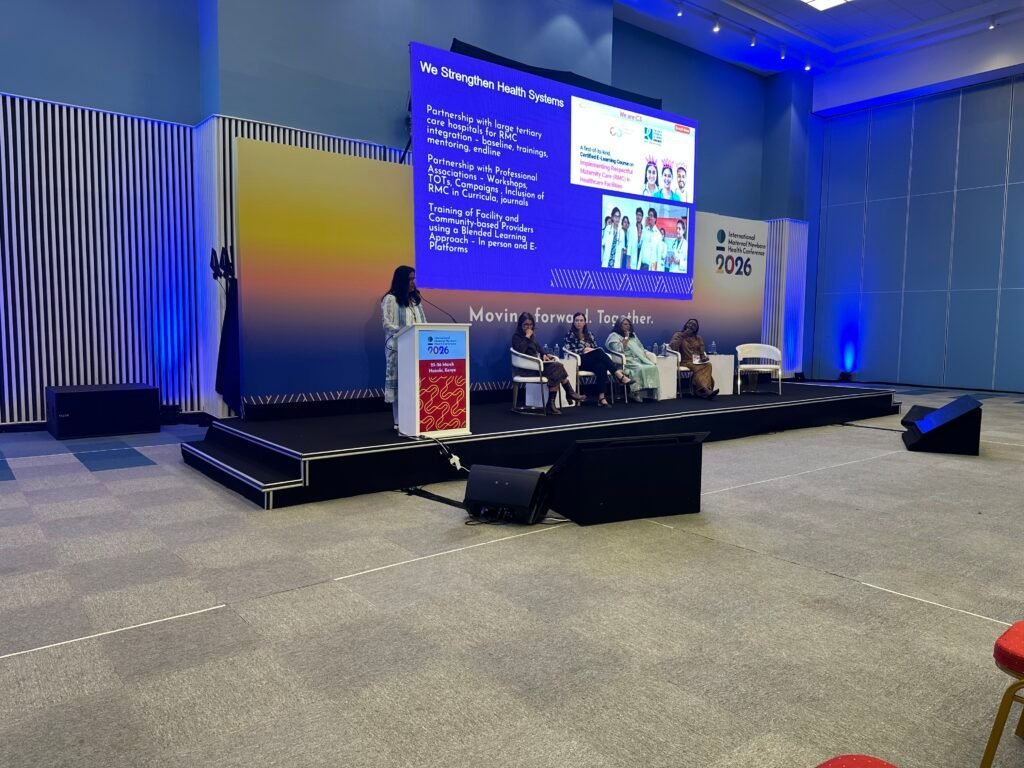
For Nigeria and other high-burden countries, this is critical. Maternal health services cannot be considered effective if women survive childbirth but experience neglect, abuse, humiliation, discrimination or poor communication. Respectful care must be treated as a core component of quality, not as an optional addition.
Financing and accountability must follow country priorities
Another strong takeaway from IMNHC 2026 was the need to realign funding and partnerships around country-led priorities. Many countries have strong policies and strategies, but financing remains fragmented, unpredictable and insufficiently aligned with national plans. In the face of declining external aid, IMNHC conversations also highlighted the need for stronger domestic resource mobilisation.
For Nigeria, maternal and newborn health cannot remain dependent on short-term projects. It must be built into federal and state budgets, health insurance benefit packages, procurement plans, primary health care financing and facility-level quality improvement systems. State health insurance schemes, public-private partnerships and domestic financing mechanisms should be used not only to expand access, but to pay for quality and outcomes.
Accountability also emerged as a critical gap. Commitments must be tracked, data must be used, and funding must follow priorities. Facilities must be supported and held accountable for quality, and women and communities must have channels to report poor care and demand better.
Data must move from reporting to action
Data should not only tell us what is happening; it should help us change it. Discussions at IMNHC 2026 made it unmistakably clear that maternal and newborn health data are abundant but underused. Too often, data are collected, reported and visualised, yet fail to influence the decisions that matter most for women and newborns.
The priority is not only better data, but better use of data. This means strengthening country capacity to analyse information, integrating fragmented data systems, and ensuring that insights inform policy, financing, procurement, supervision and service delivery.
In a session titled “Making Health Markets Work,”co-hosted by PharmAccess Foundation and Africa Health Business, speakers explored how data-driven, value-based care can improve maternal and newborn health outcomes. A case study from Lagos, Nigeria, illustrated how this can work in practice through collaboration involving PharmAccess Foundation,mDoc and the Lagos State Health Management Agency.
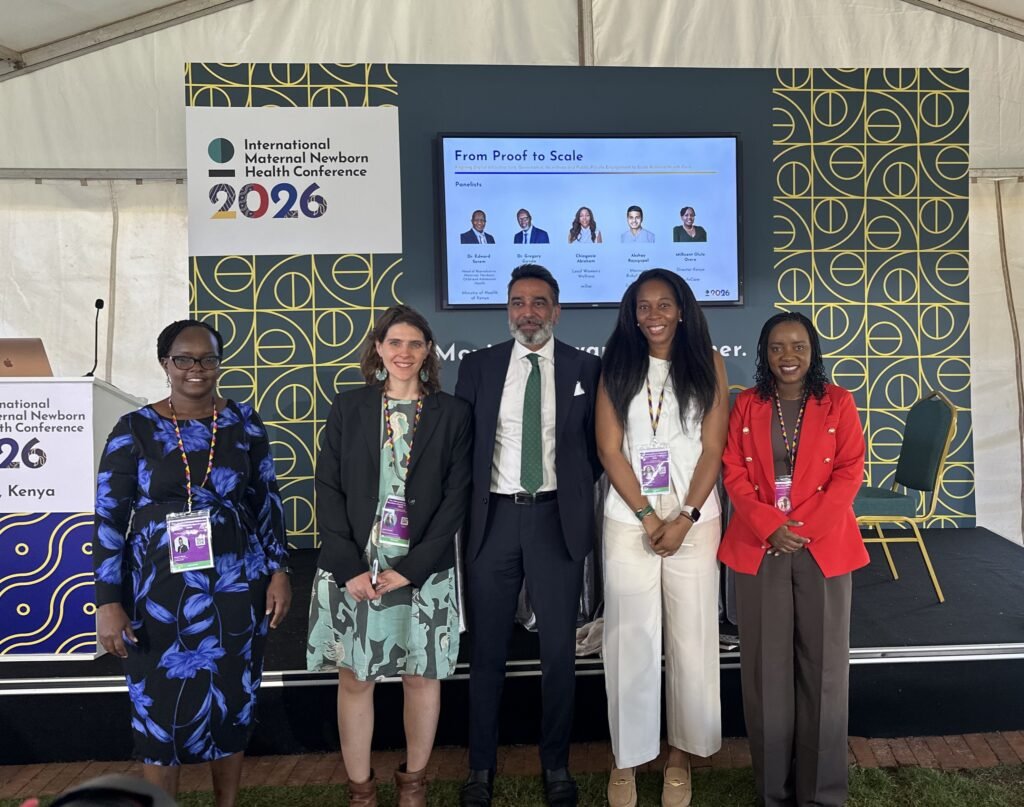
The MomCare modellinks financing to quality and outcomes, with the aim of improving clinical care, continuity and accountability. In Lagos, MomCare partners with LASHMA, mDoc and Ingress Health Partners to make quality maternity care more transparent and reliable.
Digital platforms such as mDoc’s CompleteHealth™provide virtual coaching, patient engagement and care navigation, supporting women beyond facility visits. What makes the model promising is its ability to connect data across patients, providers and payers, creating a feedback loop in which information can be used to improve care.
From dialogue to delivery
The value of IMNHC 2026 will come from what countries, partners and institutions do next. For the conference not to become another global convening remembered for dialogue, not delivery, that means whatever follows has to be practical and measurable.
For Nigeria, this means asking hard but necessary questions:
- Are proven PPH interventions available where women give birth?
- Are health workers trained, supported and supervised to deliver quality maternal and newborn care?
- Are state health insurance schemes paying for quality or only reimbursing services?
- Are women treated with dignity?
- Are maternal and perinatal deaths reviewed and acted upon?
- Are data being used to change decisions, budgets and practice
The global maternal and newborn health community does not need to wait for 2030 to know what is at stake. Every preventable death is a reminder that evidence alone does not save lives; delivery does.
As the world looks towards 2030 maternal and newborn health targets, the challenge is no longer only to generate evidence, but to ensure that proven solutions reach every woman and every newborn, everywhere.
Leave a Comment
Your email address will not be published. Required fields are marked *