
Curated Conversations: Moji Makanjuola on Building Public Trust Through Health Journalism
Related Stories

Public trust in health systems is established when people receive clear, consistent, and credible information from trusted voices, not just from policy documents. It is built when communities understand what a health intervention means for them, why it matters, where to access services, and what questions to ask when promises are made.
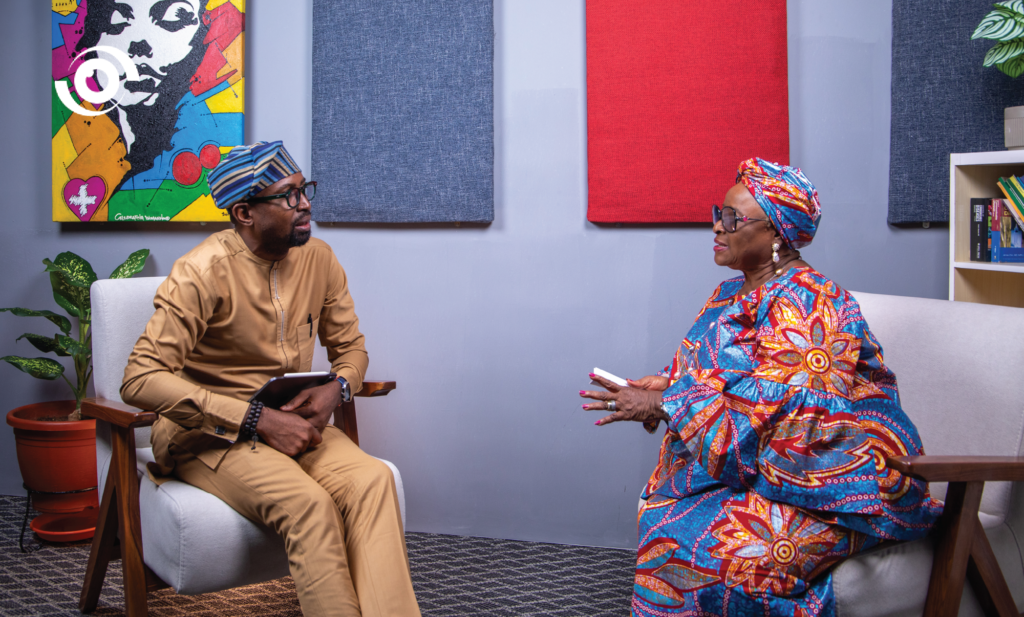
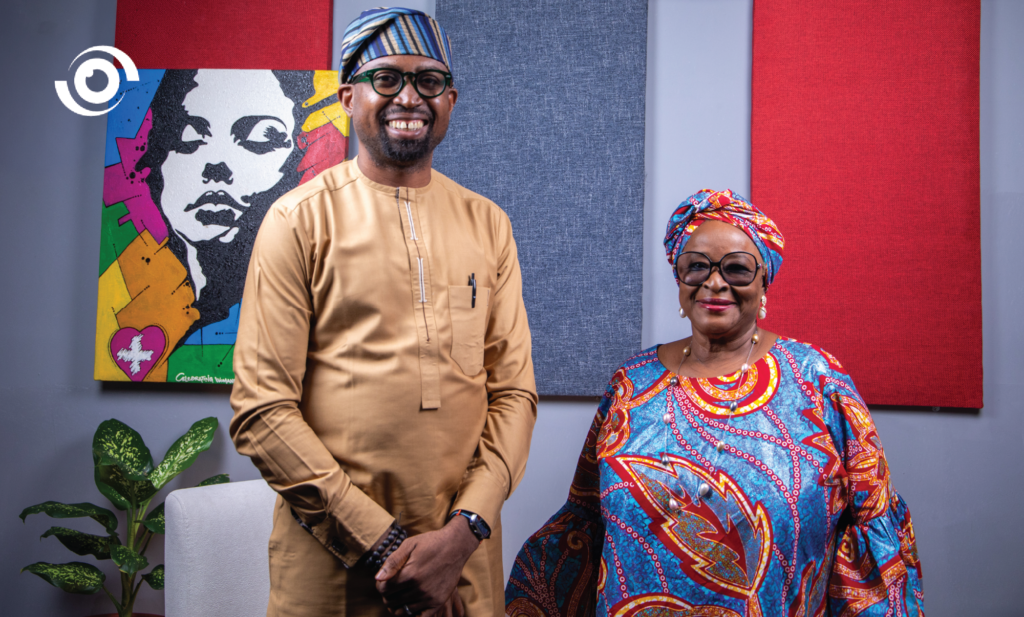
For Chief Mrs Moji Makanjuola, MFR, fondly known as “Aunty Moji”, Founder and Executive Director of the International Society of Media in Public Health (ISMPH), this lesson has shaped decades of work in journalism, public health communication, and advocacy. “If we are consistent with what we do [as health communicators],” she said, “believability will grow.”
In the latest edition of Nigeria Health Watch’s Curated Conversations, titled “On Health Journalism and Media’s Role in Saving Lives,” Mrs Makanjuola reflected on her extensive career in broadcast journalism, health advocacy, and public communication.
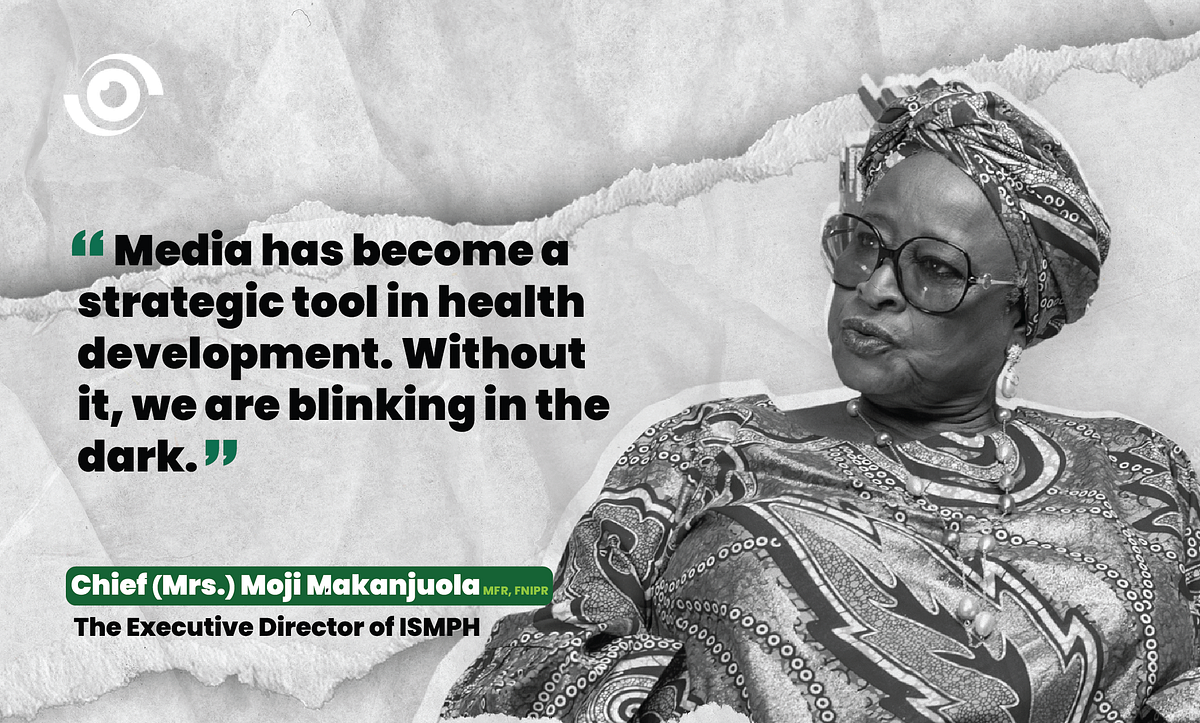
From her early work at the Health and Gender Desk of the Nigerian Television Authority (NTA) to her role in strengthening links between media and public health institutions, her message was clear. “Media has become a strategic tool in health development,” she said. “Without it, we are blinking in the dark.” Indeed, health communication is not separate from health delivery.
Health reporting begins with people
For Chief Mrs Makanjuola, health journalism was not an accidental career choice. It was influenced by personal loss and her perception of a gap in Nigeria’s health system. She recalled losing her mother after a road accident, at a time when emergency response and diagnostic capacity were not strong enough to quickly identify and treat internal injuries. That experience, she said, deepened her passion for health reporting and gave her a reason to use “my pen and my microphone and, of course, the camera” to highlight the need for better services, especially in tertiary institutions.
That personal story matters because it explains the urgency of her work. Health journalism is not just about reporting hospitals, medicines, epidemics or government announcements. It focuses on people whose lives are impacted by the strength or weakness of the health system. It concerns the pregnant woman needing antenatal care, the child requiring immunisation, the family trying to understand health insurance, and the community seeking reliable information before fear and rumours spread.
Communication is part of health system delivery
Public health efforts do not end when policies are drafted, vaccines are procured, or facilities are commissioned. They only become effective when people understand, trust, and can act on them.
This is why risk communication and community engagement are now essential for emergency preparedness and response. During outbreaks, misinformation and confusion can weaken public health efforts. In routine programmes, fear, language barriers, distrust, and poor access to information can prevent people from using services designed to protect them.
Mrs Makanjuola’s career shows why this is important. She recalled working closely with the late Professor Olikoye Ransome-Kuti and going into communities during immunisation campaigns. “I watched immunisation coverage increase [in communities] as I went to the field, spoke to the people, and met them where they were,” she explained.
Meeting people where they are remains one of the most important principles in health communication. Nigeria has seen moments where public understanding was central to the response, including the 2014 Ebola outbreak, the COVID-19 response, polio eradication campaigns, vaccine confidence campaigns, maternal and child health programmes, health insurance expansion, and the ongoing primary healthcare restructuring. In each case, people needed more than technical explanations; they needed clear, reliable information, shared in language they could understand, by familiar voices they trusted.
Storytelling can bring issues to the forefront
For Mrs Makanjuola, storytelling helps make health systems visible to the people they serve. It is through stories that policies and health interventions become real and relevant to everyday lives. Stories can bring neglected issues from the margins into the national conversation, helping communities, policymakers, and funders see the people behind the statistics and understand the gaps that routine announcements often overlook.
Reflecting on stories she produced about sickle cell disease and locally driven pharmaceutical research, she said, “we spoke about it… and the media took it up.” That is the value of responsible health journalism. It does not sensationalise illness. It explains the issue, shows what is working, identifies what is failing, names who is affected, and asks what must change.
This is especially important in a country where people often encounter the health system in moments of fear, cost, delay, or uncertainty. A policy may be technically sound, but if communities do not understand, believe, or see how it connects to their lives, implementation will remain weak.
Health journalism must go beyond events
One of Mrs Makanjuola’s strongest points was the difference between event reporting and health reporting. “Event reporters cover press conferences and policy launches. Health correspondents understand what those events mean, what they leave out, and what questions to ask next,” she explained.
That distinction is important for Nigeria’s health sector. A new hospital announcement should not end with a ribbon-cutting story alone. A serious health journalist should ask who will staff the facility, whether medicines will be available, if the laboratory will operate, whether oxygen supplies will be secured, health workers will be paid, patients can afford care, and if people can physically reach the facility when needed.
The same applies to health insurance, primary healthcare funding, immunisation, outbreak preparedness, and maternal health. The journalist’s role is not just to repeat official statements; it is to help the public understand whether promises are translating into real services.
Mrs Makanjuola was clear that the gap is not only about talent. It is a gap in knowledge, curiosity, and commitment. “A lot of journalists are not conversant with the [public health] issues. Some journalists do not track events, do not do follow-ups, and that’s a big, big gap,” she said.
That gap has consequences. Without health-literate journalists, public debate becomes shallow, policy announcements are reported without proper scrutiny, and communities are left without answers. Health systems also lose one of their most important sources of public accountability.
The polio lesson
Mrs Makanjuola’s reflections on polio showed what informed journalism can achieve when public health is challenged. During the polio crisis of the early 2000s, when vaccination was suspended in parts of northern Nigeria due to safety fears and political and religious concerns, she recalled travelling with a fact-finding delegation to South Africa, Indonesia, and India. She studied vaccine production, asked questions, and sought to understand how a vial of oral polio vaccine functions in a child’s body.
That level of preparation matters. It is the difference between reporting a controversy and understanding it well enough to help the public make sense of it. In Nigeria, she said the team presented their findings to state governors. Among them was the then Katsina State Governor, Umaru Musa Yar’Adua, who issued an immediate executive order that every child in every ward of the state should be immunised against polio.
“For me, those are moments in my life that you cannot convince me to say media has no place,” Mrs Makanjuola said. The lesson remains relevant. Informed journalism can help close the gap between evidence and public action. It can challenge fear with facts, translate science into public understanding, and push leaders to act when lives are at risk.
The next generation must follow the promise
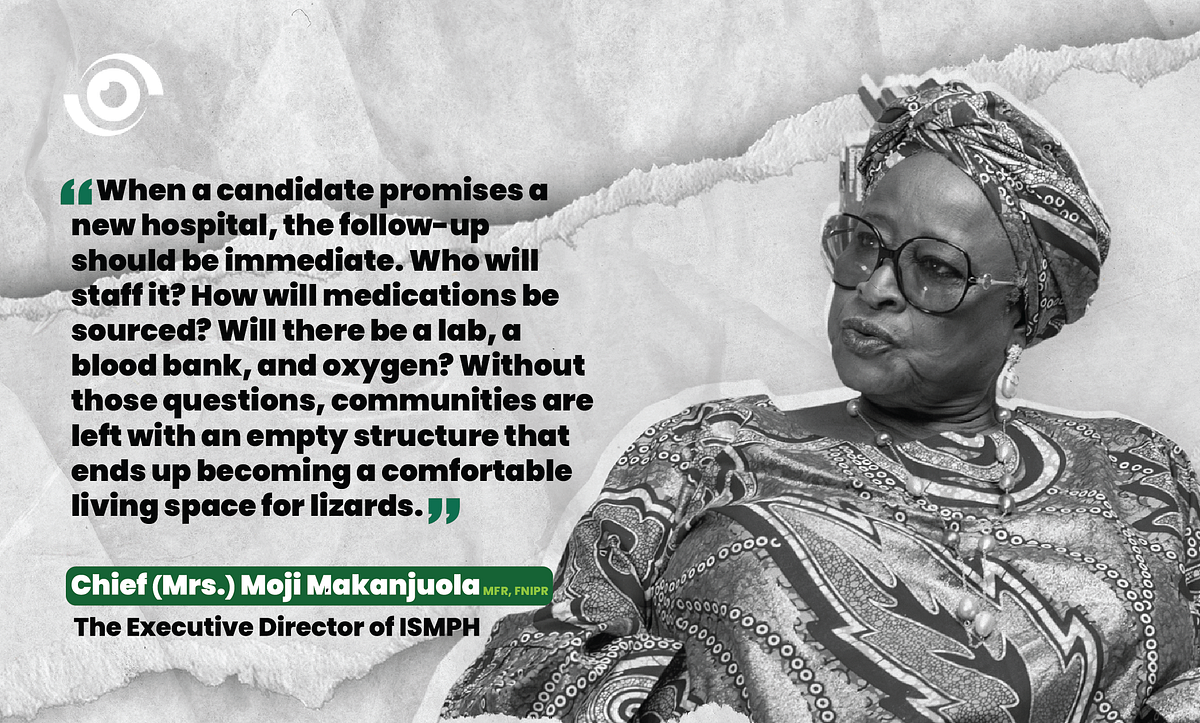
Mrs Makanjuola hopes that the next generation of health journalists will be better trained, more courageous, and more dedicated to follow-up. Her message is especially timely as Nigeria embarks on another electoral cycle. “When a candidate promises a new hospital, the follow-up should be immediate. Who will staff it? How will medications be sourced? Will there be a lab, a blood bank, and oxygen? Without those questions, communities are left with an empty structure that ends up becoming a comfortable living space for lizards.”
This is the kind of journalism Nigeria needs before, during, and after elections. Health promises should be tested against budgets, workforce plans, supply chains, service readiness, access, equity, and sustainability. If a candidate promises free healthcare, journalists should ask who will fund it.
If a government announces health insurance expansion, journalists should ask who is enrolled, who is excluded, and whether vulnerable groups can access care. If funds are released to primary healthcare facilities, journalists should ask which facilities received them, what changed, and whether patients have noticed any improvement.
Health information must speak the people’s language
Mrs Makanjuola also called for increased health reporting in Nigerian languages, especially for communities often excluded from technical health discussions. She recalled visiting a community in India where maternal mortality was discussed at a town hall entirely in the local language. Because everyone could follow the conversation, everyone could participate. “That is what advocacy looks like when everyone can follow the conversation,” she said.
This is a health equity issue. A message that people cannot understand is not an effective public health message. Communication must be accessible to those whose lives and choices are affected by health policies. As Mrs Makanjuola put it, “health is everybody’s business.” It should not be limited to doctors, nurses, pharmacists, laboratory scientists or policymakers. Communities need to understand health issues well enough to act, ask questions and demand better.
Health journalism as accountability
Mrs Makanjuola’s main message is that health must be treated as a top priority for national development, not as a side issue. That requires investment in services, infrastructure, workforce, financing, and public communication. It also requires a press that understands the health system well enough to ask better questions, explain complex issues clearly, and follow stories after the press conference has ended.
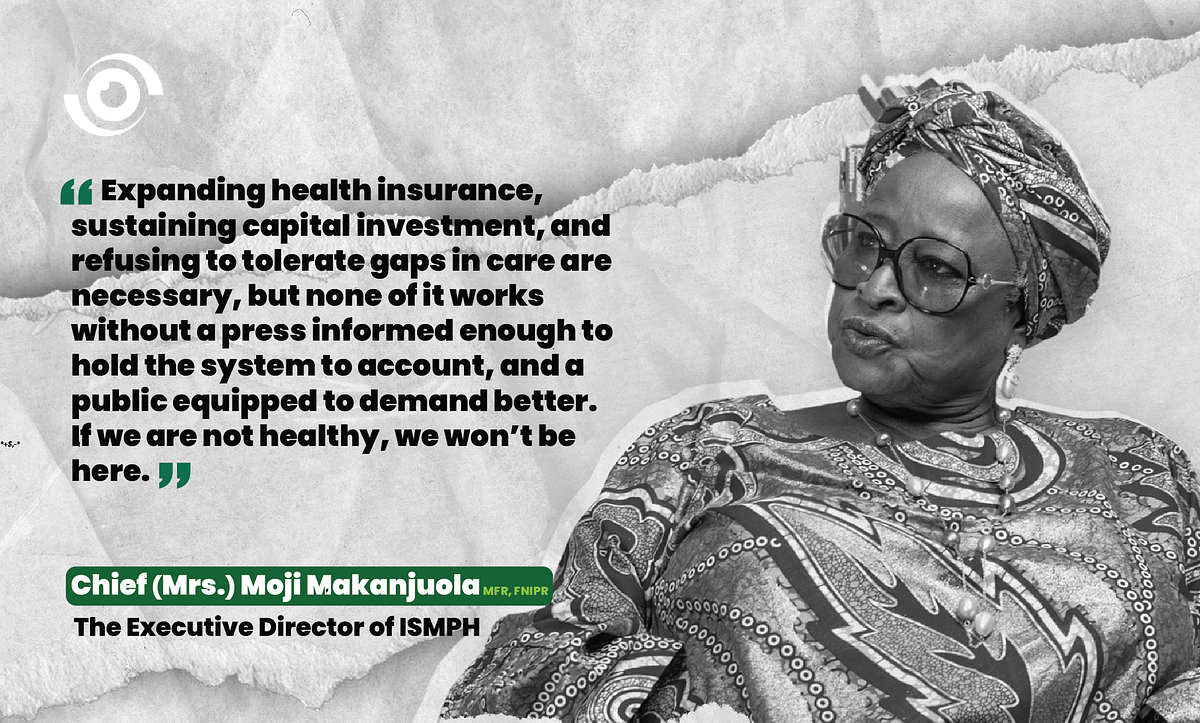
“Expanding health insurance, sustaining capital investment, and refusing to tolerate gaps in care are necessary,” she said, “but none of it works without a press informed enough to hold the system to account, and a public equipped to demand better. If we are not healthy, we won’t be here.”
Her career poses a clear challenge to public health journalism and communication in Nigeria. Health reporting must move from mere coverage to accountability, from visibility to understanding, and from occasional attention to consistent public-interest journalism.
As global conversations increasingly recognise access to quality health information as a public health priority, health information must be clear and trusted. When it is, it does more than inform. It enables people to be better informed, make sense of health risks, act on reliable advice and save lives.
Leave a Comment
Your email address will not be published. Required fields are marked *