

How the Enable Study Is Building Clinical Trial Capacity and Epidemic Readiness in Bauchi State
Related Stories

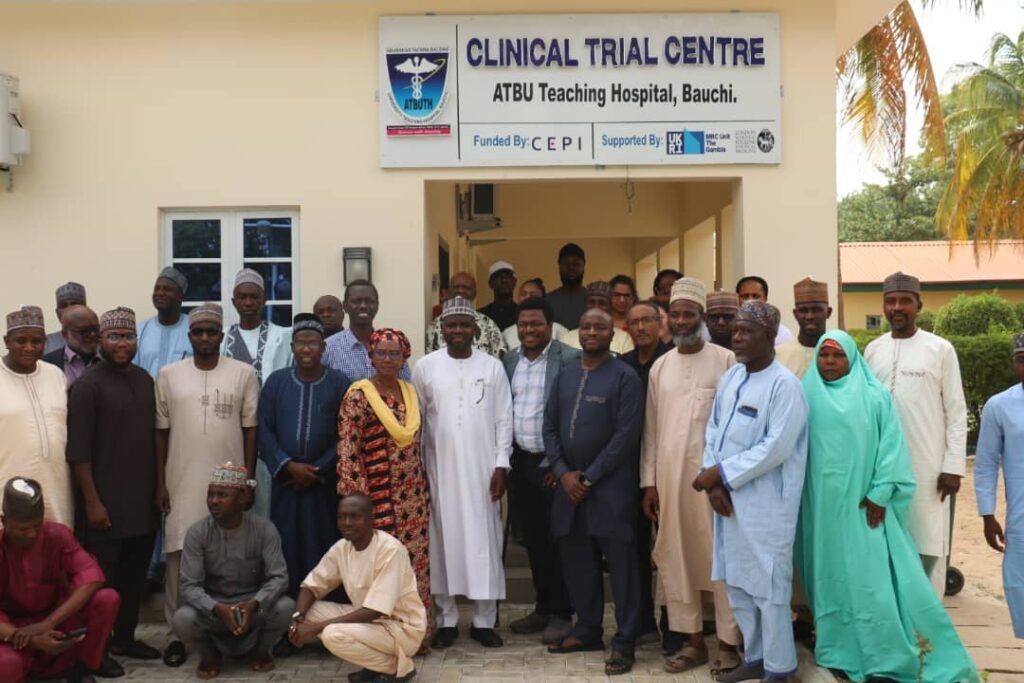
Lassa fever remains a persistent regional threat
For over fifty years, Lassa fever has remained one of West Africa’s most persistent epidemic threats. First identified in Nigeria in 1969, the disease is now endemic across countries in the region, including Nigeria, Liberia, Sierra Leone, Guinea, Benin, Ghana and Mali. Yet, despite its growing public health burden, there is still no licensed vaccine to prevent it.
In the absence of a vaccine, endemic countries have relied on early detection, supportive care, infection prevention and control (IPC), community awareness, and safe case management to reduce the impact of outbreaks. These measures are essential, but they are often weakest in the same communities where Lassa fever risk is highest, particularly in settings with limited access to healthcare and diagnostics. Surveillance systems also remain limited in many of these settings.
Part of what makes Lassa fever especially difficult to control is that it can be hard to recognise . Many infections are mild or asymptomatic, and when symptoms do appear, they can resemble those of malaria, typhoid fever, and other common febrile illnesses. Delayed diagnosis can allow outbreaks to spread undetected, increasing the risks for communities and frontline health workers.
Vaccine development and regional preparedness
This is why the momentum around Lassa fever research and development matters. Across West Africa, efforts are accelerating to strengthen clinical research capacity, improve surveillance and diagnostics, and advance vaccine development as part of broader epidemic preparedness.
A leading Lassa fever vaccine candidate, IAVI’s rVSVΔG-LASV-GPC, is now in Phase II trials across Nigeria, Sierra Leone, and Ghana, making it one of the most advanced Lassa fever vaccine candidates in clinical development. It forms part of a broader CEPI-supported portfolio of Lassa fever vaccine candidates.
At the same time, West African health ministers have committed to strengthening the funding, regulatory, laboratory, clinical trial, and community systems needed to support vaccine development to licensure and future access. This system strengthening is critical to building the infrastructure required for eventual vaccine deployment.
From vaccine development to delivery readiness
The focus is no longer only about developing a Lassa fever vaccine; it is also on whether the systems and communities that will support, test, trust, and ultimately receive the vaccine are ready. This is reflected in the CEPI-funded Enable 1.5 study, which is generating safety and immune response data for Lassa vaccine candidates in West African populations. Its expansion to Abubakar Tafawa Balewa University Teaching Hospital (ATBUTH) in Bauchi State continues efforts to generate evidence in real-world, endemic settings to inform future licensure and access decisions.
Enable is the largest-ever Lassa fever research programme in West Africa, designed to generate the population-level evidence to support future vaccine development and delivery. Enable 1.5 is now enrolling 1,000 participants in Bauchi for 12 months, adding the state to a regional research network that already includes sites in Nigeria, Liberia and Sierra Leone.

Bauchi is more than a Lassa Fever hotspot
Beyond generating data, Bauchi is also revealing the operational realities that will shape whether future Lassa fever vaccines are trusted, accepted, and delivered. Since 2022, the state has recorded some of Nigeria’s highest Lassa fever case numbers and currently accounts for 26% of national cases.
Bauchi was among four Nigerian states selected to strengthen clinical trial infrastructure under the ARC-WA project supported by CEPI and partners. At Abubakar Tafawa Balewa University Teaching Hospital (ATBUTH), these investments are supporting progress towards the trial readiness required for future late-stage vaccine studies.
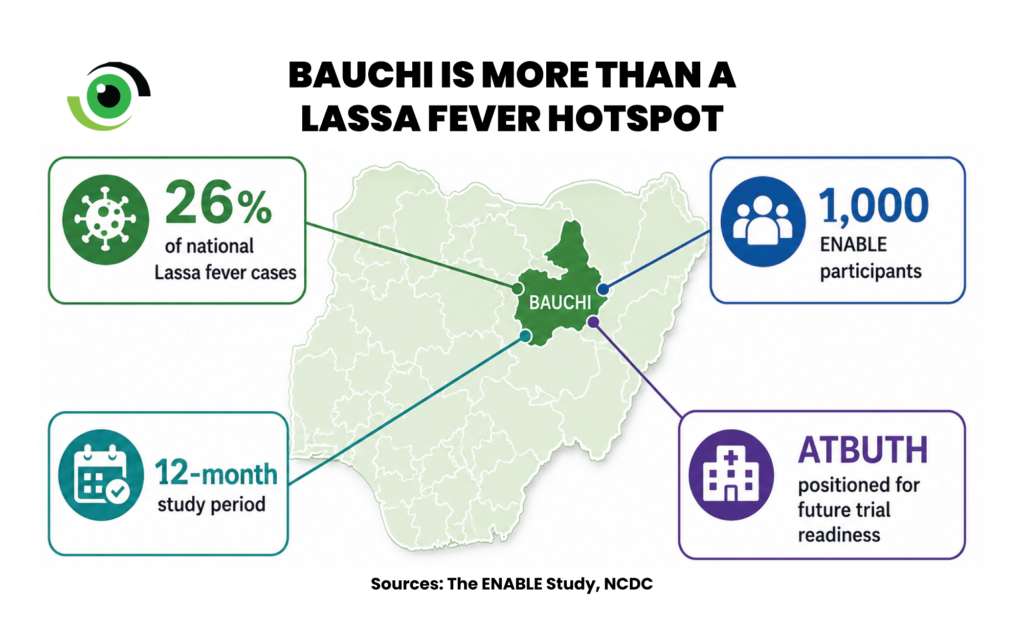
The expansion of the CEPI-funded Enable study in Bauchi builds on this foundation, placing ATBUTH within a growing regional network of sites strengthening clinical trial capacity and epidemic preparedness. This work continues even alongside ongoing outbreak response, reflecting the need to build readiness within current conditions where Lassa fever remains active.
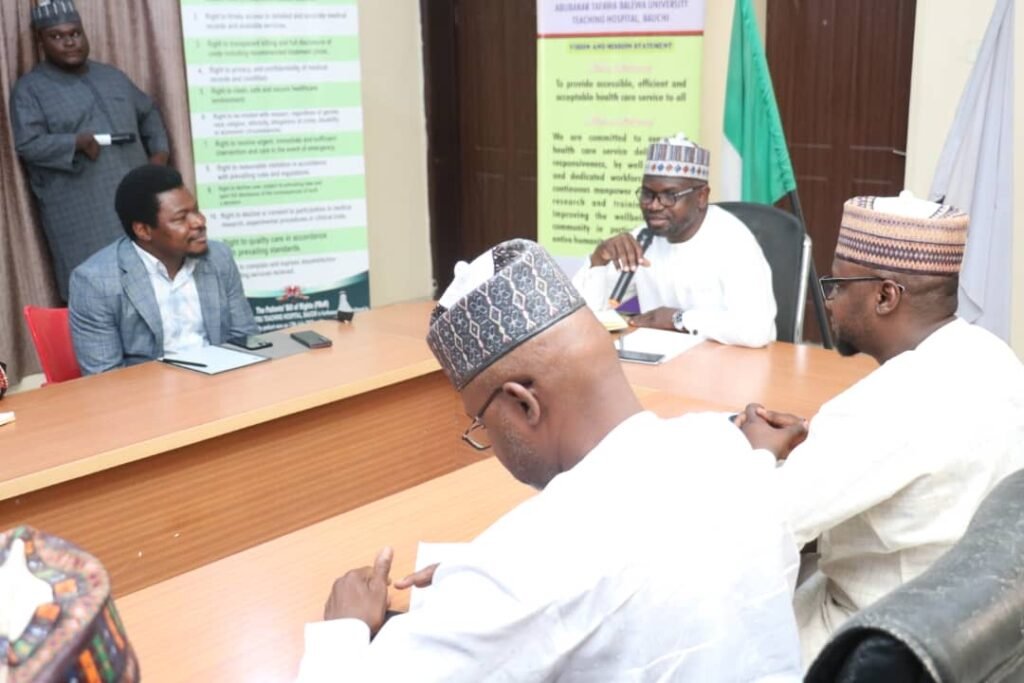
For Dr Yusuf Jibrin, ATBUTH’s Chief Medical Director and Principal Investigator for Enable in Bauchi, the value of the study extends beyond data alone. “Research must go beyond academics and directly improve patient care and healthcare delivery in our communities,” he said.
This matters in a context where late presentation, low awareness, financial barriers, and limited access to care can turn a treatable condition into a fatal delay. For Dr Jibrin, the relationships built through ENABLE are also significant. “People respond better when they are listened to, respected, and properly informed,” he noted.
Vaccine readiness must include frontline workers and communities
Bauchi’s progress is unfolding within a health system already under pressure. The same health workers expected to detect cases, support research, and prepare for future vaccine delivery are also those at occupational risk.
Person-to-person transmission can occur in healthcare settings where IPC measures are inadequate, while health workers are at risk when caring for Lassa fever patients without appropriate protection.
This highlights the importance of protecting health workers as part of vaccine readiness. A future Lassa fever vaccine strategy must prioritise protecting frontline health workers, including triage systems, personal protective equipment (PPE), IPC training, safe sample handling, clear referral pathways, laboratory capacity, and sustained support for designated treatment centres.
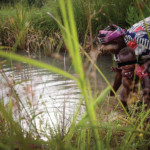
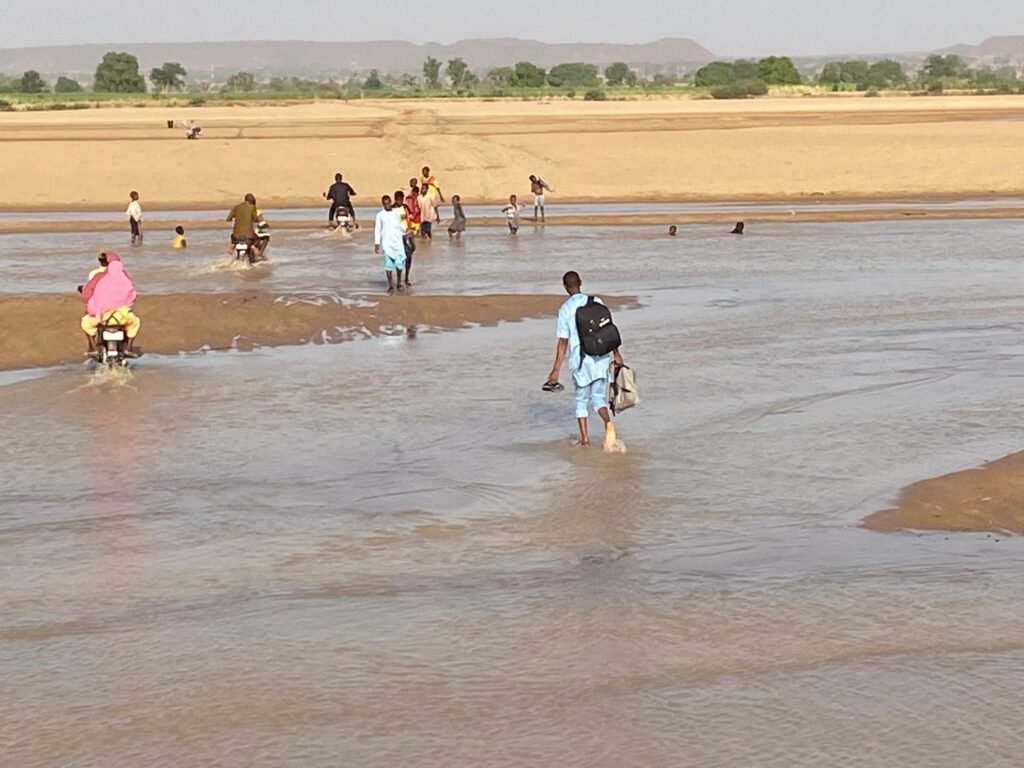
The access challenge is equally significant. In Guyaba, a community in Kirfi Local Government Area and one of the Enable participating sites, field teams have already had to switch from using vehicles to motorbikes to complete participant recruitment. As water levels rise, they may need canoes for follow-up visits.
These last-mile realities influence whether research participants are retained, whether suspected cases are detected early, and whether a future vaccine can reach those most at risk. They also highlight how logistics and access constraints can shape the effectiveness of surveillance and research. Eventual delivery of vaccines in outbreak-prone settings will depend heavily on how these barriers are addressed.
Nigeria has about 2.2 million unvaccinated children, the highest number in Africa and among the highest globally, with many living in hard-to-reach areas, border communities and informal urban settlements. In Bauchi, data-driven, community-led vaccination efforts are working to reach zero-dose children through integrated outreach and primary healthcare systems.
The same systems that struggle to reach zero-dose children may also be expected to deliver a future Lassa fever vaccine. Preparedness for Lassa fever, therefore, needs to align with Nigeria’s broader efforts in primary healthcare, routine immunisation, community engagement, and last-mile delivery.
Trust is infrastructure and Bauchi is building it
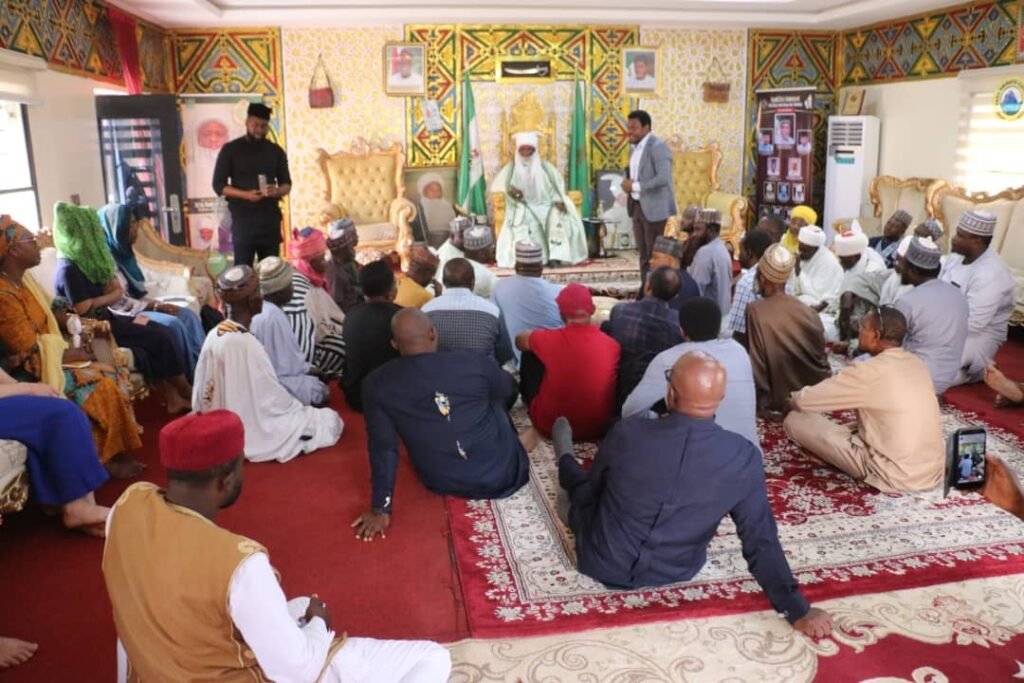
To assess Bauchi State’s readiness ahead of the Enable study , a joint team from CEPI, NCDC and partners, including the International Vaccine Institute (IVI) Medical Research Council Unit, The Gambia, Epicentre and MMACRO, visited the clinical trial
Dr Emmanuel Oga, CEPI’s Senior Epidemiologist and Enable Programme Lead, noted that “the communities were very curious about Lassa fever,” pointing to questions asked about which rats carry the disease and whether reinfection is possible. These interactions highlight that communities are active participants in shaping understanding of risk, reinforcing the importance of ensuring that the design of research and communication responds to their concerns.
Dr Oga also pointed to another signal of local ownership in the state. Bauchi’s Community Advisory Board is chaired by an Emir. “A man with such societal standing willing to participate in the study and monthly meetings demonstrates a commitment to Lassa fever prevention and treatment in Bauchi, which will be very important for Enable and other future studies,” he said.
In northern Nigeria, where traditional and religious leaders play a key role in shaping community responses to public health interventions, this level of leadership engagement strengthens the legitimacy of Enable, complementing sensitisation efforts and supporting trust in the study.


The real test is what happens when the project ends
For Elsie Ilori, National Coordinator for the Enable Programme in Nigeria, “every Nigerian Enable site has contributed something important to how we understand and respond to Lassa fever. Bauchi already has important foundations in place. What matters now is ensuring that those investments become lasting assets for Nigeria’s health security.”
This aligns broader regional commitment made in Abidjan in 2025, where ECOWAS health ministers, WAHO, CEPI, IAVI, Africa CDC, and other partners described Lassa fever vaccine readiness as a test of West Africa’s capacity to finance, regulate, and sustain its preparedness agenda. The communiqué from that meeting highlighted key capacities for vaccine readiness, including trained personnel, laboratory and clinical trial infrastructure, cold chain systems, regulatory processes and community engagement.

If the hub-and-spoke model proposed under ARC-WA is fully realised, Enable sites such as ATBUTH could evolve into regional centres for clinical trials, surveillance, and epidemic preparedness, supported by coordinated partnerships among CEPI, Africa CDC, WAHO, the International Vaccines Institute and Medical Research Centre, The Gambia, national governments, and local institutions..
However, this outcome will not happen automatically. It will require sustained domestic investment, state-level ownership, protection for health workers, stronger laboratory systems, improved data systems, community trust, and a link between Lassa fever preparedness and Nigeria’s broader primary healthcare and immunisation reforms.
Leave a Comment
Your email address will not be published. Required fields are marked *