

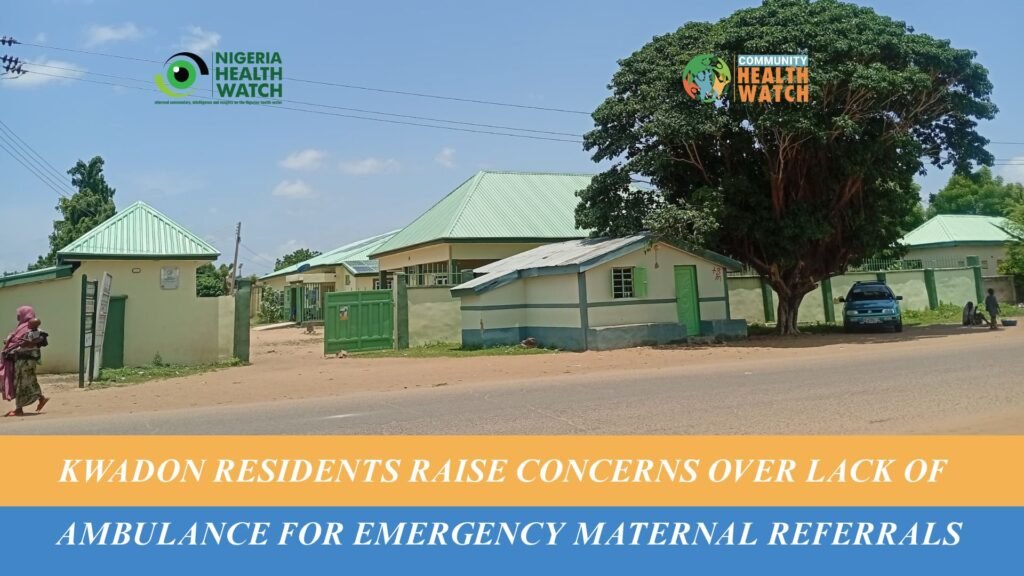
Kwadon Residents Raise Concerns Over Lack of Ambulance for Emergency Maternal Referrals
Related Stories



Juliana Pius Birma
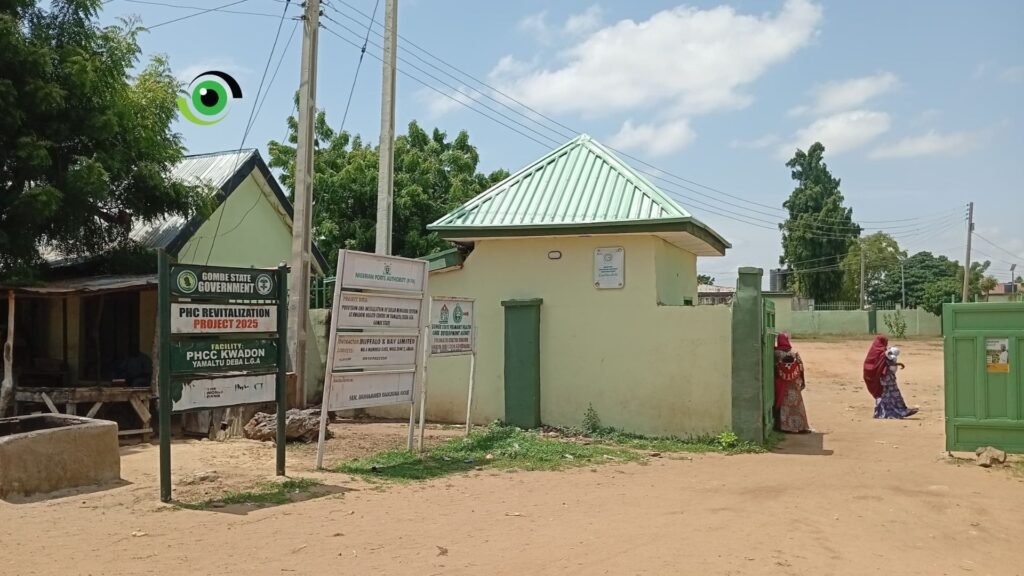
A pregnant woman’s survival should not depend on finding a commercial tricycle during a medical emergency. At Kwadon Primary Healthcare Centre (PHC) in Yamaltu/Deba Local Government Area (LGA) of Gombe State, the lack of a dedicated ambulance exposes pregnant women to potentially life-threatening delays when complications arise.
The Kwandon PHC facility, a level 2 PHC, provides antenatal care but has significant limitations in managing obstetric emergencies. It has no surgical theatre, blood bank or capacity to perform emergency surgery. When complications require specialised intervention, patients must be referred to a secondary health facility.
“Anytime a routine case turns into an emergency, our hearts sink,” a health worker, Rayanatu Adamu, shared. “We stabilise them as best as we can, but watching a mother pushed out on a motorbike or keke when every minute counts is agonising. You just pray she gets there alive.”
This challenge became evident when a woman in her final month of pregnancy arrived at the facility with elevated blood pressure, indicating severe pre-eclampsia. Although the midwives on duty attempted to stabilise her, they could not provide the emergency intervention she needed. Her family had to negotiate for a commercial tricycle to transport her to the General Hospital, exposing her to heat, dust, and road bumps along the journey.
Although the woman survived, her experience highlights the risks facing pregnant women when emergency referral systems are inadequate. It also places additional pressure on healthcare workers whose efforts to provide care can be undermined by the absence of essential transport logistics.
The Nigeria Health Sector Renewal Investment Initiative (NHSRII) prioritises equitable access to quality healthcare and stronger health-system capacity. However, communities like Kwadon need functional referral systems to translate these commitments into safer maternal healthcare.

The Gombe State Ministry of Health, Yamaltu/Deba LGA leadership and relevant health authorities must:
- Provide Kwadon PHC with a functional, dedicated emergency referral ambulance.
- Ensure reliable emergency transport arrangements and supporting logistics.
- Strengthen facility capacity for timely stabilisation and referral of obstetric emergencies.
For mothers in Kwadon, a functional ambulance could make the difference between a timely referral and a preventable tragedy.
Leave a Comment
Your email address will not be published. Required fields are marked *