

Furanni Equips Women in Kano’s Ghari Community to Recognise Prolonged Labour and Seek Timely Care
Related Stories
Revitalised Ungwan Dosa PHC Still Faces Access Gaps
Sep 24, 2026

Hadiza Musa
For pregnant women, recognising the warning signs of complications and seeking medical attention early can mean the difference between life and death. Yet, knowing when to seek care remains an important challenge in preventing maternal and newborn deaths.
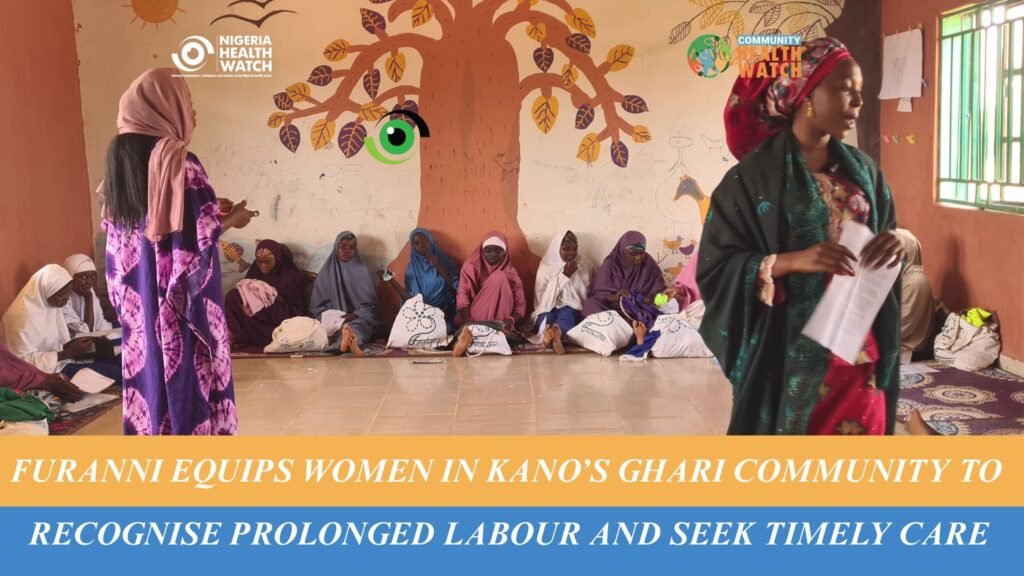
In Ghari Local Government Area (LGA) of Kano State, the Furanni programme is helping women bridge this knowledge gap through community-based learning that teaches them to identify pregnancy danger signs, understand the importance of antenatal care (ANC) and seek timely referrals to health facilities, through art-based learnings.
Organised on 23 August 2026 by Nigeria Health Watch in partnership with the Five Cowries Art Education Initiative, the programme aims to equip women with practical knowledge to make informed decisions about their health and that of their babies.
For Amina Mukhtar Umar, a Furanni participant, the lessons have already influenced how she responds to health concerns in her community. “Before, I did not know much about prolonged labour. Now I know what it means and what should be done when labour starts,” she said.
Amina recounted encouraging a pregnant woman who was not attending ANC to begin visiting a health facility. In another instance, she advised a mother whose child had a fever to seek medical attention rather than continue administering herbs without knowing the cause of the illness “When they went to the hospital, they were asked to do some tests and she [the child] was given medication. She is now well,” Amina said.
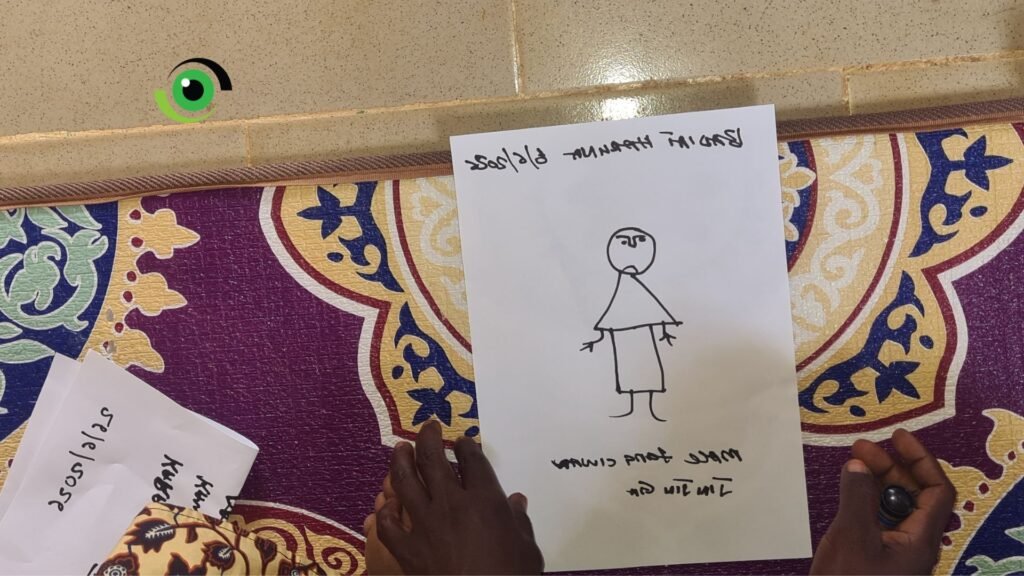
She further added that the training taught her to recognise bleeding during labour as an emergency requiring immediate medical attention.
Hajara Yunus, the Furanni hub facilitator in Ghari, said the session focused on understanding prolonged labour, it’s possible causes and the importance of seeking medical assistance promptly. She highlighted factors such as a baby’s position or size, difficulties during childbirth and inadequate antenatal monitoring as potential contributors to complications.
Hajara emphasised that regular ANC visits help health workers identify pregnancy-related risks and plan appropriate care. She also called on the government to equip health facilities with trained personnel and the resources required to manage childbirth complications, including functional referral arrangements for emergencies.
The lessons from Ghari are in line with the Nigeria Health Sector Renewal Investment Initiative (NHSRII), which prioritises stronger primary healthcare, community engagement and equitable access to quality health services.
To translate community knowledge into safer deliveries, policymakers and stakeholders should prioritise
- Strengthening emergency referral systems and improve transportation;
- Ensure health facilities have the skilled personnel and equipment needed to manage obstetric complications;
- Community organisations and residents should also continue support efforts to improve access to maternal healthcare.
According to Amina “women should seek skilled medical care when labour begins and follow health workers’ advice on when to go to a facility, rather than waiting for complications to develop.”
Early recognition and timely referral can help protect the lives of mothers and their babies.
Leave a Comment
Your email address will not be published. Required fields are marked *