

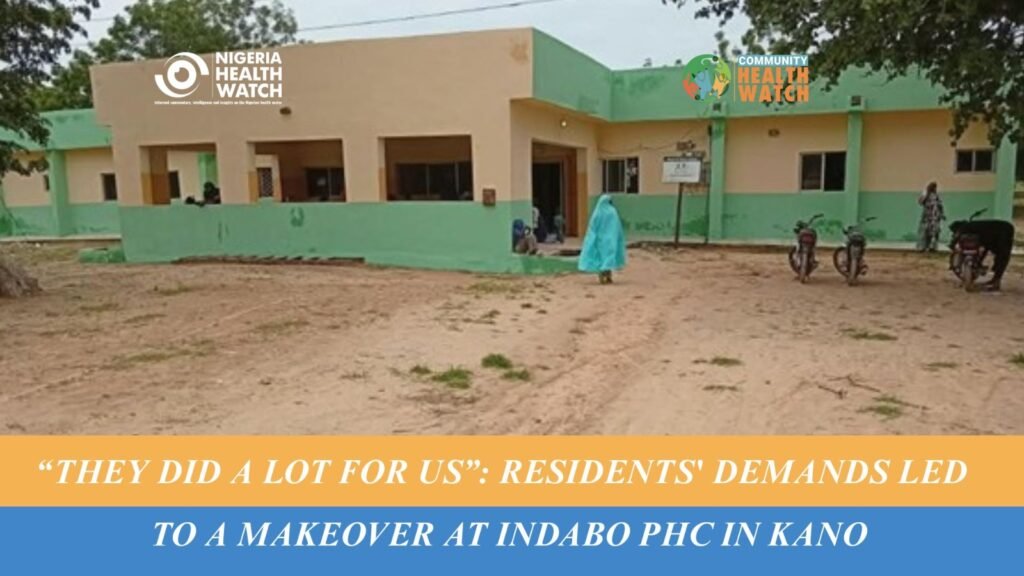
“They Did a Lot for Us”: Residents’ Demands Led to a Makeover at Indabo PHC in Kano
Related Stories

Revitalised Ungwan Dosa PHC Still Faces Access Gaps
Sep 24, 2026

Hadiza Musa
For years, residents of Indabo community in Wudil Local Government Area of Kano State have struggled to access quality healthcare at their Primary Healthcare Centre (PHC).
With dry taps, leaking roofs, broken doors, and poor sanitation, the facility has struggled to provide a safe and functional environment for patients. Staff shortages further compounded these challenges, leaving residents without access to round-the-clock healthcare services.
Following months of community advocacy, renovation work began at the facility in August 2026, marking progress in addressing longstanding infrastructure challenges. The improvements followed community engagement efforts led by Nigeria Health Watch in collaboration with the Akin Savvy Awareness Initiative.
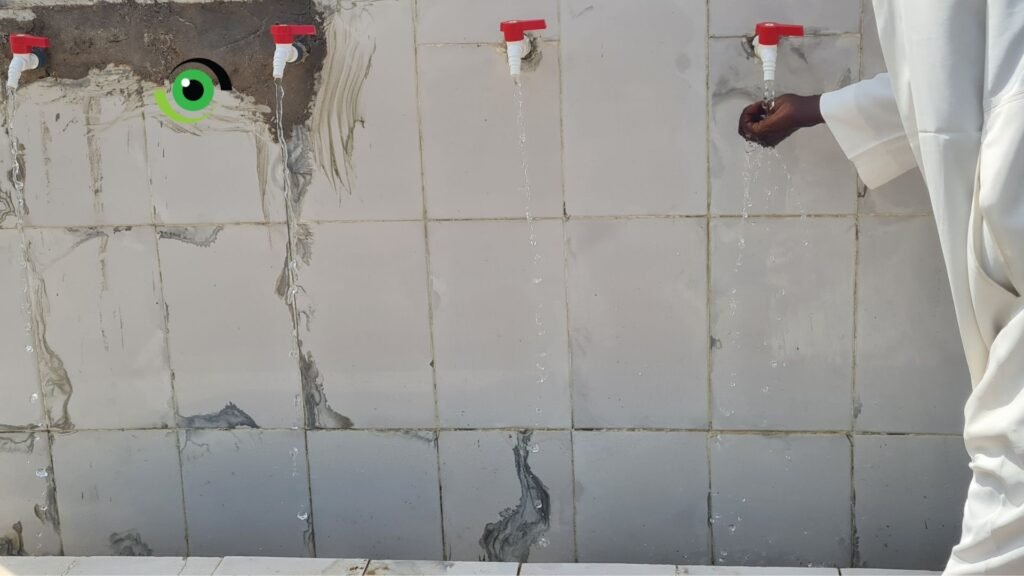
The Officer-in-Charge of the PHC, Ibrahim Sa’ad Abdullahi, described improved water access as a major change. “Honestly, they did a lot for us,” he said, explaining that a new borehole system with two pumps one, powered by electricity and the other by solar, now supplies water to the facility’s toilets, laboratory, handwashing points and other sections.
Using a community scorecard to identify healthcare gaps
At the first community meeting in January 2026, residents used a Community Scorecard to highlight inadequate water supply, poor sanitation, staff shortages and weak accountability as key barriers to accessing quality healthcare.
Three months later, residents renewed their demands during a follow-up town hall, calling for more health workers, improved toilets and a scanning machine.
The improvements include repaired roofs, replacement of damaged roofing sheets, metal doors and aluminium partitions in the laboratory, dry stores, and antenatal care section. The facility is also being repainted.
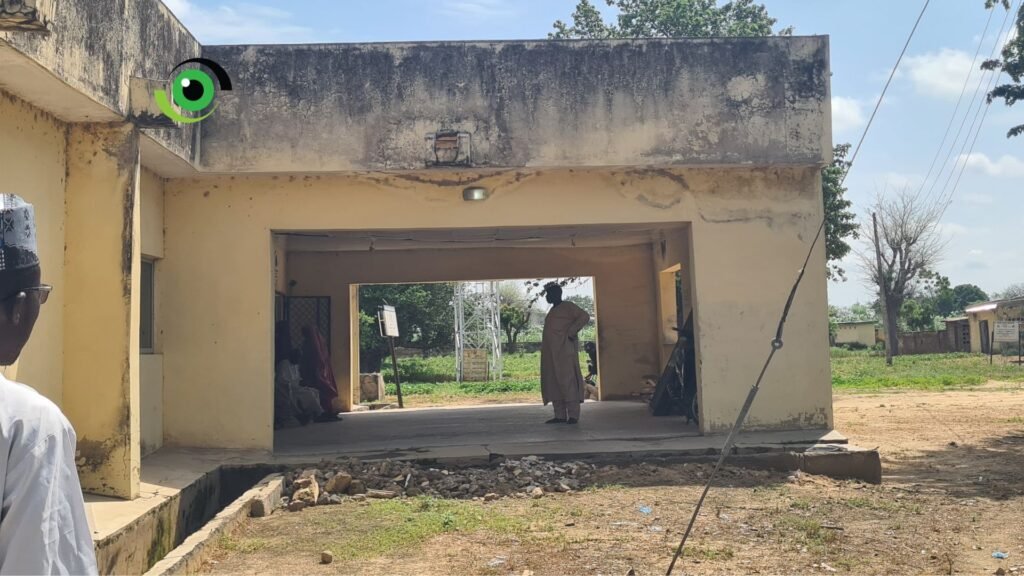
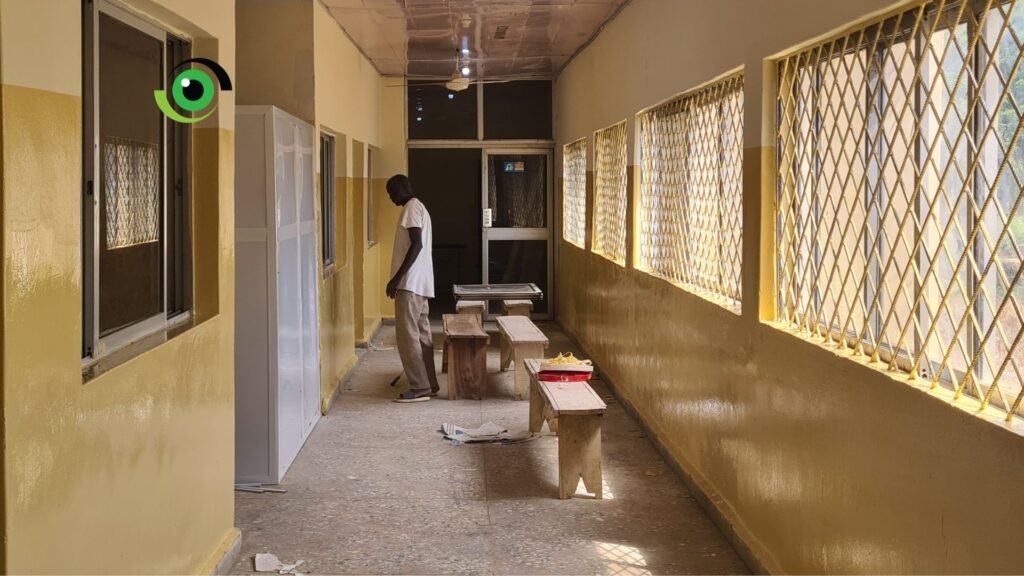
Sule Indabo, Chairman of the Ward Development Committee (WDC), said two new gates have improved security, while a toilet was added to the labour ward.
According to the Dagaci of Indabo, Saminu Abdullahi, Wudil Progressive Minds surveyed health facilities across the local government before identifying Indabo PHC for intervention.
The organisation approached the Nigeria Deposit Insurance Corporation (NDIC), which funded the renovation through its Corporate Social Responsibility programme. “The town hall meeting with Nigeria Health Watch helped in amplifying these issues, and thankfully, the change is happening,” Saminu said.
Despite these gains, staffing remains a major challenge. Abdullahi appealed for at least five additional workers, including nurses, Community Health Extension Workers (CHEWs), a midwife and a laboratory technician. The facility also needs a scanning machine to reduce the need for patients to seek diagnostic services elsewhere.
The improvements align with Nigeria’s Health Sector Renewal Investment Initiative (NHSRII), which prioritises stronger primary healthcare. However, renovated infrastructure alone cannot guarantee round-the-clock care.
The policymakers and relevant stakeholders should therefore:
- Deploy additional health workers to support 24-hour services.
- Provide a scanning machine to strengthen diagnostic capacity.
- Sustain community accountability through regular engagement and follow-up.
Indabo’s experience shows how persistent community advocacy can help amplify healthcare concerns and contribute to tangible improvements. Sustaining this progress will require addressing the remaining gaps so residents can access reliable care when they need it most.
Leave a Comment
Your email address will not be published. Required fields are marked *