

Using Needles, Threads and Art, Girls in Kano Communities Learn About Sexual and Reproductive Health
Related Stories
Revitalised Ungwan Dosa PHC Still Faces Access Gaps
Sep 24, 2026
Hadiza Musa
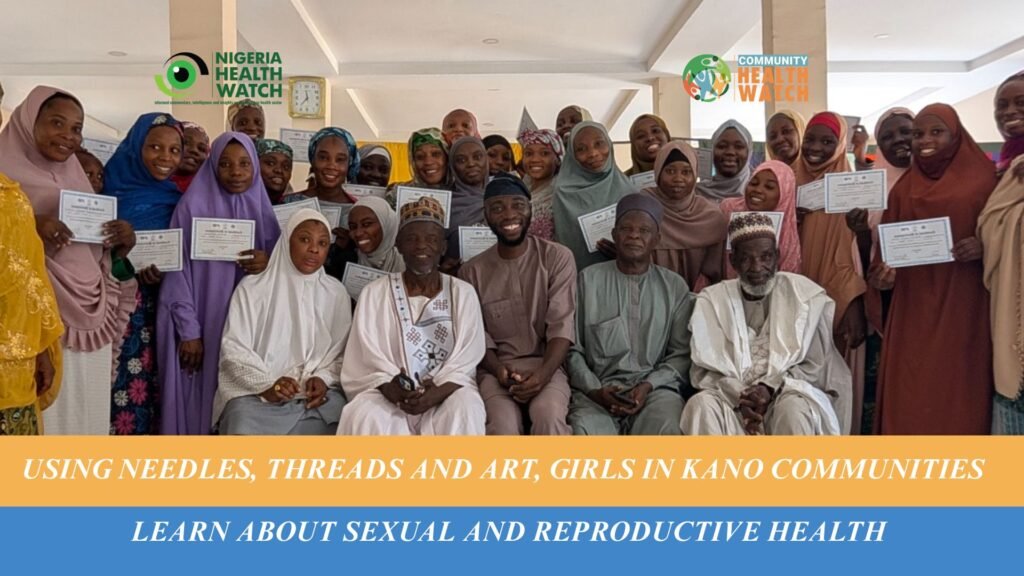
Seventy-six girls from Dala, Wudil and Ghari Local Government Areas of Kano State are putting their reproductive health knowledge into action, taking lessons learned through the 6-month Furanni programme organised by Nigeria Health Watch in partnership with Five Cowries Art Education Initiative.
The programme concluded with graduation ceremonies held between 7 and 9 October 2026, marking the beginning of a new chapter for the girls as advocates for reproductive health awareness.
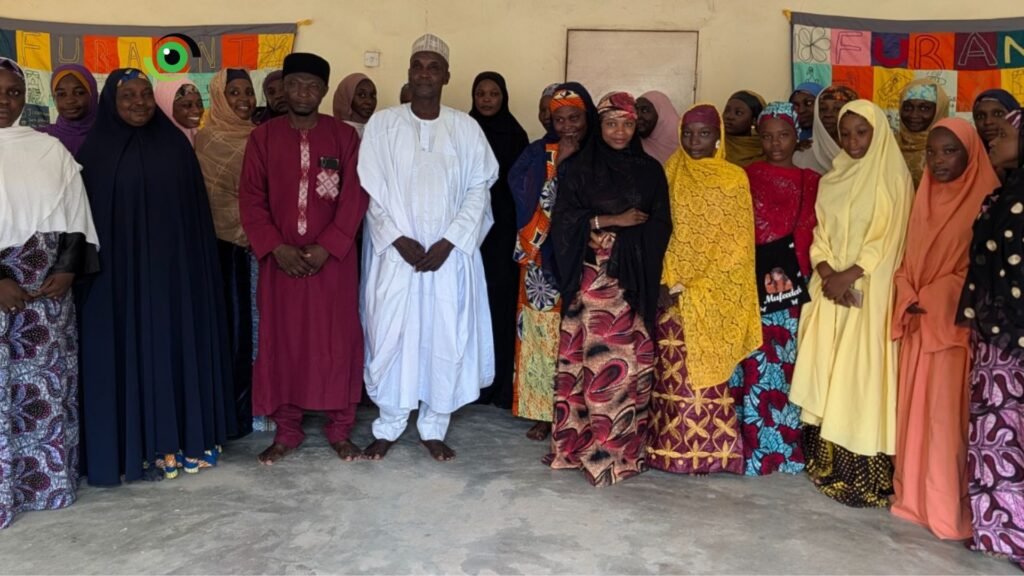
Among the graduates was Salima Ibrahim, who, alongside other participants, learned to use embroidery and fabric art as creative tools to understand, express and communicate reproductive health messages within their communities. “There are many things we didn’t know until we attended this training,” she said.
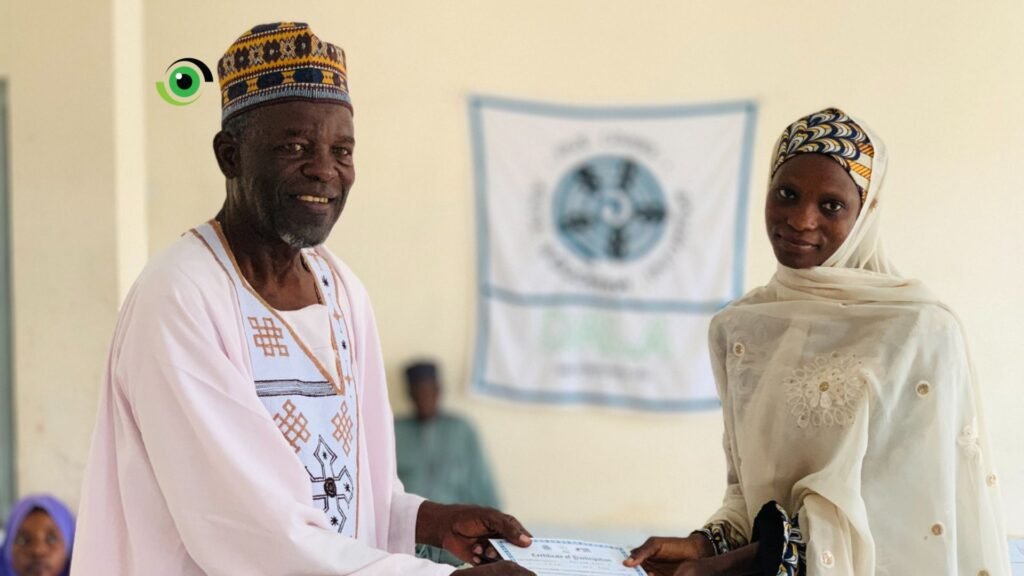
Salima also learned the importance of seeking appropriate medical care rather than relying on remedies without understanding the cause of an illness. Today, she is sharing these lessons with other girls and women in her community.
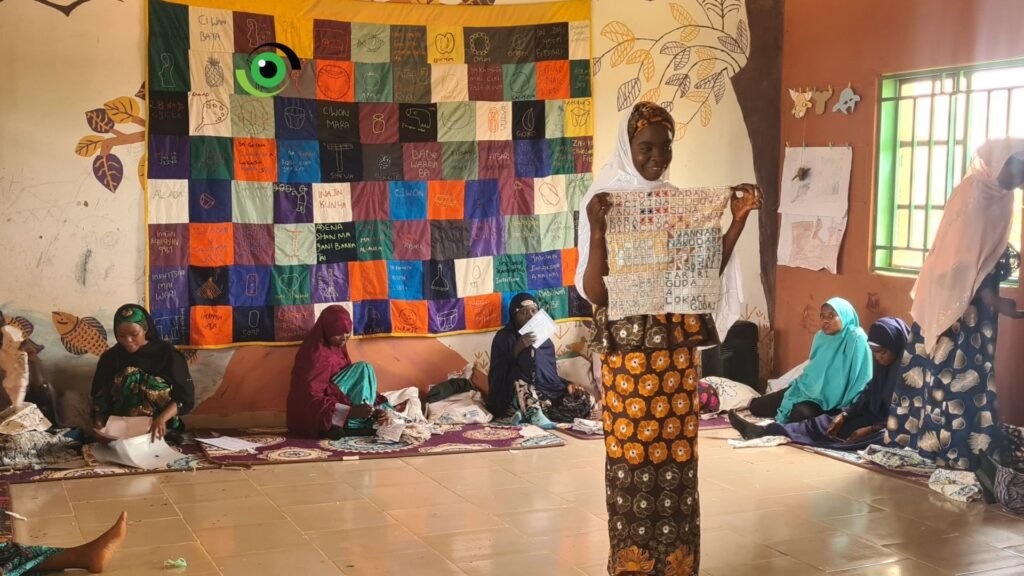
For Hauwa Ibrahim Musa, another participant from Ghari, the programme challenged misconceptions she had previously held about family planning. “After learning about its benefits, I began discussing it with members of my family, who had shared similar concerns,” she explained. She said these conversations helped her mother and other family members become more receptive to family planning.
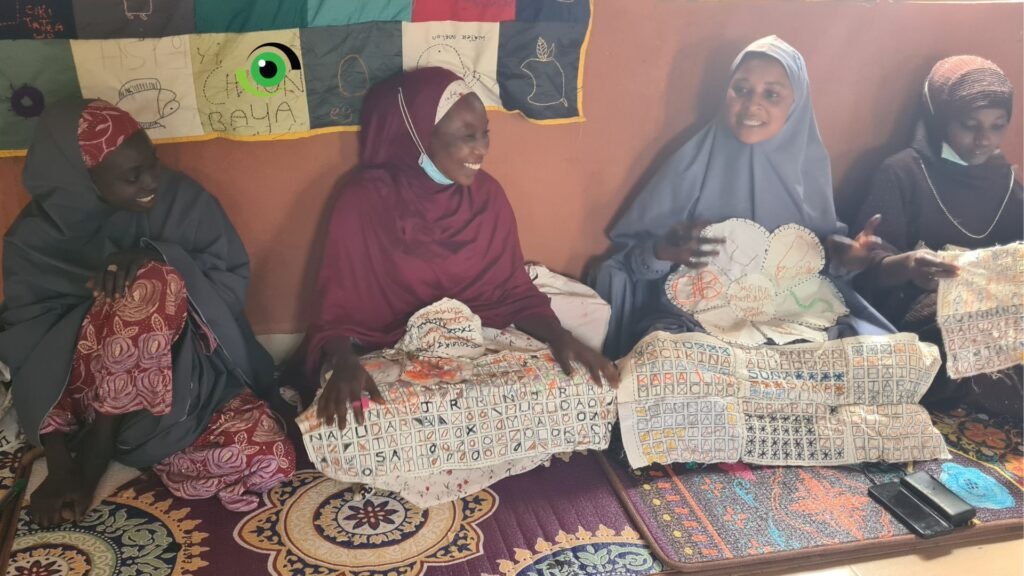
Another participant, Fiddausi S. Fulani, highlighted the lessons on menstrual hygiene and the prevention of infections, including urinary tract infections (UTIs) and sexually transmitted infections (STIs). She said the knowledge had improved her understanding of how to care for herself and protect her health.
The lessons are also extending beyond the sexual and reproductive health. Aisha Sufyanu said the programme encouraged her to help women, particularly pregnant women and those who were ill, understand the importance of seeking care at health facilities. She reported referring between 20 and 30 women to health facilities, noting that some lacked adequate information about their health and when to seek medical attention.
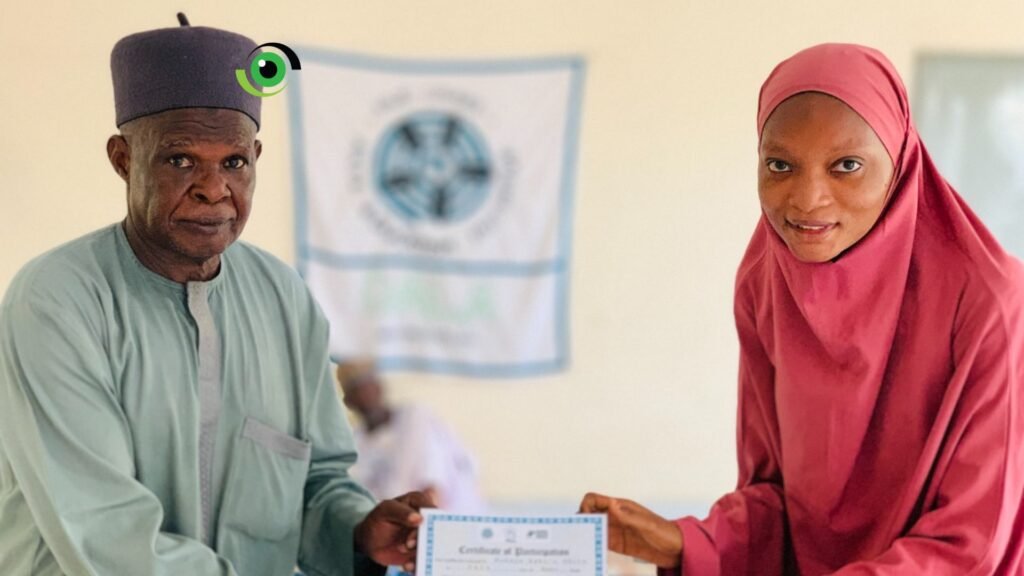
“We are happy that the programme has come to an end, and the participants are also happy. We really appreciate Nigeria Health Watch for this initiative, and we appeal for it to come back to this community,” Hajara Yunus, the Ghari hub facilitator, noted
The graduation marks more than the completion of a six-month learning programme. It represents an opportunity for the girls to become informed voices within their families and communities, sharing knowledge, challenging misconceptions, and encouraging healthier decisions.
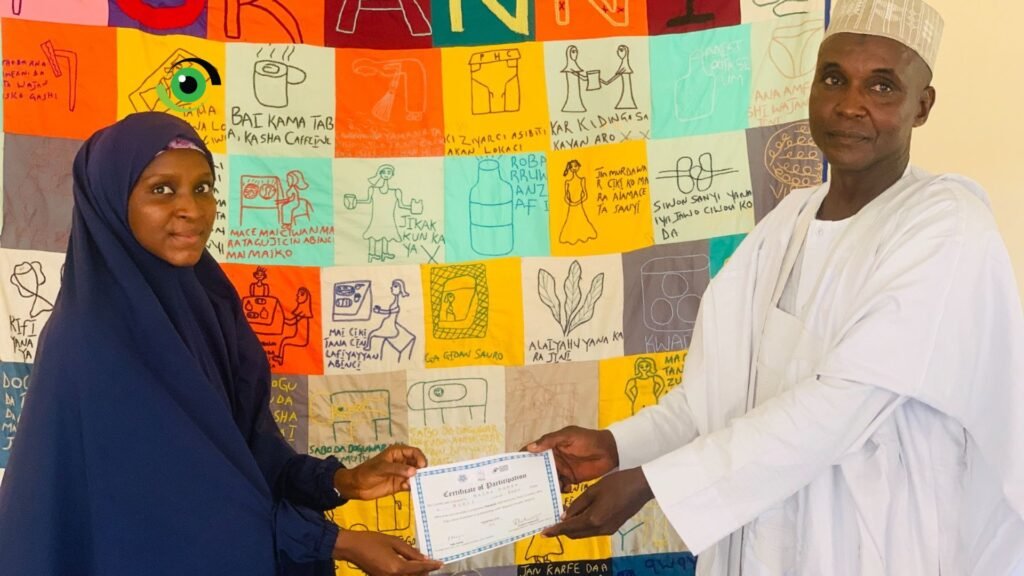
As the participants take their learning forward, their experiences reflect the importance of community-based approaches to reproductive health education and the role of young people in spreading health information.
The programme’s emphasis on community engagement and access to essential health information aligns with the Nigeria Health Sector Renewal Investment Initiative (NHSRII), which prioritises stronger primary healthcare and more equitable access to quality health services.
Leave a Comment
Your email address will not be published. Required fields are marked *