

“Our Voices Have Been Heard”: Tirikania’s Sustained Community Engagement Leads to a New Primary Healthcare Facility
Related Stories



Rabi Mustapha
For years, accessing primary healthcare in Tirikania community meant visiting a rented apartment that served as the community’s Primary Healthcare Centre (PHC).
The limited space created challenges for healthcare workers and patients, while uncertainty over the landlord’s continued willingness to accommodate the facility added to the difficulties. Zainab, a first-time mother, said, “I knew about the former PHC, I never considered seeking care there because it did not look like a proper healthcare facility. However, when I heard about the new facility, I decided to visit, and I am happy with the transformation.”
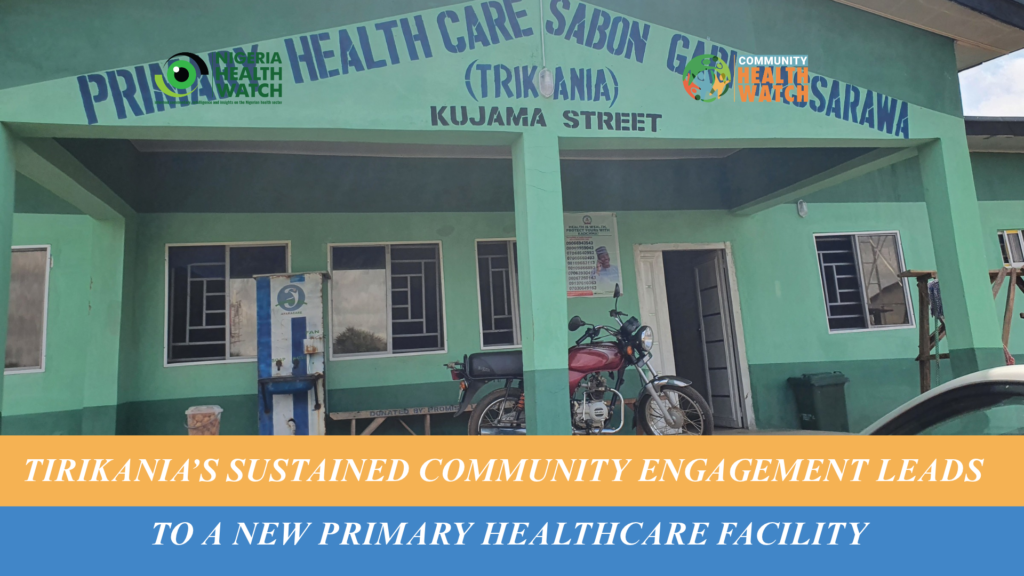
However, following sustained community advocacy and engagement with relevant stakeholders, the community now has a new PHC of its own, marking a significant improvement in access to primary healthcare services.
The Officer-in-Charge (OIC), Mrs Emmanuel Bitrus, thanked the government and partners whose collaboration made the new facility possible.
Recalling the uncertainty of operating from a rented apartment, she explained that the landlord could arrive at any time and ask the facility to vacate the premises. “That pressure is gone now,” she said, noting that patient turnout has increased significantly.
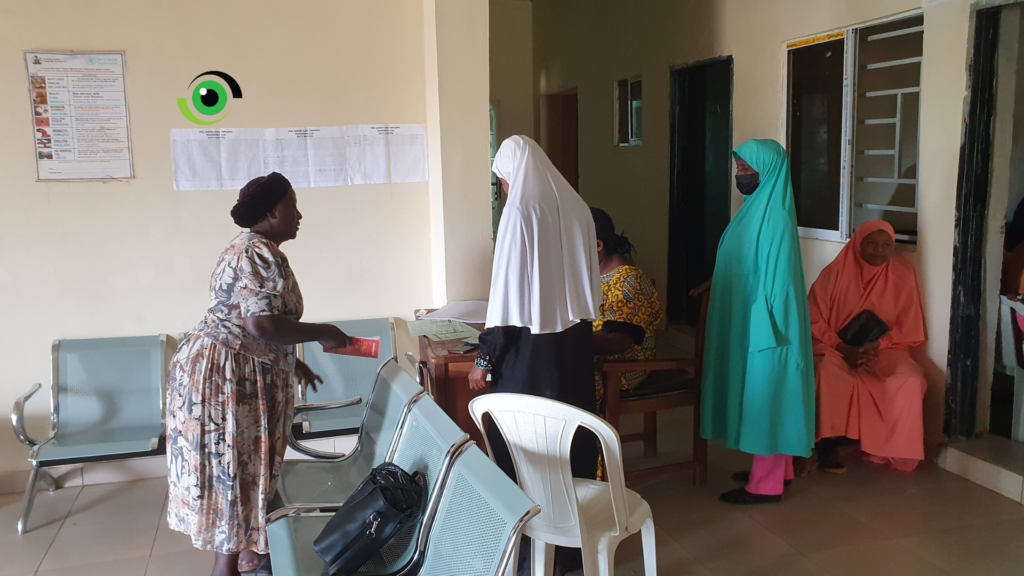
Since moving into the new facility last month, the PHC has recorded more than 700 patient visits. She also commended the Ward Development Committee (WDC) for its commitment and support in making the project possible.
Primary Health Care Sabon Gari Nasarawa also known as Tirikania is a Level 2 PHC and a Basic Health Care Provision Fund (BHCPF) focal facility. Its transformation reflects progress in addressing residents’ concerns about the state of healthcare infrastructure in their community.
The WDC Chairman acknowledged Nigeria Health Watch for drawing attention to the community’s healthcare challenges. He also recognised the contributions of the community stakeholders who supported the project.
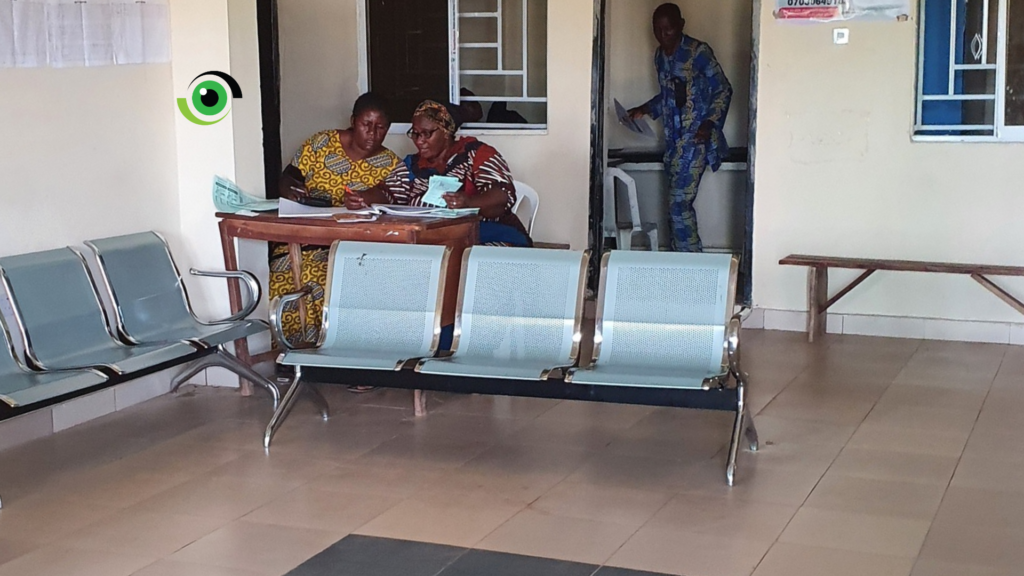
For healthcare workers, the new facility has provided a more conducive working environment, including dedicated offices. For residents, it has also improved confidence in the PHC and encouraged more people to seek healthcare services there.
Modupe, a mother of three who delivered all her children at the former facility, expressed her happiness with the transformation, saying, “I am pleased to see that the PHC is now better equipped and provides a more conducive environment for mothers and other patients.”
Despite the progress, the community believes more support is needed with essential medicines, which were previously difficult to access when the PHC operated from a rented apartment. This will ensure the facility provides quality healthcare services sustainably.
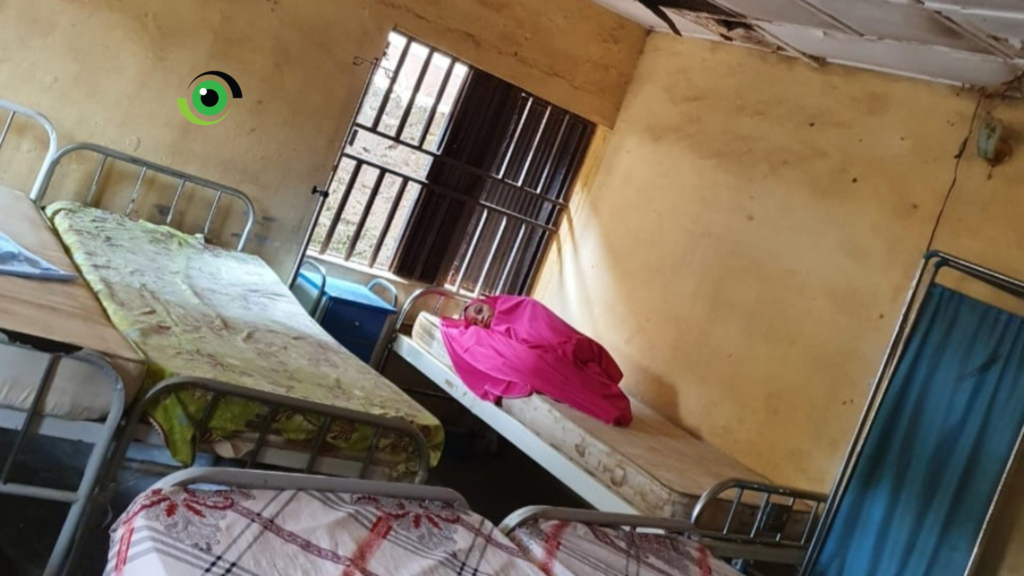
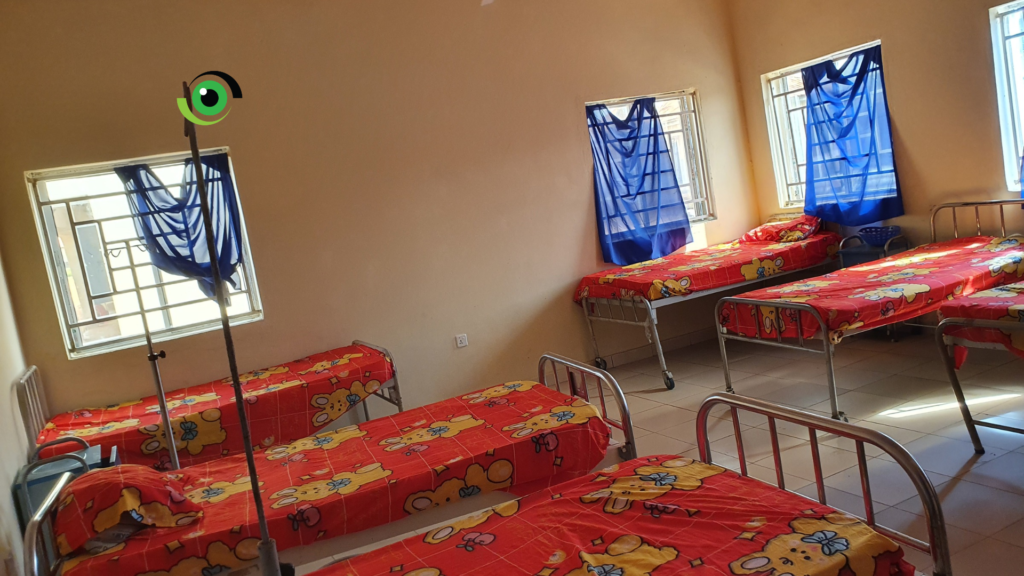
The experience of Tirikania demonstrates how community voices, when amplified and taken to the appropriate authorities, can contribute to tangible improvements in primary healthcare infrastructure. This aligns with what the Nigeria Health Sector Renewal Investment Initiative (NHSRII) seeks to achieve through its second pillar in ensuring equitable and quality access to health care services for every Nigerian.
To sustain the progress and strengthen service delivery, relevant government authorities and stakeholders should:
- Build staff quarters to support healthcare workers in providing round-the-clock services.
- Provide adequate fencing to protect the facility, its equipment, and patients.
- Strengthen access to drugs and other essential medical supplies to improve the quality of care.
- Maintain regular engagement with the WDC and residents to identify service delivery gaps and monitor commitments.
As Mrs Emmanuel reflected, “Today, our voices have been heard. What was once a rented apartment is now a PHC we can proudly call our own, and we hope this is only the beginning.”
Leave a Comment
Your email address will not be published. Required fields are marked *