
Real-Time Patient Feedback Is Helping Shape Safer and Better Maternity Care
Related Stories





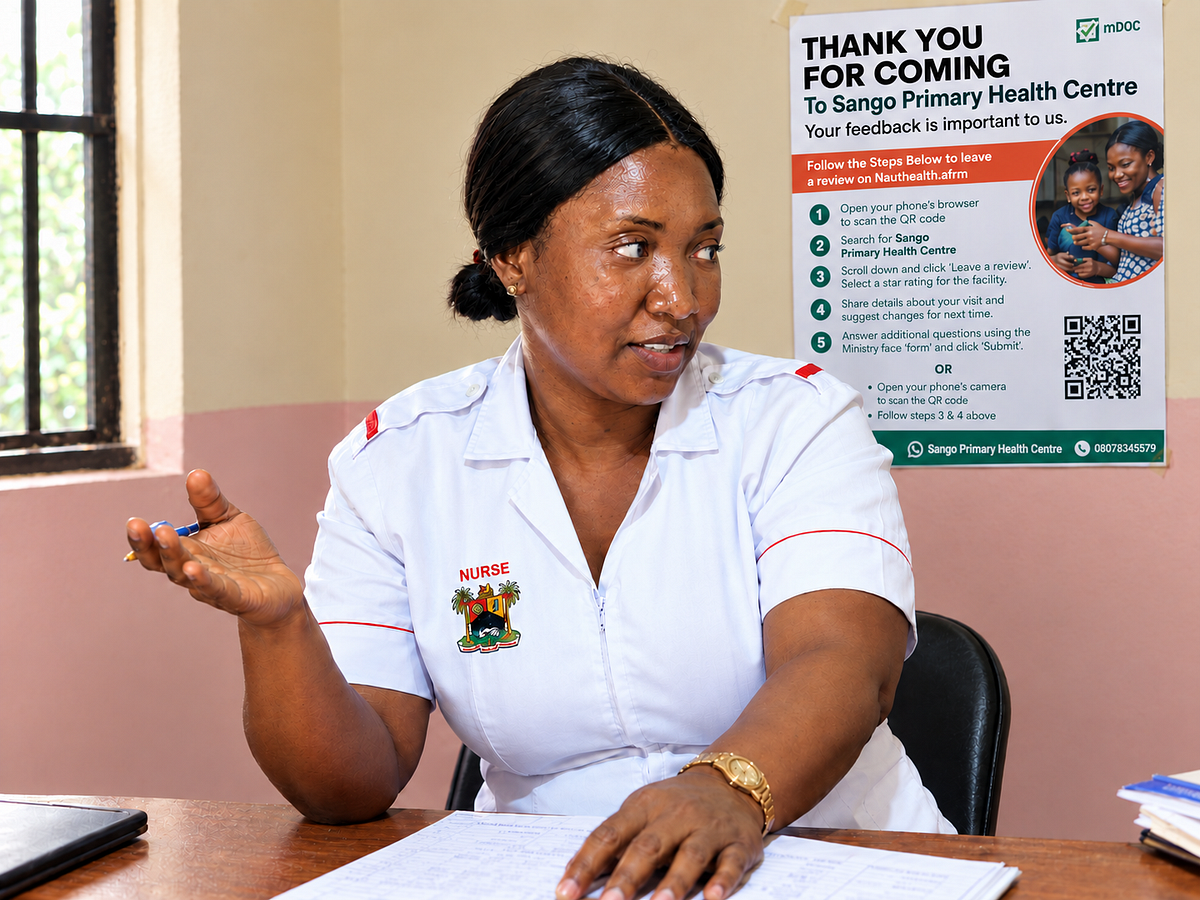
At Sango Primary Health Centre (PHC) in Lagos, Dorathy Ochenehi, the senior nursing officer, leans toward a new mother, gently guiding her through one final step before she leaves the facility. “Please, help us scan this and drop your review,” she said to the patient, pointing to a small QR code placed on a nearby desk.
The interaction is simple, almost routine, but it represents a shift in how care is improved within the facility. The QR code redirects the patient to a web-based platform, allowing her to submit an anonymous review of the care experienced.
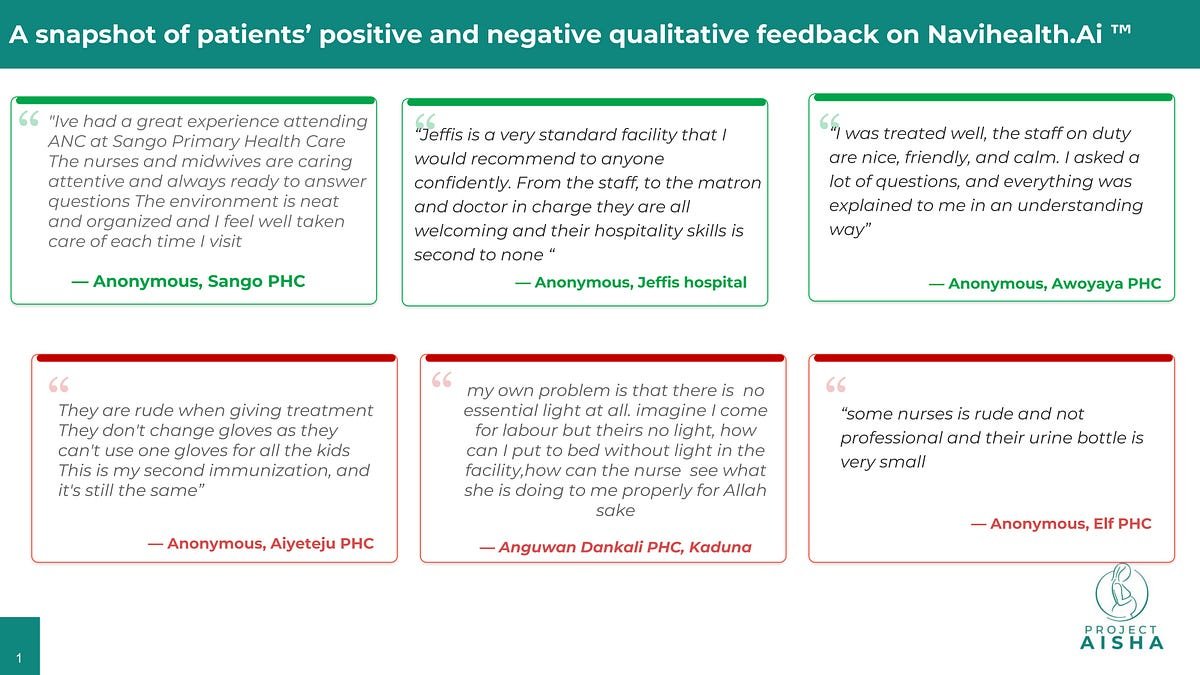
For years, the experiences of women receiving maternal care in many Nigerian health facilities have gone largely undocumented. Complaints were often shared verbally, forgotten or dropped into suggestion boxes that were rarely opened. Many women hesitated to speak up at all, unsure if their voices would matter, or worse, fearing it might affect how they are treated the next time they return. “Some patients believe if they complain, they might be targeted,” Dorathy explained. “So, they just keep quiet.”
This silence has long limited the ability of patients to demand respectful care and limited health systems to identify gaps in care, respond to patient needs, and build trust. But a growing effort to digitise patient feedback is beginning to change that.
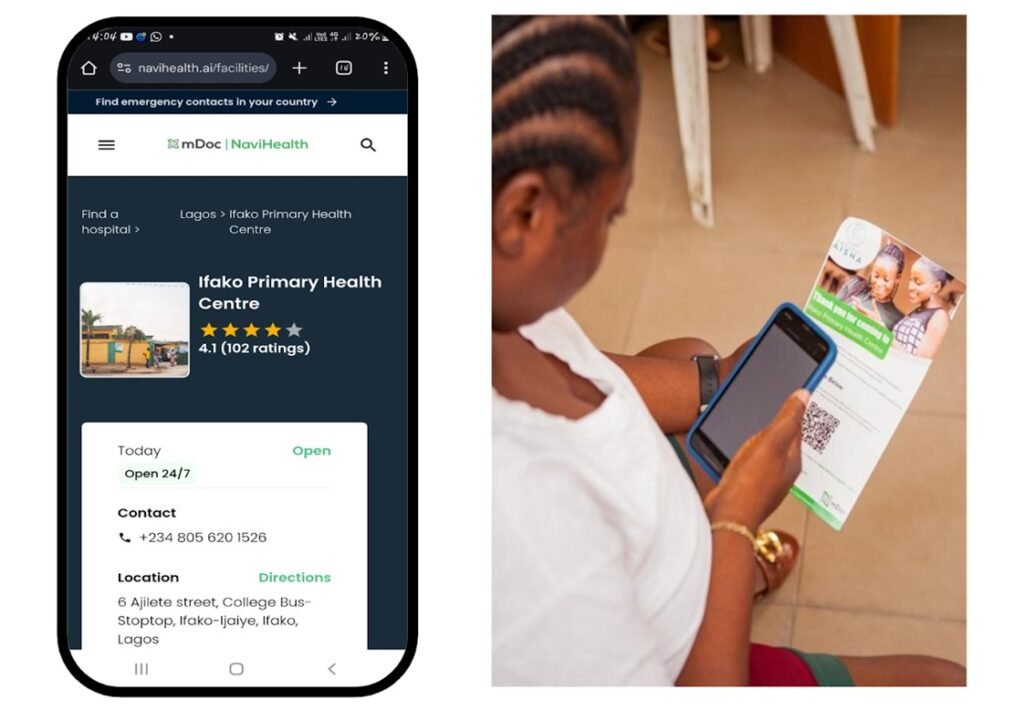
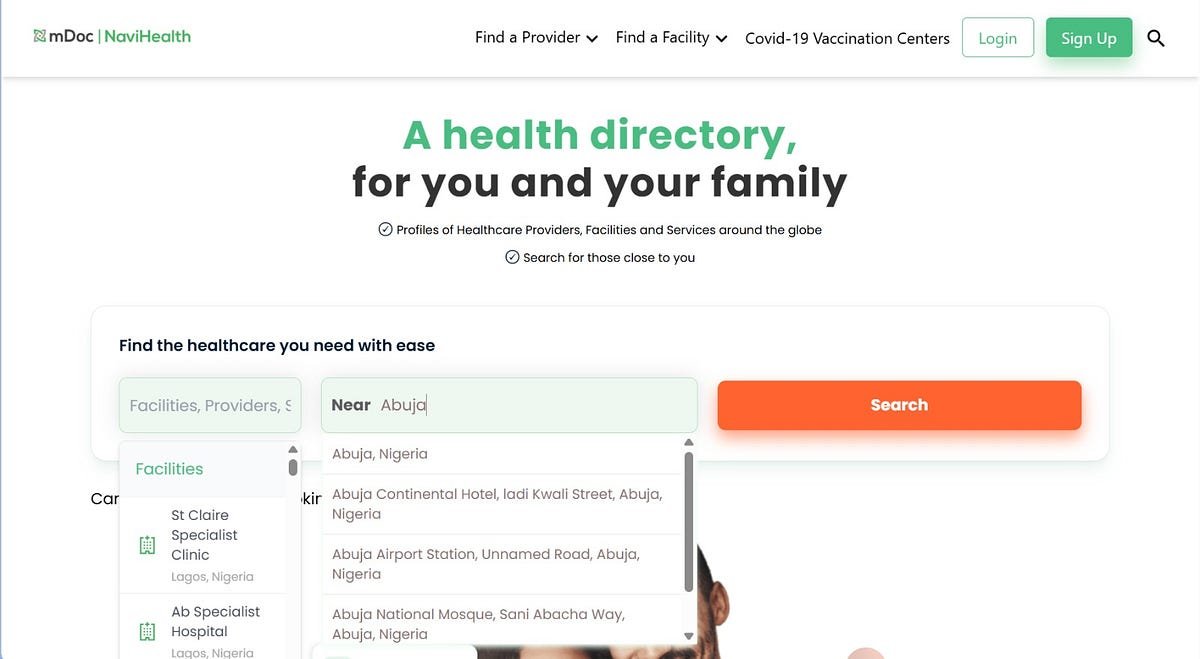
Through Project Aisha, a maternal health initiative funded by MSD for Mothersand implemented by a consortium of partners, including Health Strategy and Delivery Foundation (HSDF), Ingress Health Partners, Institute for Healthcare Improvement (IHI), and mDoc, is using NaviHealth.ai in selected public and private health facilities in Lagos and Kaduna to integrate patient feedback into maternity care improvement. NaviHealth.ai is a geocoded digital directory of health services, providers, and facilities that allows women to submit anonymous reviews of their care experiences.
Women can rate facilities across dimensions such as timeliness, safety and patient-centredness, while also leaving open-text feedback describing their experience. Behind the scenes, the platform uses natural language processing (NLP) to analyse these responses, identify recurring themes and generate facility-level scorecards that health workers and facility management can review. The intervention focuses on collecting complaints. It is designed to centre women’s voices in maternal care delivery and to make the patient experience a measurable part of quality improvement.
From pilot to statewide expansion
Since the start of the Project Aisha-led initiative, over 5,000 maternity-related reviews have been collected through the platform, contributing to more than 22,000 patient reviews submitted across NaviHealth’s wider network of partner health facilities.
The integration of NaviHealth.ai into Project Aisha has expanded in phases, with each stage designed to test, refine and scale the feedback-driven model across different levels of care. According to Solomon Chinedu, NaviHealth.ai & Data Protection Lead at mDoc, the platform’s first utilisation phase with Project Aisha began as a pilot across select facilities in Lagos and Kaduna, combining PHCs, private doctor-led facilities and general hospitals to understand how patient feedback could drive quality improvement across varying contexts of maternal care delivery.
After early implementation showed promising results, the second phase narrowed its focus more deliberately on PHCs and nurse-led facilities, recognising their role as the frontline of community-based maternal health care and the first point of care for many women seeking services close to home. “The realities of PHCs are very different from what you see in private hospitals,” Solomon explained. “So, we needed to adapt the intervention specifically to that environment.”
Now in its third phase, the intervention is being scaled across 69 PHCs in Lagos State, aligning with the Lagos State Government’s broader digital transformation agenda for public health care. The facilities were selected by the Lagos State Primary Health Care Board using service-delivery and performance data to identify centres where maternal health quality-improvement interventions were most needed.
Rather than treating patient feedback as a standalone initiative, the digital review platform is embedded within a broader quality-improvement framework, ensuring that feedback becomes one of several data streams informing maternal care improvements. “This was never just about collecting reviews,” Solomon said. “It is about ensuring that patients’ voices become part of the way facilities improve care.”
‘It made me feel like what we say matters’
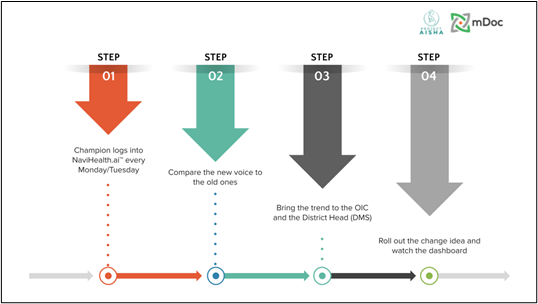
At participating facilities, feedback is reviewed regularly and fed into quality improvement meetings where staff identify problems, generate solutions, change ideas and monitor progress. At Rauf Aregbesola PHC in the Mosan-Okunola Local Council Development Area (LCDA), a recurring complaint was long waiting times during antenatal clinic visits. Women reported spending up to two hours waiting for laboratory results and ultrasound scans before completing their consultations.
The issue, facility staff found, was not in the antenatal clinic itself, but in service bottlenecks across departments. “We realised the delay was from the scan doctor and the lab,” said Emmanuel-Imohi Justina, Senior Nursing Officer at the facility. “So, we sat down with them and changed the workflow, which crunched the wait time to 30 minutes.”
The facility introduced staggered processing systems; laboratory staff now collect antenatal blood samples early in the day, a dedicated officer prioritises pregnant women’s results, and scan reports are released immediately after each examination rather than in batches.
At Sango PHC, feedback pointed to a different issue: staff attitude during labour. “One of the common complaints was that some nurses were harsh while attending to women in labour,” Dorathy, the senior nurse, said.
In response, the facility organised re-orientation sessions on respectful maternity care and reinforced expectations around communication and patient interaction. For women using the facility, those changes have been noticeable. “Before, some nurses would shout at women during labour, and it made people afraid,” said Daberechi Philips, a mother of four who recently delivered at the facility. “But this time, they were calmer, they explained things to me, and I felt more comfortable giving birth here. It made me feel like what we say matters.”
Why this model works
Unlike traditional suggestion boxes or occasional patient surveys, NaviHealth.ai creates a structured, real-time feedback loop. For health workers, this means problems become visible quickly. For managers and government officials, it creates documented evidence of what women are experiencing inside facilities, and for patients, it offers a more confidential way to speak honestly.
The anonymity built into the platform appears to increase honesty. “Some of the issues women raise are beyond what the facility can solve alone,” Solomon explained. “If women keep saying the facility needs more staff or needs expansion, that data helps leadership understand where support is needed.”
To that end, Lagos State has taken increasing ownership of the platform’s oversight. The Lagos State Primary Health Care Board now has direct access to the dashboard, with all six health districts onboarded to review facility-level performance.
There are also ongoing discussions to integrate NaviHealth data into the state’s broader digital health infrastructure. “The idea is that the government owns the data,” Solomon said. “And over time, this should become part of how they routinely monitor service quality.”
To strengthen implementation, local government monitoring and evaluation officers are also being designated as NaviHealth.ai champions and have been trained to support facilities, drive review collection, and monitor utilisation. This decentralised ownership is central to sustainability. “If it remains something only the facility is pushing based on goodwill, it won’t last,” Solomon said. “It has to become part of the system.”
The limits of listening digitally
Despite its promise, the model is not without challenges. Digital literacy remains a barrier for some women, particularly those who struggle to use smartphones, navigate QR codes or type in English. In many cases, staff or relatives guide women in submitting feedback. Poor internet connectivity also affects the web-based platform, with some women unable to complete submissions due to network issues.
Trust remains another challenge. Some women still doubt that their feedback would lead to change, especially if previous complaints appeared to go nowhere. To address this, some facilities have begun displaying “You Said, We Did” boards showing patients how feedback has informed changes. “People can only trust what they understand,” Dorothy said.
Nigeria faces significant maternal health challenges, with many women citing poor quality of care, disrespectful treatment and weak responsiveness as barriers to facility-based delivery. While interventions often focus on expanding access to care, improving maternal outcomes requires quality care, which includes respectful maternal care, making facilities more responsive to the women they serve to improve their experience in accessing care at these facilities.
By formalising patient feedback and embedding it into facility decision-making, NaviHealth.ai and Project Aisha are helping make women’s voices a more meaningful part of how maternal care is delivered and improved. The approach demonstrates the potential of systematic listening to strengthen not only the patient experience but also trust, accountability, and quality of care, ensuring women are not simply recipients of maternal health services but active participants in shaping them.
Leave a Comment
Your email address will not be published. Required fields are marked *