

Weekend Closures Put Mende PHC Patients at Risk in Lagos
Related Stories




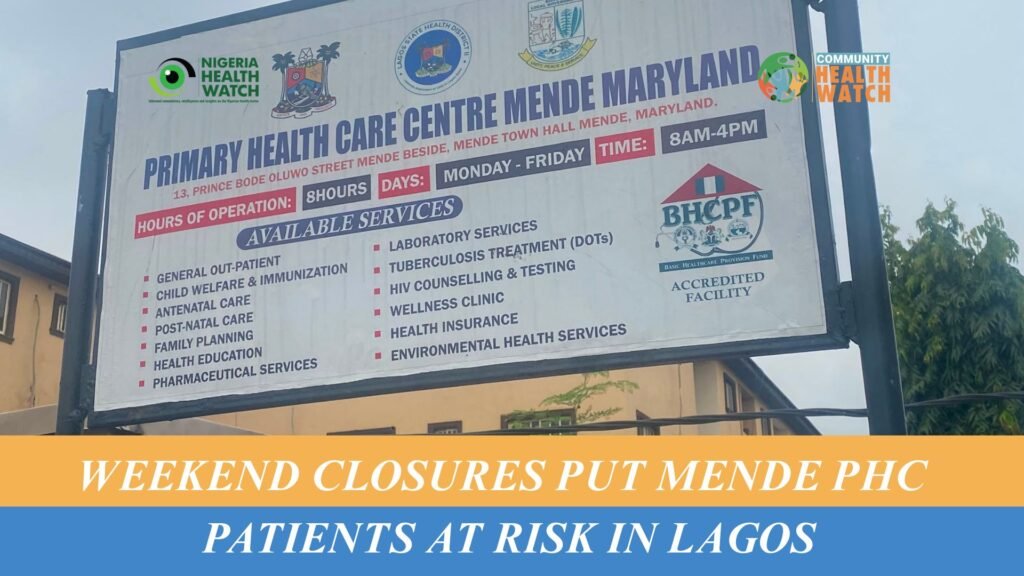
Weekend closures at Mende PHC continue to put patients at risk, forcing pregnant women in labour and other emergency cases to seek care elsewhere, often at great financial and personal cost. For many families in the Mende community in the Kosofe Local Government Area of Lagos State, access to healthcare depends not only on illness but also on the day of the week.
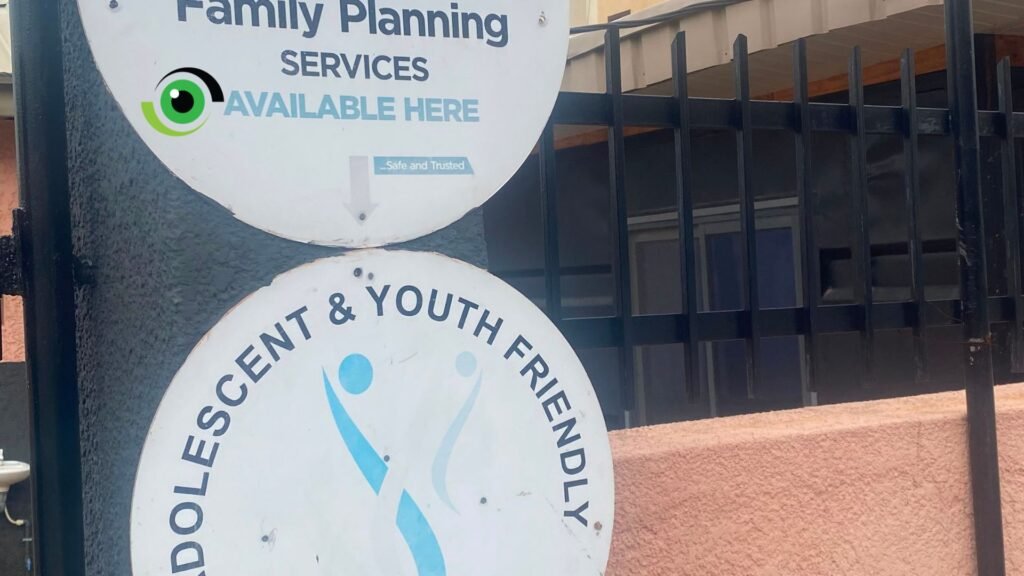
The Mende Primary Health Centre is a Level 2 Primary Health Care facility serving the densely populated Mende community in Maryland, Lagos State. The facility provides antenatal care, family planning, immunisation, malaria treatment and basic laboratory services. It is also accredited under the Basic Health Care Provision Fund(BHCPF). Despite this status, residents report persistent challenges, including weekend closures, inadequate drug supplies, limited laboratory services and the absence of comprehensive maternal healthcare services. These gaps compel many residents, particularly pregnant women, to seek treatment at distant public facilities or more expensive private hospitals.
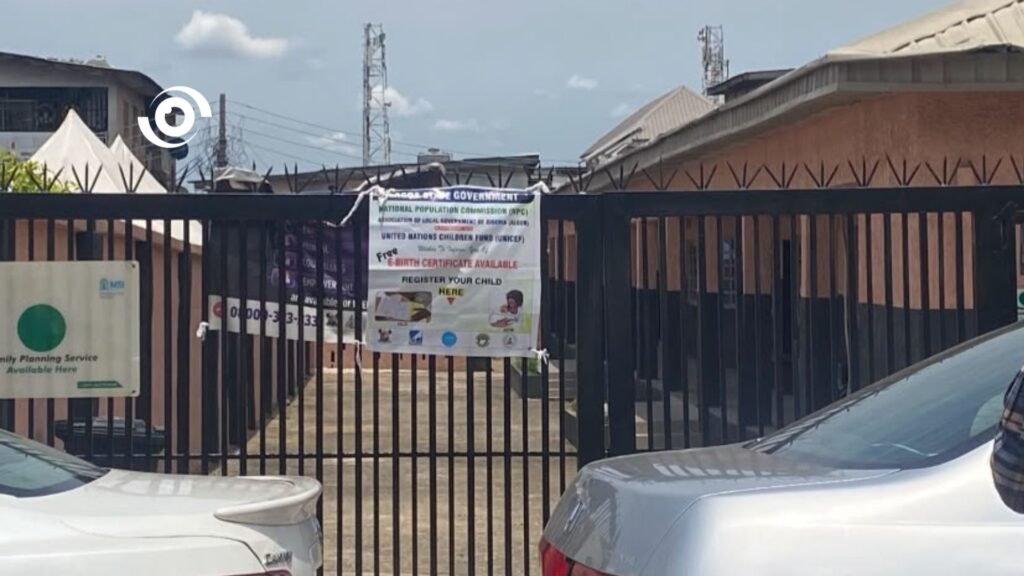
Fumi Famiduro, a mother of three, said she relies on the PHC for childhood immunisation and malaria treatment but is frequently asked to purchase medicines outside the facility because essential drugs are unavailable.
“I want the government to provide enough drugs and make the facility operate 24 hours so emergencies can be handled,” she appealed.
Joy Chindinma (not her real name) recounted the heartbreaking loss of her 18-year-old daughter after seeking treatment at the facility. “When we got to the health centre, they gave my daughter medicine without carrying out any tests. They told us they already knew what was wrong with her. After we left, her condition became worse, and by the next day, she had died. Since then, I have never been able to forget that experience,“ she said.
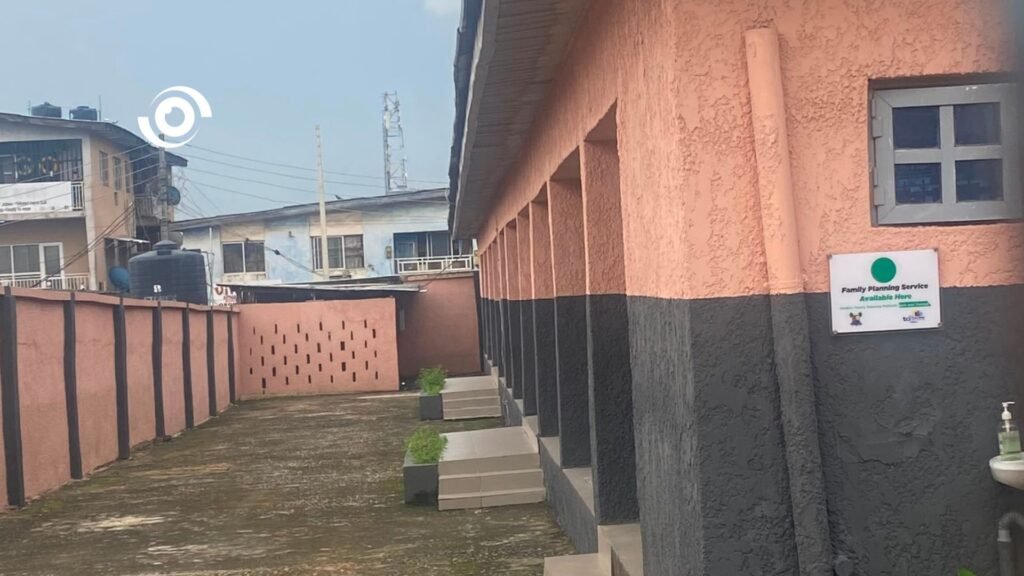
Mr Shittu Adio (Not real name) also disclosed that women rarely deliver at the facility because maternal health services are unavailable, forcing expectant mothers to travel to Ketu or Alapere.
Residents’ experiences point to significant service delivery gaps that may discourage timely healthcare-seeking, particularly during emergencies. Limited drug availability, restricted laboratory services and the absence of weekend operations increase pressure on referral facilities while exposing vulnerable patients to preventable health risks.
Although the PHC is supported under the BHCPF, residents believe the benefits have not fully translated into uninterrupted, quality healthcare. Weekend service interruptions disproportionately affect pregnant women, children, and emergency patients, while medicine shortages further reduce confidence in the facility. Expanding service availability and strengthening the supply of essential health commodities could significantly improve access to quality care.
Since Nigeria’s Health Sector Renewal Investment Initiative (NHSRII) prioritises equitable access to quality healthcare through strengthened primary healthcare services, the challenges reported at Mende PHC demonstrate the importance of ensuring that revitalised PHCs are adequately staffed, equipped and accessible whenever emergencies occur.
Stakeholders should therefore prioritise:
- Ensuring round-the-clock service delivery,
- Improving the availability of essential medicines,
- Strengthening maternal healthcare services, and
- Ensuring BHCPF investments translate into better health outcomes for communities.
Access to healthcare should never depend on the calendar. A strengthened Mende PHC can ensure that every resident receives timely, safe, and dignified care whenever it is needed.
Leave a Comment
Your email address will not be published. Required fields are marked *