

In Kaduna Communities, Tailors Are Bridging the Family Planning Trust Gap
Related Stories




Hadiza Mohammed and Onyedikachi Ewe (Lead writers)
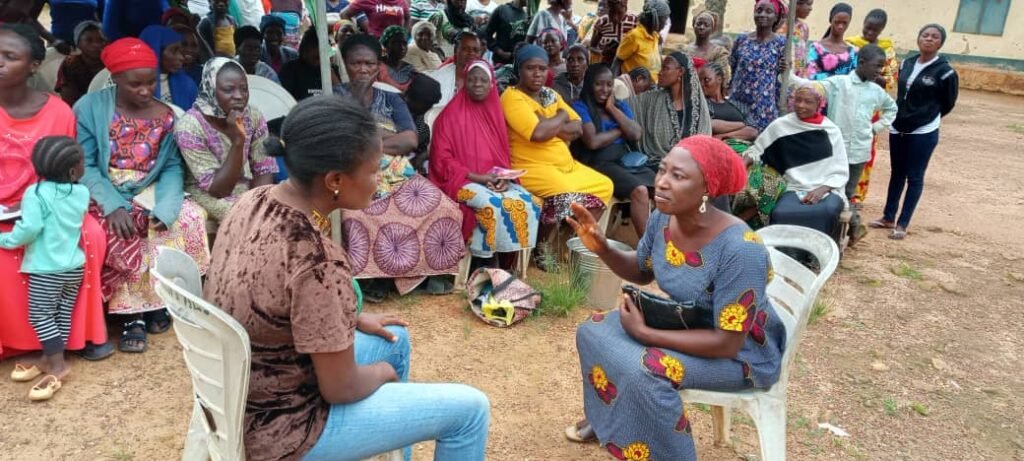
In Chikun Local Government Area of Kaduna State, Salma Musa recalls when many women around her rarely spoke openly about family planning. For some, the topic was sensitive. For others, it was surrounded by fear, misinformation and uncertainty about what family planning really meant.
“Before now, many women around me did not fully understand the importance of child spacing. Through the sessions, I learned that family planning is not just about preventing pregnancy; it helps families provide better care, education, and support for their children,”Musa said. “I believe more counselling and awareness will help more women and families understand these benefits.”
Her experience reflects a wider challenge across many communities in Nigeria. Although family planning is central to maternal health, child wellbeing, reproductive autonomy, and household stability, many young married women and couples still face barriers to accurate information and respectful services. These barriers include gender norms, fear of side effects, limited decision-making power, poor access to services, and distrust of formal health systems.
Nigeria has made some progress, but gaps remain. The 2024 Nigeria Demographic and Health Survey shows that modern contraceptive use among currently married women increased from 12% in 2018 to 15% in 2024. Nigeria’s total fertility rate also declined from 5.3 to 4.8 children per woman. These improvements are important, but they remain below the level needed to meet Nigeria’s family planning commitments and improve reproductive health outcomes at scale.
From sewing machines to trusted health voices
In Kaduna State, Girl Effect’s Saabi campaign is testing a different route to trust, working through people who are already part of everyday community life. Through the campaign, Girl Effect worked with female tailors, male partners, health care workers, and community champions across selected local government areas in Kaduna State. The aim was to position tailors not only as business owners, but also as trusted community advocates who could support conversations on child spacing, reproductive health, and referral to services.
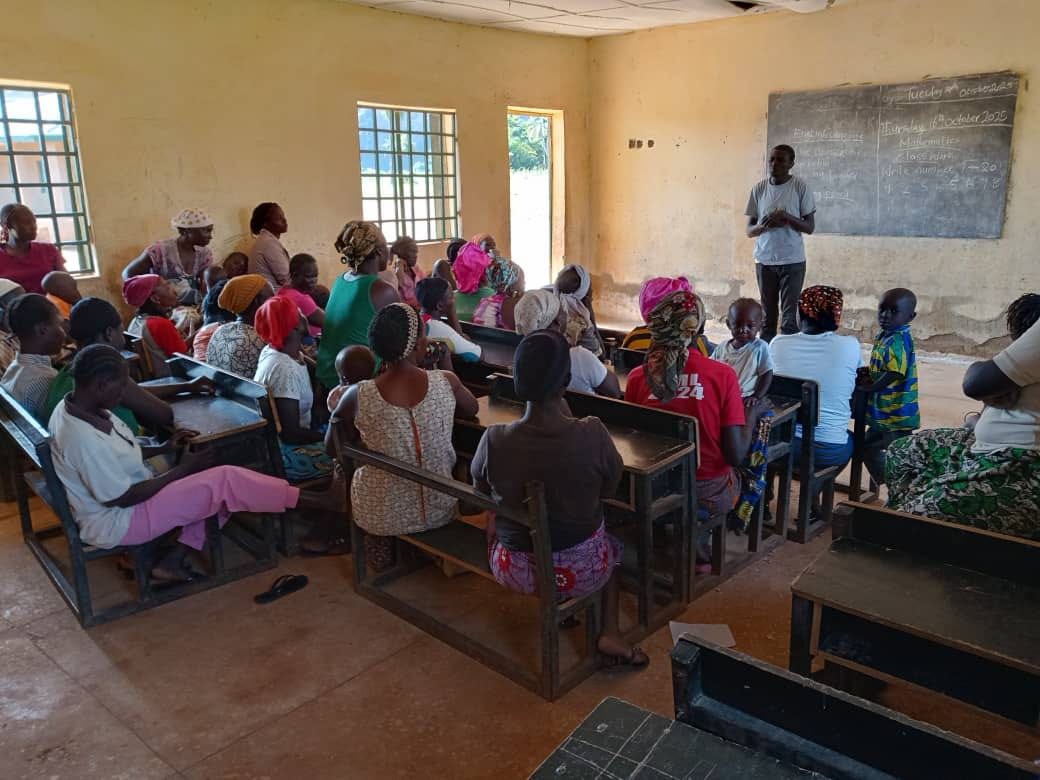
According to Hamza Ibrahim, the Programme and Youth Participation Manager, “the programme intentionally worked with female tailors because of their strong influence and trusted relationships within communities in Kaduna. By using tailoring associations as entry points, the initiative created safe spaces to discuss child spacing and SRHR with women and their partners.”
According to Hamza, early results from the intervention demonstrated a promising impact, reaching over 59,000 married adolescent girls and young women through community outreaches across 10 LGAs; more than 48,000 were referred for SRHR services; and nearly 40,000 adopted a modern contraceptive method, including over 35,000 first-time users.
The intervention is based on the idea that tailors hold a special position within communities. They interact daily with women and families, often forming informal social networks that go beyond their trade. By using these relationships, the programme aims to integrate SRHR information into everyday conversations.
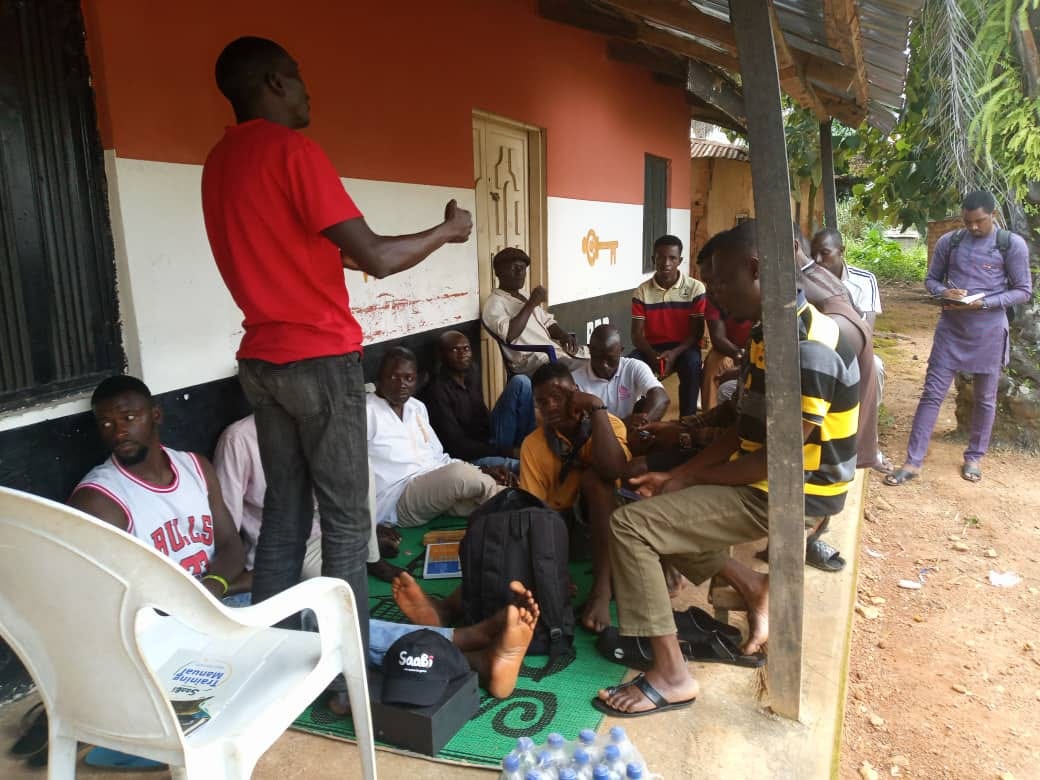
The model begins with a “Champions” approach, where selected female health care workers and male mentors are trained to deliver structured sessions on child spacing, contraception, gender dynamics, and communication within relationships. These facilitators then engage groups of married young women, many of whom are tailors and their partners, over a four-week period.
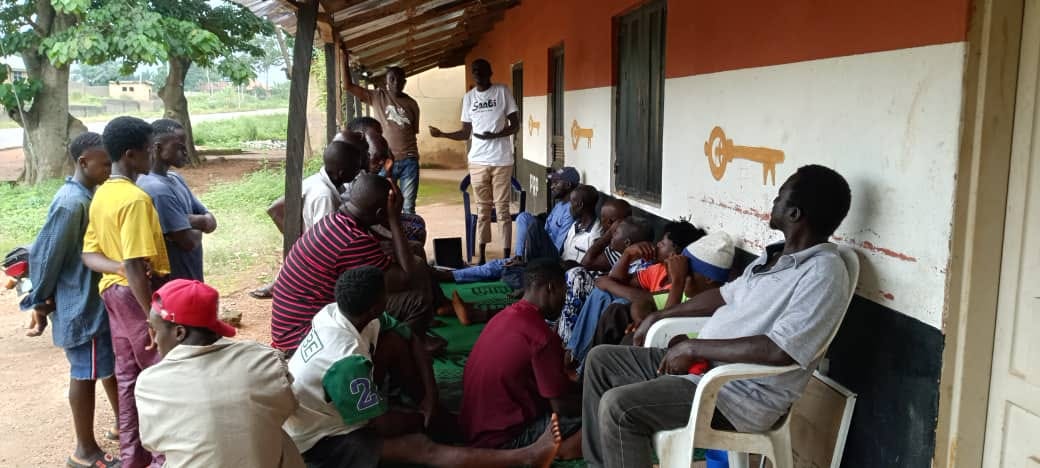
“What makes it different is that it involves both women and men, encouraging shared decision-making in reproductive health.” Talatu Danladi, a Saabi Champion in Chikun LGA, explained.
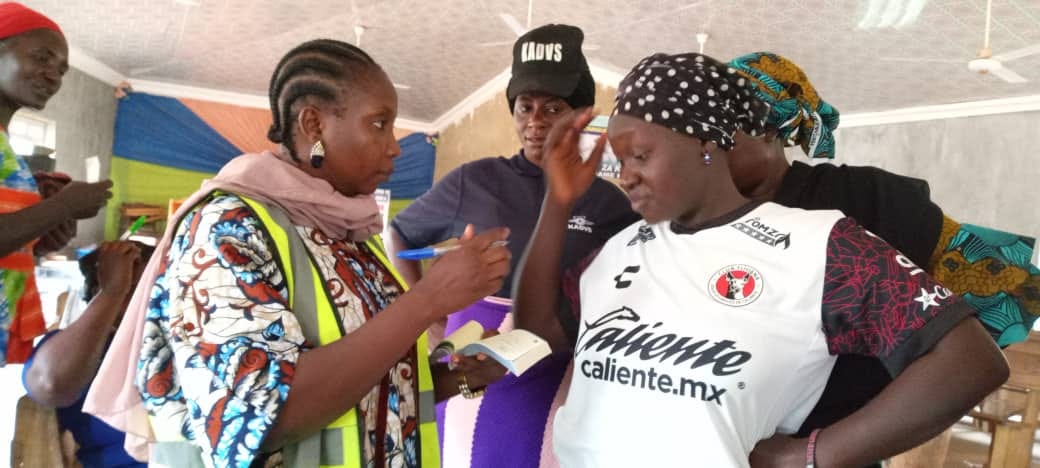
Beyond the training phase, the tailors transition into community mobilisers. They conduct door-to-door outreach, organise small group discussions, and distribute information materials that include referral pathways to nearby health facilities. In communities where access to primary health care (PHC) facilities is limited, the programme also supports mobile outreach services that bring contraceptive services directly to residents.
“Being part of the Saabi Campaign has given me the courage to speak confidently about family planning, and I now share this knowledge with my customers. Because they trust me, many of them are beginning to accept and practice it,” Abdulmutalib Yusuf, Saabi Campaign Champion Tailor in Igabi LGA, noted.
He added that, “one of my customers even visited a health facility to learn more after our conversation. At first, most of the resistance comes from fear and misconceptions, like stories about excessive bleeding or other side effects. But once we explain the real benefits, such as better financial planning, improved maternal health, and better care for the child, some begin to understand, even though not everyone agrees immediately.”
Why this approach works
“The intervention offers important lessons for SRHR programming in similar settings. It shows the value of engaging non-traditional influencers. Unlike community health workers, who are often seen as part of the formal health system, tailors operate in informal, everyday spaces. This allows them to communicate in ways that are more relatable and less clinical,” Hamza said.
Second, including male partners addresses a critical yet often overlooked factor in family planning uptake. In many Nigerian communities, men play a decisive role in reproductive decisions. By involving men, especially from the outset, the programme aims to shift household dynamics rather than focusing solely on women.
Third, integrating demand generation with service delivery helps close the gap between knowledge and action. By combining door-to-door sensitisation with referrals and, in some cases, on-site service provision, the programme reduces logistical and psychological barriers to accessing care.
Finally, the multi-channel approach, which includes radio, digital platforms, and community outreach, reinforces messaging across different touchpoints, increasing the likelihood of retention and behaviour change.
What could limit scale?
“Despite these promising outcomes, the model is not without its challenges,” Hamza noted.
A key limitation is sustainability, as the intervention depends on structured training, coordination, and partnerships with multiple stakeholders, including health care workers and implementing organisations. There are also questions around long-term impact. While uptake figures are strong, it remains unclear whether these changes will be sustained over time or translate into broader improvements in reproductive health indicators, such as reduced unintended pregnancies.
Cultural resistance, though partially addressed through community-based engagement, may still persist in some settings, particularly where deeply entrenched norms around fertility and contraception remain strong. Finally, the reliance on programme-generated data emphasises the need for independent verification to strengthen the evidence base and support policy adoption.
From community insights to practical action
As Nigeria continues to address gaps in family planning access and uptake, especially among young people, community-driven approaches like this offer an alternative to traditional top-down campaigns, despite any limitations.
By placing information in the hands of trusted local actors and linking it directly to services, the Saabi campaign shows how everyday community structures can be leveraged to address complex health challenges.
Leave a Comment
Your email address will not be published. Required fields are marked *