Nigeria Health Watch
Follow us:
breadcrumb banner

Pregnant women

Categories

Blog Image
By Nigeria Health Watch | November 6, 2025

Pregnant Women Struggle at Mahuta Health Clinic in Kaduna State

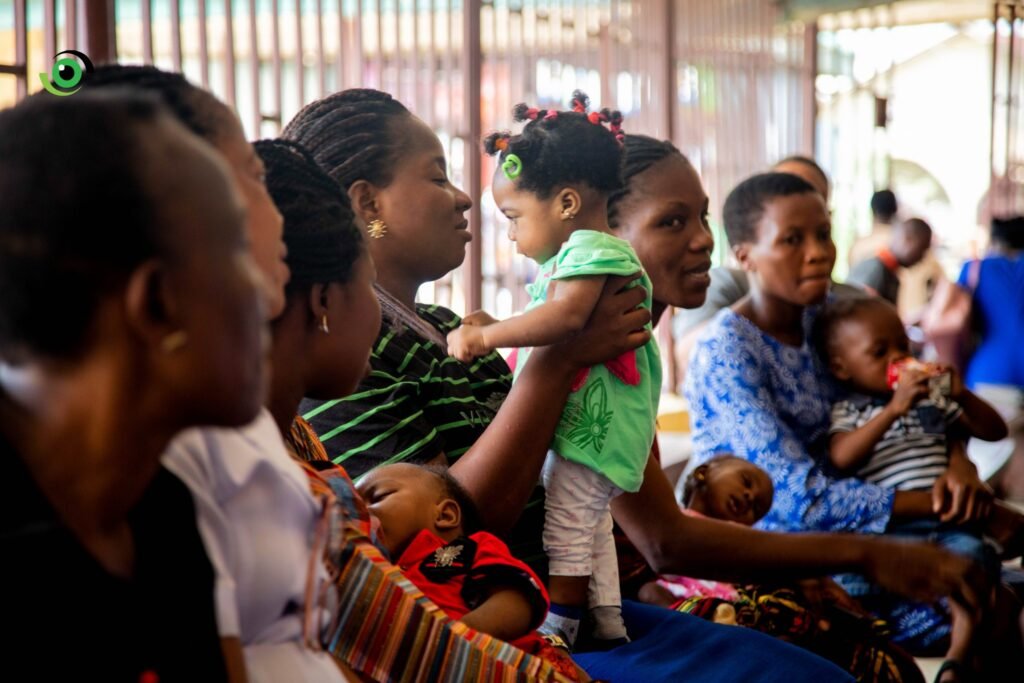
By Mustapha Garba For many pregnant women in Mahuta community in Kaduna State, accessing healthcare is a daily nightmare. With just one overstretched health clinic serving more than 20,000 people, the chances of safe delivery are often left to chance, leaving families anxious and vulnerable. Mahuta, a farming and trading community in Giwa Local Government […]

Read More
Blog Image 23 May

Scaling Heat-Stable Uterotonics to Prevent Maternal Deaths in Nigeria

By Nigeria Health Watch | May 23, 2025

Adanna Opara (Lead Writer) Every day, countless mothers around the world lose their lives to postpartum haemorrhage (PPH), a devastating reality that remains a widespread and persistent challenge in Nigeria. The country accounts for 28.5% of global maternal deaths, with PPH being a major contributor, causing 22% of these tragic losses. A webinar hosted by […]

Read More
Blog Image 29 Apr

Caesarean Sections in Nigeria – Thoughts, Belief Systems and Perceptions

By Nigeria Health Watch | April 29, 2020

Editor’s Note: If you bring up the topic of Caesarean Sections in many discussion circles, there is a likelihood you will encounter widely differing opinions. It is a topic usually charged with emotion and frequently approached with cultural, religious and traditional overtones. The Nigeria Health Watch team visited three states to better understand what women […]

Read More
Blog Image 25 Mar

Widely used malaria treatment to prevent malaria in pregnant women at risk of failing in areas where drug resistance is rising

By Nigeria Health Watch | March 25, 2019

LIVERPOOL – OXFORD, 25 March 2019 A global team of researchers, led by a team at the Liverpool School of Tropical Medicine (LSTM), are calling for a review of drug-based strategies used to prevent malaria infections in pregnant women, in areas where there is widespread resistance to existing antimalarial medicines. Professor Feiko ter Kuile, an […]

Read More