
Nigeria’s Domestic HIV Funding Must Prioritise Integration into Maternal Health Services
Related Stories




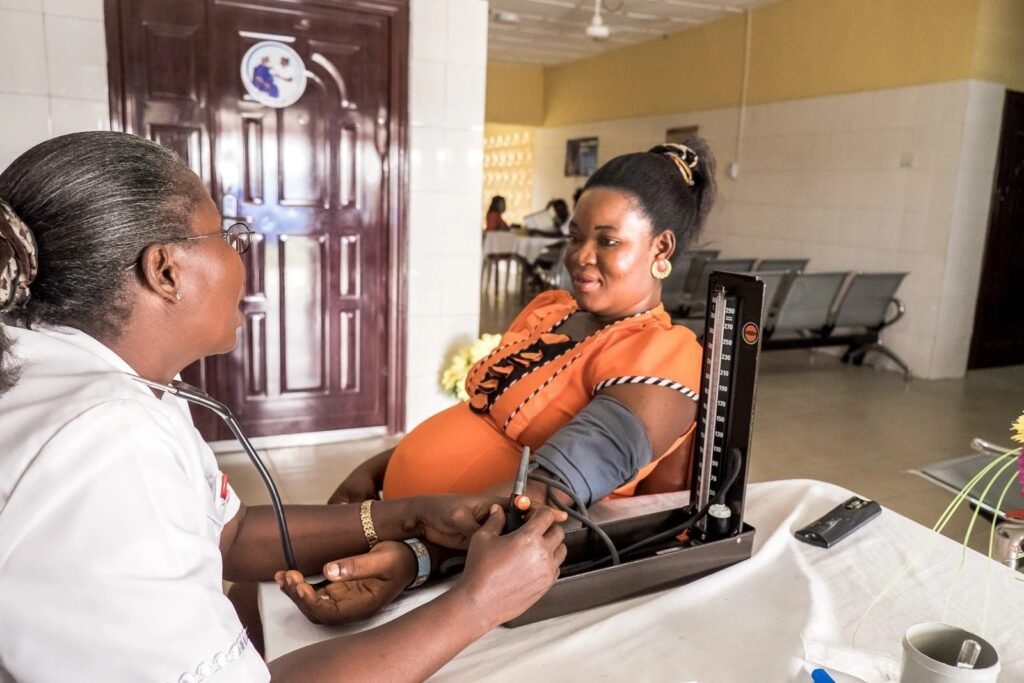
Nigeria’s effort to end AIDS must include preventing HIV transmission during pregnancy, childbirth and breastfeeding. In 2024, an estimated 9,200 children aged 0 to 14 contracted HIV in Nigeria, while coverage of Prevention of Mother-to-Child Transmission of HIV (PMTCT) services stood at just 61%, short of the 95% safe target according to UNAIDS estimates.
These figures highlight persistent gaps in preventing HIV transmission from mothers to their children and underscores why PMTCT must be treated as an integral part of maternal and newborn healthcare, rather than a standalone HIV intervention.

Protecting both mother and child requires a continuum of care, from HIV testing, treatment and counselling during pregnancy to preventive medication, early infant diagnosis and consistent follow-up care after birth.
HIV funding disruption in Nigeria
The U.S. President’s Emergency Plan for AIDS Relief (PEPFAR) has invested more than $6 billion in Nigeria’s HIV response, and more than one million women and children are currently on HIV treatment through its support.
However, external funding can no longer be treated as permanent. Nigeria’s response must now depend on how deliberately the country protects the services that prevent HIV transmission from mother to child.
As a result of the decline in foreign aid, that support is now dwindling. In Nigeria, the number of people receiving HIV preventive medicines reportedly fell from about 43,000 in November 2024 to fewer than 6,000 by April 2025, with disruptions to community-based delivery and implementing-partner operations.
These disruptions also show how quickly prevention can weaken when external funding, delivery systems and community structures are withdrawn. For pregnant women with HIV and their newborns, a single missed test, a late prescription, or a gap in medicine can turn a completely preventable risk into a child’s lifelong diagnosis.
A welcome but insufficient response
In January 2025, Nigeria secured an immediate $200 million allocation for HIV, tuberculosis and malaria amid global funding cuts. Securing the funds signalled domestic ownership, showing that Nigeria recognised the risk created by declining external support and was prepared to respond. Nigeria’s $200 million allocation is remarkable but is not necessarily a blank check.
It was allocated for HIV, tuberculosis and malaria, which means competing needs will inevitably shape how the money is used. Additionally, the allocation alone will not protect mothers and babies; the question is whether PMTCT and paediatric HIV receive protected, proportionate and traceable funding within the broader response.
Without that intention, domestic money could replace external funding in name while leaving the services most likely to prevent child infections underfunded. When these services work together, they prevent infection. When they are fragmented, mothers may be tested but not linked to treatment; babies may be born without preventive care; or a mother may receive treatment but disappear from the system before her infant is tested.
This is why PMTCT cannot be treated as an optional add-on to HIV budgets. It is a test of whether Nigeria’s health system can deliver coordinated care to women and children at the most vulnerable points in their lives.
What must happen now
(1) the Federal Ministry of Health, the National Agency for the Control of AIDS (NACA), the National AIDS, Viral Hepatitis and STIs Control Programme (NASCP), and state ministries should ring-fence PMTCT and paediatric HIV within Nigeria’s domestic HIV allocation. The allocation should be published in a way that shows how much reaches antenatal testing, treatment, viral load monitoring, early infant diagnosis, and retention services.
(2) the National Health Insurance Authority (NHIA) and state health insurance schemes should ensure their benefit packages cover comprehensive HIV care in addition to antenatal services. A pregnant woman living with HIV should be able to access antenatal care and HIV treatment through their health insurance without navigating separate systems.
(3) state governments should sustain community-level PMTCT services by ensuring continued support for community health workers, mentor mothers and facility-based counsellors. They help women remain in care, attend follow-up appointments and access HIV testing for babies. This support must continue even as external funding arrangements change.
(4) development partners should prioritise their remaining resources for services supporting pregnant and breastfeeding women living with HIV, their infants and children living with HIV. Funding should protect services with the greatest potential to prevent new HIV infections among children and sustain treatment for those already living with HIV.
A choice Nigeria can make
Nigeria has the political commitment, the institutions and the evidence to reduce vertical transmission. What it needs now is a funding decisions that match this ambition. The country cannot allow the end of an external funding era to mark the beginning of another preventable crisis for mothers and babies.
Protecting mothers means ensuring they have access to HIV testing, treatment and support throughout pregnancy and breastfeeding. Protecting babies means ensuring every infant exposed to HIV receives preventive care and early testing. Sustaining this protection requires embedding PMTCT as a core function of maternal and child health services, with reliable funding that extends beyond donor support.
Nigeria’s next HIV funding decision should be judged by one standard: whether it keeps mothers alive, keeps babies HIV-free and sustains that protection for future generations.
Leave a Comment
Your email address will not be published. Required fields are marked *