

Community-Led Assessment Reveals Priorities for Improved Healthcare Services in Kano
Related Stories

Three Months On, Gyartai PHC Still Lacks a Midwife
Jul 10, 2026
Rahima Shehu Dokaji
Can a health facility truly meet the needs of its community when residents are unaware of available health insurance benefits and health workers are stretched beyond their capacity?
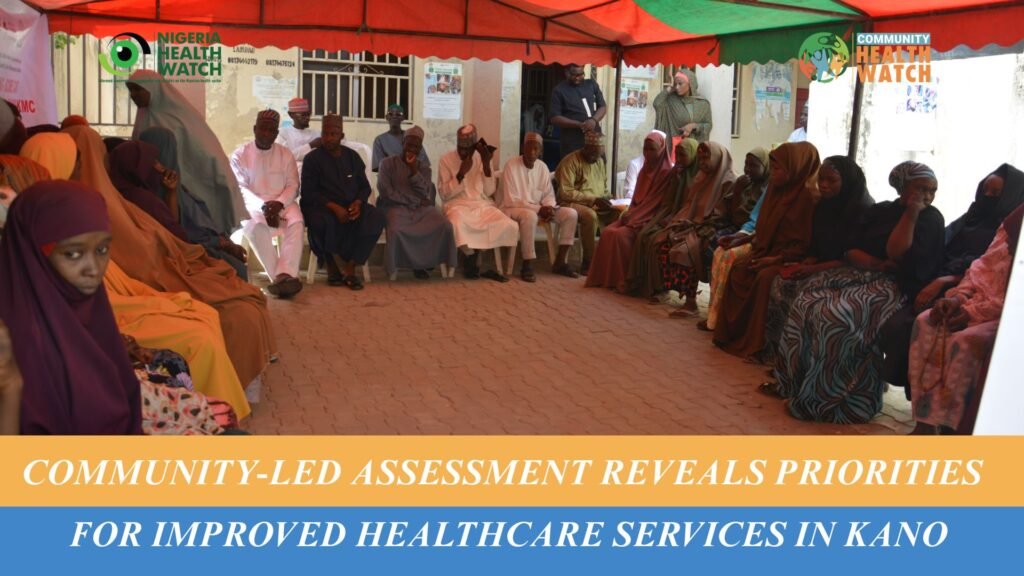
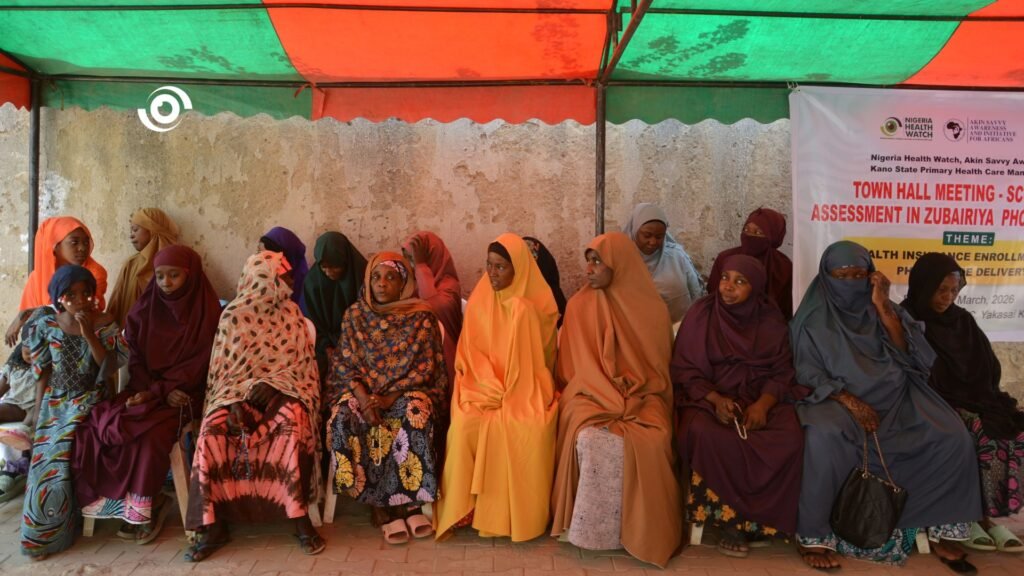
These concerns dominated discussions during a town hall meeting at Zubairiya Primary Healthcare Centre (PHC) in Yakasai community, Kano State.
The town hall meeting and community scorecard assessment, organised by Nigeria Health Watch in collaboration with Akin Savvy Awareness and the Kano State Primary Healthcare Management Board, brought together community members, health workers, Ward Development Committee (WDC) members, traditional leaders, and government representatives to review healthcare service delivery and the implementation of the Basic Health Care Provision Fund (BHCPF) at the facility.
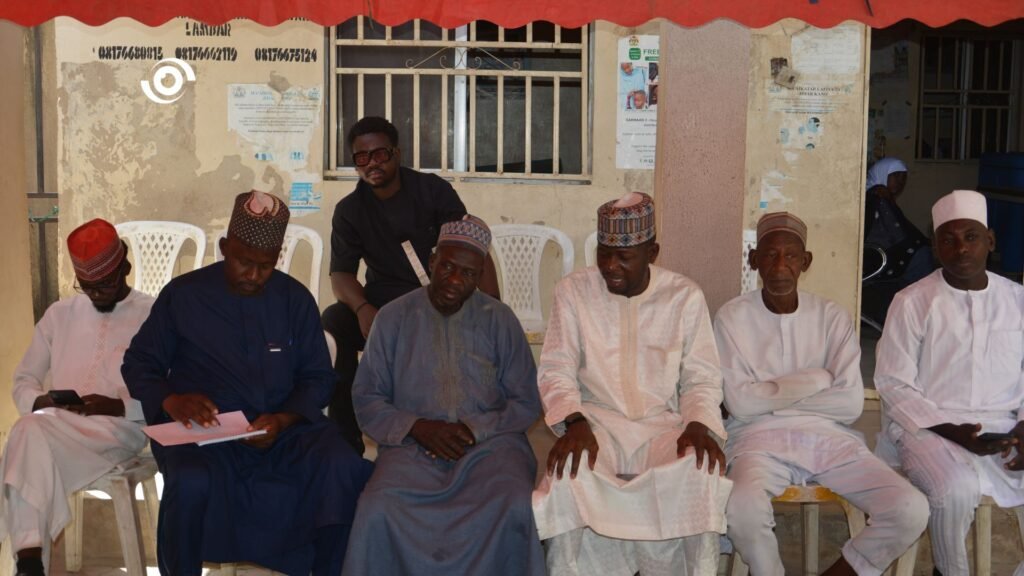
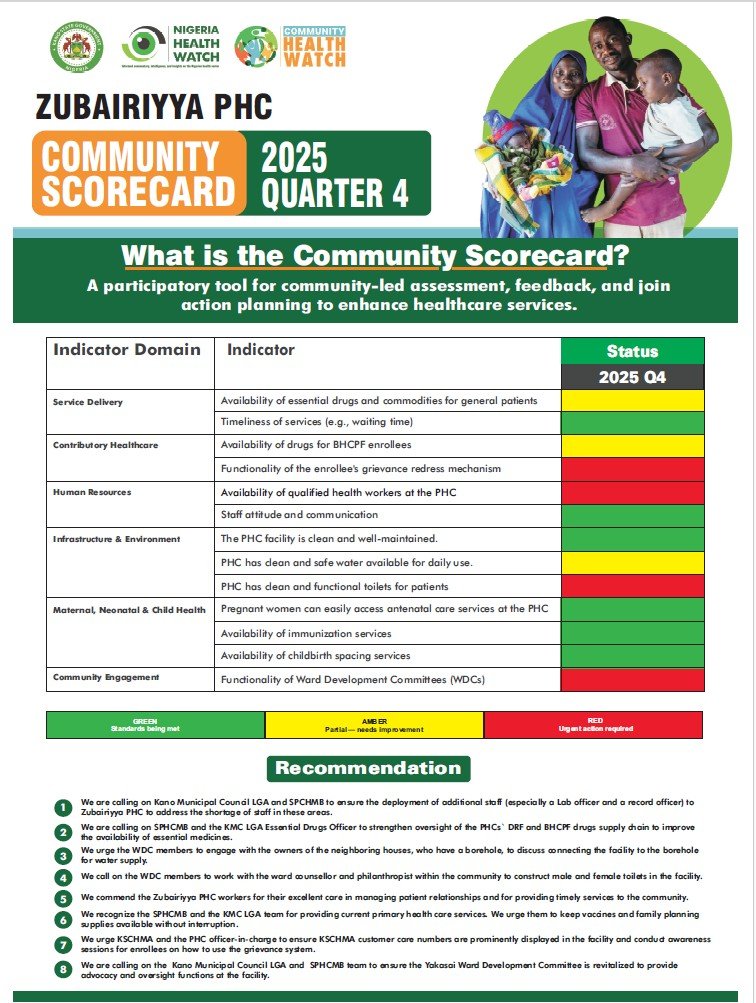
During the meeting, residents expressed concerns about inadequate staffing, poor awareness of health insurance enrolment, lack of awareness of the existence of WDC and its functions, and limited infrastructure, which were also reflected in the scorecard assessment. Participants noted that many community members registered under the BHCPF were unaware of their enrolment status and the benefits available to them.
A representative of the ward head, Muhammad Auwal Yakasai, acknowledged the facility’s importance to the community, saying, “we are happy with the facility because we use it.”
Other residents, including Zainab Ali Usman and Khadija Abdul Yakasai, commended health workers for maintaining cordial relationships with patients and reducing waiting times despite existing challenges.
The town hall also revealed concerns about inclusion and infrastructure. During the community scorecard session, stakeholders observed that no representative of Persons with Disabilities (PWDs) was present, despite their expected representation within the WDC structure.
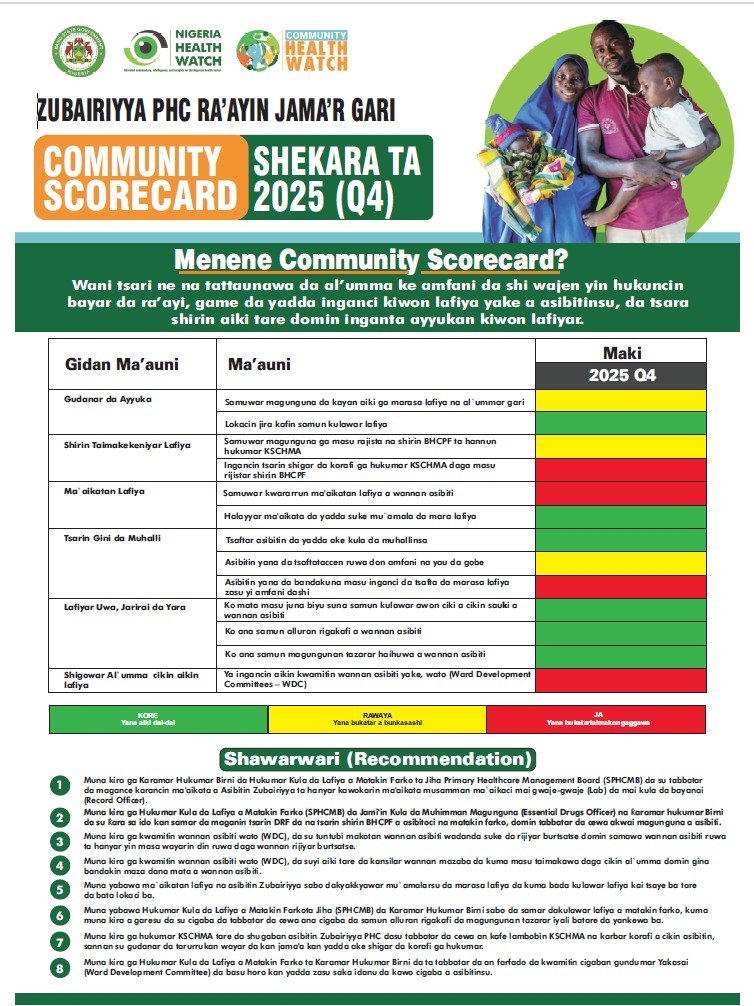
Community members further raised concerns about the absence of a functional patient toilet. A WDC member explained that the facility’s existing toilet had been converted into a delivery room to address urgent maternal healthcare needs, while funding constraints had delayed plans to construct a temporary replacement.
Providing expert insights, the Officer-in-Charge of the facility, Musa Ibrahim Buhari, stated that BHCPF enrolment had improved significantly. “People are now coming daily to enrol, unlike before. We also provide family planning, immunisation, and other essential healthcare services,” he said. However, he acknowledged that staffing shortages continue to affect service delivery.
The discussions highlighted how inadequate human resources, infrastructure deficits, and limited awareness of health insurance services can reduce the effectiveness of BHCPF interventions. While residents acknowledged improvements in service delivery, stakeholders agreed that addressing these gaps is critical to achieving better health outcomes.
These findings support the objectives of Nigeria’s Health Sector Renewal Strategic Plan, particularly its commitment to strengthening primary healthcare systems, improving healthcare financing, and ensuring equitable access to quality services for all citizens.

Therefore, community leaders, government agencies, and development partners should prioritise;
- Investments in health worker recruitment,
- Inclusion of People Living with Disabilities in health dialogues
- Community sensitisation and awareness campaigns on existing accountability mechanisms and health insurance coverage, and
- Construction of a functional toilet facility.
As discussions concluded, participants agreed that regular town hall meetings remain vital for promoting accountability, amplifying community voices, and ensuring that healthcare services respond to the needs of the people they serve.
Leave a Comment
Your email address will not be published. Required fields are marked *