
In Kano, Arts and Craft Sessions Are Improving Menstrual Health for Women and Girls
Related Stories
Revitalised Ungwan Dosa PHC Still Faces Access Gaps
Sep 24, 2026
Hafsat Bello
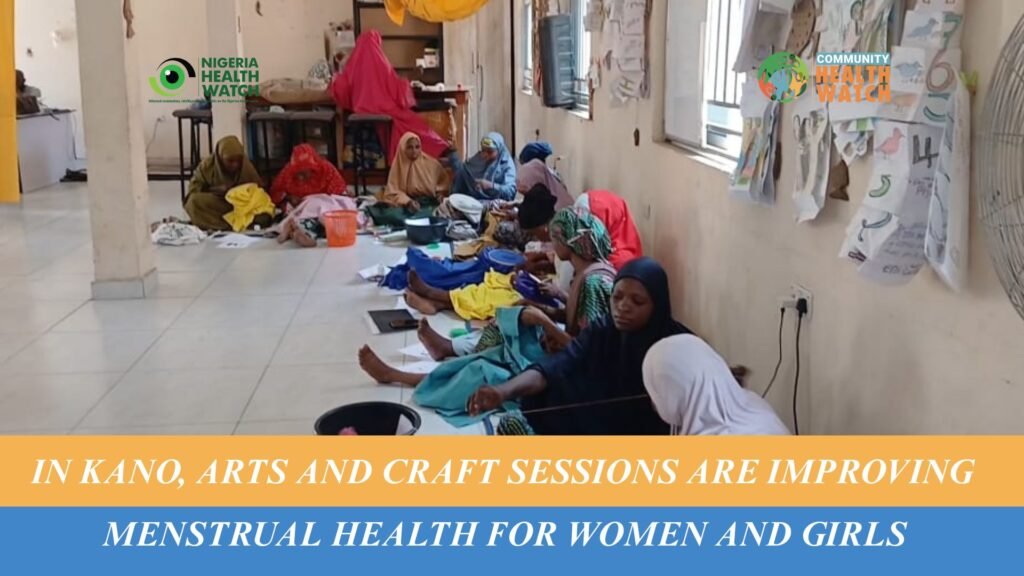
Every month, women gather for craft sessions in circles at the Sani Mai Unguwa ICT Centre in Dala Local Government Area (LGA) of Kano to learn hand stitching. But the most valuable skill they take home is how to protect their health using storytelling.
What begins with needles and colourful threads ends with conversations that are helping women break the silence around menstrual health and share lifesaving knowledge across their communities.
The May 2026 edition of the Furanni programme organised by Five Cowries Art Education Initiative in collaboration with Nigeria Health Watch focused on menstrual health, using arts and crafts as a platform to educate women on topics often shrouded in silence.
For Nasiba Sani, the menstrual health session changed years of painful monthly experiences.
“I used to dread my monthly flow because it always came with agony until I learned how to manage the pain. Now I can function as a productive member of society during that time,” she said, explaining that the craft session corrected misconceptions she had held for years.
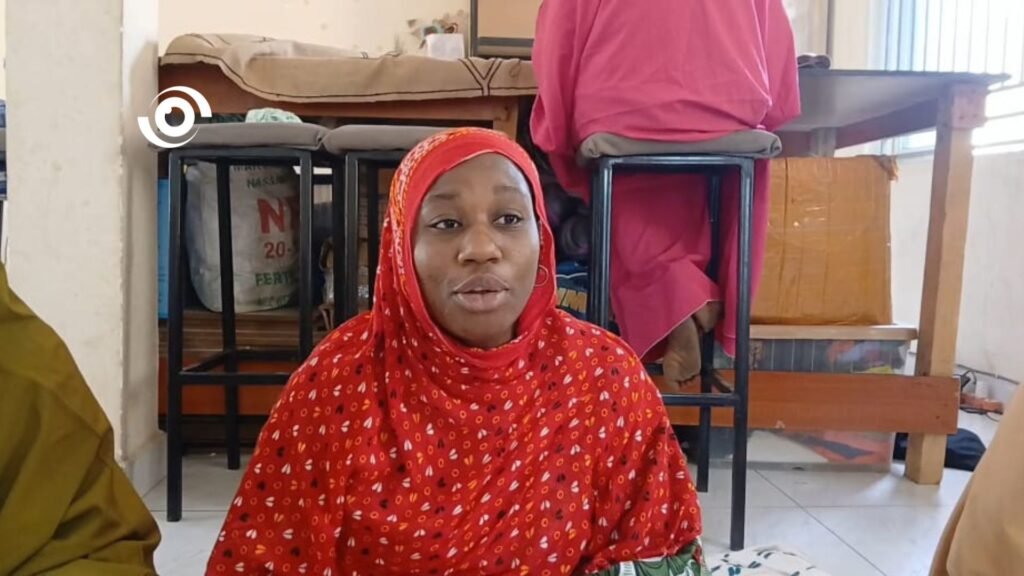
“I learned that sanitary pads should be changed after specific hours instead of being worn all day, which can cause infection. The hot water bottle technique has also been a lifesaver.”
Another participant, Zulaihat Nasir, said combining crafts with health education encourages open conversations. “When people see me practising what I have learned, they become interested. I use that opportunity to teach them both health knowledge and the craft. Through this, I have taught young girls the signs of infection and when to seek treatment.”
Programme Assistant, Hamida Mansur Madaki, said the initiative is creating a network of women who serve as trusted health educators within their communities. “We currently have 75 women across three local government areas in Kano who are part of the programme, and they go on to teach hundreds more. It is encouraging to see the progress they are making,” she noted.
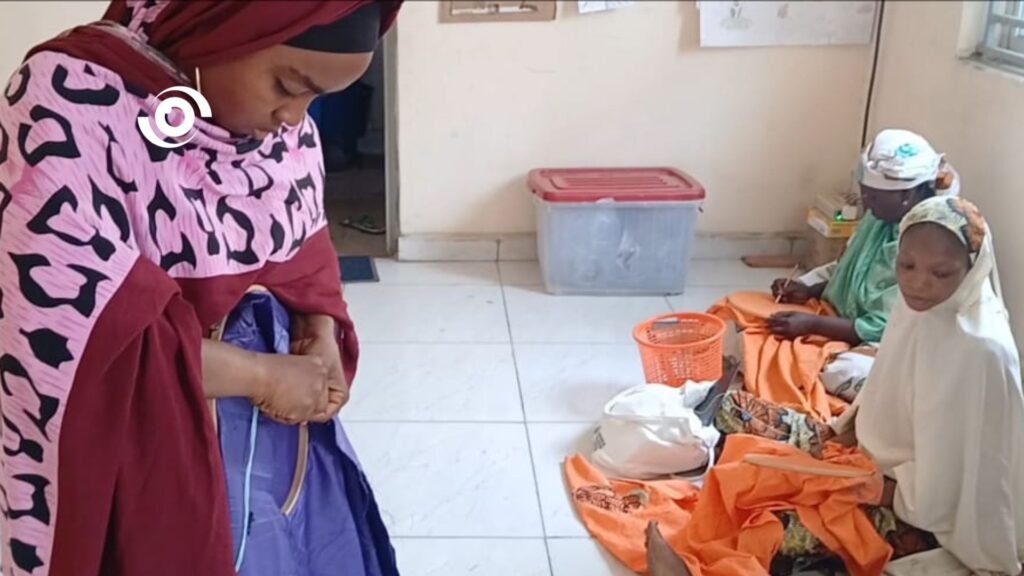
She added that integrating health education into practical livelihood activities creates safe spaces where women are more willing to ask questions, share experiences, and adopt healthier behaviours.
The initiative demonstrates how community-based platforms can extend health education beyond formal health facilities. With 75 trained participants across 3 LGAs, each expected to reach at least 10 people, the programme has the potential to directly influence more than 750 community members with accurate menstrual health information.
By equipping women with practical knowledge and encouraging peer-to-peer learning, the programme contributes to improved health-seeking behaviour, early recognition of reproductive health concerns, and stronger community awareness of preventive healthcare practices.
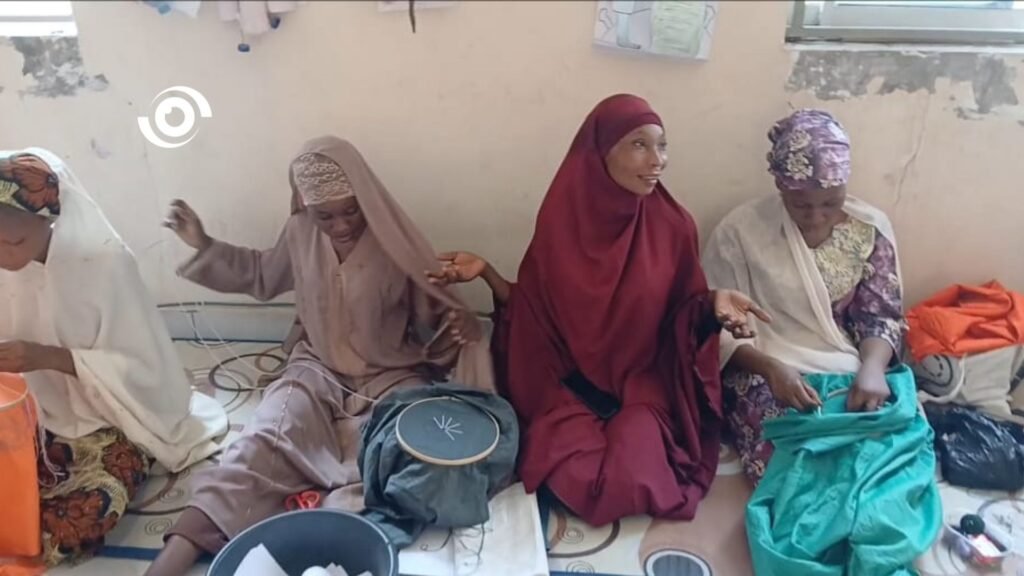
The Nigeria Health Sector Renewal Investment Initiative (NHSRII) prioritises health promotion, community engagement, and equitable access to quality primary healthcare. Initiatives like Furanni complement these priorities by empowering women with practical health knowledge and enabling them to become agents of positive behaviour change within their communities.
Government, development partners, and community organisations should.
- Invest in innovative community platforms that combine skills development with health education.
Expanding such initiatives can help improve health literacy, promote preventive healthcare, and strengthen community participation in primary healthcare.
As colourful threads weave together pieces of fabric in Kano, they are also weaving stronger, healthier communities, one conversation, one woman, and one family at a time.
Leave a Comment
Your email address will not be published. Required fields are marked *