

Community Feedback Prompts PHC Upgrade in Gauraka, Niger State
Related Stories
Revitalised Ungwan Dosa PHC Still Faces Access Gaps
Sep 24, 2026
Hajara Sambo
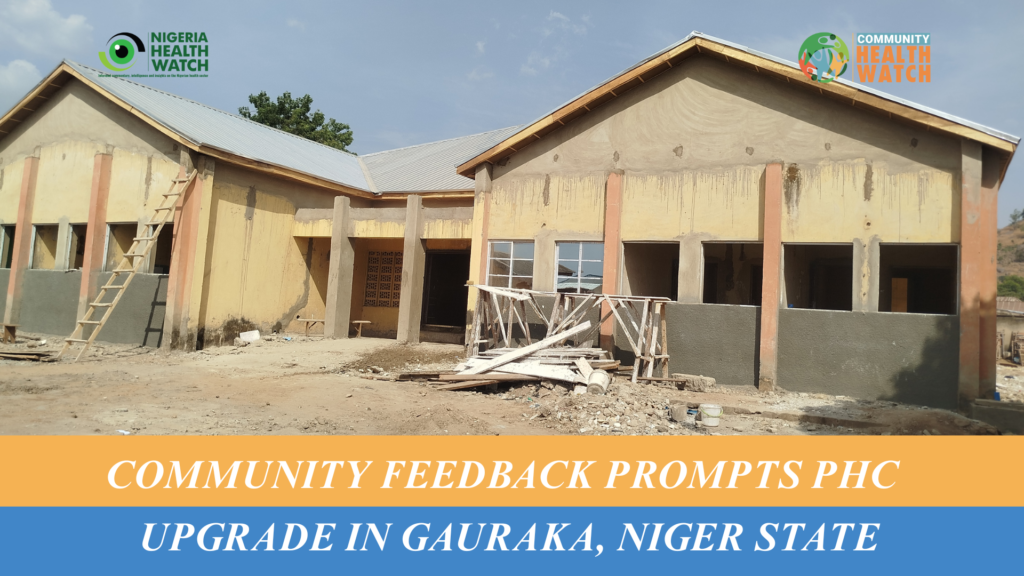
Months after Gauraka Model Clinic was discussed for the potential risks it poses for pregnant women, signs of improvement are finally emerging.
Earlier in 2025, Community Health Watch findings revealed that Gauraka Model Clinic in Niger State, which is a Level 2 Primary Health Centre (PHC) and Basic Health Care Provision Fund focal facility, served multiple communities but struggled with severe staff shortages, poor infrastructure, drug stockouts, lack of electricity, and inadequate equipment.2
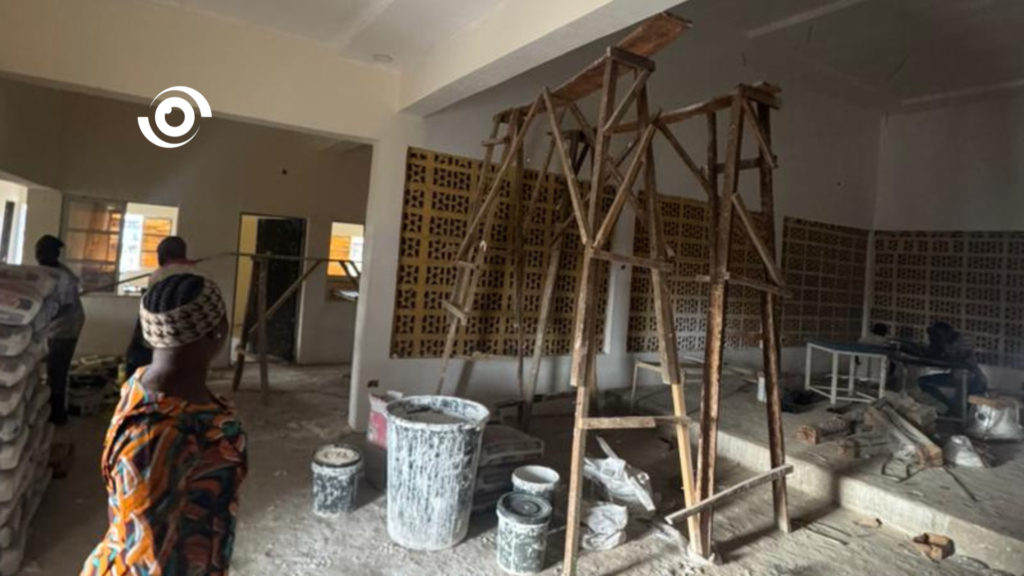
These challenges forced many pregnant women to rely on home deliveries and traditional birth attendants, increasing maternal and newborn risks. Following widespread attention generated by the report, UNICEF and Gavi, in collaboration with the Niger State Government, commenced a comprehensive renovation of the health facility.
Rose Yakubu, the Officer-in-Charge, recalled how difficult conditions had become before the intervention. “After your reports last year went viral, many people became involved. Before, we bought water, our roof leaked, and our staff worked under difficult conditions,” she said.

The improvements include ongoing renovation of critical sections of the facility to enhance sanitation, patient comfort, and the working environment for health workers. Yakubu believes the changes will encourage more women to access antenatal care, immunisation, and skilled delivery services. “Today, we have a borehole, the leaking roof has been fixed, and this renovation will greatly improve the quality of care we provide,” she said.
The village head, Mallam Zakarin Jibrin, described the intervention as a major relief. “Many neighbouring communities depend on this clinic. We appreciate everyone who contributed to making this renovation possible because it will greatly benefit our women and children.”
The Deputy Director of PHC, Niger State Primary Healthcare Development Agency, Malam Shehu Maidawa, said the intervention aligns with ongoing efforts to strengthen primary healthcare systems across the state and ensure that rural communities receive quality healthcare services.
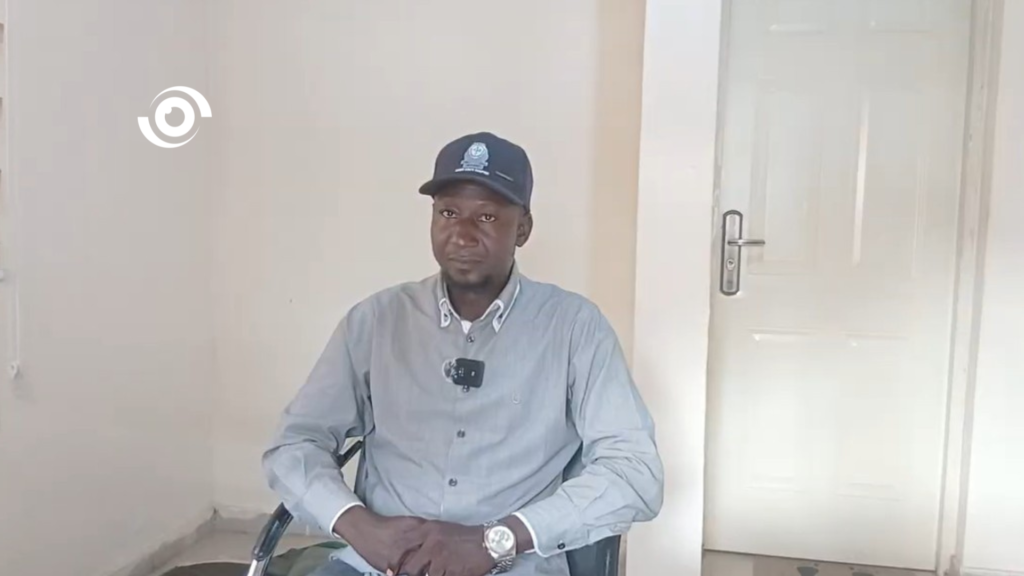
“Although there was a plan to revitalise the PHC before now, the published report sped the process. Improving primary healthcare remains a priority because it directly affects the wellbeing of mothers, children, and families. Partners like Nigeria Health Watch are drivers of progress, because their reports are always accurate, factual and solution-driven, ensuring that healthcare facilities in rural communities are better equipped to serve the people,” he stated.
He further assured residents that the government and its partners remain committed to improving healthcare infrastructure, manpower and essential services across primary healthcare facilities in Niger State.
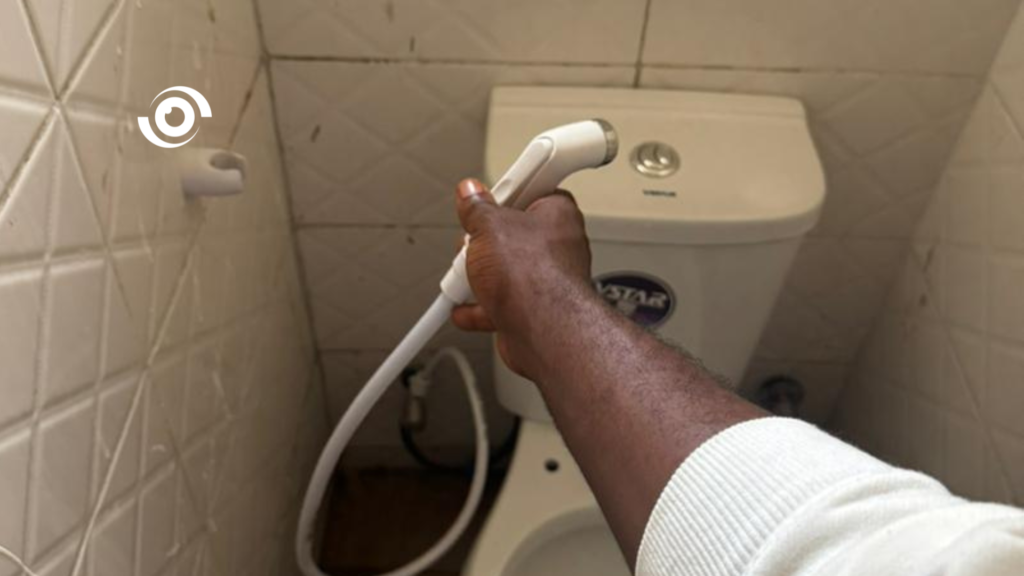
The transformation demonstrates how evidence-based community reporting, government commitment, and development partners can strengthen primary healthcare systems. It also supports the Nigeria Health Sector Renewal Investment Initiative (NHSRII), particularly its second pillar, which seeks to deliver equitable, quality primary healthcare for all Nigerians.
Sustaining these gains to ensure the clinic consistently provides quality maternal and child health services will require continued investment in
- Staffing,
- Essential medicines,
- Equipment, and
- Maintenance
As Gauraka Model Clinic continues its transformation, it stands as a reminder that community voices, when heard and acted upon, can translate into healthier mothers, safer births, and stronger primary healthcare systems.
Leave a Comment
Your email address will not be published. Required fields are marked *