

Women Are Transforming the Global Health Workforce, But Not Yet Its Leadership
Related Stories



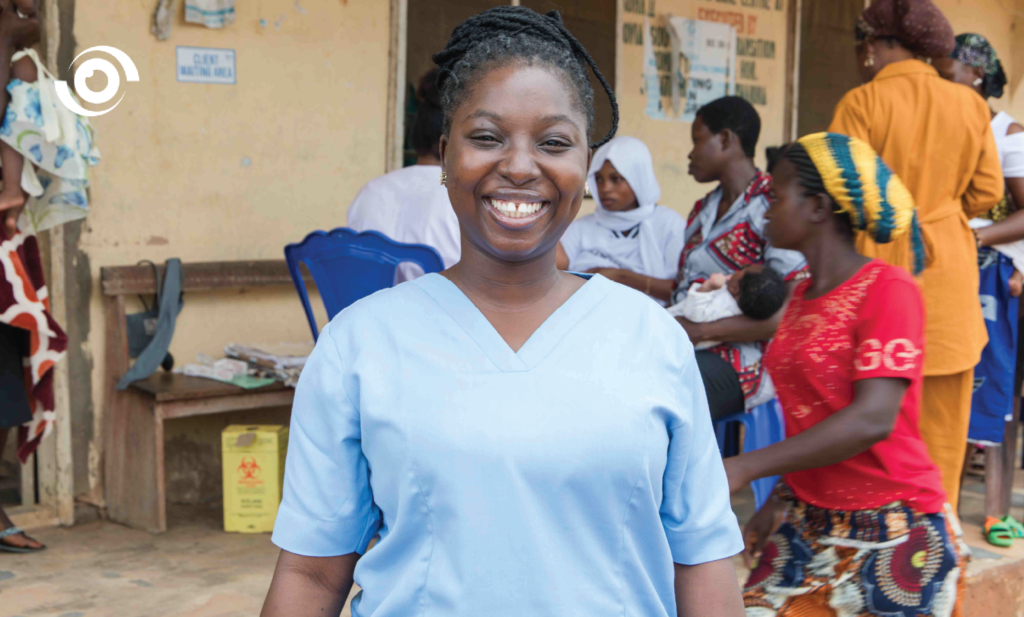
In Wammako, a Local Government Area (LGA) in Sokoto, Nigeria, Asma’u Shehu, a community health worker, does more than provide care. People in the community see her as a medic, teacher, counsellor and mobiliser who builds trust for the formal health care system.
However, despite women like Asmau’s strong presence and their close relationships with patients and communities, they remain underrepresented in higher-level positions.
Greater representation in senior roles provide women health workers with stronger opportunities for career advancement, professional recognition, and economic empowerment, while giving them a greater voice in the policies and decisions that shape global health systems, especially for women.
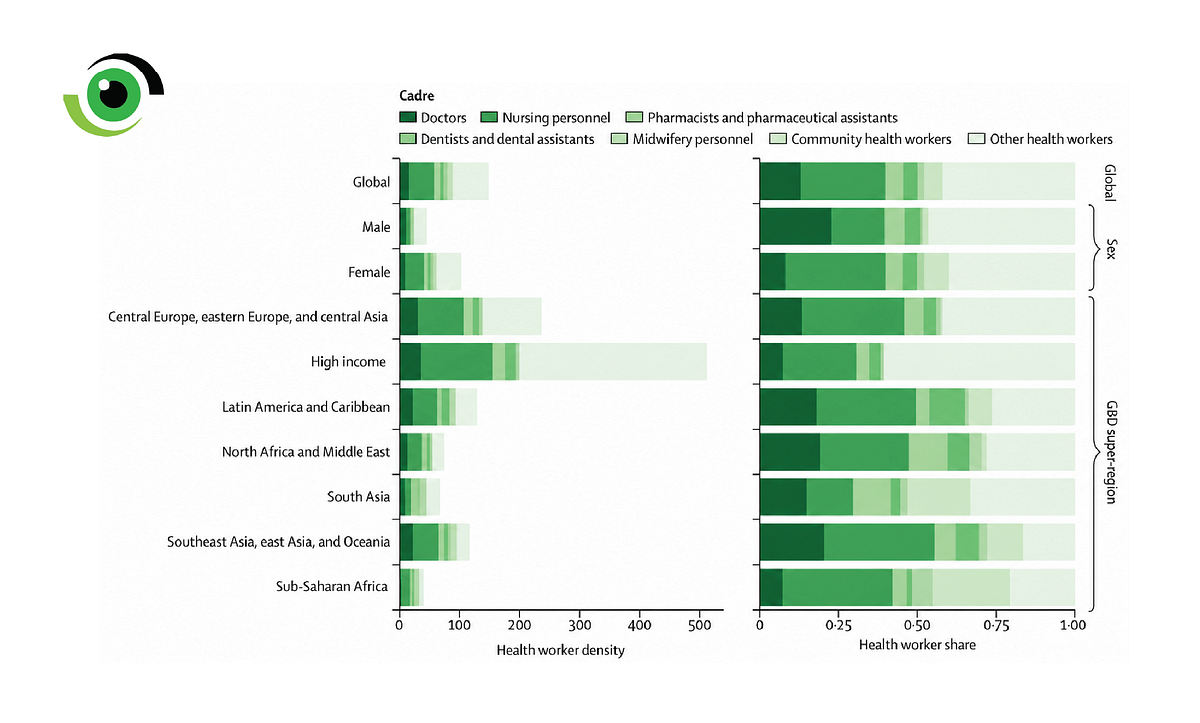
Existing research indicates that the health workforce remains highly segregated by gender across different occupational cadres. While some professions, particularly medicine, have experienced increasing “feminisation,” the research stated, the growing participation of women in occupations traditionally dominated by men has not been studied consistently across countries.
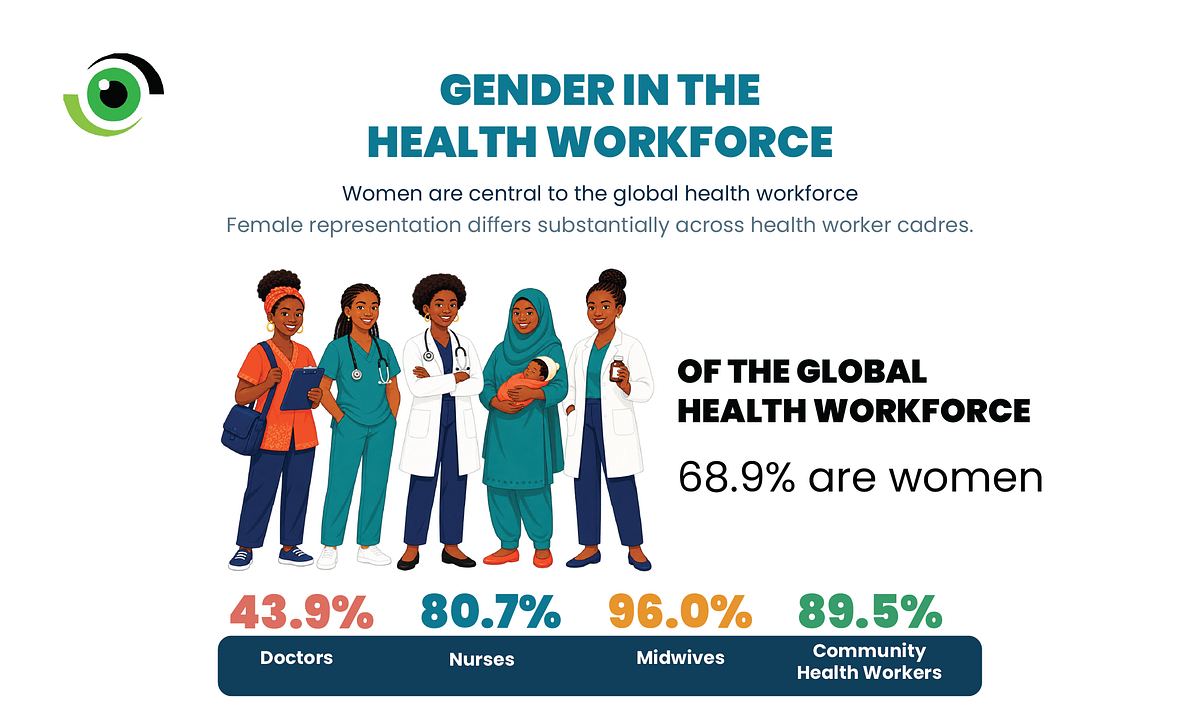
According to a Lancet study published in August 2026, which assessed the health workforce in 204 countries, women accounted for an estimated 68.9% of the global health workforce, however, female representation varied considerably across cadres, comprising 43.9% of doctors, 80.7% of nurses, 96.0% of midwives, and 89.5% of community health workers (CHWs).
The study further found that women made up most dentists and dental assistants, however, female representation was notably higher in lower-skilled positions than in higher-skilled roles. Women accounted for 75.4% of pharmaceutical assistants, compared with 53.4% of pharmacists, while 90.1% of dental assistants were female, compared with 49.3% of dentists.
Why women dominate
Nursing, midwifery and CHWs have long been shaped by gendered expectations around care. Midwives provide skilled clinical care throughout pregnancy, childbirth and the postnatal period, while CHWs extend essential health services beyond the walls of health facilities into communities, supporting immunisation, health education, and community mobilisation.
While these professions have become increasingly skilled and professionalised, the perception of care as “women’s work” has also contributed to the work being undervalued.
Over time, these roles, which involve nurturing, caregiving, listening and supporting families, have historically been associated with women, making these professions more socially acceptable pathways for women entering the health workforce.
An illusion of gender equality
According to the Lancet study, between 1990 and 2023, the global health workforce grew by 81.2 million workers, nearly tripling in size. This included 18.9 million additional nurses and 8.7 million doctors. Women accounted for about 71% of this growth, with nursing recording the largest increase in the number of women joining.
However, the sheer number of women in the health workforce can create the illusion that gender equality has already been achieved, but representation is not the same as power.
There is also a question of what the work is worth. Nursing, midwifery and CHWs require technical expertise, emotional intelligence and enormous responsibility, yet the professions remain associated with low pay, difficult working conditions, limited career progression and inadequate recognition of the emotional and physical demands of the job.
For female health workers in particular, the work may involve long hours in communities, travelling between households and taking on responsibilities that extend far beyond their formal job descriptions.
Additionally, the working day does not end when they leave the health facility or community. They return home to another form of care work, cooking, cleaning, raising children, caring for elderly relatives and managing households. Much of this labour is unpaid and invisible, but it sustains both families and economies.
Nigeria’s case and the impact on UHC
Nigeria offers a clear example of the paradox in the global health workforce, women are central to delivering care, yet their contribution is not always matched by the investment, working conditions or opportunities needed to sustain that workforce.
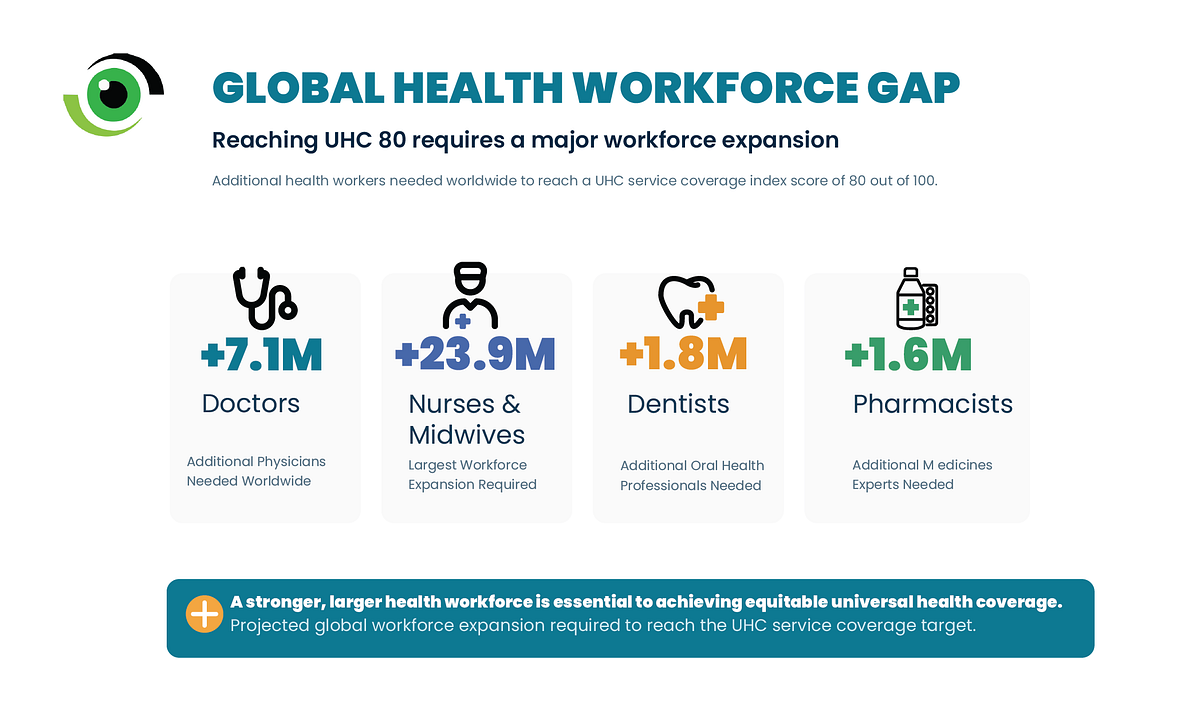
Nurses, midwives and CHWs form an essential part of Nigeria’s primary healthcare system, as their role becomes particularly important in a country where access to healthcare remains uneven and health worker shortages continue to place pressure on an already stretched system.
Health workers are also often unevenly distributed across the country, with urban and better-served areas more likely to attract and retain skilled professionals, while rural and hard-to-reach communities face persistent gaps.
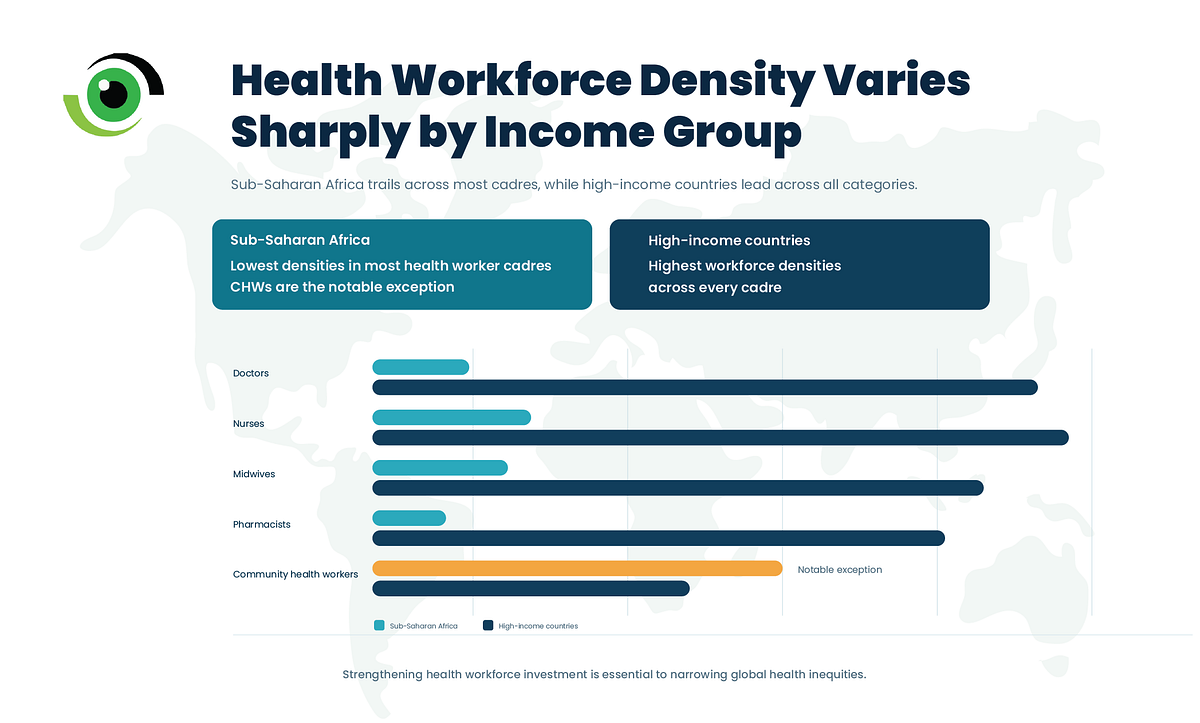
For female health workers, working in underserved areas can come with additional challenges, including commuting long distances, inadequate accommodation, safety concerns, limited childcare support and fewer opportunities for professional development.
The shortage of health workers also places a disproportionate burden on the cadres in which women are highly represented. When facilities are understaffed, nurses and midwives may work longer shifts, manage larger numbers of patients and take on responsibilities beyond their formal roles, and this matters directly for universal health coverage.
Building a health workforce that responds to gender realities
In 2025, the Nigerian government launched the Nigeria Strategic Directions for Nursing and Midwifery 2025–2030, which focuses on expanding training, improving deployment and retention, strengthening leadership and creating clearer career pathways.
The government also reported an increase in nursing school enrolment and plans to recruit 20,000 health workers, 60% of whom are nurses and midwives. However, increasing numbers alone will not be enough.
For Nigeria to translate workforce growth into better health outcomes and progress towards UHC, it must also ensure that the women who form a large part of that workforce are valued, protected, fairly rewarded and represented in decision-making.
A gender-responsive health workforce values care as skilled work rather than treating it as an extension of women’s expected responsibilities. When health workers are supported and given a place at the big tables, the benefits extend beyond women themselves. Health systems become stronger, communities receive more consistent care, and the goal of UHC becomes more achievable.
Leave a Comment
Your email address will not be published. Required fields are marked *