
Nigeria’s COVID-19 Investments Created an Opportunity to Strengthen the Health Infrastructure. Will the Country Sustain the Gains?
Related Stories
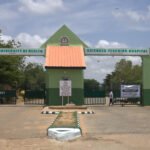


A long terrazzo walkway from Aminu Kano Teaching Hospital (AKTH)’s administrative building leads to various parts of the ever-busy facility. Underneath the trees that line up the walkway are patients’ relatives near the wards and other buildings.
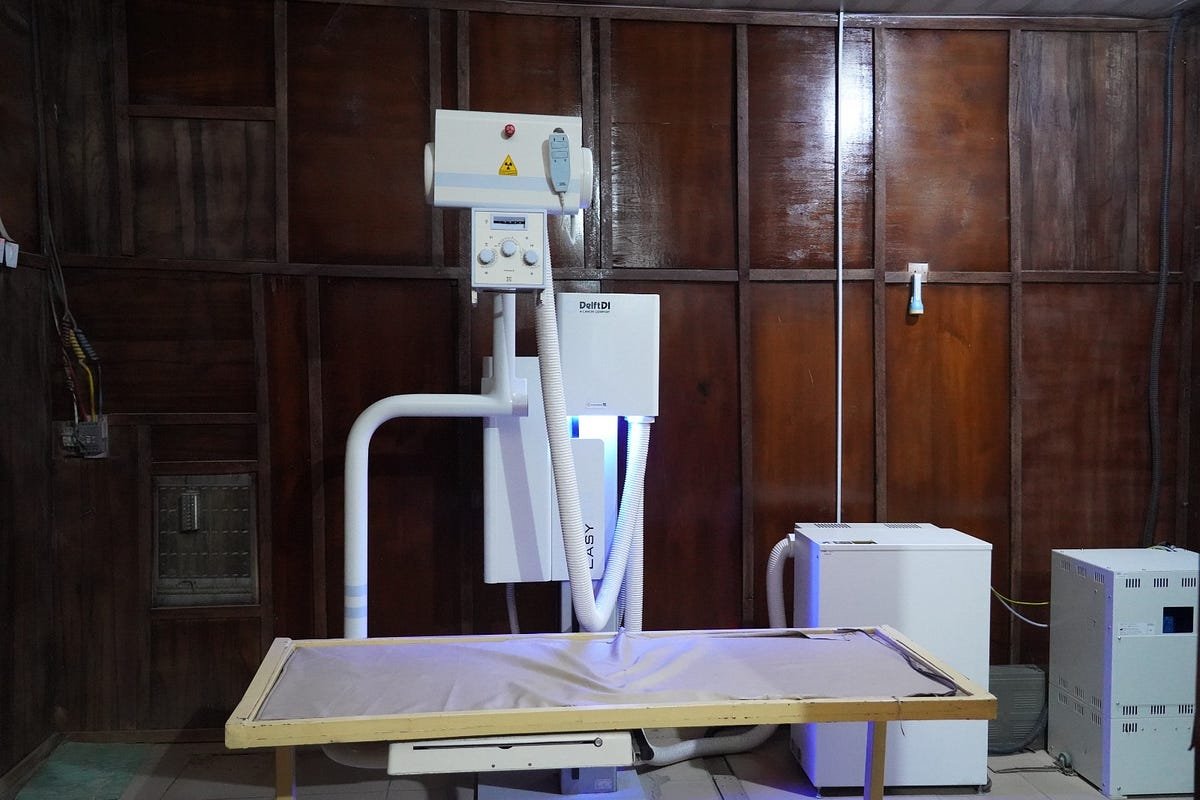
Within the wards of this tertiary healthcare facility are functional medical equipment like defibrillators, infusion pumps, ECG monitors, and mobile digital x-ray systems. On these machines are noticeable stickers that indicate that they were donated by the Global Fund through the National Agency for the Control of Aids (NACA) and theNational Tuberculosis, Leprosy and Buruli Ulcer Control (NTBLCP).
“These donations from NACA are making our work easier,” Mojisola Adeyemo, a critical care nurse at the AKTH, said. “We appreciate it.”
A few kilometres away at Bayero University Kano’s (BUK) Centre for Infectious Diseases Research, Dr Jamilu Abubakar Bala, the deputy director of the centre, who also heads its laboratory noted that the minus 80 Freezer NACA donated has helped them in the storage of COVID-19 samples collected from people who were tested for the infectious disease.
“The equipment is still fully operational and it helped us a lot during the COVID-19 [pandemic] and after, as we do other public health responses like the testing of Lassa Fever, Ebola, Monkeypox and Tuberculosis,” Dr Bala explained, adding that the centre is the only one of its kind in the entire Northwest, frequently receiving samples from neighbouring states for testing and analysis.
AKTH and BUK in Kano, alongside health institutions across all 36 states of Nigeria and the Federal Capital Territory benefited from the Global Fund’s COVID-19 Response Mechanism (C19RM) Grant, which was implemented by NACA andNTBLCP from 2021 to 2025 to strengthen the country’s health capacity for better health outcomes.
A grant supporting stronger preparedness
Nigeria recorded its first case of COVID-19 in February 2020 and eventually reported more than 200,000 confirmed cases by 2024. The country’s response was hampered by limited laboratory capacity and a fragile health system. These challenges were further compounded by procurement bottlenecks and inadequate funding.
According to Yomi Olatunji, Senior Technical Adviser, Health Management Information Systems and Communication System Strengthening (HMIS/CSS), under the C19RM Global Fund Grant, “what we did critically was to look at the challenges we face in the COVID-19 response in the country in terms of data reporting, which was not optimal. Therefore, we could not respond to the pandemic effectively regarding how health facilities are managed.”
Among the benefits the grant offered was the optimisation of Electronic Medical Records (EMR) in health facilities across the country, adding that the Global Fund invested heavily in providing electronic gadgets used to report data from health facilities. According to Olatunji, this has reduced overreliance on paper-based records and makes it easier to transfer data from the health facility to the national system.
Beyond that, it also helped strengthen surveillance, data monitoring, and tracking. They also ensured that all data is aggregated for visualisation and easy decision-making.
Looking back, Olatunji recalled that when COVID-19 emerged, health workers were not fully prepared for an outbreak on such a large scale, while also working within an already overstretched health system.
Dr. Temitope Ilori, Director-General of NACA, said the agency, which coordinated 30 sub-recipients under the grant as the Principal Recipient, invested significantly in strengthening human resource capacity. She said this included training and retraining healthcare workers in various areas, including Infection Prevention and Control (IPC), through a programme implemented in collaboration with the University of Lagos College of Medicine.
On her part, Prof FolasadeOgunsola, Vice Chancellor of the University of Lagos, who also serves asDirector of the Centre for Infection Control & Patient Safety (CICaPS),explained that “the C19RM funds moved us from 30 people to 257 in one year.It helped us to move to different parts of the country and use the people wehave trained as facilitators. Everything just came together and forced us togrow.”
Dr Rhoda Atteh, ProjectDirector, Global Fund HIV/C19RM Grant, NACA, narrated that eventually, thegrant transitioned as the COVID-19 pandemic was no longer apublic health emergency of international concern (PHEIC). At that time, theymoved into a pandemic preparedness response now focused on building thenecessary health systems structures and resilience for the country to beready to be able to respond to any future pandemics.
Enhancing infectious disease control amongst experts
Adefolarin Opewoyi, an IPC consultant at the Lagos University Teaching Hospital (LUTH) who joined the course last year explained that it taught him that IPC is a daily part of human life. “It [infection control] is not what we wait for until there is an outbreak because people are dying from preventable infections every day.”
Dr Emperor Ubochioma, Team Lead Global Fund Grants, at the National Tuberculosis, Leprosy and Buruli Ulcer Control Programme shared key insights on investment in drug storage and information systems.
“For me, the area that I am excited about is the warehousing, where we were able to build 22 warehouses in Nigeria. In fact, we were able to build 22 plus one. The plus one is that Abuja has a national reference warehouse now that can be used technically to ensure that all drugs, all commodities have a storage place in Nigeria, and of very high quality and global standard,” he noted.
Establishing medical oxygen plants to improve access
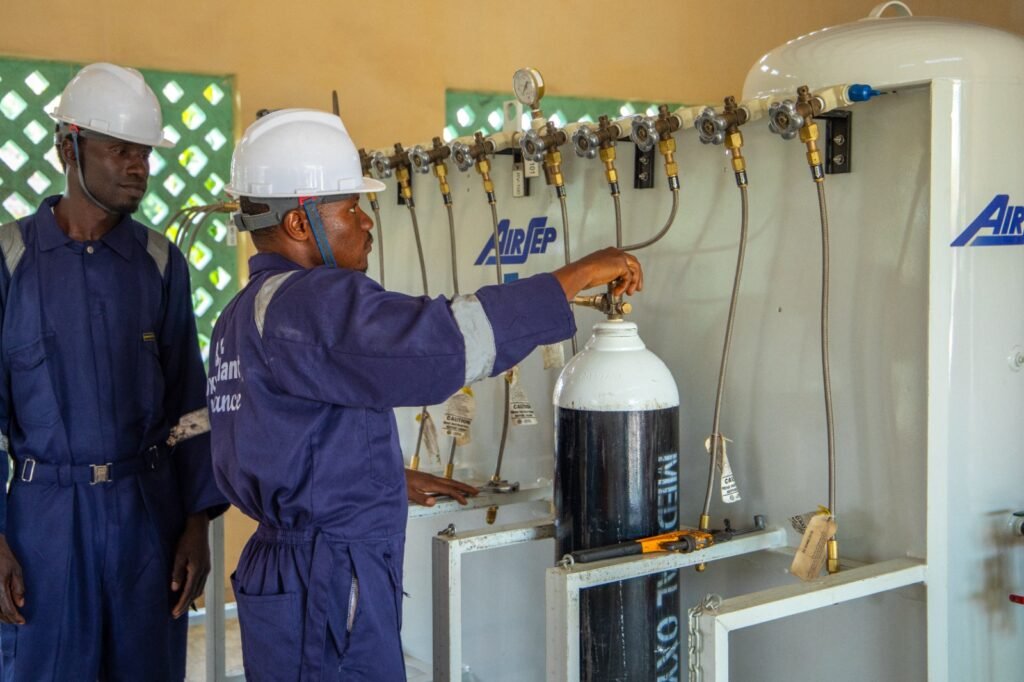
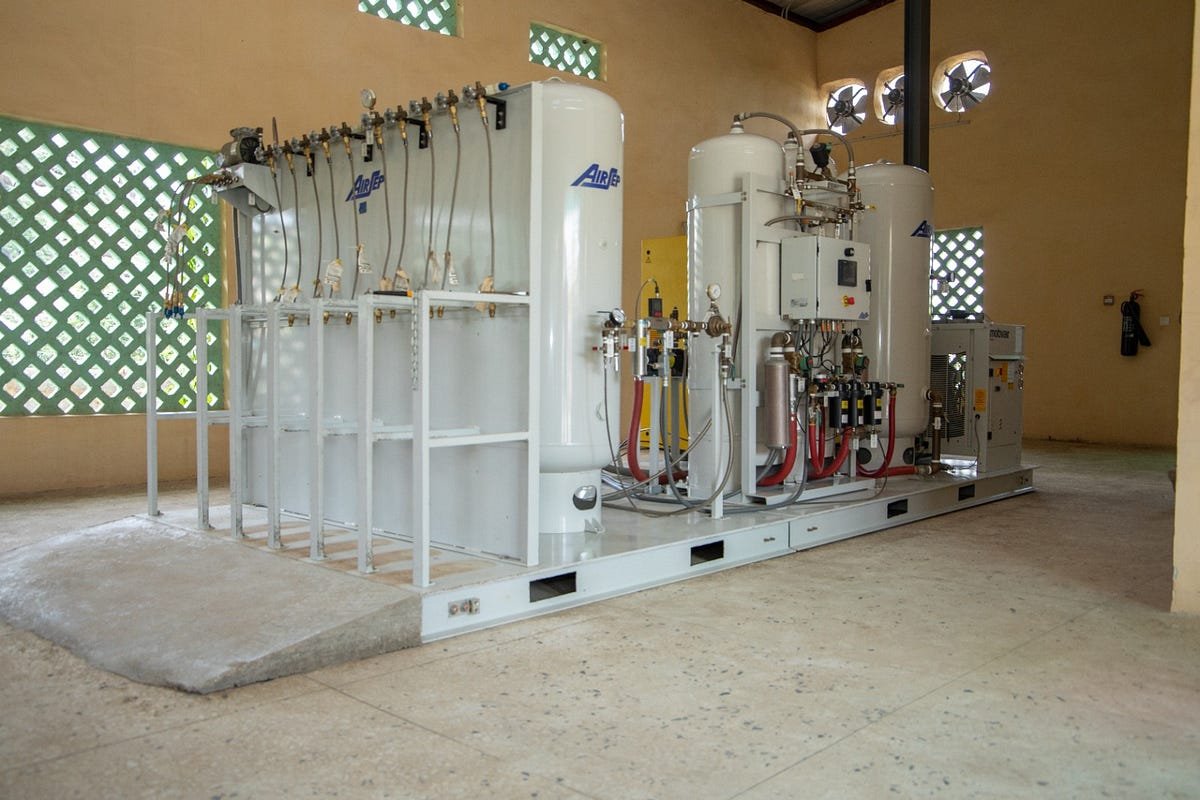
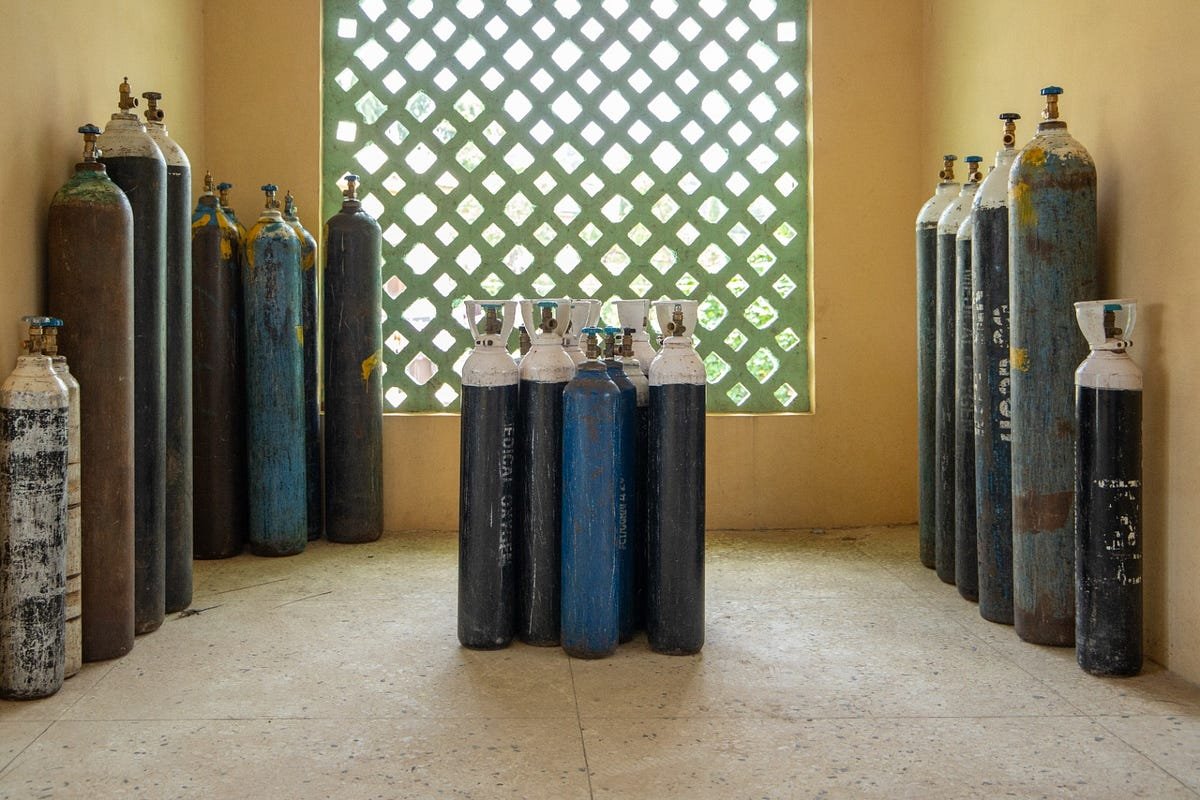
Currently, all tertiary health institutions across Nigeria are equipped with adequate oxygen piping that meets international standards and regulations and remains functional. “Some hospitals were given 100 oxygen cylinders, some were given more than 100,” Dr Ubochioma stated.
During the COVID-19 pandemic, shortages in medical oxygen supply contributed to many preventable deaths, particularly among patients with severe or critical COVID-19. The problem was worsened by the high cost of obtaining oxygen in private health facilities, while most health insurance plans did not cover oxygen therapy, leaving many patients to pay out of pocket.
Dr Omayeli Sesere, Programme Manager for the Resilient and Sustainable Systems for Health (RSSH) and C19RM grants at the National Tuberculosis, Leprosy and Buruli Ulcer Control Programme (NTBLCP), pointed out that the C19 Grant was able to provide 73 oxygen plants all over the country. “Even as we speak, oxygen is being distributed to different facilities all over the country to help close the gap. We also have the oxygen piping, it isn’t just about generating oxygen, but that oxygen must be transported to patients when they need them.”
A healthcare system strengthened
Although COVID-19 is no longer classified as a pandemic, the investments made through the grant continue to strengthen Nigeria’s health system.
The funding supported the country’s transition toward integrated health service delivery by equipping health facilities with diagnostic tools that enable healthcare workers to assess and manage patients, rather than focusing on a single disease such as tuberculosis, malaria, or HIV.
Dr Sesere stated that all the investments were made with sustainability in mind, adding that all the warehouses can generate income in their respective states, and that they can later use the profit to maintain these stores. She added that the warehouses that were built can be used to generate income, and what they generate would later be used to maintain them and keep the investments running.
Abiola Oshunniyi, Grant Manager for the Global Fund C19RM RSSH at the Nigeria Centre for Disease Control and Prevention (NCDC) stated that “we [Nigeria] now have one of the best genomics facilities in Africa and in the Global South, and all of this is within the Central Public Health Lab (CPHL) in Yaba, in Lagos, and that is connected to some of the investments that were done as a result of the C19RM.”
Thegrant faced implementation challenges
Dr Rhoda observed that the biggest challenge for her was how very wide in scope the grant itself was. “It had a whole range of investments across different parts of the health system, in terms of the total number of activities, the total number of implementers involved.”
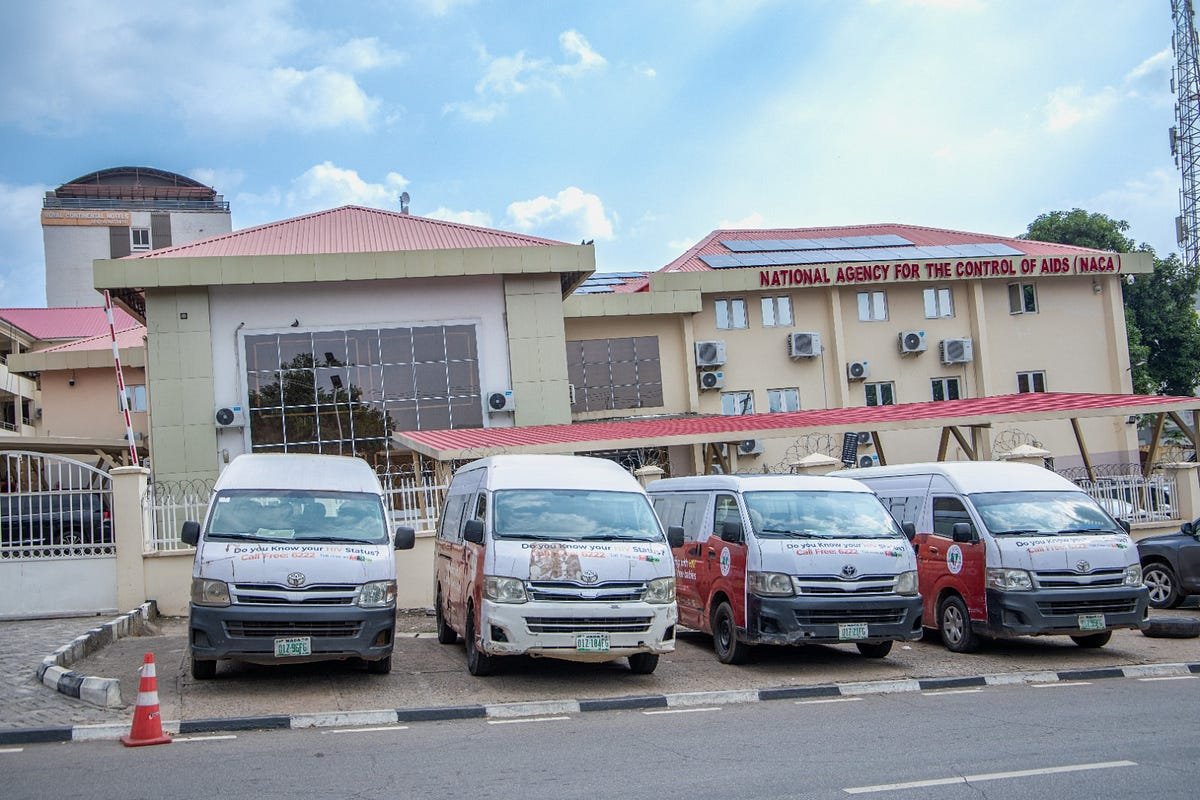
Pharmacist Okpara Ikechukwu, Technical Advisor- Health Procurement and Supply Chain Management, Global Fund HIV/C19RM Grant at NACA, who leads the health procurement and supply chain unit for the grant, recalled that there were challenges associated with procurement of this life-saving equipment. He explained that because it is an international procurement, some of the equipment procured came by sea and some by air, and there were delays.
Jeong Eun Bak Program Manager, UNICEF, added that another challenge they faced was delayed construction of warehouses, “The delay was in importing certain equipment that was necessary for the construction, unfortunately, some were held up at the port in Lagos for three months, which unnecessarily and inevitably delayed the work execution from the original timeline.”
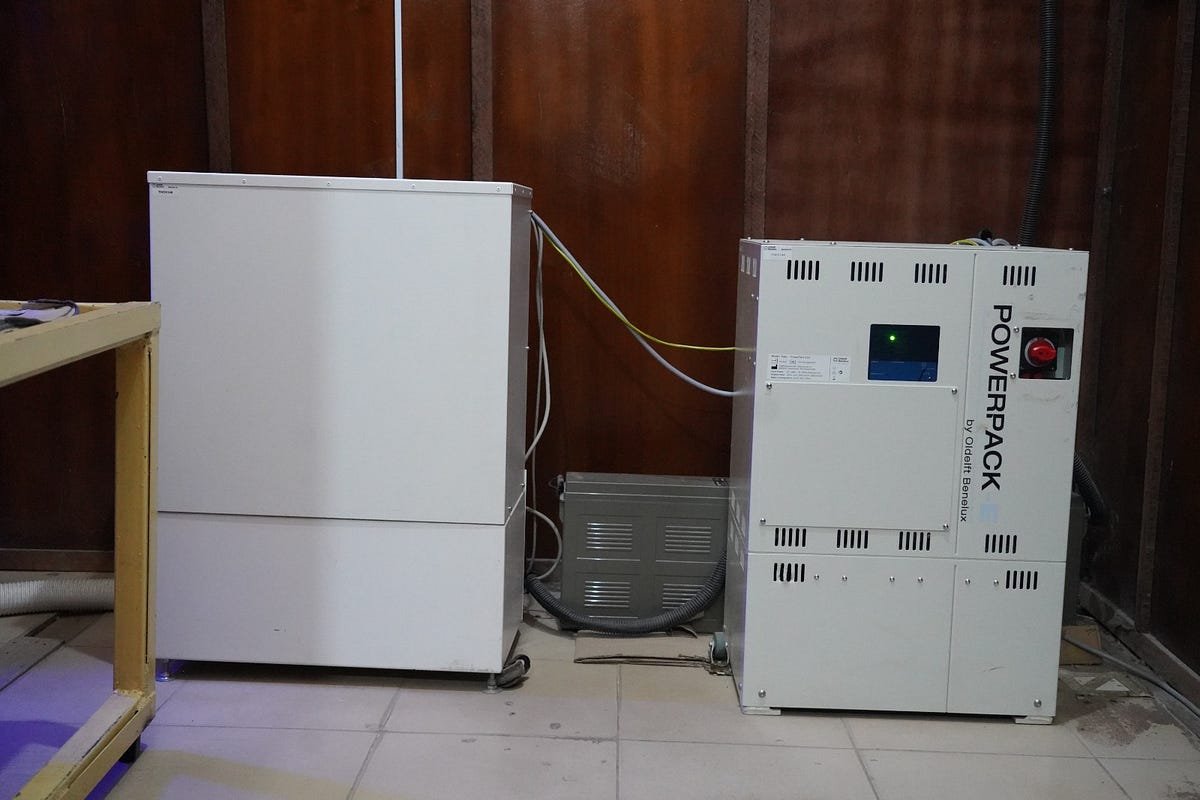
Dr Bala in BUK’s Centre for Infectious Diseases Research also cited unstable electricity as a problem. “The solar [power] in our lab cannot power the freezer. We rely on generator that is attached to the Centre or the national grid.”
He added that because the university has competing priorities, they do not always get diesel to fuel the Centre’s generator. This, according to him, is the major challenge when using the freezer.
Dr Sesere added that one thing COVID-19 taught Nigeria was to always look at the bigger picture. “Think about the health system holistically. What can we doto strengthen the system, and not just for now, but for years to come.”
The Project Director, Dr Rhoda concluded that, “Every aspect of the COVID-19 grant was useful, was critical. The areas that were infrastructure-heavy, like the investments in the oxygenecosystem, the investments in the laboratory infrastructure, investments insoftware, investments in hardware, surveillance systems, and for me that isthe most significant part that would continue to benefit the country.”
Leave a Comment
Your email address will not be published. Required fields are marked *