

‘Garden in a Box’ Initiative is Helping Pregnant Women Eat Nutritious Food While Building Self-Reliance Through Gardening
Related Stories

Tzar Oluigbo (Lead writer)
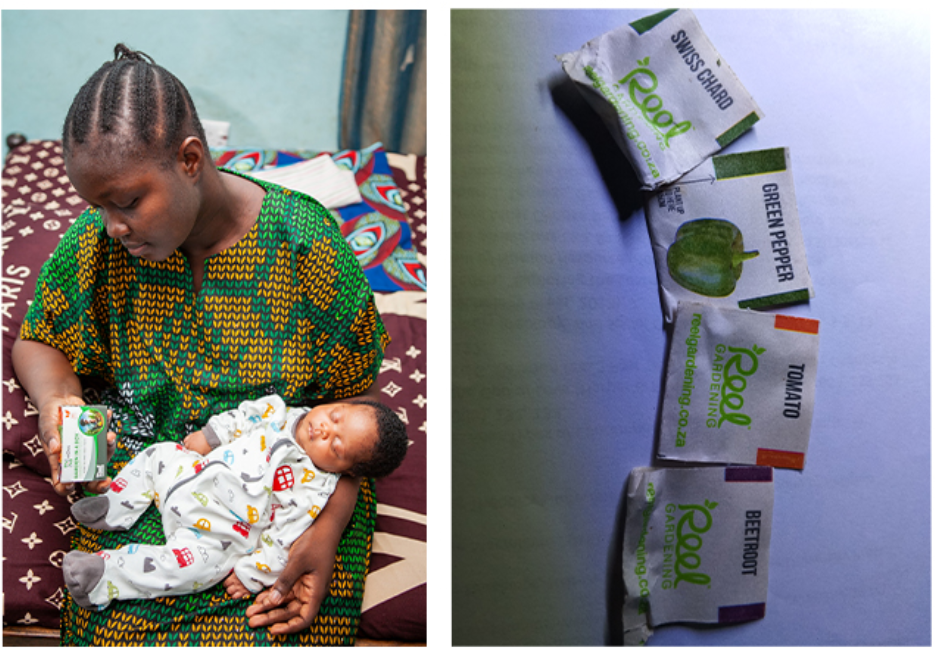
Tola (not real name) did not expect much when she first received the small white box with a bunch of biodegradable seed sheets neatly tucked inside. Yet, the spinach, beetroots, and tomatoes she planted sprouted within weeks.
For the first time in months, she could pick fresh vegetables at home. “I never imagined that something as simple as a small box of seeds could make such a difference,” Tola said. “Now, I have fresh vegetables at home, and I feel more confident knowing I’m giving my body and my baby the required nutrition.”
This was her introduction to Garden in a Box, an initiative under mDoc’s Digital Mom Project, that supports pregnant women and those planning a pregnancy with practical tools to improve their diets during pregnancy and beyond.
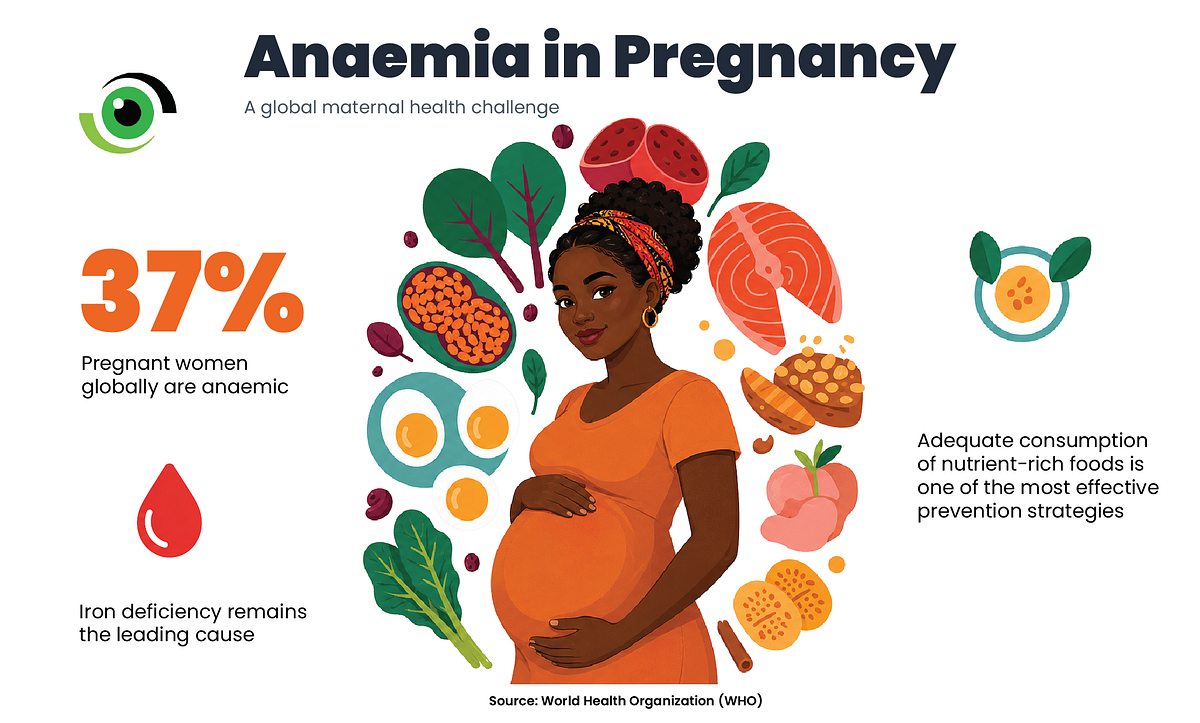
If women can grow vegetables at home, the quality of their diets may improve during pregnancy, when anaemia and poor dietary diversity are common.
What is in the box, and why?
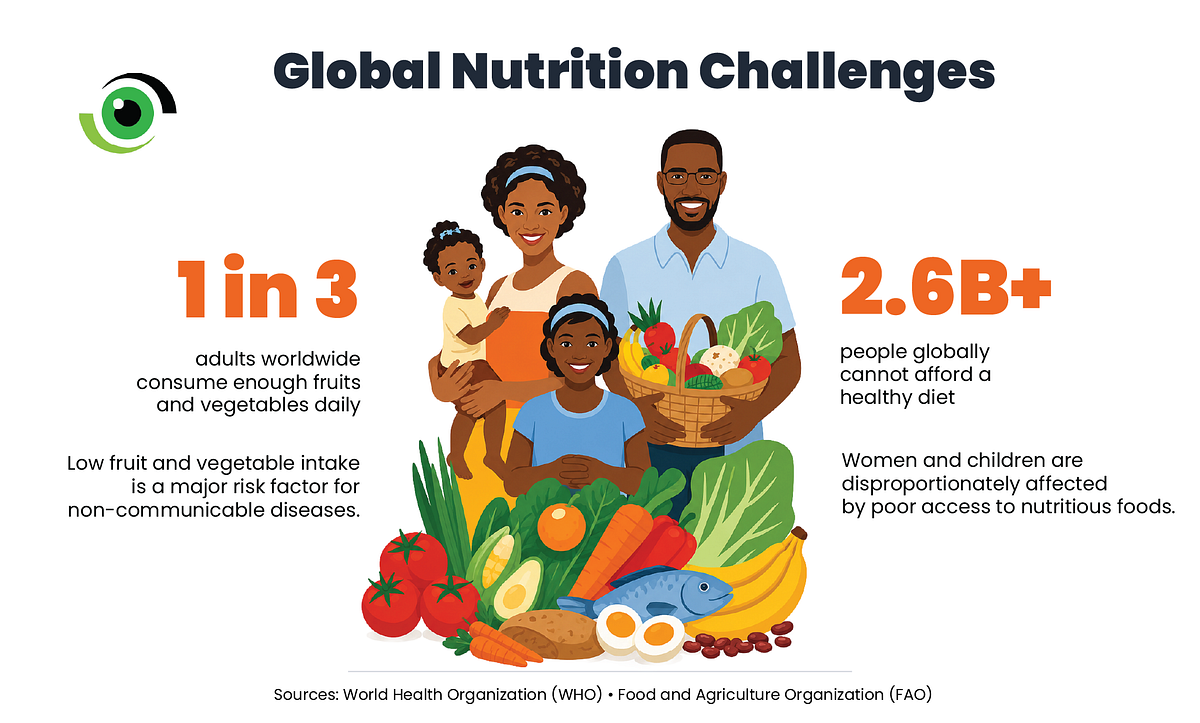
Non-communicable diseases (NCDs) such as hypertension, diabetes, and obesity account for about 74% of deaths worldwide. In Nigeria, NCDs claim roughly 565 lives per 100,000 people. Women in low-resource settings face a higher risk of NCDs during pregnancy, in part due to limited access to nutritious food. Poor nutrition is a major risk factor for many NCDs.
“From our baseline survey of 27,000 women conducted in Lagos and Ekiti between July 2023 and February 2025, dietary habits showed critical gaps, with about 10% reporting low consumption of fruits, vegetables, and whole foods,” said Akinwale Alufa, the project lead in Ekiti. For mDoc, these figures emphasised the need to integrate nutrition-focused support into existing maternal health programmes.
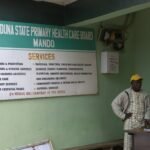
mDoc is a digital health social enterprise that uses technology and community-based coaching to help people live healthier lives, especially across underserved communities in Nigeria. mDoc is implementing the Digital Mom Project and its Garden in a Box initiative in Lagos, Ekiti and Kaduna states.
The box usually includes seed sheets for vegetables selected for their high levels of micronutrients commonly lacking in women’s diets. Abisola Faith-Duye, mDoc’s nutritionist and health coach, explained the science behind it. “We have two varieties of boxes. One includes red and green bell peppers, rich in vitamin C, antioxidants, and fibre, which help reduce inflammation and strengthen immunity. The second contains green beans, spinach, carrots, fluted pumpkin, and beetroot, providing nutrients essential for blood sugar regulation and foetal development.”
To ensure the boxes reach the women who need them most, the Digital Mom Project relies on a structured process that begins with coaching. Coaches screen participants for diet-related needs, refer them to a nutritionist, and when criteria are met, provide a garden kit to improve access to vegetables during pregnancy and postpartum.
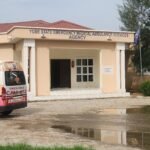
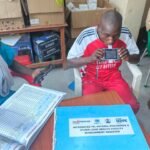
Women are onboarded in primary healthcare facilities, mDoc NudgHubs™, during community outreaches, or at marketplace activations. The onboarding process includes a baseline assessment that captures nutritional behaviours, chronic disease risk, fruit and vegetable consumption, and the influence of misinformation on antenatal care decisions. For example, some believe pregnant women should avoid vegetables or protein-rich foods to prevent the baby from growing “too big”. This misconception risks pregnant women having a reduced protein and micronutrient intake.
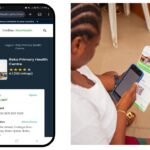
“We realised that many women were showing signs of nutritional deficiencies and had questions about food access, weight management, or anaemia,” said Akinwale. “So, we tied the Garden in a Box model to the Digital Mom Project in a manner that once a coach flags a nutritional concern, the woman is referred to a nutritionist for a structured nutrition and lifestyle assessment.” He added that the team reviews key indicators, including diet quality and dietary diversity (especially low fruit and vegetable intake), and the woman’s readiness to participate in follow-ups and monitoring through the CompleteHealth ™ app or web-based platform.
“If the need is valid, she receives the box, designed to fill gaps such as iron- or vitamin A-rich vegetables.” This approach enables early intervention, often identifying nutritional risks before they become severe. When timely support can still shift maternal outcomes. The outlier system, which is a system that has been set in place to capture elevated blood pressure, blood sugar, and body mass index, lagged Tola during onboarding. The coach was notified, and Tola disclosed she was newly pregnant. She also reported limited access to fresh foods.
Implementation involves both remote and in-person guidance. Akinwale explained that “each seed sheet is biodegradable and is wrapped in fertilizer, and each box can supplemental nutrition for a family of four for 1 month. Proper planting involves inserting the sheet vertically into the soil or soaking the seeds in water before planting.”
Across Ekiti and Lagos states, the project has reached more than 50 communities through 111 engagements conducted between December 2023 and February 2025, with activities delivered across more than 40 public and private health facilities. The NudgeHubs™ and outreaches also serve as physical sites to attend to the members they serve. Over 300 women have been referred for the initiative across Lagos, Kaduna, and Ekiti, and 96% of them collected a seed box.
According to Praise El Emokpare, a project associate, “Follow-up data shows changes in consumption patterns. At baseline, 9.2% of participants rarely or never consumed fruits and vegetables, but post-intervention, 66.6% with follow-ups reported increased consumption,” she said. “Garden in a Box grew out of our broader nutrition strategy,” Praise further explained.
What has changed so far
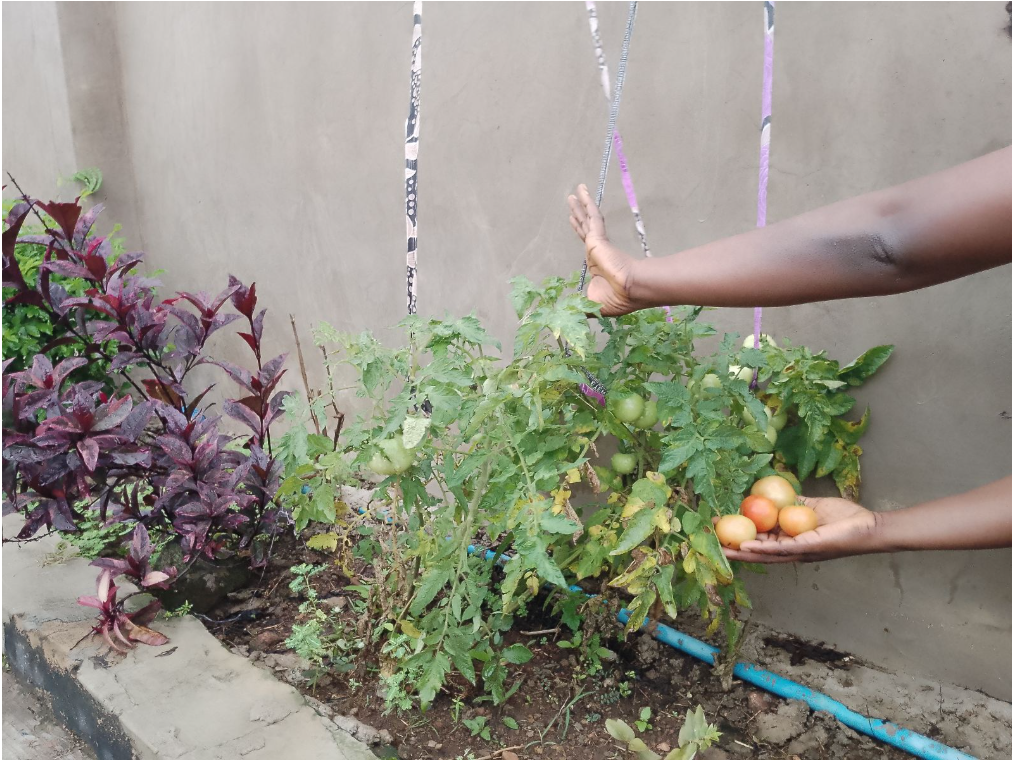
Early monitoring of the project suggests higher reported vegetable intake and strong kit collection rates among the women supported. The women are eating more vegetables and paying closer attention to their diets. However, there are still a few hurdles. Some women have never planted anything before, and others do not have space around their homes. To make it easier, the team encourages simple techniques using small buckets, old bags, or any container that can hold soil. This is important in communities where arable land is not always available.
Another insight comes from behavioural patterns. Many women, like Tola, were delaying antenatal care due to cultural beliefs or misinformation. But the nutrition conversations created an unexpected entry point for correction. “Through our health coaching engagements for pregnancy support, we have broader conversations about antenatal care and the full care journey,” said Abisola. “Using a robust curriculum aligned with World Health Organisation and International Federation of Gynaecology and Obstetrics recommendations, we’re able to address misinformation, support informed decision-making, and guide women across multiple aspects of their care, not just nutrition, but when and how to engage with services that support healthy pregnancies.”
While the initiative faces logistical constraints, particularly as some women move between communities for work or family obligations, the heart of the programme extends far beyond the physical delivery of a box.
The true value lies in the agency, self-efficacy, and practical literacy women develop to grow and sustain their own gardens over time. Through ongoing support, follow-up, and clear guidance, participants are learning how to plant seeds and reuse them, adapt to their environments, and take ownership of the nutritional habits and food production within their households. This knowledge, rather than the kit itself, is what anchors long-term sustainability.
For women across Ekiti, Lagos, and Kaduna, the program represents a meaningful step toward improved dietary diversity while reinforcing confidence and autonomy in caring for themselves and their families. Future pathways are being explored, enabling state co-financing models. As one team member reflected, watching a woman harvest and share her first produce underscores the program’s impact, but the real measure of success will be whether these skills, confidence, and behaviours can be sustained at scale.
Leave a Comment
Your email address will not be published. Required fields are marked *