

Community Support and Respectful Care Are Building Trust in a Sokoto Health Centre
Related Stories





Shehu Muhammad Shehu (Lead Writer)
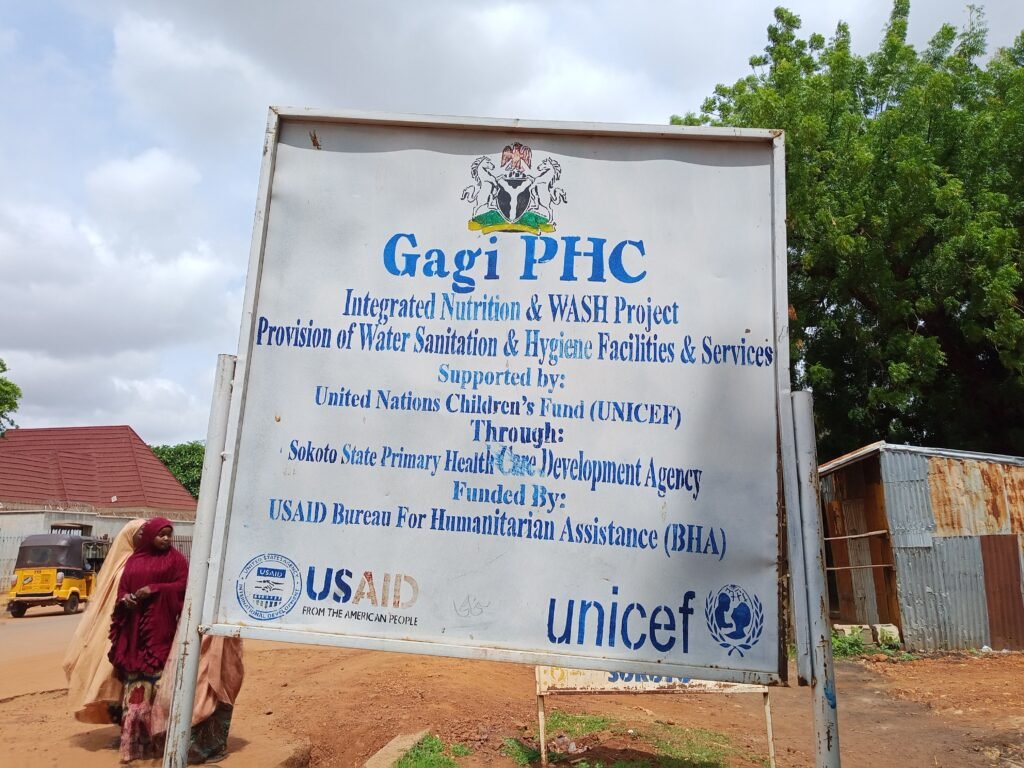
Hadiza Abdullahi travelled from the Mallamawan Yari community in the Rabah Local Government Area to the Gagi Primary Health Care (PHC) facility in Sokoto with her 19-month-old son, Yasir. The child had a fever and diarrhoea and was receiving care for malnutrition.
“This is our first time here, and they gave us milk,” Hadiza said with a smile. She hoped the treatment would help her son recover and regain his strength. Although this was her first visit, Hadiza said she had heard about Gagi through a relative who used the facility in 2022 and was satisfied with the treatment. She had since encouraged two pregnant women to deliver there, and both did.
Her experience raises a question that comes up repeatedly at Gagi. Why are patients travelling from other communities to use this public health facility?
From low attendance to growing demand
The question matters in Sokoto, where 88% of births occur at home, placing Sokoto among the states where home delivery remains particularly common. Malnutrition also remains a serious concern. The National Bureau of Statistics 2025 Northwest Nutrition SMART Survey found that 11.2% of children in Sokoto State were wasted, including 1.4% who were severely wasted.
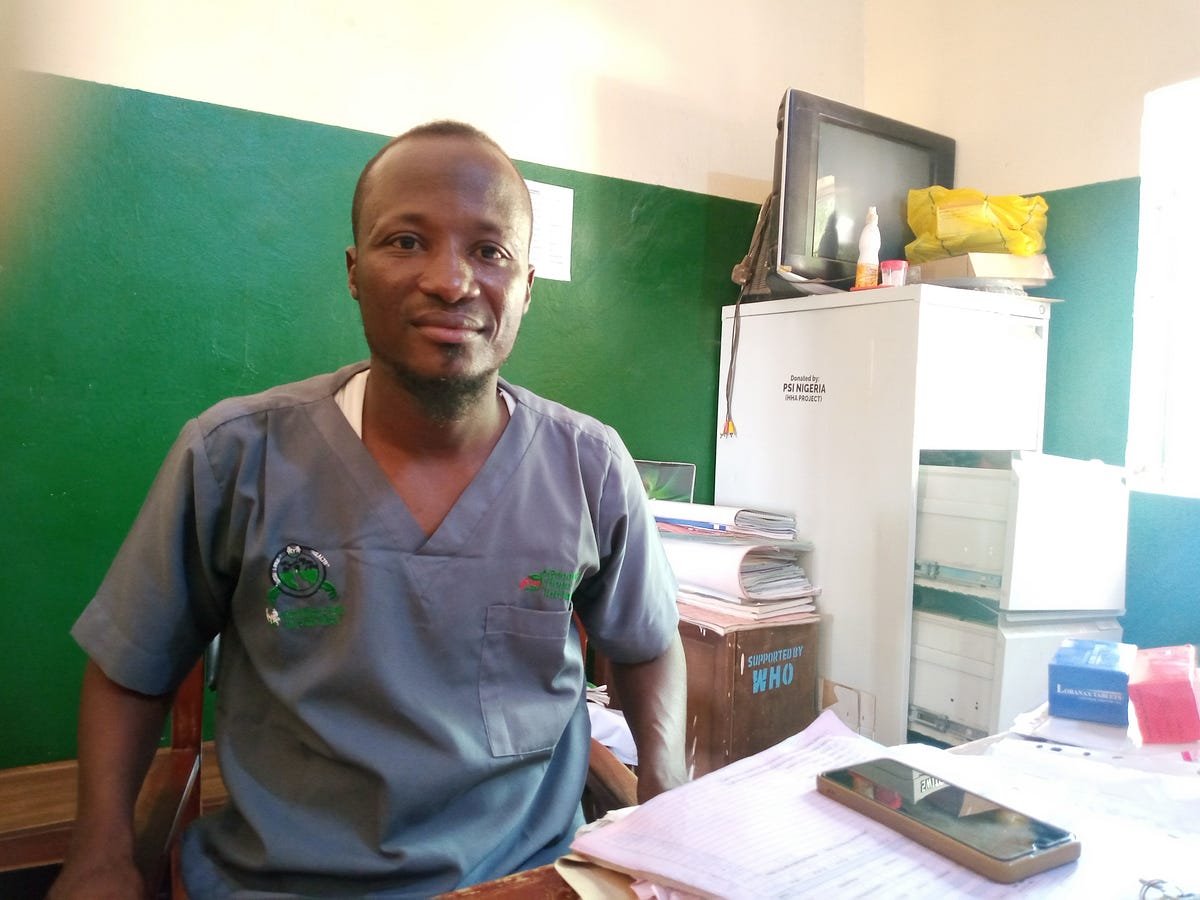
Nura Aliyu, Gagi PHC’s Officer-in-Charge (OIC), said attendance was much lower when he began working there about two years ago. He estimated that monthly attendance was around 1,000 to 1,200 patients. The facility now records up to 2,900–3,000 visits in some months, he said.
Community ownership
Alhaji Sani Umar Jabbi, the district head of Gagi, said residents became involved when the facility was in poor condition. “When people feel that a facility belongs to them, they are willing to invest in it,” he said.

Jabbi recalled that when he became the traditional ruler about 20 years ago, parts of the premises had been abandoned, and animals entered the facility. Residents, he said, mobilised resources to repair doors, windows and furniture, reconnect electricity and provide other basic needs before government and development partners provided further support.
Years ago, Gagi PHC struggled with low patient turnout and faced numerous challenges, including inadequate staffing, poor infrastructure, and limited resources. Today, it has become one of the busiest and most respected government-owned healthcare facilities in Sokoto, serving thousands of women from within the Sokoto metropolis and neighbouring communities, including Dange Shuni, Rabah, Kware, and Sokoto North.
The PHC now provides antenatal and postnatal care, immunisation, family planning, nutrition services, laboratory testing and ultrasound scanning. It has a borehole and uses a performance dashboard to monitor service indicators.
The facility has also attracted greater government investment. In June 2026, the Sokoto State Executive Council approved ₦592,116,627.38 for the upgrade of Gagi PHC to a general hospital.
Respectful care builds trust
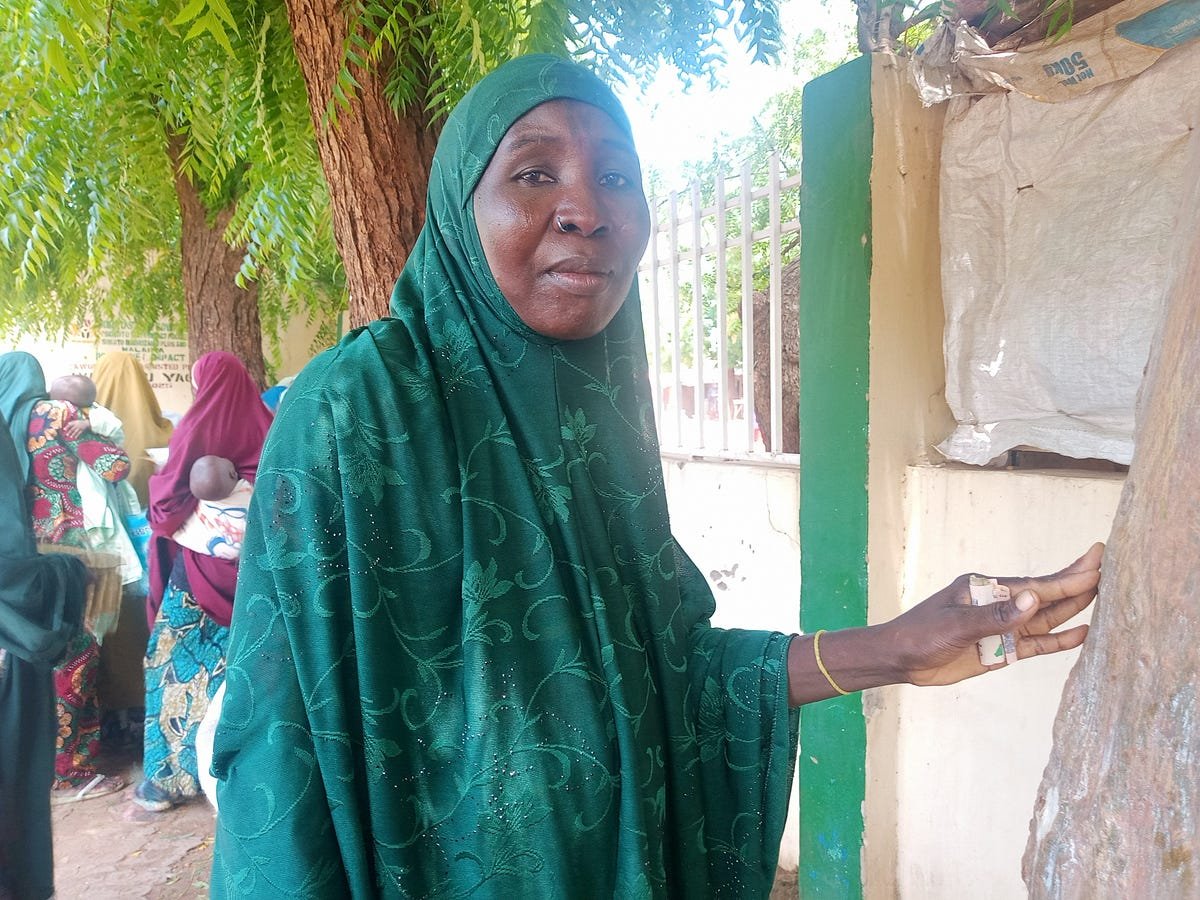
For some patients, another reason for returning is how they are treated. Shamsiya Idris, 28, first visited Gagi for antenatal care and continued using it afterwards. “I enjoy coming here because patients are treated with respect and dignity. No one humiliates or looks down on us,”she said. She recalled leaving another facility without getting her daughter immunised after an unpleasant encounter with a health worker. “I was so hurt to the extent that I left without the service.” At Gagi, she said she rarely experiences delays and gets the care she needs.
The World Health Organization (WHO) describes respectful care as care that protects patients’ dignity, privacy and confidentiality, respects their rights, protects them from harm and mistreatment, and supports informed choice. WHO has increasingly treated the experience of care, alongside clinical quality, as an important part of maternal and newborn healthcare.
Halima Ibrahim, 31, who attends antenatal care at Gagi, pointed to waiting time and cost. “I usually arrive around 9:00 a.m. or sometimes 10:00 a.m., and by about 11:00 a.m. I am through with my visit,”she said, adding that some medicines are free while patients pay for others. This waiting time is shorter than at the facilities Halima previously used, where it took up to 4 or 5 hours to be seen.
Changing attitudes towards childbirth
According to Nura Aliyu, the OIC, about 138 women were delivered at the facility in June 2026. “Why did they come here?” he asked,“[because even] if a pregnant woman who has not attended antenatal care comes here, we will accept her and do all the necessary tests to protect her health and the health of our workers.”
He also pointed to skilled health workers and affordability. “Any woman who gives birth in this health centre, even if she stays for extra days, will not spend more than ₦6,500,” he said.
The district head said community leaders also encouraged women to use health facilities for childbirth. He recalled that his decision to have his own wife deliver at Gagi helped reassure other families.
Growing demand brings new pressures
Aliyu said unreliable electricity remains one of Gagi’s most pressing problems. Although the PHC operates around the clock and has solar power, he said the system sometimes fails in the evening or at night.
Medicines also run out when demand exceeds available supplies. The PHC refers cases beyond its capacity to higher-level hospitals, but Aliyu said some patients would rather return home than continue to another facility.
That reluctance raises another concern. The WHO’s work on networks of care emphasises that strong maternal and newborn services depend not only on individual facilities but also on functioning referral links between primary, secondary and tertiary levels.
Gagi’s experience suggests that getting people to use primary health care depends on more than having a facility nearby. Community involvement also helped keep the facility functioning and encouraged residents to use it.
But increasing attendance is bringing new pressures. Medicines sometimes run out, electricity remains unreliable, and some patients are reluctant to accept referrals when Gagi cannot manage their conditions. The facility often refers complicated cases beyond its capacity to higher hospitals, but some patients prefer to go back home rather than go to other facilities other than Gagi PHC.
As Gagi PHC continues to attract patients from neighbouring communities, its story teaches that trust is built when people feel respected, services are reliable, and communities take ownership of their health facilities.
Leave a Comment
Your email address will not be published. Required fields are marked *