
How Furanni Is Helping Badiyya Make Healthier Choices During Pregnancy
Related Stories
Revitalised Ungwan Dosa PHC Still Faces Access Gaps
Sep 24, 2026

Hadiza Musa
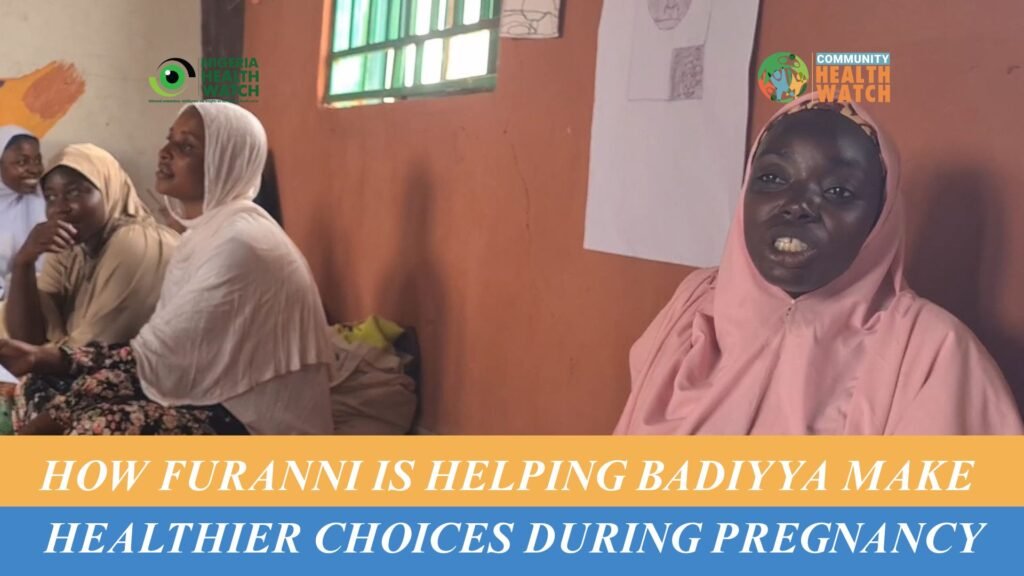
For Badiyya Haruna, a mother of three from Kofar Kudu in Ghari Local Government Area (LGA) of Kano State, learning how to navigate pregnancy safely has gone beyond routine antenatal care. Through the Furanni programme, implemented by Nigeria Health Watch in collaboration with Five Cowries Art Education, she has gained practical knowledge about pregnancy, childbirth and when to seek medical help.
Badiyya noted that antenatal care has helped her monitor her health and the development of her unborn baby. During one visit, health workers discovered that her blood level was low and advised her on foods that could improve her condition. “I was given a [IV fluids], and the health practitioner told me that my blood was low. They advised me on the kind of food to eat to boost my immune system and increase my blood level,” she said.
However, she said the knowledge gained through Furanni has added another layer to her understanding of pregnancy. The programme has taught her about pregnancy and childbirth, when and where to seek medical help, and how to recognise signs that labour may be approaching. “In the class today, we were taught how to deliver a baby, where to go, what to do and how to know when it is time,” she said.
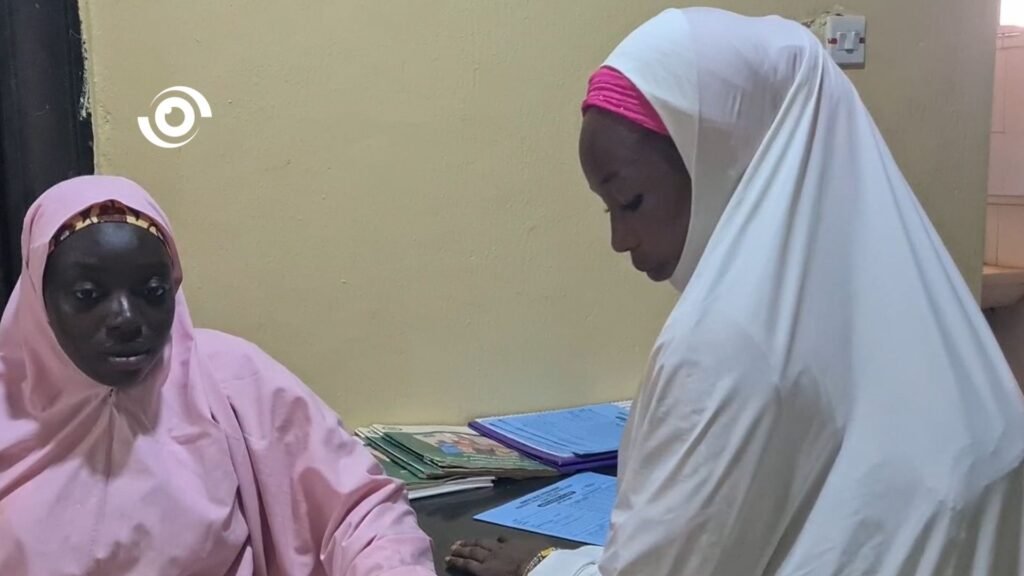
For Badiyya, the lessons have extended beyond her own pregnancy. “Furanni has helped us a lot in understanding our bodies and even teaching our siblings and other people,” she said.
The programme has therefore positioned community education through art, stitching and knitting as a complement to facility-based care, providing women with practical information they can apply during pregnancy and share with others. Badiyya’s experience demonstrates how community health education initiatives like Furanni can help women become more informed about their bodies, recognise potential warning signs, and understand when professional care is needed.
Her experience also shows the value of connecting health education with antenatal services. While ANC provides opportunities for health workers to identify and manage pregnancy-related concerns, programmes such as Furanni can strengthen women’s confidence and knowledge to seek appropriate care and support others in their communities.
This approach aligns with the Nigeria Health Sector Renewal Investment Initiative’s emphasis on health promotion, community engagement and equitable access to quality primary healthcare.
Stakeholders, health partners and community organisations should:
- Sustain and expand community-based health education initiatives, such as the Furanni program.
- Ensure that more rural women have the knowledge and confidence to recognise pregnancy-related concerns and seek timely care and share accurate health information within their communities.
- Encourage peer-to-peer knowledge sharing among women, families, and communities.
For women like Badiyya, the impact of Furanni is not simply in what they learn during the programme, but in how that knowledge can influence decisions, encourage timely care-seeking, and spread through families and communities.
Leave a Comment
Your email address will not be published. Required fields are marked *