Zuwena Khatib, Tzar Oluigbo and Mahdi Garba (Lead writers) On a Friday morning in Dawaki, Gombe State, Saleha, a mother of seven, was sitting outside her home when her waters broke. She had no labour pains or contractions. At the nearest health facility, she was advised to use a sanitary pad to reduce the risk […]
Oladimeji Solomon Yemi and Safiya Shuaibu Isa (Lead writers)Nigeria remains one of the countries with the highest number of maternal deaths globally, with a maternal mortality rate of 993 deaths per 100,000 live births. While maternal mortality has declined globally over the past two decades, Nigeria has lagged behind both regional and global trends. In contrast, countries such as Ghana, Ethiopia, […]
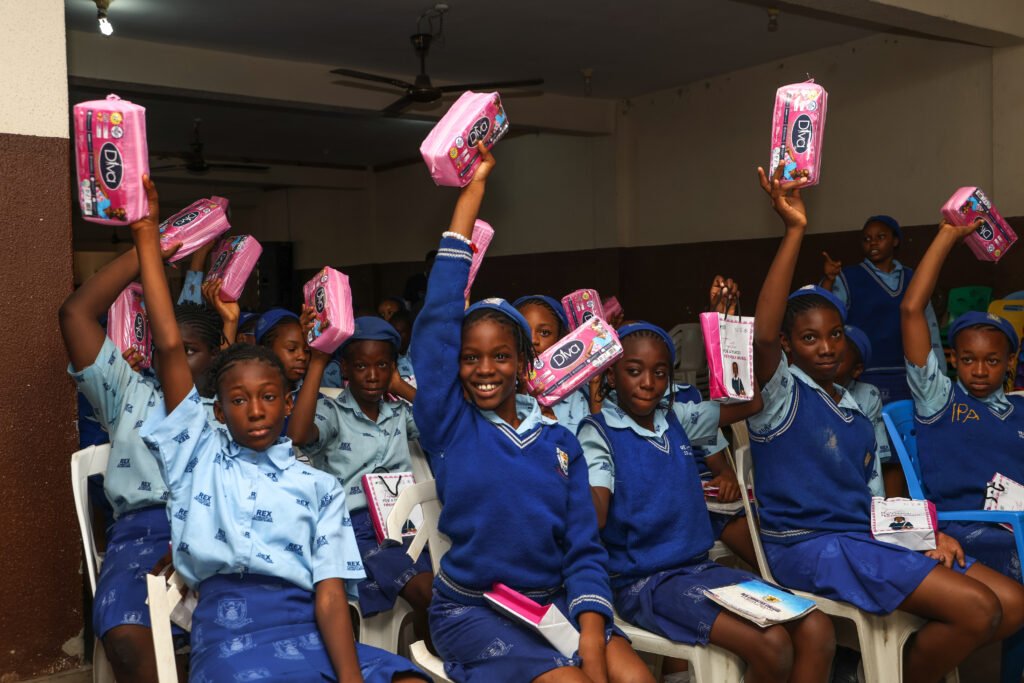
Onyinye Oranezi (Lead writer) On a recent Saturday afternoon at a neighbourhood hair salon, a casual conversation with two secondary school girls revealed something telling. Both are boarders in junior secondary school, aged 14 and 16. When asked if water shortages or unusable toilets affected their experience at school, they did not hesitate to respond. […]
Emeka Oguanuo (Lead writer) Health outcomes in Nigeria will only improve if the country invests more seriously in science and research. While the country has demonstrated scientific excellence, it continues to struggle to sustain the institutions, funding, and infrastructure needed to support high-quality research at scale. Without these foundations in place, building a health system […]
Chinwendu Tabitha Iroegbu and Hadiza Mohammed (Lead writers) Family planning is one of the most cost-effective health investments a country can make to reduce preventable maternal deaths, improve newborn and child survival, and strengthen families’ health and economic stability. Yet uptake and access in Nigeria remain uneven. Women and girls in rural and underserved communities […]