

Less Waiting, Less Waste: Kaizen Institute Is Improving Pharmacy Services Across Kaduna PHCs
Related Stories






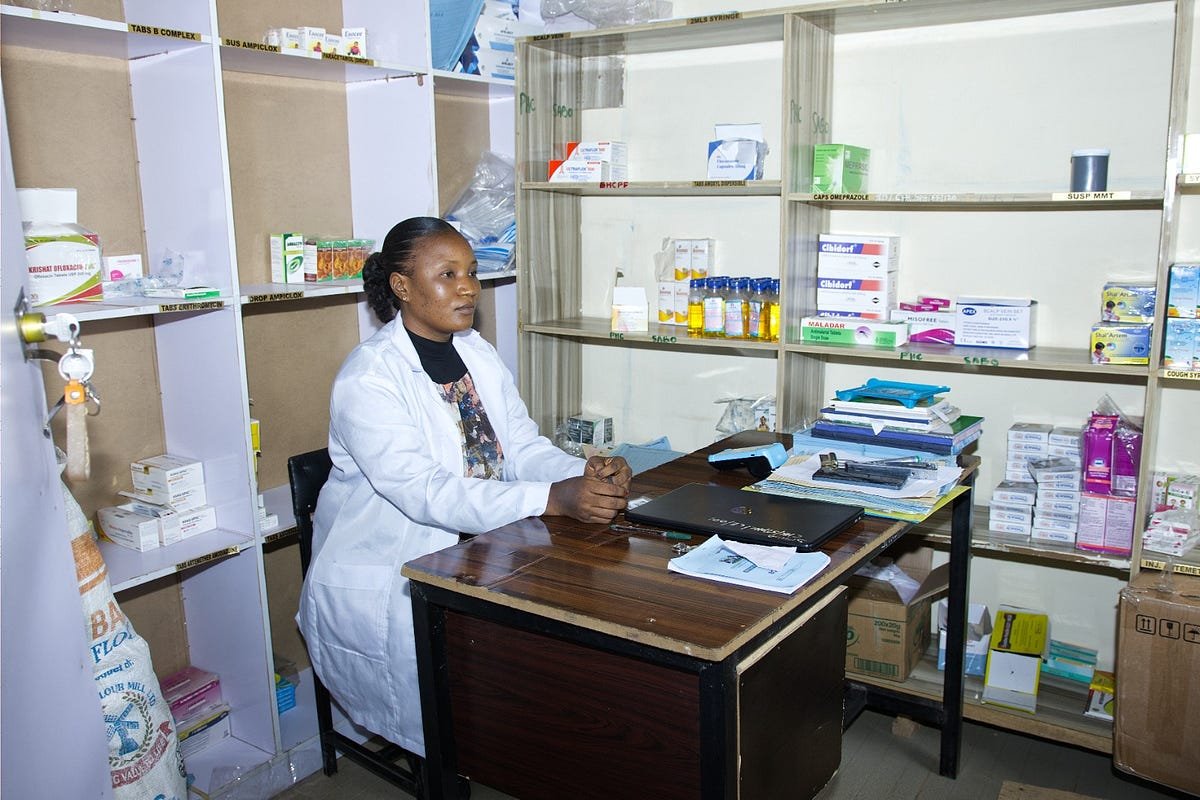
At Sabon Tasha Primary Healthcare Centre (PHC) in Kaduna State, the lack of a dedicated store and dispensing area once led to the loss of essential medical supplies and delays in patient care.
But following an intervention by Kaizen Institute, Jennifer James Gayan, head of the facility’s Pharmacy Unit, noted that improved supply management has made her work more efficient and reduced patients’ waiting time.
The intervention focused on standardising warehouse operations and introducing visual management systems to reduce the risk of expiry and ensure proper temperature control for the storage of medical supplies.
Since the intervention commenced in 2023, Kaizen Institute has provided technical support to 10 PHCs in Kaduna State, such as Badarawa, Rigasa Miyetti, Jere, Rimin Doko, Sabon Tasha, Makera Kakuri, Ikara, Kafanchan A, Kafanchan B and Makarfi PHCs, including Dantsoho Memorial Hospital, a secondary facility and Barau Dikko Teaching Hospital, a tertiary facility.
Better medicine storage for Kaduna State
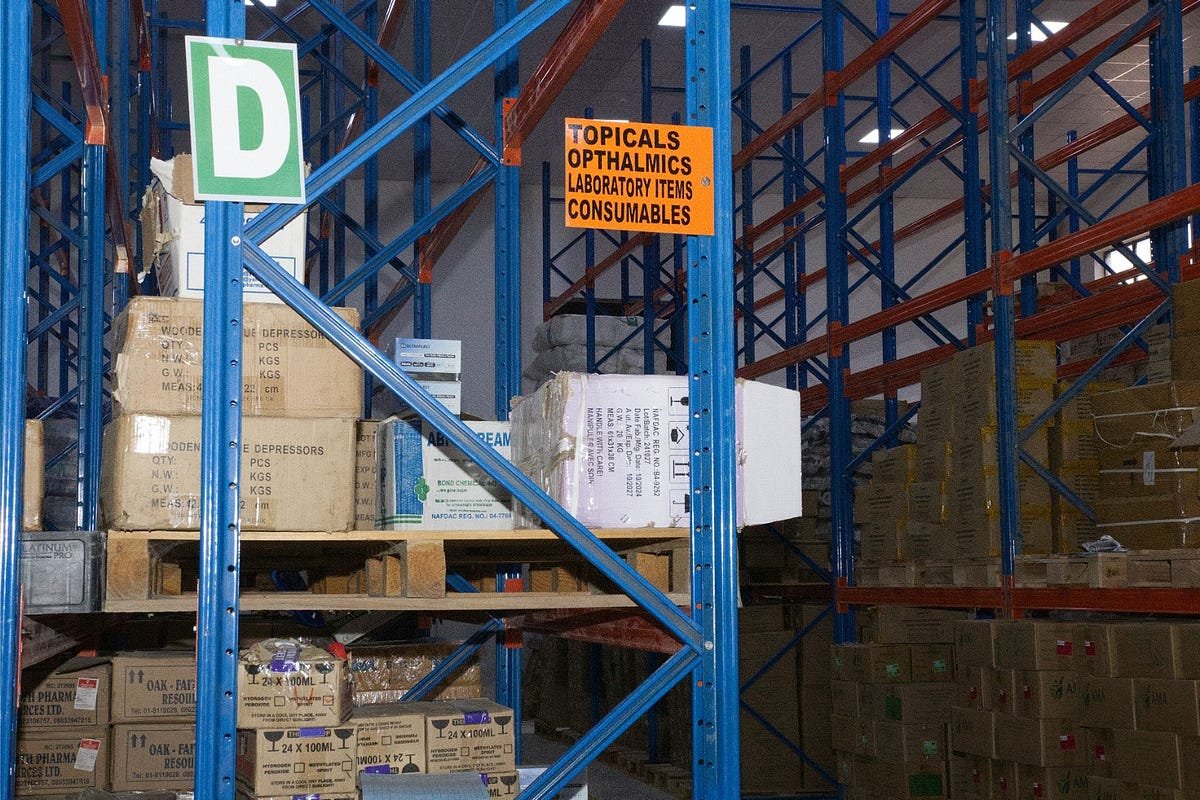
Prior to the intervention, the KADHSMA recalled facing several challenges in managing and distributing health commodities. Its warehouse operations were not fully standardised, available storage space was not being used efficiently, and some processes were slow and dependent on individual staff practices.
Therefore, the institute’s aim has been to support the state in strengthening its four zonal warehouses, strategically located in Kafanchan, Kachia, Sabon Garin Zaria, and Ikara LGAs.

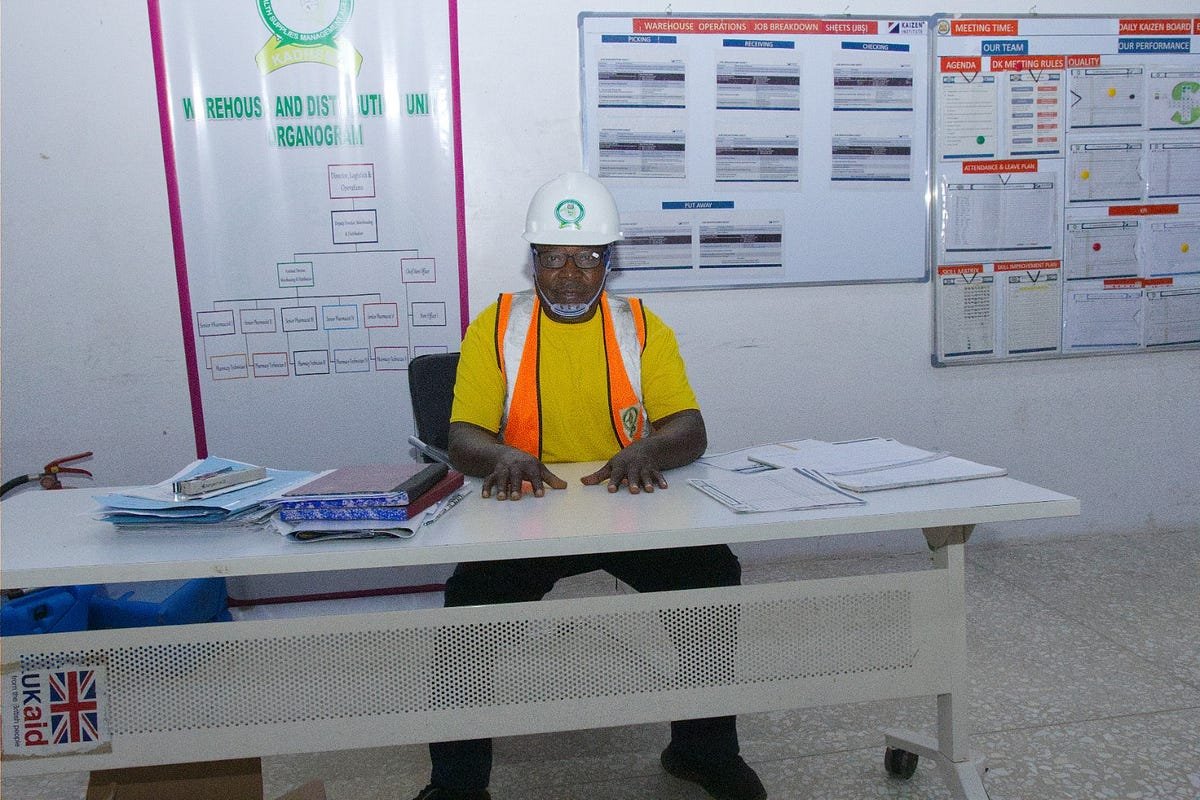
According to Jamiu Yusuf, Kaizen Institute’s State Lead in Kaduna, these improvements strengthened warehouse and inventory operations, improved stock availability, and reduced the time required to supply essential medicines from warehouses to PHC facilities.
A store officer at the Kaduna State Health Supplies Management Agency (KADHSMA), Amos Sunday, recalled that supplying PHCs and hospitals across the state was not easy until the Kaizen provided them with technical knowledge. “Previously, it took two weeks before a facility got the drugs they ordered, but now within one to two days, at most three days, a facility gets its drugs,” the storekeeper highlighted.
He said the four warehouses in these locations have reduced their workload and increased efficiency. Now, at the central warehouse, they only deal with the demands of Kaduna metropolis, secondary healthcare facilities, and a tertiary health facility.
Yusuf, Kaizen’s Kaduna lead, pointed out that the overall aim was to ensure that the right health commodities are available, in the right quantity, at the right place and at the right time, while reducing waste, delays and unnecessary costs, which he said Kaizen did. “On-time delivery improved from 61% to 96%, showing that health facilities are receiving commodities more reliably,” he noted.
‘We do our work better’
Pharmacist Nafisatu Abubakar, Director of Health Supplies at KADHSMA, explained that health commodities are perishable and become unfit for human consumption once they expire. She emphasised the need for proactive planning and proper inventory management to minimise wastage from expired products and poor batch storage practices, noting that some commodities may be discarded unnecessarily due to improper storage and handling even before their expiry dates.
“The way these commodities are stored can affect their potency and stop them from being useful. Kaizen came in and actually supported us in ensuring that we had this well-optimised warehouse where we do our work better,” she noted
She noted that one important aspect of Kaizen is the ‘5S’, which are Sorting, Set in order, Shine, Standardise, and Sustain, designed by the organisation to ensure good housekeeping across warehouses and pharmacies.
In the past, the agency recorded annual losses of about ₦1 million due to expired medicines. However, these losses have now declined to between ₦100,000 and ₦200,000 annually. According to the agency, the remaining losses largely involve specialised medicines, such as anti-rabies drugs, antivenoms and Rhogam, which must be stocked at the state’s central store but may not be used frequently enough before their expiry dates.
KADHSMA operates a Drug Revolving Fund system that enables health facilities to use revenue from the sale of medicines to purchase new supplies, ensuring drugs remain available to patients.
Prioritising drugs based on their arrival date
Taiwo Peter Idowu, a Senior Consultant at Kaizen Institute, explained that the institute’s intervention in Kaduna State focuses on establishing efficient processes in pharmacy units to improve service delivery and ensure patients receive their prescribed medicines promptly.
“Before we came, dispensing a drug could take about 15 to 20 minutes because staff had to identify and locate the medicines. Now, when a patient comes with a prescription, they can access the prescribed drugs in less than two minutes, which is a good indicator for us,” he said.
James Solomon, a student intern at Sabon Tasha PHC, noted that as a member of the community, he has witnessed improvements in the health facility’s work. “They helped us in labelling and arranging drugs at the pharmacy. I also learnt the concept of First Expired, First Out (FEFO) and First In, First Out (FIFO), which prioritises drugs based on their arrival date,” he added.
Yusuf, Kaizen’s Kaduna State Lead, cited sustaining behavioural and operational changes across a large PHC network, particularly with staff turnover and competing priorities, as the challenges encountered.
However, he noted that these challenges were overcome through coaching, capacity building, the creation of Kaizen champions, standard work, daily work management, regular audits, and A3 problem-solving, while ensuring government ownership.
“I am optimistic,” he mentioned, adding that “sustainability will depend on strong government ownership, continuous capacity building, performance monitoring and embedding Kaizen into routine health-system operations. Our goal is for Kaduna to sustain the improvements without depending on Kaizen Institute.”
Leave a Comment
Your email address will not be published. Required fields are marked *