

Lenacapavir Brings New Hope for HIV Prevention Among Young People in Zambia, but the Push for Increased Supply Continues
Related Stories





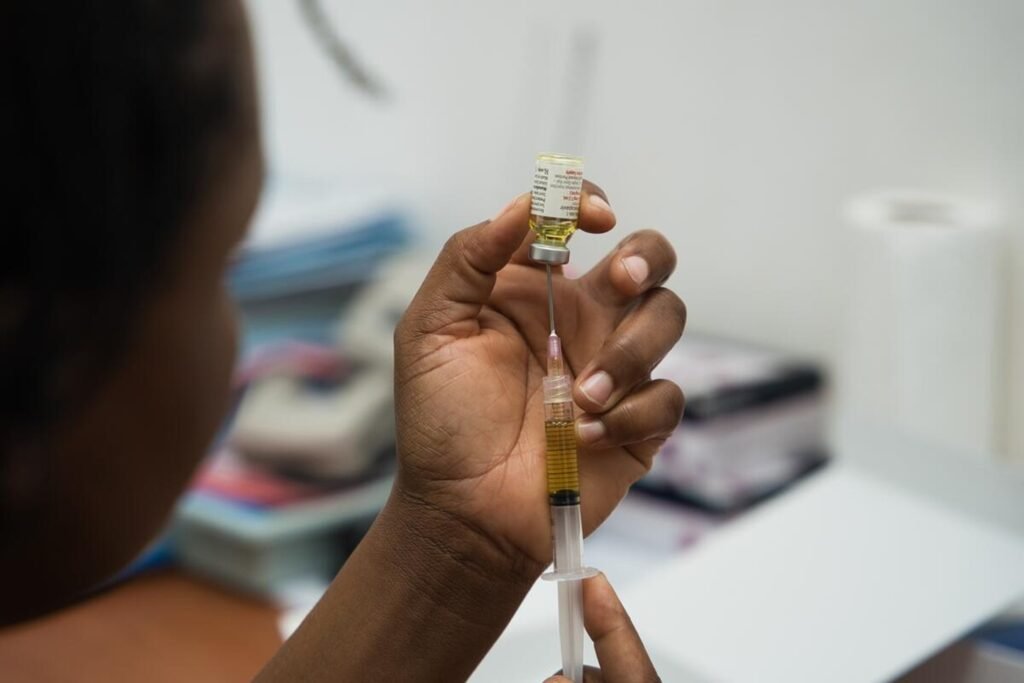
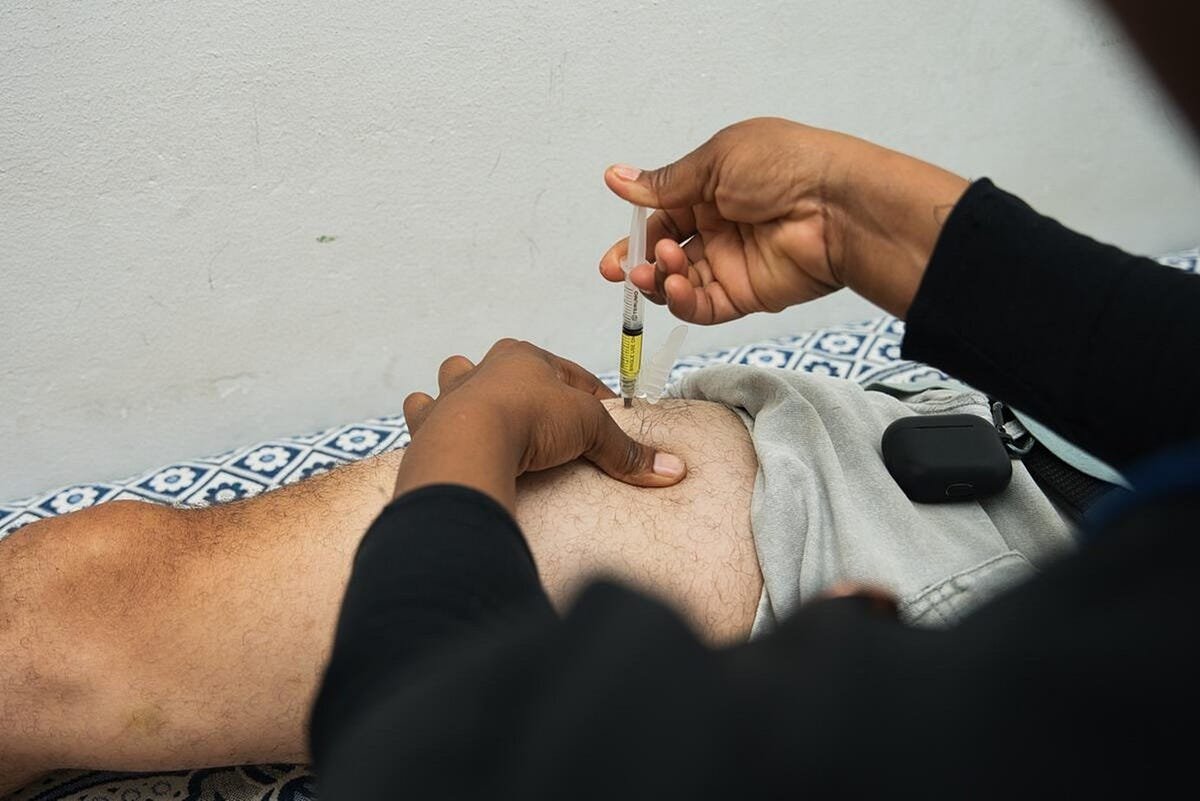
At 29, Ruth Manga had thought carefully about her risk of acquiring HIV. She had seen friends struggle to negotiate safer sex and wanted a prevention option she could choose for herself. “I have known that I am at substantial risk of contracting HIV,” she said. “So, I decided to prevent myself.”
Ruth was among the first people in Zambia to receive lenacapavir when the country began offering the new PrEP option in December 2025. The initial allocation was limited, and the rollout’s early experience has raised questions about how demand can be sustained when supply is uncertain.
Zambia launched lenacapavir on World AIDS Day on 1 December 2025, with doses split between two sites, the University Teaching Hospital (UTH) in Lusaka, Zambia’s capital city, and Chawama, a community in the southwest of Lusaka.

Weeks before the launch, health teams were already in surrounding communities explaining what was coming and preparing people for the new intervention. Mundia said outreach began several weeks before the launch. “By the end of December, we had run out of the 500 doses that we had received,” Mundia said.
How communities shaped the outreach
Adaptive Leadership Zambia (ALZ), a non-profit organisation, worked with the Ministry of Health to deliver HIV prevention outreach to adolescent girls and young women, with support through the Global Fund. ALZ says it involves communities in deciding what will work locally, rather than designing activities on their behalf.

“We let the communities come up with their own sustainable interventions,” Veronique Malupande, the programme’s national coordinator, explained. “What Lusaka is doing might not be what Chikankata is doing because the terrain is different.”
ALZ says it works through existing community networks rather than setting up new structures. Communications lead Alex Shumba said conversations about HIV prevention can take place in familiar settings, including family gatherings and church groups.
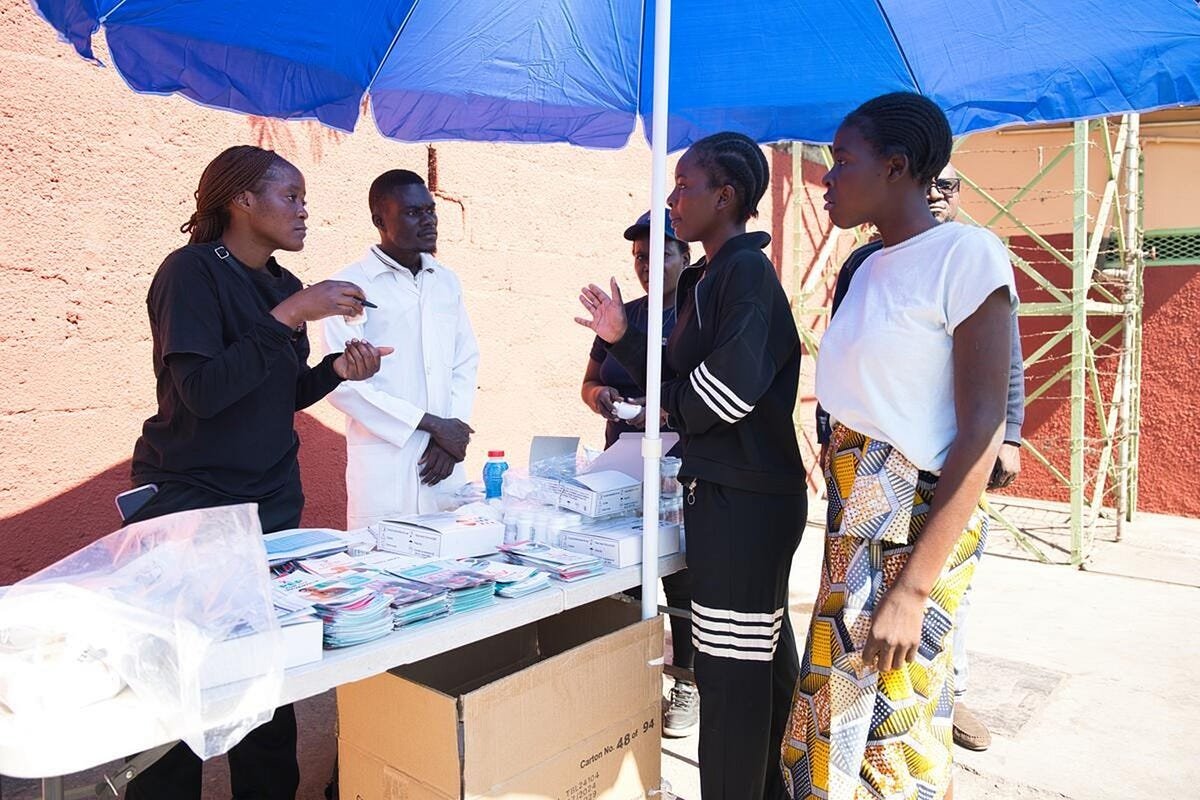
However, the numbers continue to point to one group in particular. Jacob Zulu, a peer advisor with the Global Fund-supported Adolescent Girls and Young Women (AGYW) HIV Prevention project, noted. “We find that there are more HIV infections among girls than boys in every round of testing, roughly one reactive result for every five girls tested, against one in twenty boys.”
This imbalance is why ALZ has set specific targets for reaching girls aged 15 to 24, in addition to whatever the Ministry of Health covers for everyone else. “We have targets that we need to reach to get more girls on PrEP,” Zulu explained. “So, we have to do more demand creation; it is not easy to mobilise girls. You need to do programmes that can attract them and identify hotspots where more girls live.”
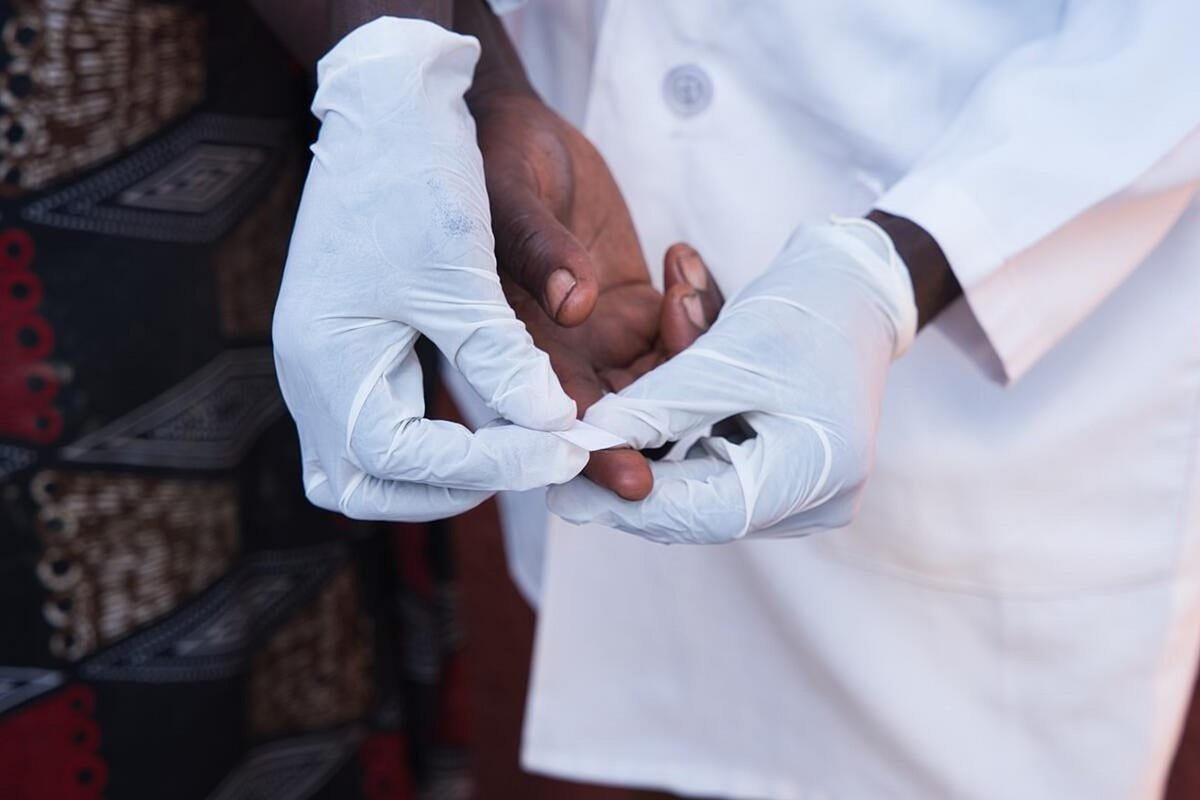
Some young clients value the privacy of an injection
For many young people, choosing lenacapavir is as much about privacy as it is about protection. Mazza Batyanza, head nurse and adolescent focal point at the Youth Friendly Space at Chilenje Level 1 Clinic in Lusaka, sees this in the steady stream of young clients she receives each week.
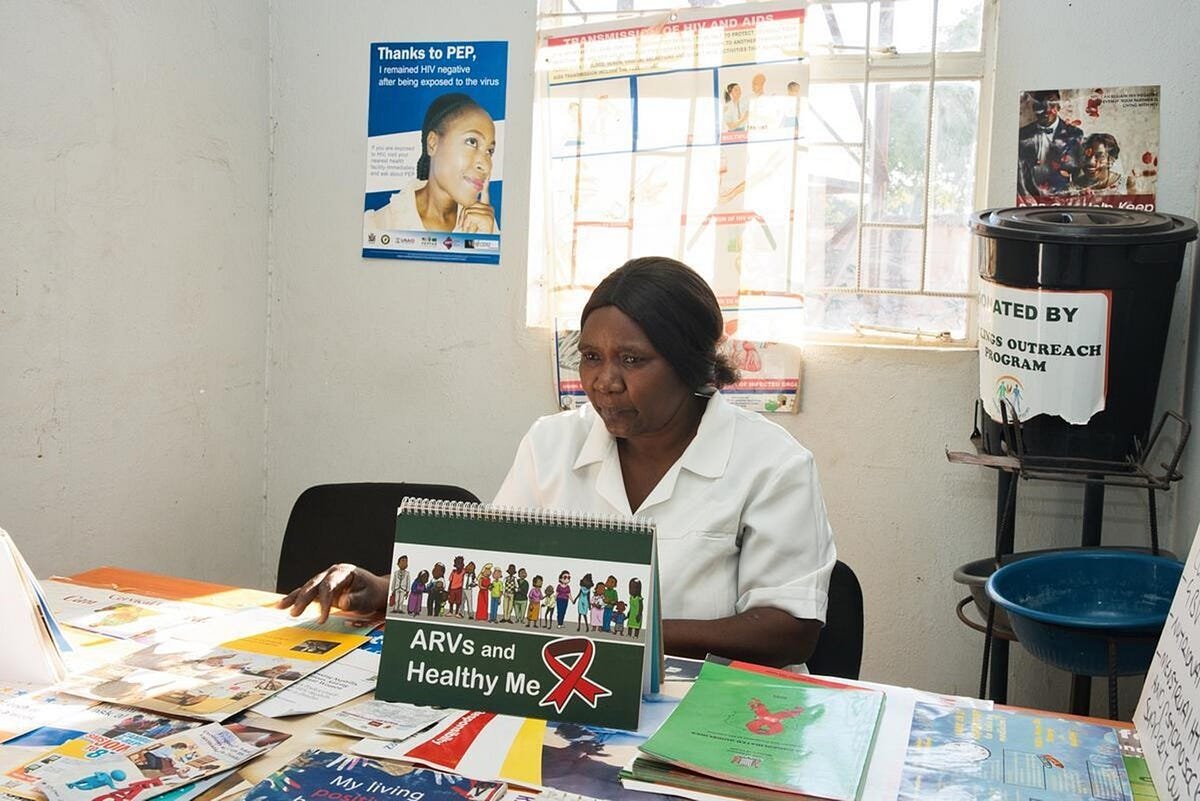
Funding cuts threaten community outreach
ALZ once operated in nearly half of Zambia’s 72 districts, but recent funding cuts have reduced its presence to just four districts. Malupande, the programme’s national coordinator, said the cuts have disrupted not only the organisation’s work but also affected staff, partners and the rented spaces where young people once gathered.
In response, ALZ is trying to build interventions that can outlast the funding that created them. The organisation is embedding programmes in churches, schools and market associations, where volunteers can continue the work after paid staff leave, while relying more heavily on radio to reach remote communities where smartphone access remains limited.
Lenacapavir’s supply has also dropped since the initial rollout less than a year ago. Nurse Batyanza described the anxiety of managing a two-dose regimen against an uncertain stock. “We still don’t have enough supply because this is just when we started, and we don’t actually want to lose clients by defaulting,” she said.
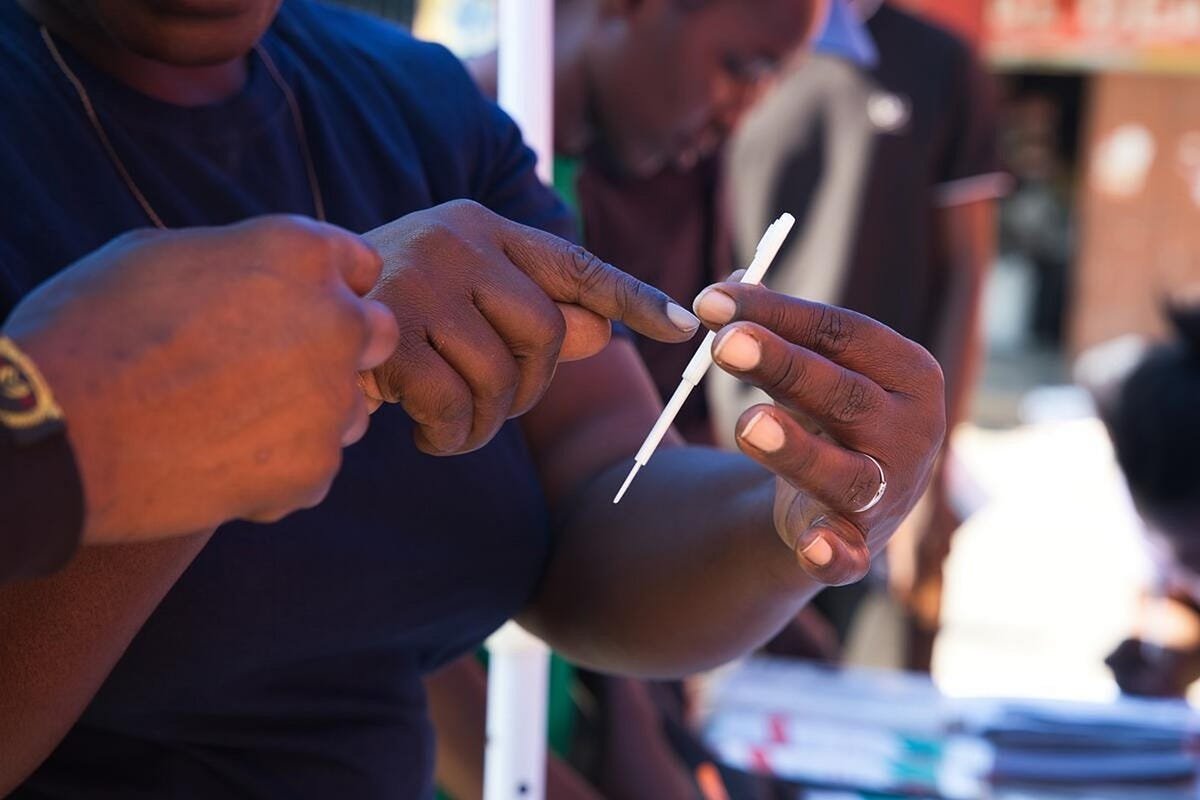
According to Dr Mundia, the rollout is now expanding beyond the initial sites through what UTH calls a “hub-and-spoke” model, extending access to private pharmacies and hospitals where lenacapavir will be offered as a free or low-cost service rather than sold over the counter.
Ruth, a recipient of the lenacapavir jab, hopes more people will have access to an HIV prevention that fits their lives. “I would love everyone to be on prevention,” she said, “because prevention starts with us.”
Whether lenacapavir can meet that hope will depend on more than demand. People must be able to choose it freely, receive it on schedule and return for follow-up.
Leave a Comment
Your email address will not be published. Required fields are marked *