

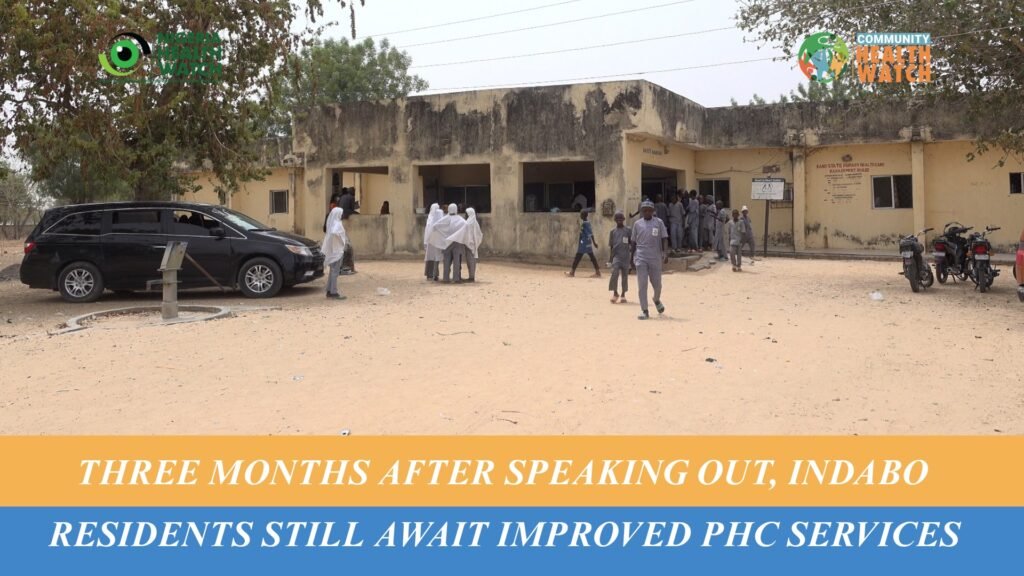
Three Months After Speaking Out, Indabo Residents Still Await Improved PHC Services
Related Stories


Revitalised Ungwan Dosa PHC Still Faces Access Gaps
Sep 24, 2026
Hadiza Musa
Three months after residents raised concerns about poor healthcare services during a town hall meeting, many of the same challenges continue to affect patients at Indabo Primary Health Centre (PHC) in Kano State.
For residents like Zainab Alkasim, the challenges affect daily healthcare decisions and maternal health outcomes. She explained that many pregnant women still delay seeking care and often arrive at the facility with complications that could have been prevented through early antenatal visits.
“It is important to come to the facility to check the health of the baby,” she said, also lamenting about the condition of the facility’s toilets, noting that poor sanitation creates discomfort for patients and caregivers.
Despite community advocacy and stakeholder engagement, the facility still struggles with staff shortages, inadequate equipment, poor sanitation, and an inability to provide round-the-clock services.
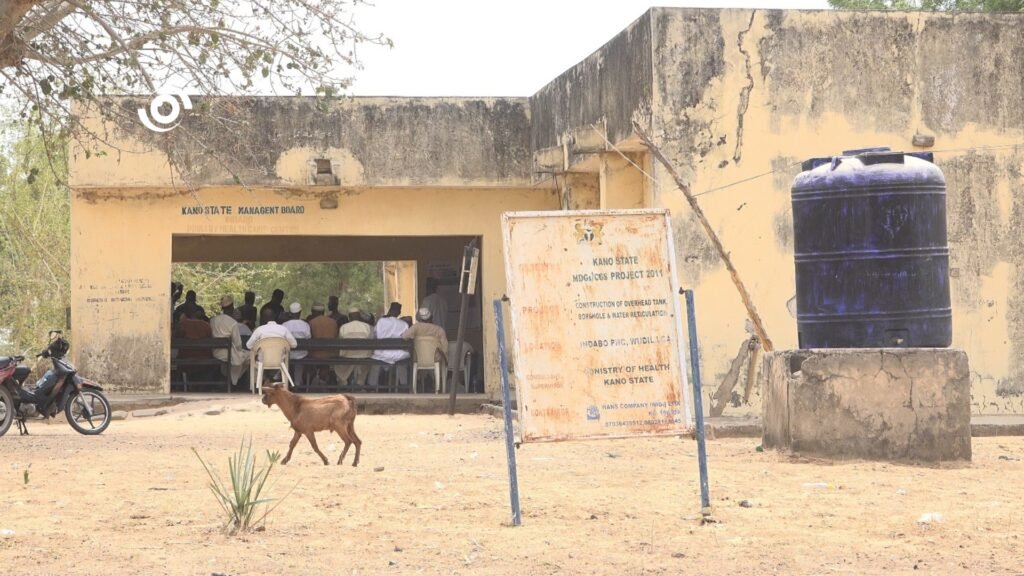
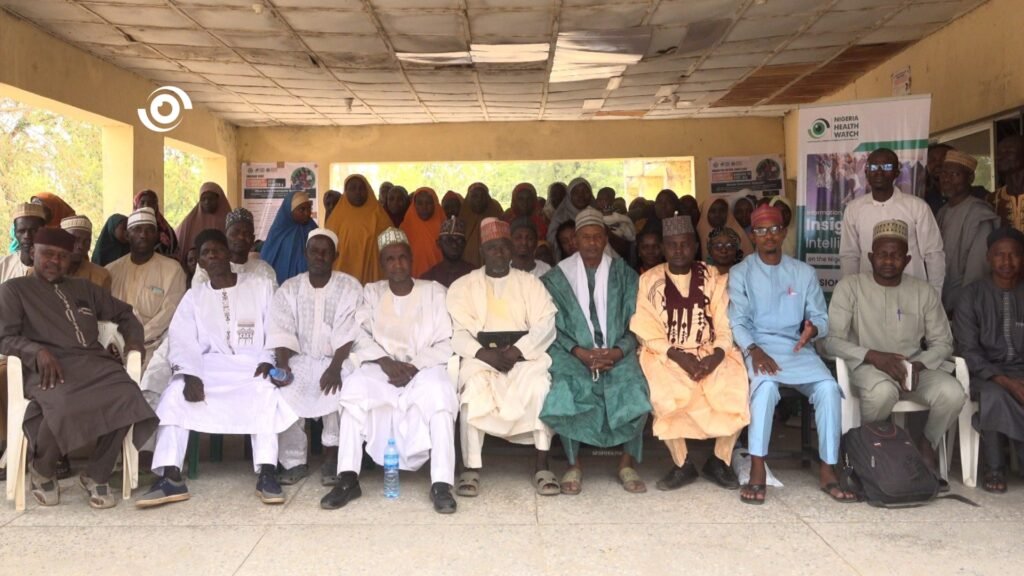
The concerns were raised again at a follow-up town hall meeting three months later, organised by Nigeria Health Watch, in partnership with Akin Savvy Awareness Initiative, to evaluate progress since the earlier engagement with community members and government stakeholders.
The Village Head of Indabo, Saminu Abdullahi, said community leaders have repeatedly appealed for improved staffing and 24-hour service delivery. According to him, trained Community Health Extension Workers (CHEWs) are available within the local government area but have yet to be employed.
The Officer-in-Charge of the Indabo PHC, which is a Level 2 PHC, Ibrahim Sa’ad Abdullahi, confirmed that staffing shortages remain the facility’s biggest challenge. He explained that the centre currently provides antenatal care, immunisation, and basic healthcare services, however, “the limited number of health workers affects service delivery and puts pressure on the available personnel. Therefore, the facility does not operate at night,” he said.
He added that the absence of a scanning machine also forces patients to seek diagnostic services elsewhere.
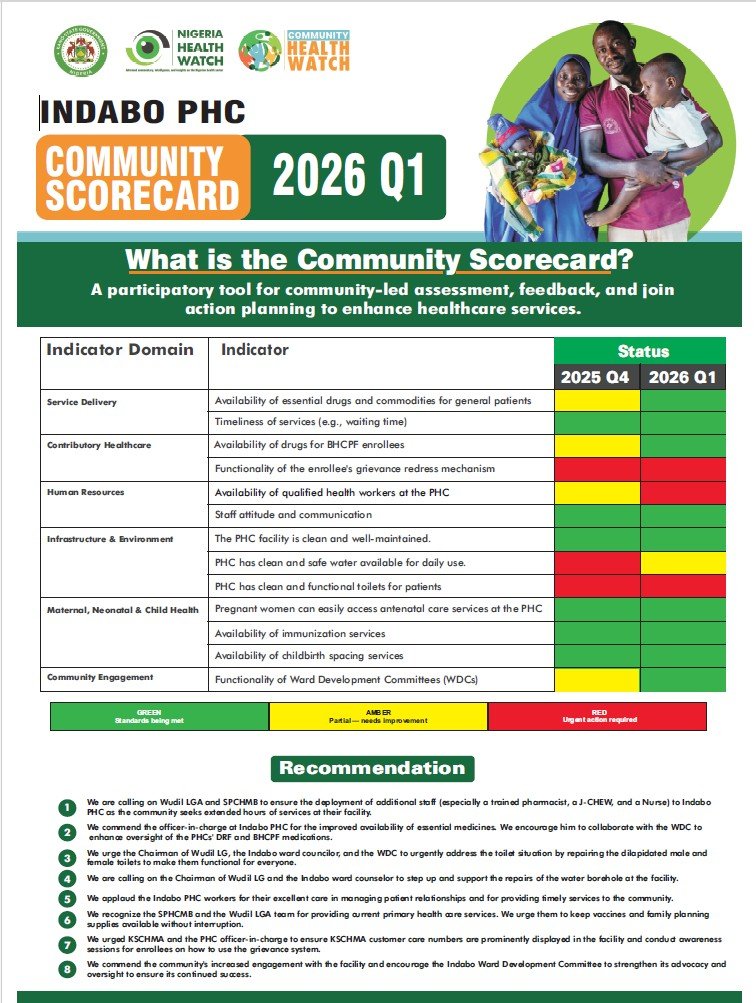
The situation highlights persistent gaps in PHC delivery despite ongoing efforts to strengthen PHCs through the Nigeria Health Sector Renewal Investment Initiative (NHSRII), which prioritises equitable access to quality healthcare services. Without adequate staffing, equipment, and infrastructure, communities like Indabo remain at risk of poor maternal and child health outcomes.
Community members are calling on the local government and relevant authorities to;
- Recruit more health workers to ensure 24-hour services;
- Provide a scanning machine;
- Rehabilitate the facility’s toilets.
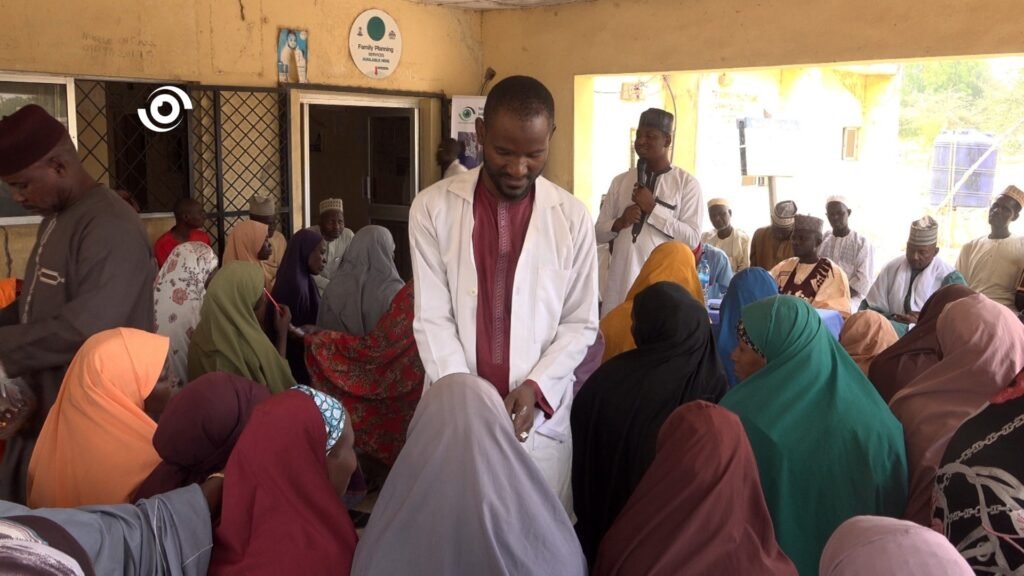
As Ibrahim Sa’ad Abdullahi noted during the meeting, “When these issues are addressed, patients can receive complete care at the facility without being referred elsewhere.”
For the people of Indabo, meaningful progress will be measured not by promises, but by visible improvements in healthcare services.
01 Comment(s)
Leave a Comment
Your email address will not be published. Required fields are marked *
[…] months later, residents renewed their demands during a follow-up town hall, calling for more health workers, improved toilets and a scanning […]
“They Did a Lot for Us”: Residents' Demands Led to a Makeover at Indabo PHC in Kano – Nigeria Health Watch Nigeria Health Watch
October 23, 2026 at 10:22 am