
‘Where Does My Donated Blood Go?’ Tracing the Life-Saving Journey from Donor to Patient
Related Stories




A shortage of blood should never be the reason a patient dies. Yet across Nigeria, many patients in need of lifesaving transfusions still face delays because blood is often unavailable when and where it is needed. With only about 30% of the country’s annual blood supply coming from voluntary donors, far below the estimated demand of two million units, Nigeria continues to face a critical shortage. As a result, hospitals frequently depend on urgent appeals to family members, and in some cases, paid donors to bridge the shortfall.
One of the factors contributing to Nigeria’s persistent blood shortage is the widespread prevalence of myths, misconceptions, and cultural taboos surrounding blood donation and the blood supply chain. A 2025 study conducted across Sub-Saharan African countries found that cultural beliefs discourage blood donation in some communities, often because of limited understanding of the donation process. Some people, for instance wrongly believe they could contract diseases such as HIV/AIDS by donating blood.
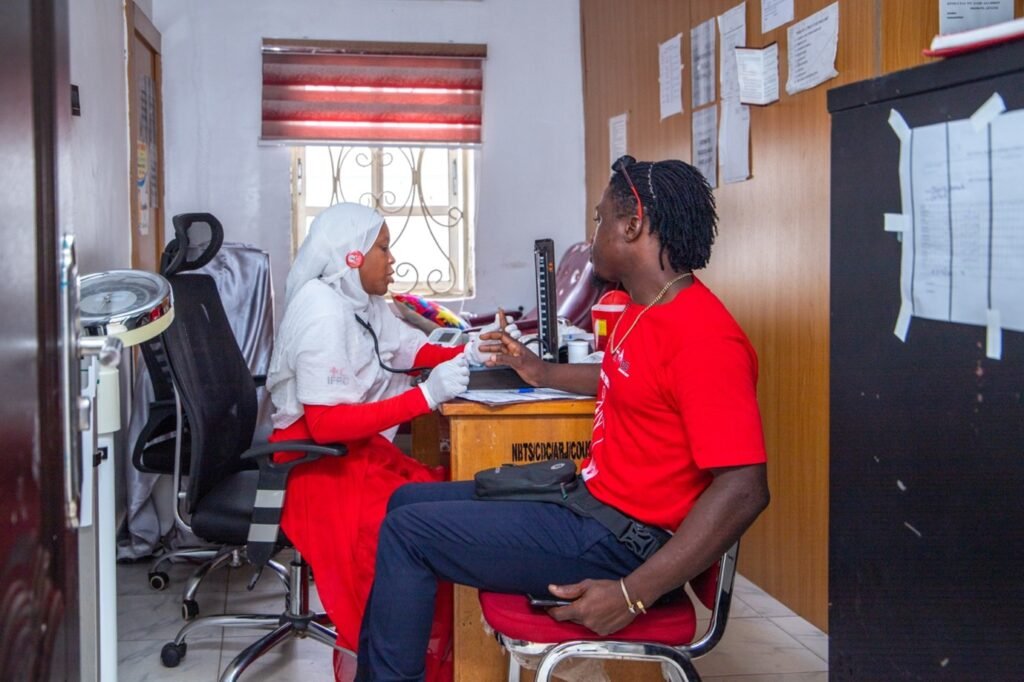
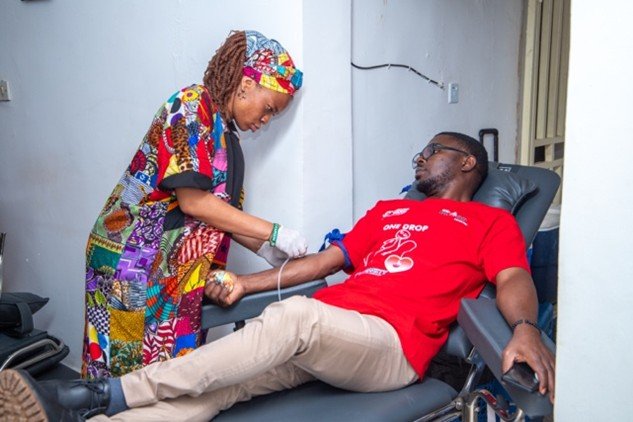
Nigeria Health Watch visited the National Blood Service Agency’s (NBSA) blood bank in Abuja to better understand how blood is collected, processed, stored, and distributed. The visit also provided an opportunity to explore how Nigeria can strengthen access to safe and adequate blood supplies, especially for pregnant women who remain among the most vulnerable to the consequences of an inadequate supply of blood.
The journey begins with safe collection
Blood collection begins with the use of sterile, single-use equipment designed to protect both the donor and the integrity of the collected blood. Blood is then collected in a sealed blood collection bag that contain an anticoagulant to prevent the blood from clotting.

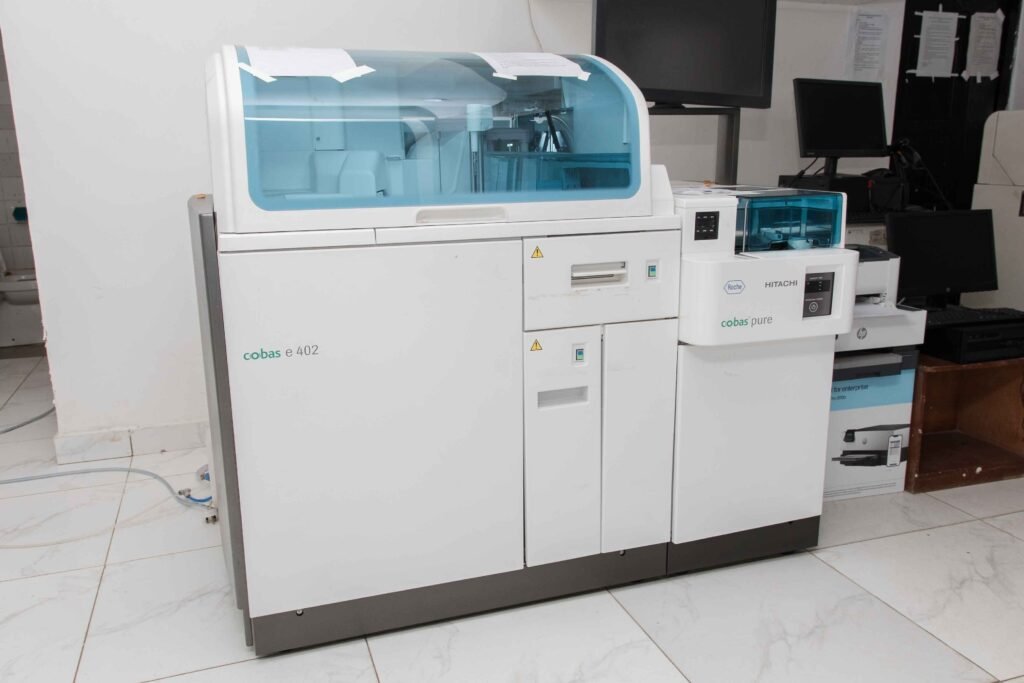
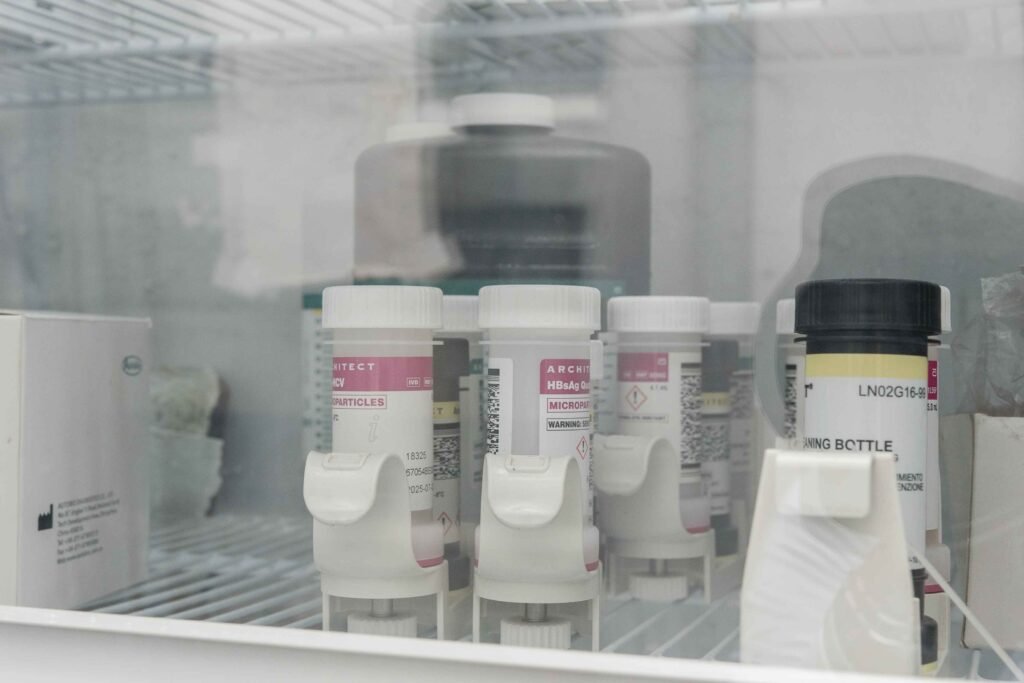
According to Dr Titilope Kolade, Assistant Head of Operations at the NBSA, no unit of blood is exempt from screening. “The various infections we check for are HIV, hepatitis B, hepatitis C, and syphilis, which are [the screenings] recommended by the World Health Organization (WHO),” she explained, adding that no matter the urgency of the case, all blood samples must be screened.
Cold chain: the invisible infrastructure behind safe blood
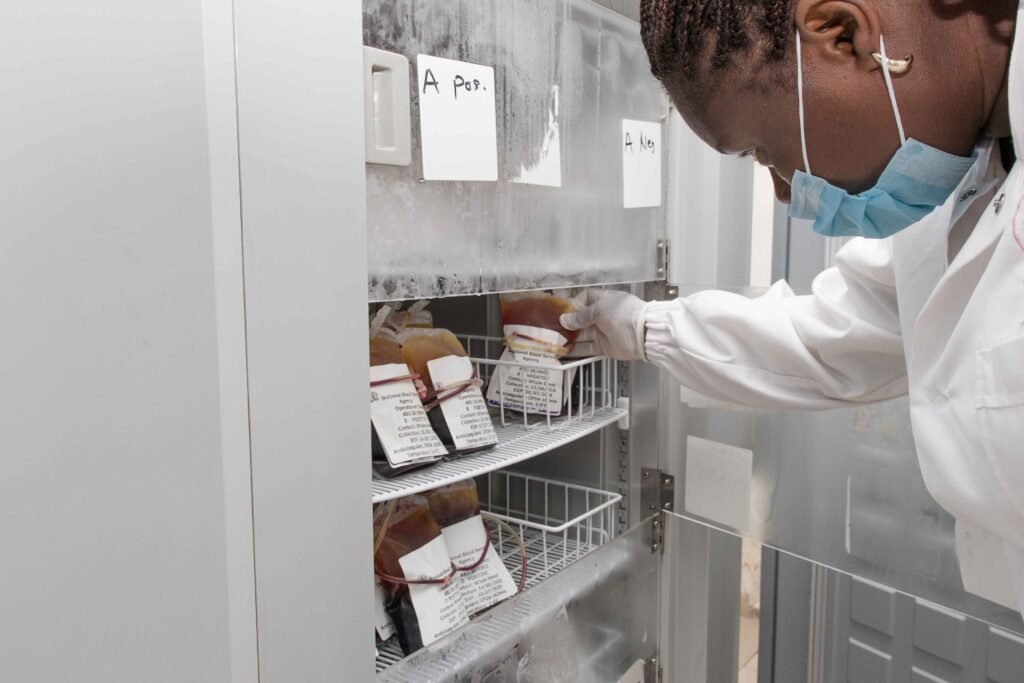
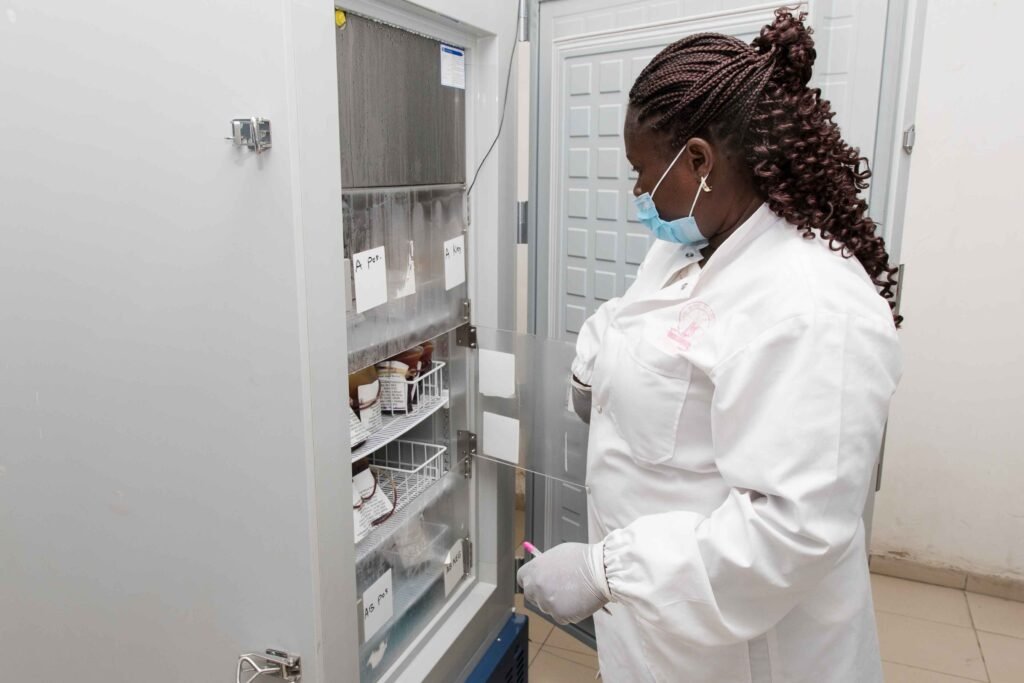
Safe blood transfusion depends not only on rigorous testing but also on proper storage. Maintaining a reliable cold chain is especially critical in obstetric emergencies, where the delays or compromised blood supplies could mean the difference between life and death.
According to Dr Kolade, the NBSA does not depend on Nigeria’s national electricity grid to power its blood storage facilities because of the country’s frequent and unpredictable power outages. The agency relies on alternative power sources to ensure a continuous power supply to preserve the safety and quality of blood products until they reach patients. “The agency depends more on solar back-up and generators, to ensure 24 hours of electricity for the blood to be stored at 2° to 6° Celsius.”
Transporting a unit of blood also requires a validated cold box to maintain an uninterrupted cold chain, ensuring that the blood is protected from contamination and does not deteriorate or become contaminated during transit.
If blood is donated freely, why do patients still pay?
Although blood donation is free, the blood itself is not sold to patients. However, ensuring that a unit of blood is safe and ready for transfusion carries significant costs. These include blood collection, conducting laboratory screening, processing and storage, transporting it safely, and the skilled personnel required at every stage of the process.
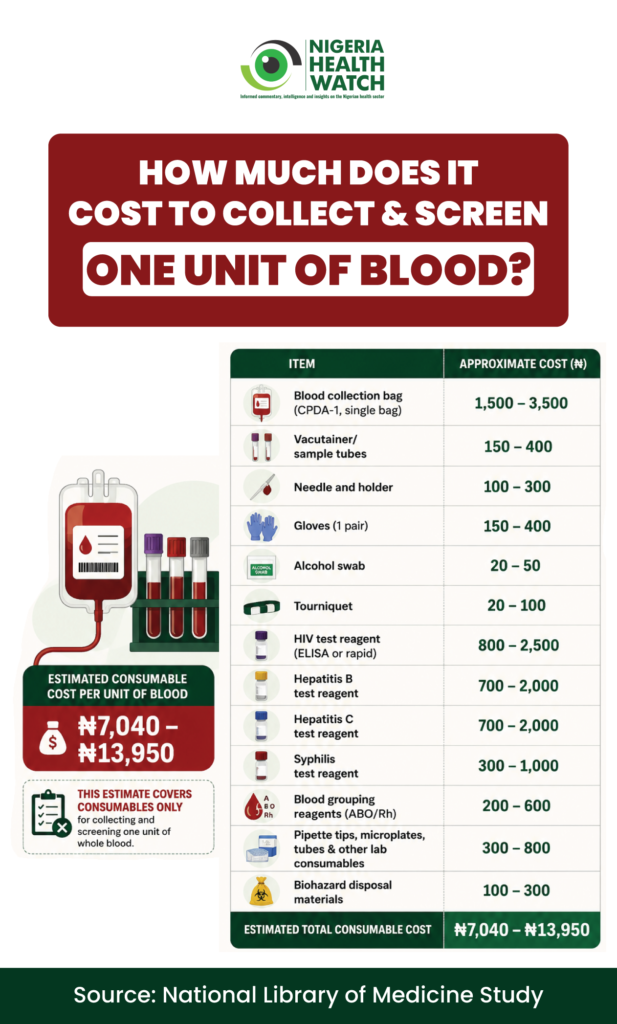
The fees charged by blood banks are therefore not for the blood itself, but to cover the essential services required to ensure that every unit of blood transfused is safe and properly handled.
Why voluntary donation matters for childbirth emergencies
Postpartum haemorrhage (PPH) remains one of the leading causes of maternal mortality in Nigeria and often requires timely access to lifesaving interventions, including blood transfusion when severe blood loss occurs.
Dr Abubakar Zainab, a resident obstetrician and gynaecologist, explained that severe blood loss can compromise the function of vital organs in the body. “In cases of PPH and placental abruption, we usually request blood and blood products, including fresh frozen plasma, to replace lost blood and restore the clotting factors needed to control bleeding,” she said.
While no one expects a medical emergency during pregnancy or childbirth, Dr Zainab stressed that families and close friends of expectant mothers should consider becoming voluntary blood donors before an emergency arises.
“Even when the hospital has not requested it, a family member or friend [of an expectant mother] should be on standby when emergencies occur,” she said. This, she added is especially important in rural and resource-limited communities, where delays in accessing safe blood can have fatal consequences for both mother and baby.
However, while family support can be critical during emergencies, relying on relatives to donate blood at short notice is not a substitute for a reliable voluntary blood system.
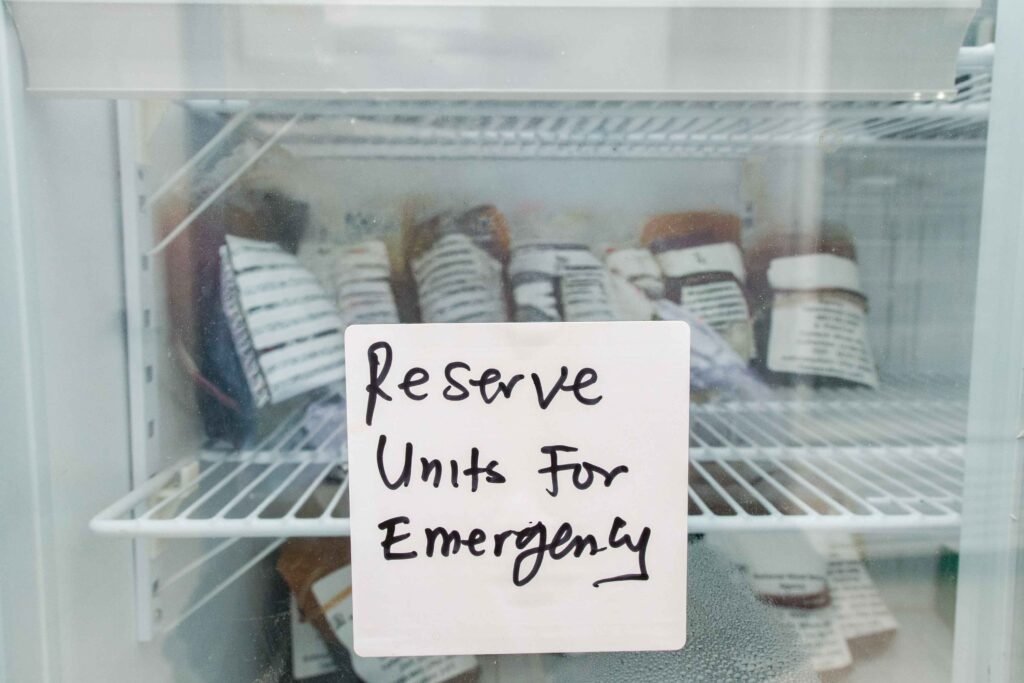
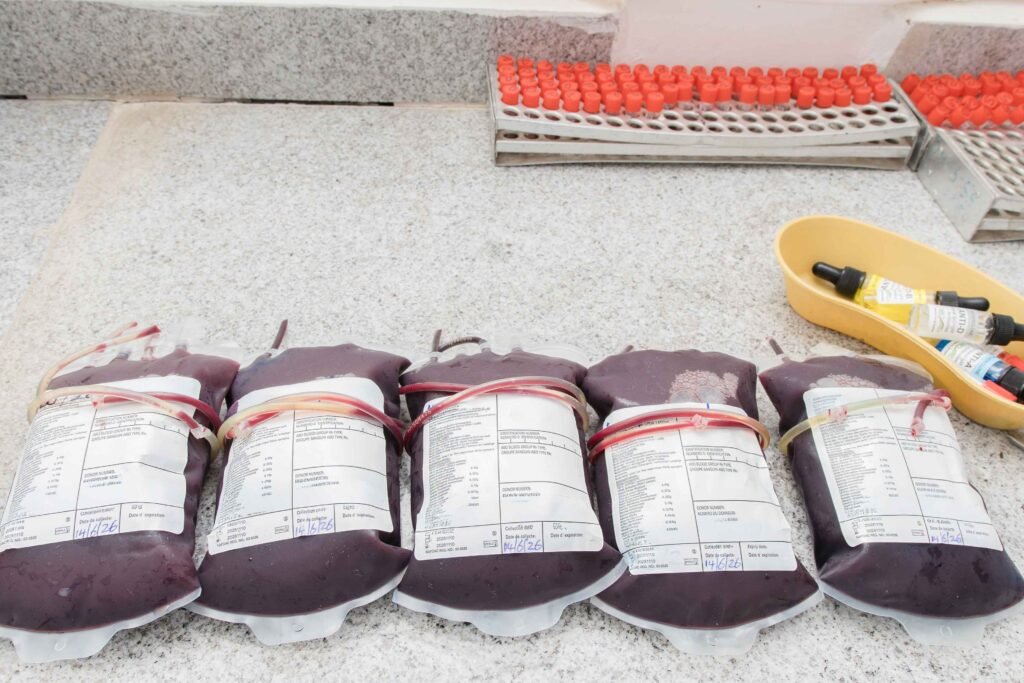
Rather than relying on emergency appeals when lives are already at risk, efforts should focus on encouraging regular voluntary blood donation among healthy individuals, particularly in underserved communities where shortages are most acute. This would require the necessary infrastructure to collect and safely store the blood donations.
Sustained public education, community outreach, and partnerships with workplaces, schools, religious institutions, and civil society organisations can help build a stronger culture of voluntary blood donation and ensure blood is available when emergencies arise.
Addressing Nigeria’s chronic blood shortages will also require a coordinated national strategy that supports voluntary donor registries. This would institutionalise regular blood drives in workplaces, schools, churches and mosques, improving referral pathways between health facilities, expanding access to blood for obstetric emergencies, increasing cold-chain storage capacity, and introducing digital inventory systems to reduce stockouts and minimise wastage.
Leave a Comment
Your email address will not be published. Required fields are marked *