

Strengthening Nigeria’s Health Workforce to Prevent Maternal and Child Deaths
Related Stories




Nigeria does not lack maternal and child health policies, programmes or commitments. What it lacks is enough skilled, supported and fairly deployed health workers to turn those commitments into care. The country still contends with critical workforce deficits in midwives, nurses and obstetricians.
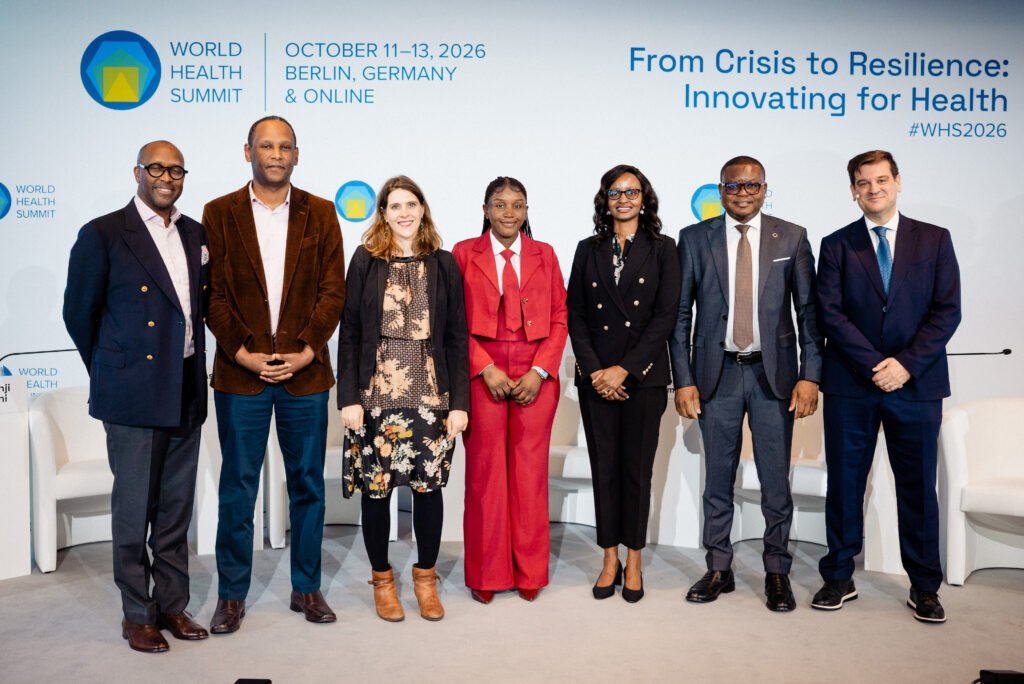
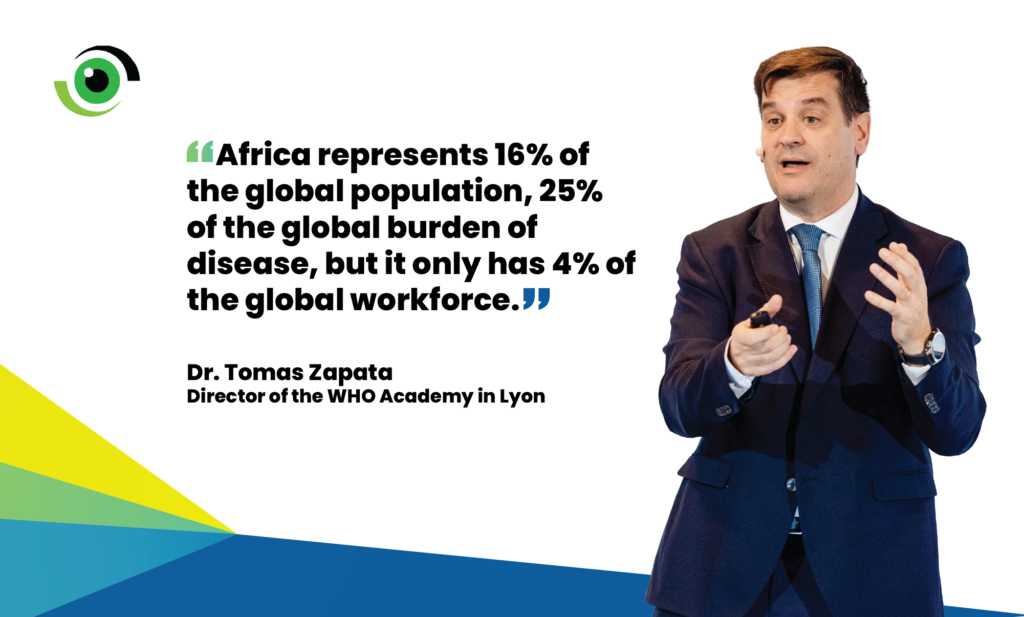
This informed discussions at the 2025 World Health Summit session in Berlin, themed Reimagining a Future-Ready, Resilient, and Equitable Health Workforce for Africa. Dr Thomas Zapata, Director of the WHO Academy in Lyon, set out the scale of the imbalance: “Africa represents 16% of the global population, 25% of the global burden of disease, but it only has 4% of the global workforce.”
Nigeria has one of the world’s highest maternal mortality ratios, at 993 deaths per 100,000 live births, accounting for 28.5% of all global maternal deaths. A Nigerian woman faces an estimated 1 in 19 lifetime risk of dying during pregnancy, delivery, or the postpartum period. A WHO report found that Africa averages only 1.55 doctors, nurses and midwives per 1,000 people, far below the 4.45 per 1,000 needed for universal health coverage. Nigeria has just 2.9 doctors per 10,000 people, about one doctor per 3,474 people.
Dr Zapata noted that the global health worker shortage is expected to shrink to about 11 million by 2030, with about 70% of that shortfall in Africa and the WHO Eastern Mediterranean region. Europe has 13 times as many doctors and six times as many nurses per population as the African region.
Trained but not employed: the labour market paradox
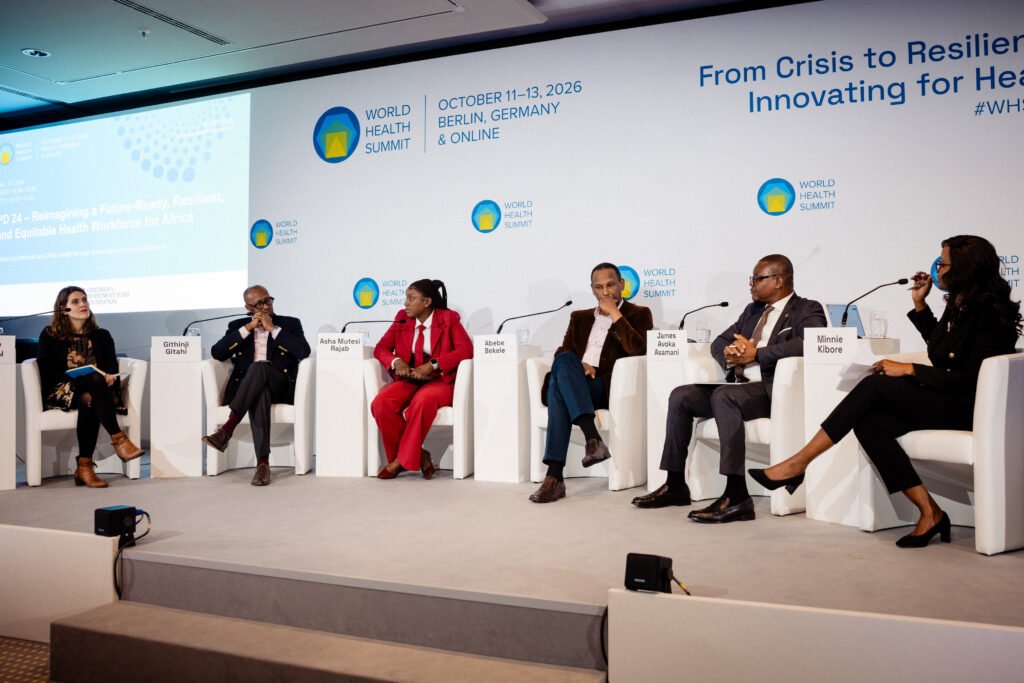
Training more health workers is not enough on its own. Dr James Avoka Asamani, Team Lead for Health Workforce at WHO AFRO, said training capacity on the continent has more than doubled in the past decade. Yet almost a million trained health workers are unemployed or underemployed while facilities remain understaffed. He called this a health labour market failure: a mismatch between population needs, available resources and spending priorities.
Absorbing all the health workers Africa has already trained would require roughly a 43% increase in health sector budgets. Nigeria faces the same paradox: it trains thousands of health workers every year, but non-competitive salaries, difficult working conditions and unbudgeted posts leave many trained professionals without jobs or looking abroad.
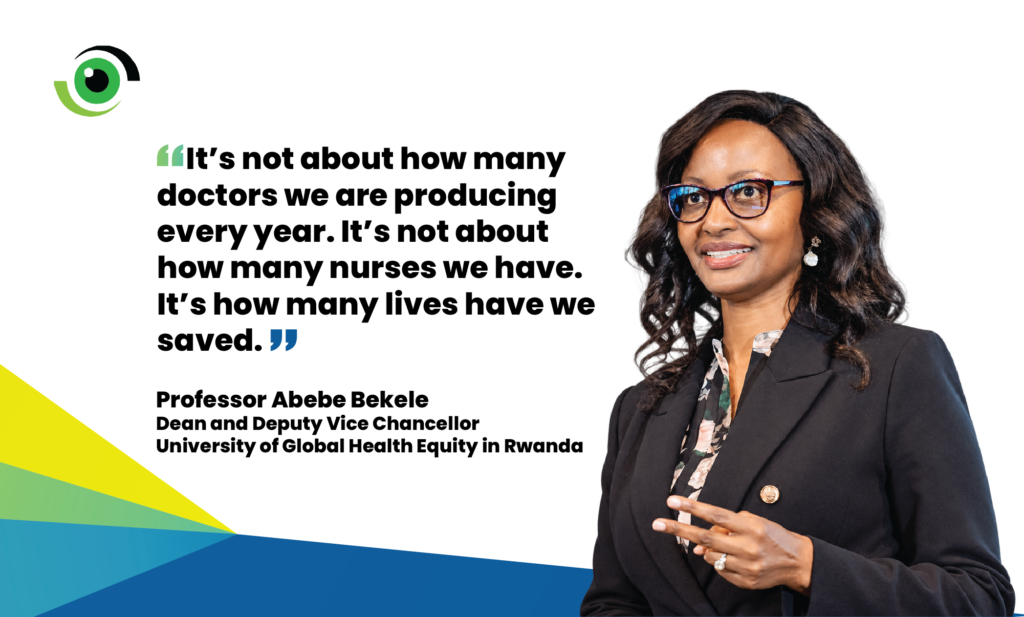
Professor Abebe Bekele, Dean and Deputy Vice Chancellor at the University of Global Health Equity in Rwanda, said medical schools are being pushed to triple or quadruple their intake, often without coordination between health and education ministries, while graduates cannot find work. He set a clear standard for measuring progress: “It’s not about how many doctors we are producing every year. It’s not about how many nurses we have. It’s how many lives have we saved.”
Why “Japa” is a push and a pull
In 2024 alone, 4,193 doctors and dentists formally emigrated from Nigeria, a 200% increase on the previous year. Data shared at the summit by Dr Thomas Zapata, Director of the WHO Academy in Lyon, showed that about 17,000 Nigerian doctors and 55,000 Nigerian nurses now work in OECD countries. Dr Zapata said Nigeria is the second-largest source of doctors and the largest source of nurses among countries on WHO’s health workforce safeguards list.
This brain drain, known locally in Nigeria as “Japa”, is driven from both ends. At home, workers face heavy workloads, weak pay and few prospects. Abroad, high-income countries are recruiting from a position of need: about 31% of doctors in the WHO European region are older than 55, rising above 40% in Italy, France, Spain and Germany, while fewer young people are entering the professions.
Spending better, not only spending more
Dr Githinji Gitahi, Group CEO of Amref Health Africa, argued that countries cannot afford to fill the gap with more of the same and must rethink a delivery model inherited from a purely biomedical approach. He noted that nurses make up about 70% of the health workforce and about 60% of the wage bill, while doctors make up 4% of the workforce and 11% of the wage bill. Prevention, task shifting and community health workers, he said, must be part of the solution.
Asha Mutesi Rajab, a youth community health worker and community health advocate from Nairobi, described paying the transport fare for a pregnant woman who could not otherwise attend antenatal care during the session, Communities at the Heart of Health Resilience. Her appeal to policymakers was direct: “Don’t give CHWs (Community Health Workers) more responsibilities. Give us the capacity to carry out these responsibilities.” She called for salaries, fair remuneration, supervision and clear career progression.
Investing in midwifery to prevent maternal and newborn deaths
Midwifery is among the most cost-effective ways to prevent maternal and newborn deaths, yet remains chronically underfunded. During the Transforming the Future: Ending Preventable Maternal and Child Deaths session, Jacqueline Dunkley-Bent, Chief Midwife at the International Confederation of Midwives, said implementing midwife-led care requires that money follow the model of care, that midwives have the workforce and authority to deliver it, and that governments be held accountable for outcomes.
She explained that funding often follows hospital activity, such as occupied beds, rather than prevention. Chronic understaffing makes midwife-led models appear ineffective. “The evidence says the model works,” she said; the failure lies in implementation. She pointed to Ethiopia, which has significantly reduced maternal mortality by expanding midwife-led care without high-income infrastructure. Nigeria has previously attempted to deploy midwives to underserved areas through the Midwives Service Scheme. The task now is to make that investment sustainable.
The pathway forward
Nigeria has the policies and evidence to guide its response. The challenge is to build, pay and retain a health workforce that can deliver on them, especially at the primary level. Protecting workforce funding, paying PHC teams regularly, and clear career pathways should go alongside publishing routine workforce data and maternal and child outcomes, to build the kind of evidence system that shows whether investments are working.
Leave a Comment
Your email address will not be published. Required fields are marked *