

When Boreholes Fail: The Accountability Gaps Threatening Clean Water Access in Nigeria and Zimbabwe
Related Stories

Jonathan Iwunze and Linda Mujuru (Lead writers)
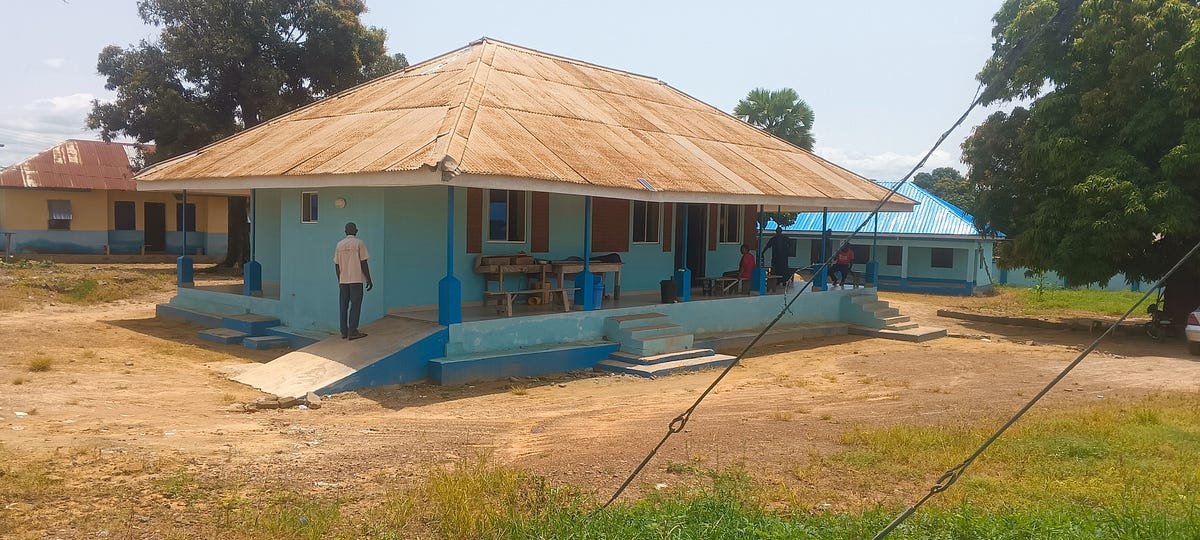
Whenever the manual borehole at Abinsi Primary Healthcare Centre (PHC) in Benue State breaks down, Aloma Ashever must find an alternative source of water to keep essential health services running.
With pregnant women, newborns and sick children still requiring care, Ashever turns to water vendors who transport water in handcarts across the community.
However, the facility’s borehole serves more than its patients and healthcare workers. Residents, particularly those unable to afford water from commercial vendors during the dry season, also depend on it for their daily needs. Ashever said this additional demand places pressure on the borehole, contributing to frequent breakdowns and disrupting the facility’s access to water.
Likewise in Budiriro, a densely populated suburb southwest of Harare, Zimbabwe, Yambiro Mabhudhu faces a different form of the same problem. She explained that the municipal taps at her home have been dry for more than five years. Her household depends on a community borehole drilled by Médecins Sans Frontières that operates for only two hours.
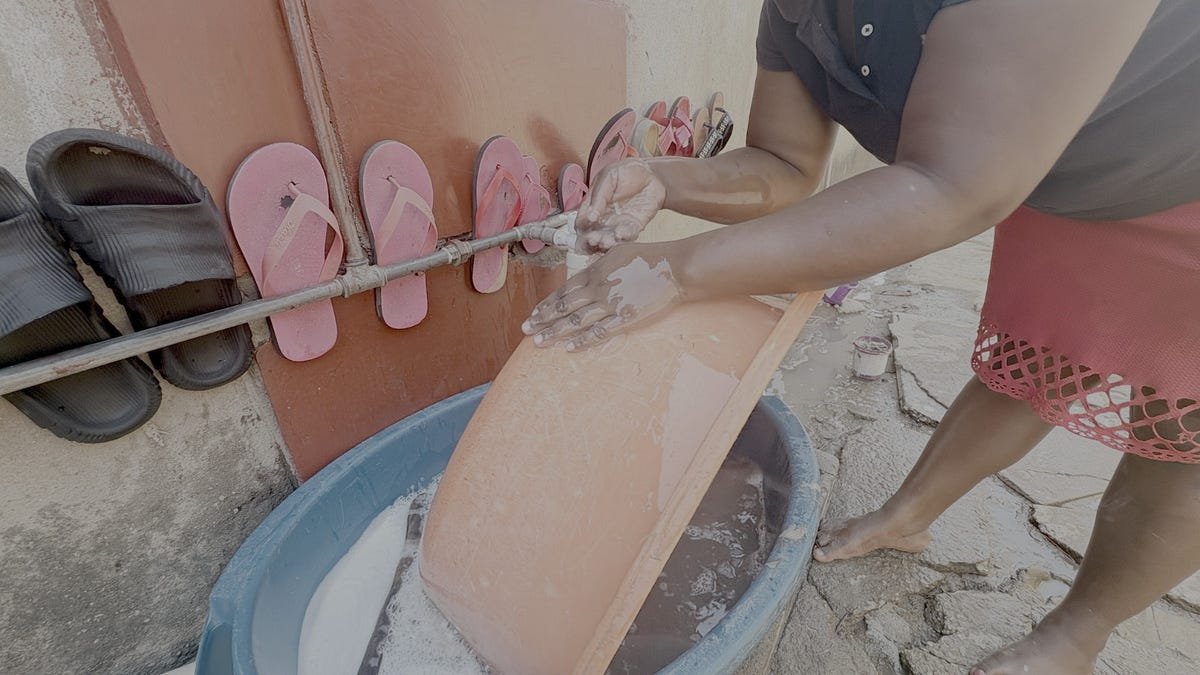
“With no water from the city council, we rely on this community borehole for everything in the household,” Mabhudhu says. Large containers and buckets fill much of her kitchen because she must store water for cooking, drinking, washing and other needs.
When a water point stops working
In Benue, a working borehole can determine whether a health facility has water for patients. In Harare, it can determine whether a household has water at all.
But a pump that produces water doesn’t necessarily provide a reliable service, and clear-looking water isn’t proof itis safe.
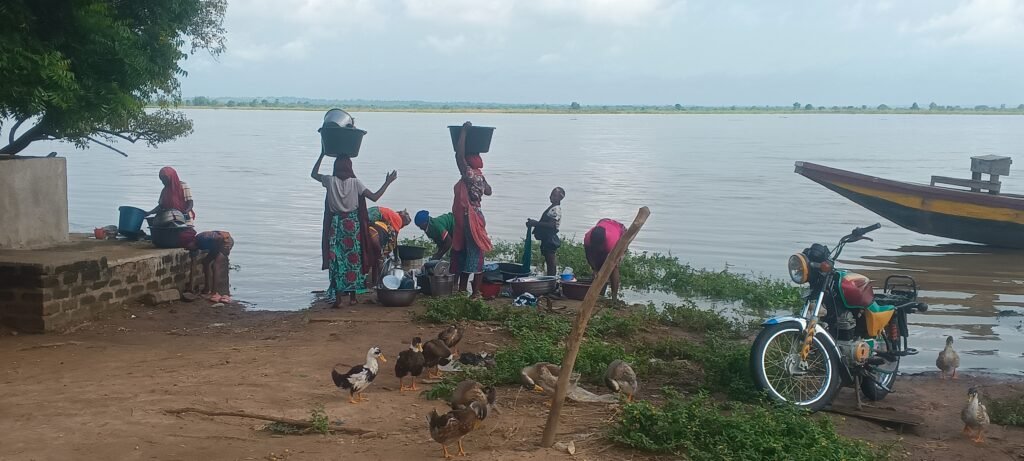
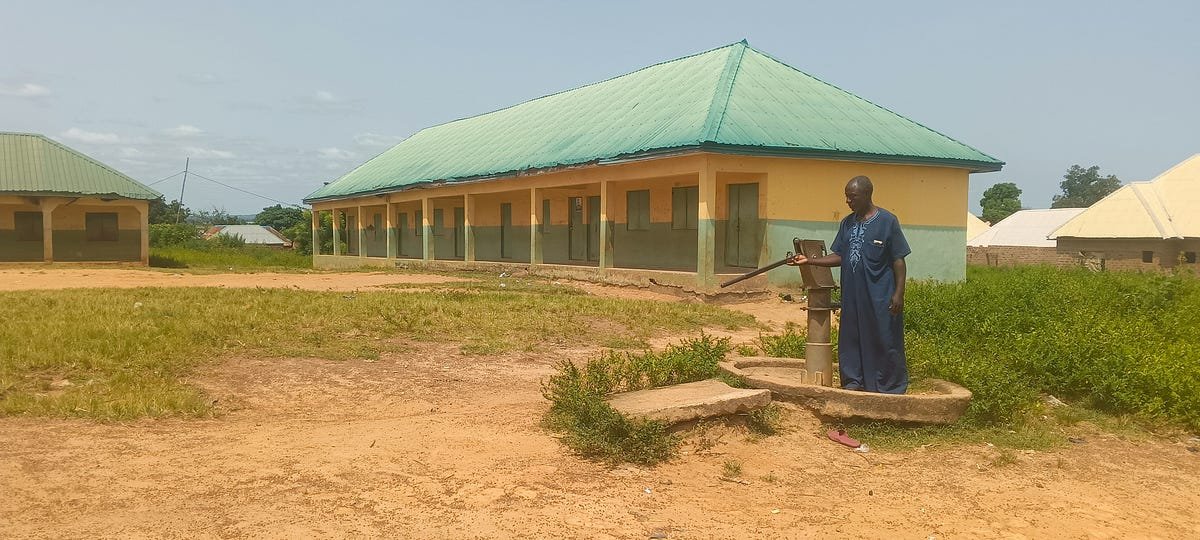
In 2021, three UNICEF-built manual boreholes in Kabawa, a riverside community in Abinsi, Guma Local Government Area (LGA), broke down. Residents returned to the river for water as cholera spread through parts of Benue State.
Benue State’s Commissioner for Information, Ngunan Adingi, reported more than 25 deaths across Guma and Agatu LGAs. The officer-in-charge of Abinsi’s health centre said the official figures did not capture all the deaths in the community. She said some were buried quietly in their compounds.
Fatimah Bala, a Kabawa resident, said a private hospital told her that contaminated water caused illnesses that killed two of her six children. One died before the 2021 reporting and the other about two years ago.
Adama and Aminu Yusuf, residents of the community, contributed their own money to repair the boreholes. Both were among the only two people who had actively served on WASHCOM, the community’s water, sanitation and hygiene committee. Other residents had declined to join, so the committee never developed into a wider maintenance structure.
Harare residents also pay when public infrastructure fails. Joyce Matenga said she and 19 neighbours financed a private borehole.
“We had a community borehole drilled by the city council right in front of our house, but it malfunctioned a year ago and has not been fixed since then,” she noted.
Their new borehole provides water, but Matenga said it has not been tested to establish whether the water is safe to drink.
Water quality cannot be judged by appearance
Mabhudhu believes the water she collects is safe. “Borehole water is safe for drinking, and it is always clean,” she said. Official findings show why appearance is not enough.
Minutes from a June 2024 Harare City Council committee meeting revealed that more than 60% of sampled boreholes and 90% of shallow wells in areas including Budiriro were contaminated with E. coli and coliform bacteria.
The report did not specify the water points tested, the number of samples collected or whether contaminated sources were treated, closed or retested, leaving residents uncertain about the safety of their water sources. Harare Mayor Jacob Mafume maintained that the city conducts monthly borehole water tests and closes contaminated sources.
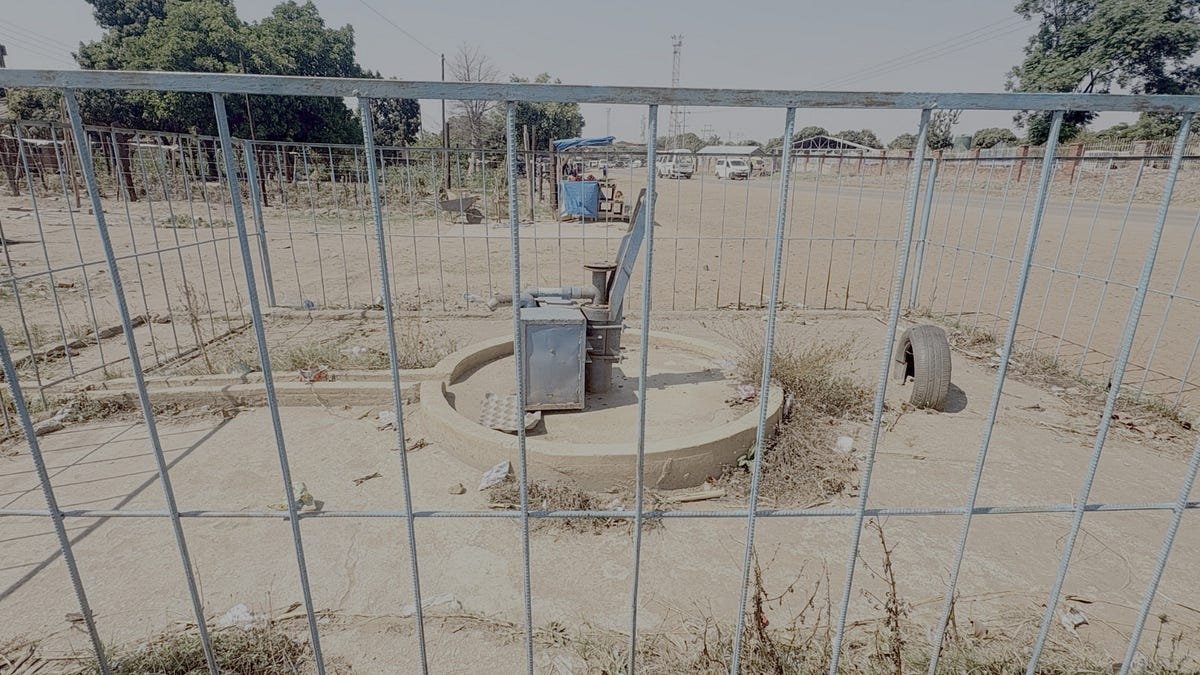
Gogo Matanda, who manages the borehole used by Mabhudhu and other residents, said that she has never seen a council official test its water. A City of Harare planning document also states that many boreholes and wells are not monitored to determine whether they meet drinking-water standards.
Maintenance policies without the means to act
At an October 8, 2026 meeting in Makurdi, officials from UNICEF and the Benue State Rural Water Supply and Sanitation Agency (BERWASSA) explained that communities are expected to collect contributions or tariffs for borehole maintenance. In Kabawa, women raised money for one repair, and a trained mechanic restored a pump that still could not provide sufficient water.
Matthew Terhile Nyamve, BERWASSA’s desk officer for WASH in Emergency, said the agency had assessed a request from a Guma community and opened a file but could not implement the work without funding. He said the agency had received no funding from its budget for implementation since 2024 and that approved budgets had not translated into released funds.
UNICEF desk officer Adzargee Douglas offered a related explanation for Kabawa. Referring to the preliminary measures normally taken before a water point is installed, he said, “it is likely that these preliminary measures… were not done because of the urgency of the project.”
These accounts point to weaknesses at both ends of the project cycle. Preparation and maintenance systems may be inadequate, while an assessment or approved budget cannot produce repairs without released funds.
In Harare, the gap lies between official assurances and what residents can verify.
Zimbabwe’s Constitution recognises the right to safe, clean and potable water, and the Public Health Act empowers health officials to inspect sources and collect samples. Those obligations matter only when authorities keep accessible records, test individual sources and act on the results.
Records that cannot follow the water
Nigeria’s national water information system, WASHIMS, is meant to support planning and monitoring, but a location recorded on a map does not prove that a water point still works.
Iwunze sent several letters and reminders to the Federal Ministry of Water Resources asking whether Kabawa and Eshi (in Cross River State) appear in the database, what functionality status is recorded and when the entries were last updated. The ministry had not responded at the time of writing.
Terhile, BERWASSA’s desk officer, said BERWASSA collates data wherever it implements projects but could not say it amounted to the actual WASH data for Benue State. As for WASHIMS, Terhile said, “you might not get it [the current data] there.”
Data was supposed to move from local governments to the state and then to the national level, he said, but local governments had not received funding for field visits to collect information in real time.
Patrick Ihuma, an assistant UNICEF desk officer, said the unit responsible for capturing and uploading community data had not been very active, especially in Guma, and that only three or four LGAs in Benue State were up to date. About Guma, he said, he was not sure.
Asked whether Kabawa was in BERWASSA’s database, Terhile’s answers were unclear, and he referred the question to the UNICEF desk officer. These accounts do not show whether Kabawa appears in WASHIMS or what status it carries.
Harare’s council has evidence of contamination across sampled sources but has not published enough detail for residents to identify the tested boreholes.
Five years after the first report from Kabawa, families still return to the river when safer sources fail. At Eshi, a nurse works without a water source. In Budiriro, residents store borehole water without source-specific laboratory results showing whether it is safe to drink.
Leave a Comment
Your email address will not be published. Required fields are marked *