
Funding Cuts to Women’s Organisations Put Women, Girls and Gender Equality at Risk
Related Stories


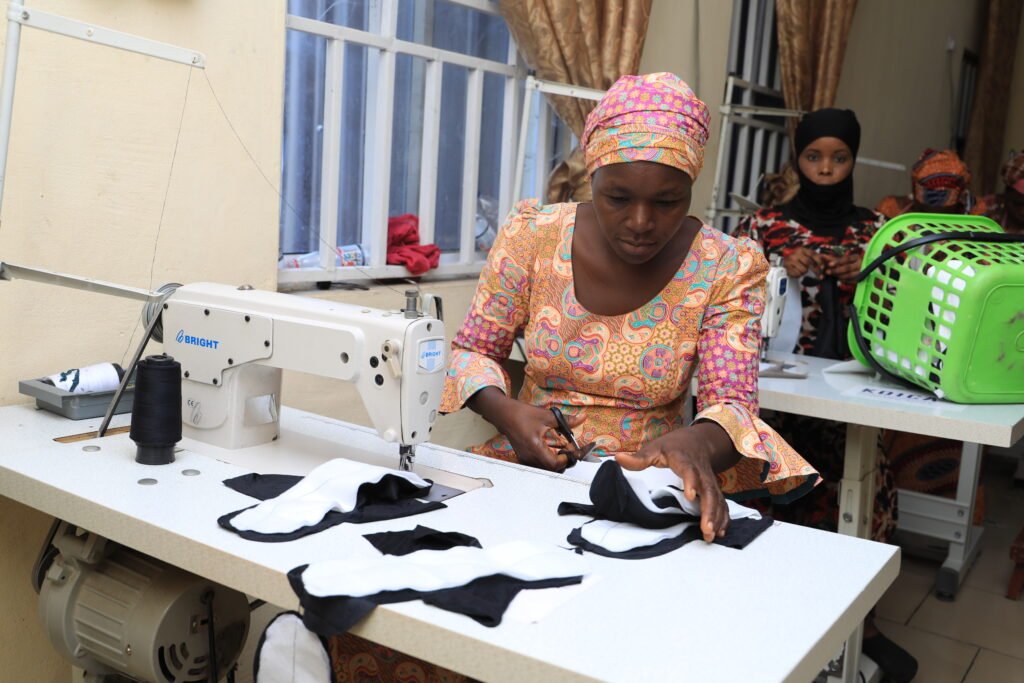
For thousands of girls forced to leave school because of child marriage or adolescent pregnancy, Her Voice Foundation, a Nigerian-based non-profit, has offered a second chance to return to school, gain skills and build economic independence.
However, as funding crisis disproportionately hits women-led and women-focused organisations, Favour Abatang, the founder of the foundation, explained that this second chance programme is now under threat, leaving many of the 7,000 girls who have benefited from their support at risk of being forced out of empowerment opportuinities.
This grim reality is not unique to Nigeria. A recently released UN Women report titled ‘Beyond the Breaking Point: The Continuing Impact of Funding Cuts on Women’s Organisations in Humanitarian Settings,’ noted that globally a widening gap has emerged between the needs of women and girls and what the organisations best placed to support them can provide.
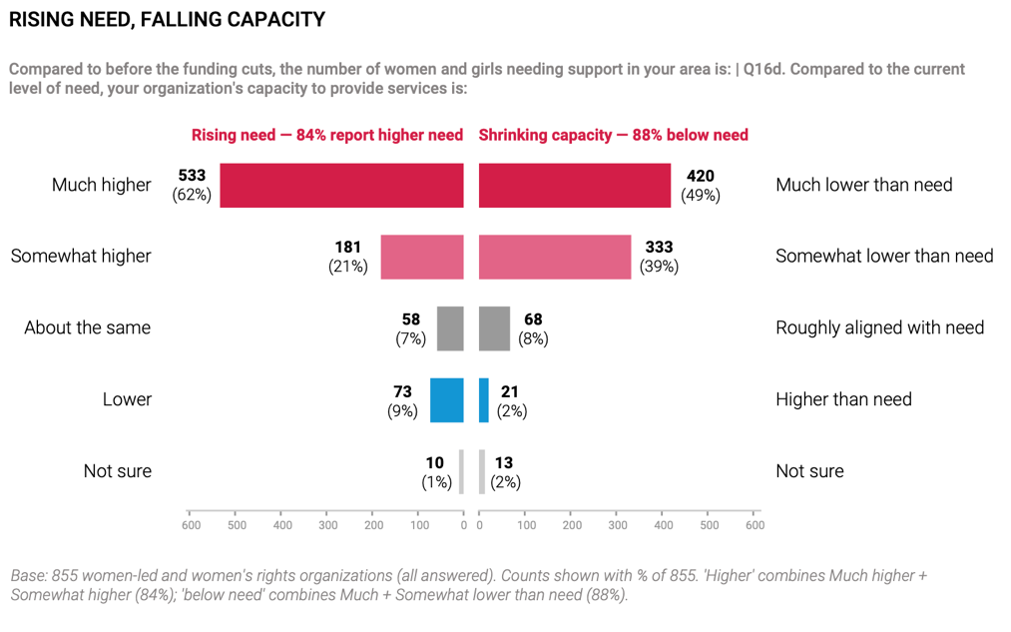
“The defunding is happening at a time when crises around the world are worsening,” Abatang, noted, echoing the findings for the UN report which revealed that 84% of the 855 women-led and women’s rights organisations surveyed across 52 countries, including Nigeria, reported an increase in the number of women and girls needing support since January 2025.
What women and girls stand to lose
Women-led organisations are often among the closest and most trusted sources of support in communities affected by crises, where women bear a disproportionate burden.
Hence, when funding to these organisations is reduced or withdrawn, this removes the safety net for women and girls in many ways, such as:
1. Reduced access to safe spaces and Gender-Based Violence services: According to the report, 135 organisations lost between US$25,000 and US$75,000 in funding in 2025. As a result, some have been forced to introduce waiting lists or turn away survivors seeking support. The cuts have also significantly affected Women and Girls’ Safe Spaces (WGSS), which serve as critical entry points for survivors to access protection, care, and psychosocial support. About 62% of organisations reported that WGSS had either become unavailable or had been scaled back. In Nigeria, the International Rescue Committee (IRC) reported that two WGSS were closed in 2025, while activities were reduced in six others. This left an estimated 600 women and girls without access to essential services.
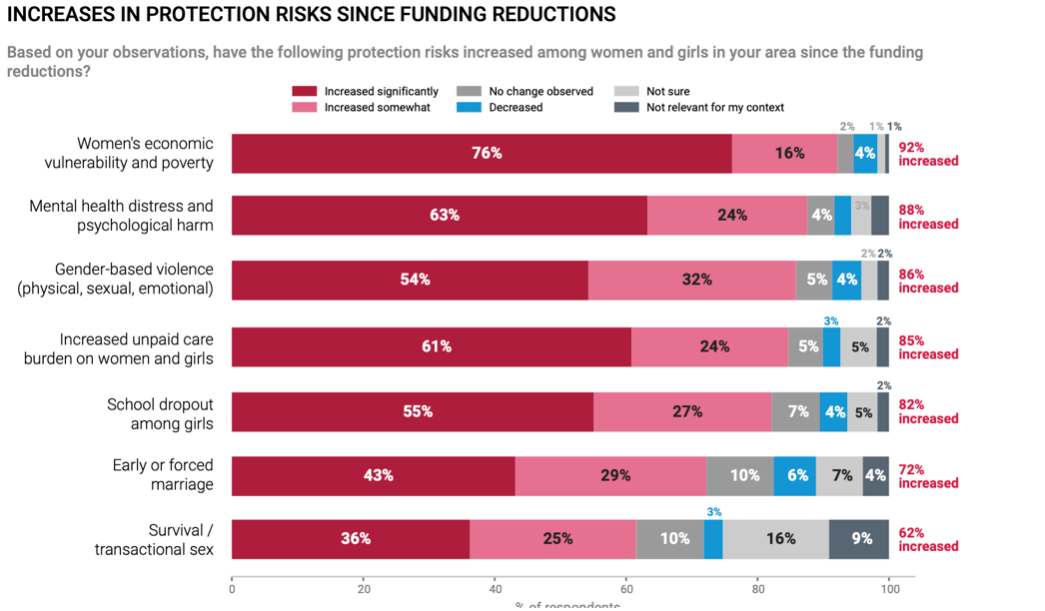
2. Increased economic vulnerability and protection risks: The report also found that 92% of women-focused organisations reported rising poverty among the women they serve, while 82% saw increased school dropouts among girls, and 86% reported rising gender-based violence.These trends are closely linked to shrinking livelihood, education, and protection services, leaving women and girls more economically vulnerable and at greater risk of exploitation, stigma, and child marriage.
3. Slowing progress towards gender equality: The impact of funding cuts is also creating a ripple effect on the gender equality goal, weakening the participation and influence of women and girls around the world. 58% of organisations surveyed observed reduce of women and girls in community decision-making, while 31% reported a diminished capacity to influence and advocate for women’s rights. 21% said they had paused or abandoned longer-term gender equality initiatives, threatening progress on issues that require sustained action and investment.
Defunding the work, undermining the progress
Beyond the impact of the defunding on beneficiaries, the operations of many women-focused organisations are also rapidly crumbling. Abatang noted that funding cuts have affected her organisation’s strategy and ability to fulfil its overall mission, with staff and frontline workers experiencing burnout and struggling with uncompetitive pay.
“We [organisations] are fighting for scarce resources. This is costing us more than we can ever imagine. Personally, I am strained by the fact that I am always on the burn, looking for where the next money is coming from,” Abatang explained.
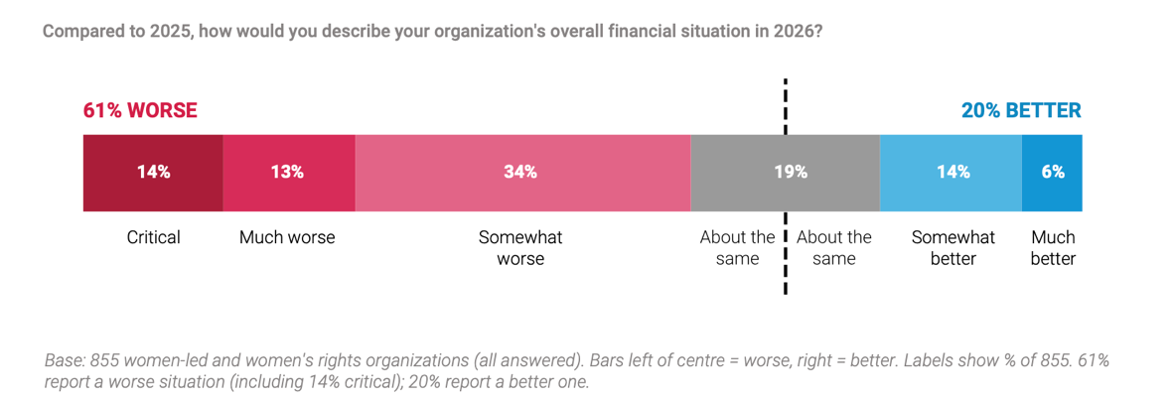
Globally, the UN Women reportedly found that 45% of women-focused organisations have six months or less of operational funding remaining, while 41% consider the suspension or closure of their operations likely within the next year.
Abatang described the reduction in funding as being akin to diminishing the importance of the issues themselves. “Feminist work is important work,” Abatang said. “Yet we are saying that we do not want to put our money where our mouth is. If we have international convenings every year to discuss these issues, then where is the funding? We are indirectly saying that issues such as child marriage and female genital mutilation are not significant,” she explained.
Abatang also noted that the funding crisis is having a significant impact on research and documentation. As funding reduces, organisations that have historically collected data, documented lived experiences, and generated evidence on issues affecting women and girls are being forced to scale back or abandon the work.
This threatens more than the availability of research in the present, it risks erasing important records of the challenges women and girls face and the solutions that have been developed to address them.
Abatang warned that without sustained investment in research and documentation, valuable historical records could be erased, making it harder for future generations of advocates, policymakers, and activists to understand what has been achieved, what gaps remain, and which interventions have worked.
What Needs to Change
For Abatang, international donors and governments must fundamentally transform how they partner with local organisations. This means adequately funding the organisations already doing the work and ensuring they have the resources to sustain it, in addition to creating new programmes for women and girls. Health sovereignty requires governments to take greater responsibility for funding services previously supported by donors. Sustained domestic investment and coordinated donor transitions are essential to protect these services for women and girls.
This call is strongly echoed by the recommendations of the UN Women report and the landmark UN-Wide Funding Framework for Women’s Organisations and Civil Society Organisations.
The UN Women report identifies three urgent priorities: protect essential services, prevent women-led organisations from closing, and reform funding systems to provide more predictable and flexible financing.
To achieve these, funders and governments should move away from the transactional “projectisation” of aid, which restricts funds to short-term, rigid projects and fuels a fragmented, competitive ecosystem to providing flexible, predictable and multi-year funding that allows women-led organisations to plan beyond the next few months, retain staff and respond to emerging needs in their communities.
Lastly, there is a need for women’s organisations to work together rather than compete for increasingly scarce resources. Collaboration and collective advocacy can help organisations share knowledge, strengthen their voices and identify ways to reach more women and girls, especially in communities where services are already limited.
Leave a Comment
Your email address will not be published. Required fields are marked *