
Community Feedback Brings Water, Toilets, Medicines and Longer Services to Zubairiyya PHC
Related Stories


By Rahima Shehu Dokaji
For years, access to quality healthcare at Zubairiyya Primary Healthcare Centre (PHC) in Yakasai community, Kano, was affected by basic gaps that made care more difficult for residents.
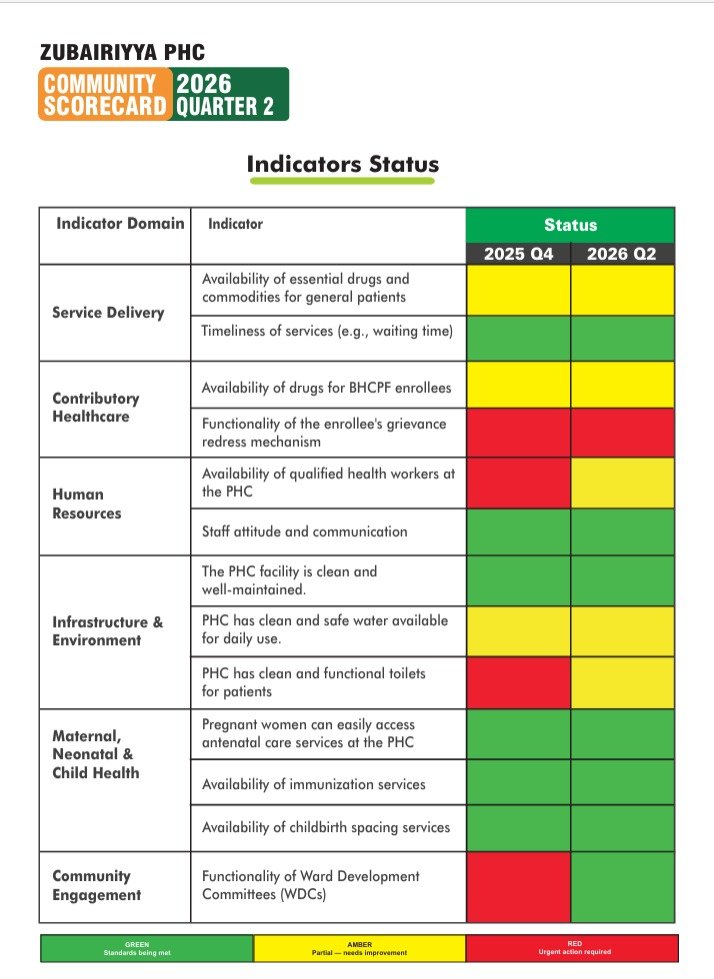
However, three months after the community raised these concerns during the first town hall meeting and scorecard assessment in April 2026, tangible improvements are beginning to emerge, demonstrating what is possible when communities are heard and health authorities respond.
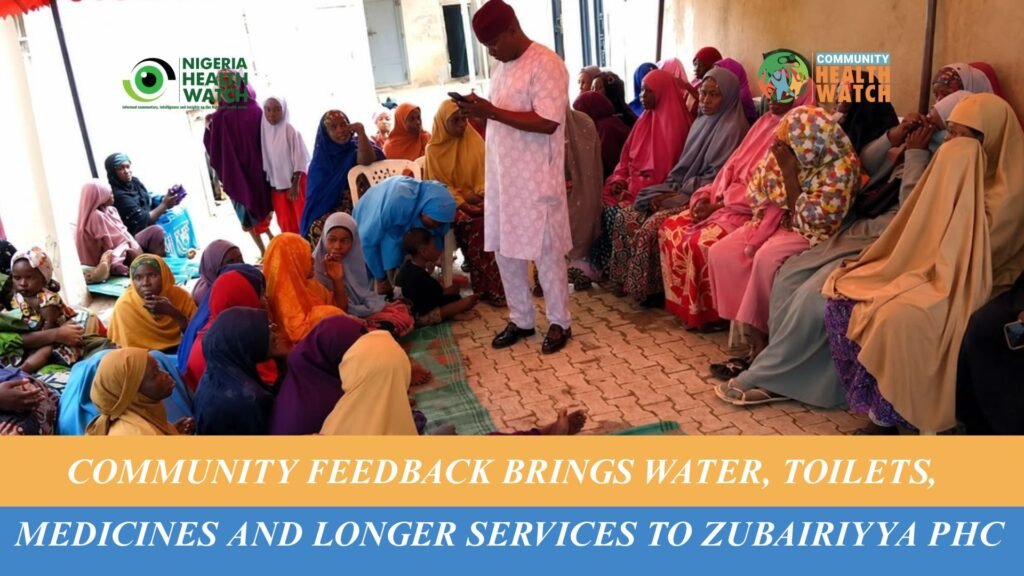
In July 2026, Nigeria Health Watch in collaboration with Akin Savvy Awareness Initiative for Africans, the Kano State Primary Healthcare Management Board (KSPHCMB) and the Kano State Contributory Healthcare Management Agency (KSCHMA) convened a follow-up town hall meeting and community scorecard assessment.
Community members, health officials and local leaders came together to assess progress since the April exercise, highlight improvements, and identify the gaps that still need attention to strengthen healthcare service delivery. “Since the last town hall, we have seen positive changes,” Babangida Yakasai, the Ward Development Committee (WDC) Chairman, noted.
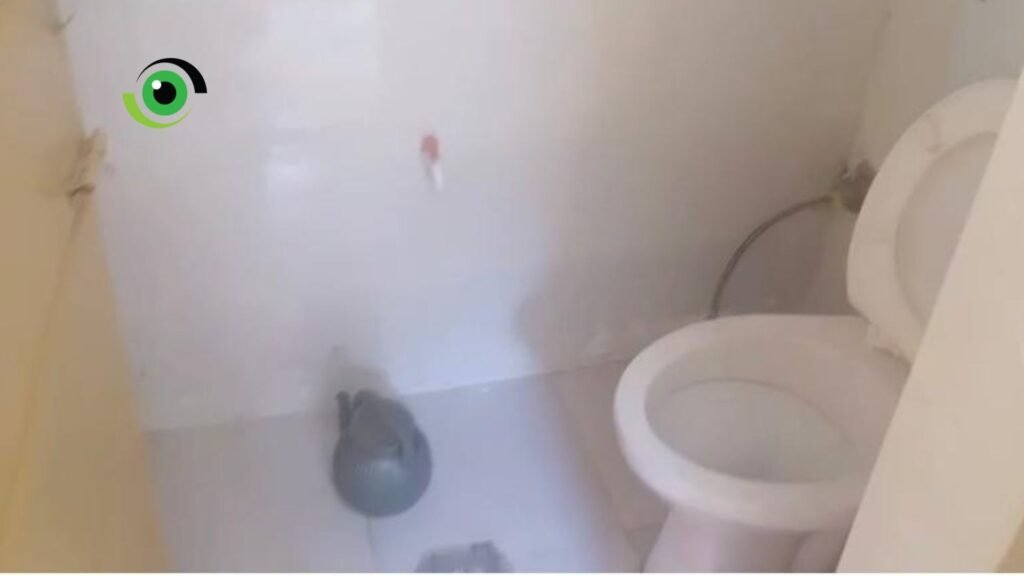
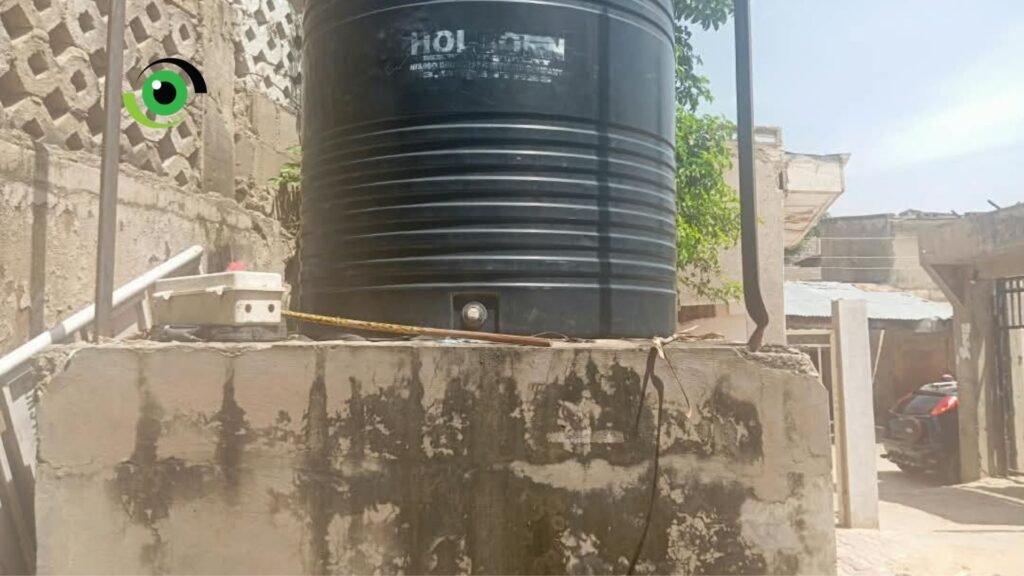
One of the most significant changes is the improved access to potable water. Following concerns raised during the first meeting, the WDC engaged a neighbouring resident who agreed to provide water to the facility. “On the issue of lack of potable water, we got one of the neighbours of the facility who agreed to provide it. We also constructed a toilet facility after the issue was raised last time.”
Muhammad Yakasai, the Ward Head of Yakasai community, also noted improvements in the availability of medicines, describing it as one of the major concerns previously affecting the community.
The progress illustrates the value of community-led accountability. Rather than simply identifying problems, the scorecard process created a platform for residents, facility managers and government stakeholders to jointly identify practical solutions and track progress.
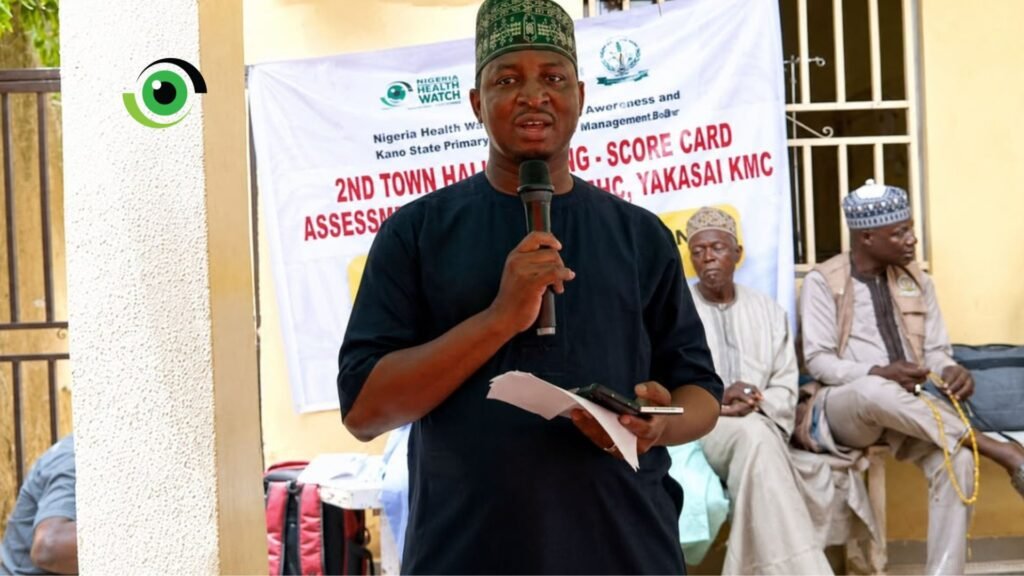
Following concerns raised by community members over the facility’s early closing time Lawan Jafar, the Head of the Department of Health, Kano Municipal Council, explained that the health post’s operating hours has been extended from 8:00 a.m. to 2:00 p.m. to 8:00 a.m. to 6:00 p.m.
“We achieved this by dividing the facility staff into shifts to ensure that patients could continue to access healthcare services beyond the previous closing time,” said Jafar.
Abdullahi M. Salisu, Deputy Director, Environment, KSPHCMB, encouraged residents to continue providing honest feedback, while Mustapha Yusuf Ibrahim, KASCHMA Liaison Officer, urged community members to remain honest and courteous during assessments. He also encouraged eligible residents to enrol in the Basic Healthcare Provision Fund (BHCPF) health insurance services.
The improvements at Zubairiyya PHC demonstrate how community participation and accountability can translate identified gaps into practical action. Through the community scorecard process, concerns around potable water, sanitation and medicine availability moved from being community complaints to issues that stakeholder collectively addressed.
This aligns with the Nigeria’s Health Sector Renewal Investment Initiative (NHSRII), which prioritises strengthening primary healthcare and building an efficient, equitable and quality health system that responds to the needs of Nigerians. Therefore, sustaining these gains will require continued community engagement, responsive health authorities and regular accountability mechanisms such as community scorecards.
The community and stakeholders should therefore,
- Continue regular community scorecard assessments and follow-up on identified gaps.
- Strengthen collaboration between the WDC, facility management and health authorities.
- Encourage eligible residents to enrol in health insurance to improve access to affordable healthcare.
- Maintain open channels for community feedback so that emerging service delivery challenges can be identified and addressed promptly.
As the Yakasai noted, “When the community has one voice and acts together, solutions can be achieved.”
Leave a Comment
Your email address will not be published. Required fields are marked *