

Trust Returns to Gurjiya PHC After Solar Battery Theft Resolution, Yet Accountability Concerns Persist
Related Stories
Revitalised Ungwan Dosa PHC Still Faces Access Gaps
Sep 24, 2026

Rahima Shehu Dokaji
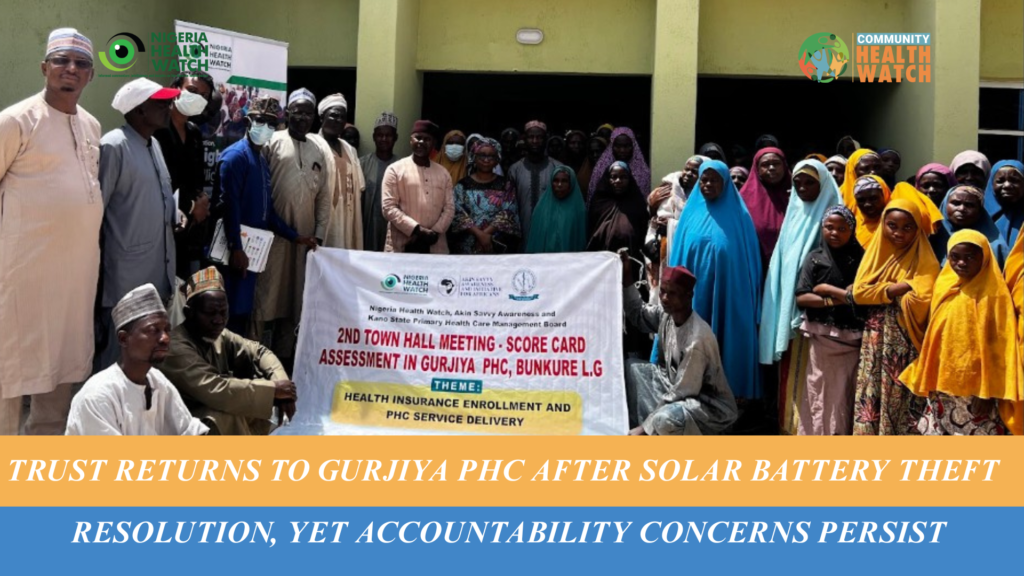
After residents lamented the theft of a newly installed solar battery at Gurjiya Primary Health Care (PHC) in a town hall meeting in January, community members have returned to another town hall meeting held in April to ask a new question: Can a health facility experiencing growing patient demand keep pace with community expectations?
Concerns raised during the January meeting centred on security, electricity, staffing shortages and community engagement, and the latest discussions revealed signs of improvement.
According to Umar Abdul, the Officer-in-Charge (OIC), patient attendance has increased from 535 to over 1,000 clients, reflecting growing confidence in the facility. Services such as family planning, outpatient care, tuberculosis treatment, and the Basic Health Care Provision Fund (BHCPF) are also currently available.
However, during the April town hall meeting organised by Nigeria Health Watch in collaboration with Akin Savvy Awareness Initiative and the Kano State Primary Health Care Management Board (KSPHCMB), stakeholders assessed what challenges remained.
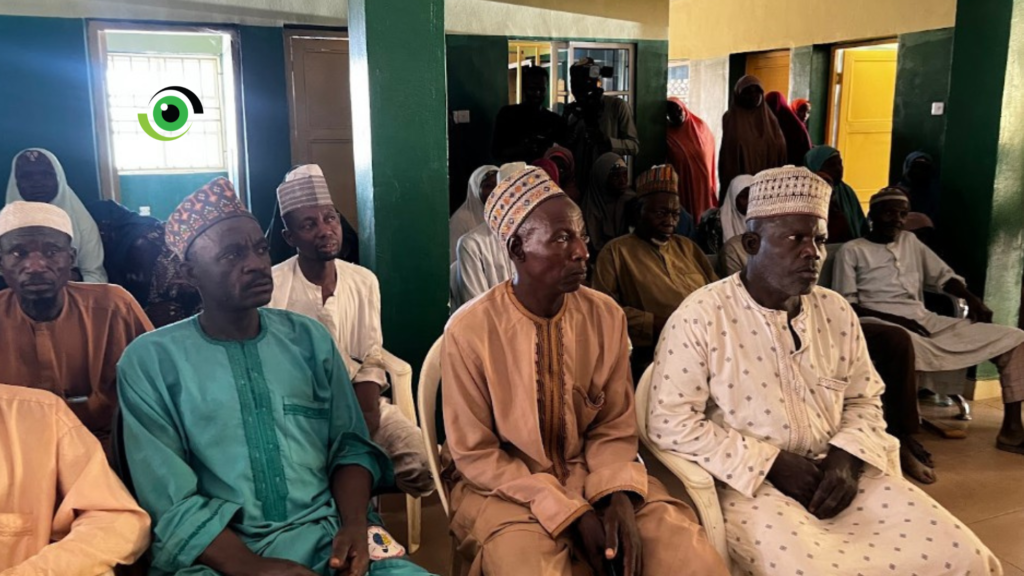
Umar Gurjiya, a resident, noted that some families still seek treatment in neighbouring communities because they remain uncertain about the facility’s capacity. Questions were also raised about BHCPF enrolment, access to medicines, and delays linked to incomplete registration documentation, particularly the absence of National Identification Numbers (NIN).
The Kano State Contributory Management Agency (KSCHMA) representative, Asad Garba, assured beneficiaries that all concerns will be addressed. He also called for robust community engagement by the Ward Development Committees (WDCs) to educate community members on the health facility services to improve access.
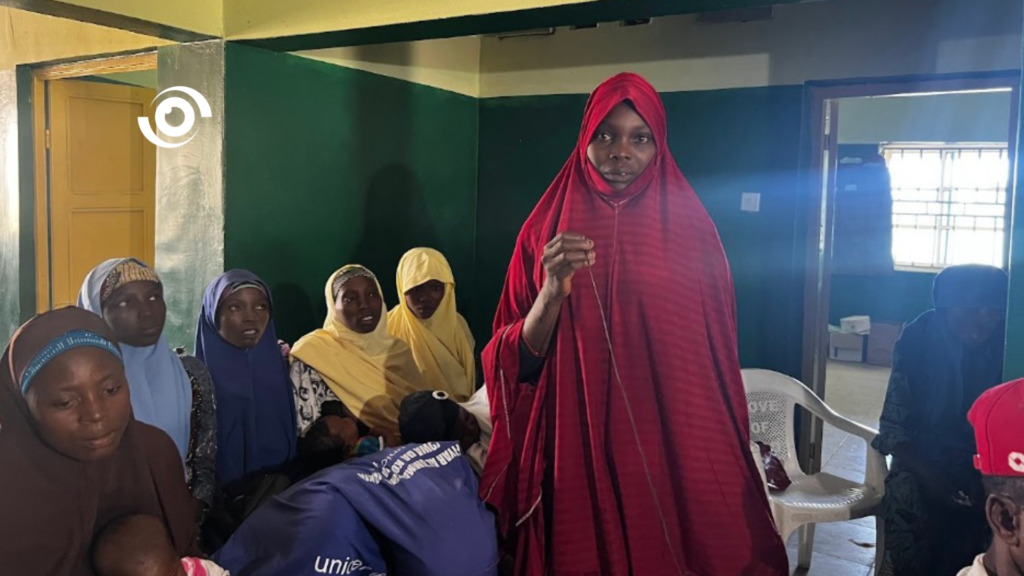
Yakubu Ibrahim, Chairman of the WDC, highlighted community contributions, including support for water supply and health campaigns, but stressed that the facility still lacks adequate security personnel, an issue that remains relevant following the solar battery theft.
As patient numbers grow, sustained investments in staffing, medicine supply, security, and accountability systems will be essential.
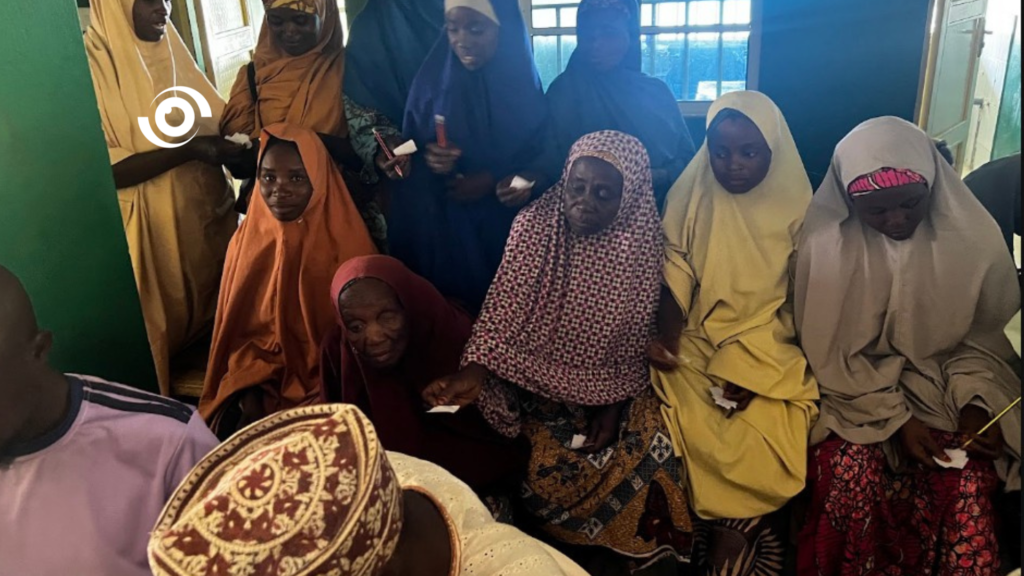
To close the gaps between perception and reality, Safiya Shuaibu Isa, the Director of Partnership and Advocacy at Nigeria Health Watch stressed the need for continuous community sensitisation, transparency in service delivery, and local participation in staffing. “When the community is involved,” she implied, “ownership follows.”
This reflects the goals of Nigeria’s Health Sector Renewal Investment Initiative (NHSRII), which seeks to build an efficient, equitable, and quality health system through stronger primary healthcare services and community accountability.
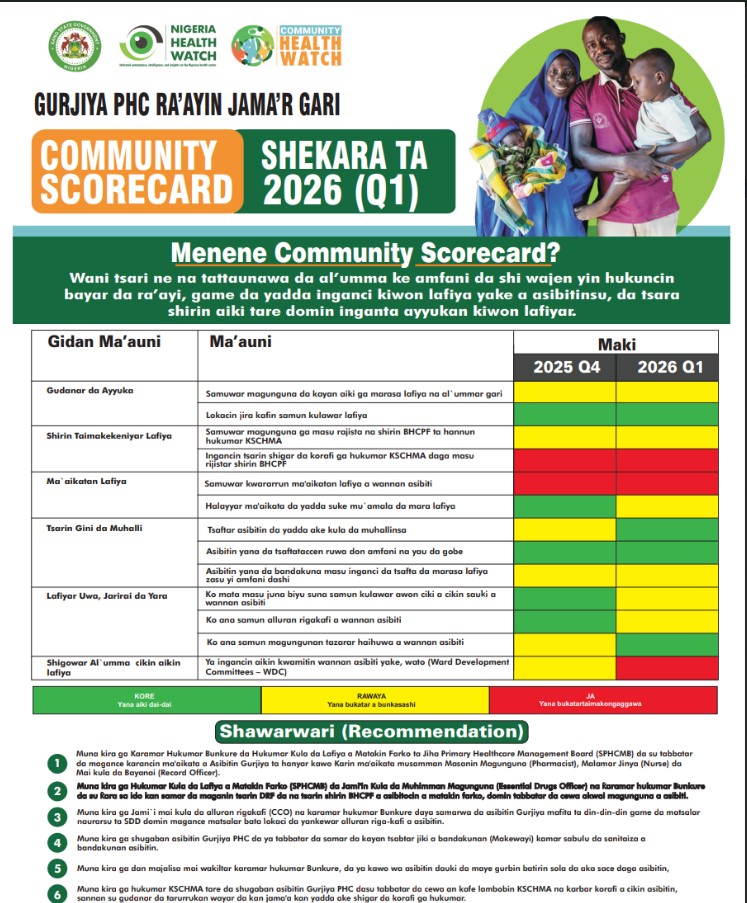
Community members are calling on policymakers and concerned stakeholders for;
- Improved medicine availability,
- Recruitment of qualified local health workers,
- deployment of stronger security measures, and
- greater involvement of residents through sensitisations and engagement in routine decision-making.
“Our health centre belongs to all of us,” Yakubu Ibrahim reflected. “The progress we are seeing must be protected if it is to benefit future generations.”
Leave a Comment
Your email address will not be published. Required fields are marked *