
The Walk Is Over: ECOWAS Must Now Deliver on Malaria Elimination and Maternal Survival

On 25 April 2026, Health Ministers from across West Africa joined a solidarity walk through Freetown, Sierra Leone, under the theme, “One Walk, One Vision: Malaria-Free West Africa.” The walk marked World Malaria Day 2026, but it also carried a deeper political message.
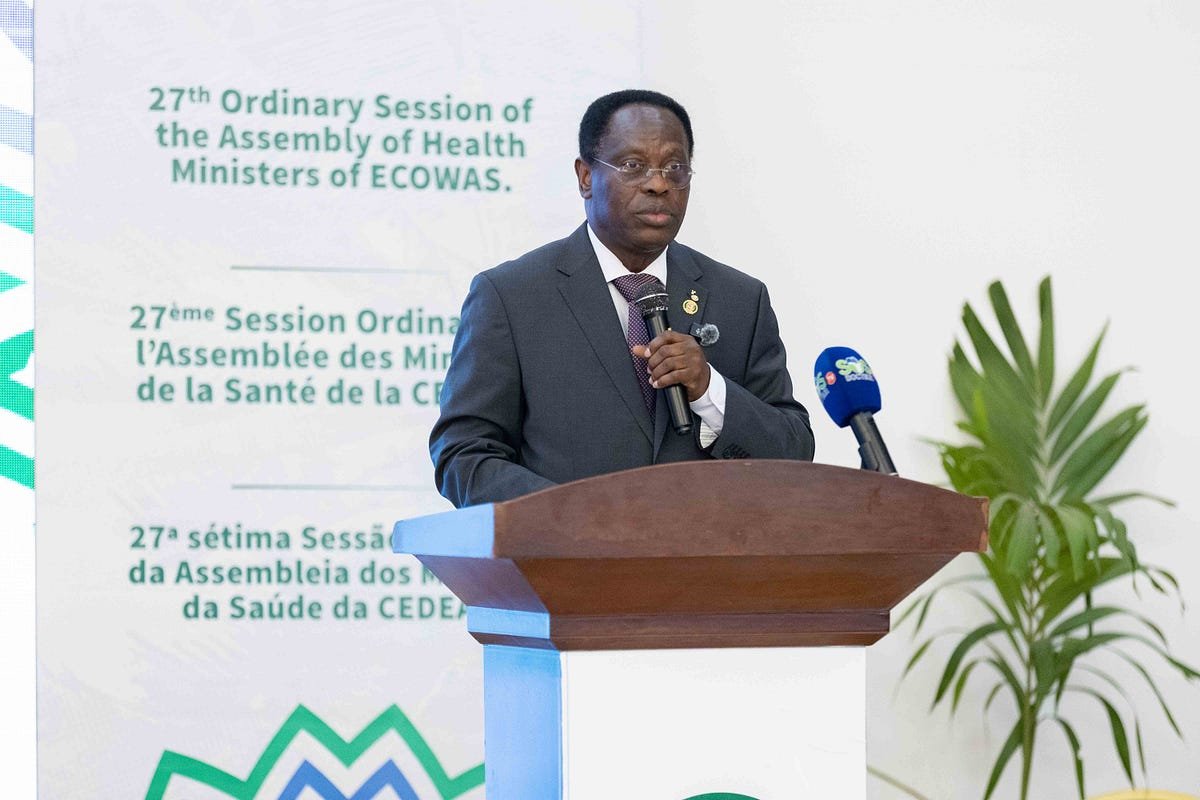
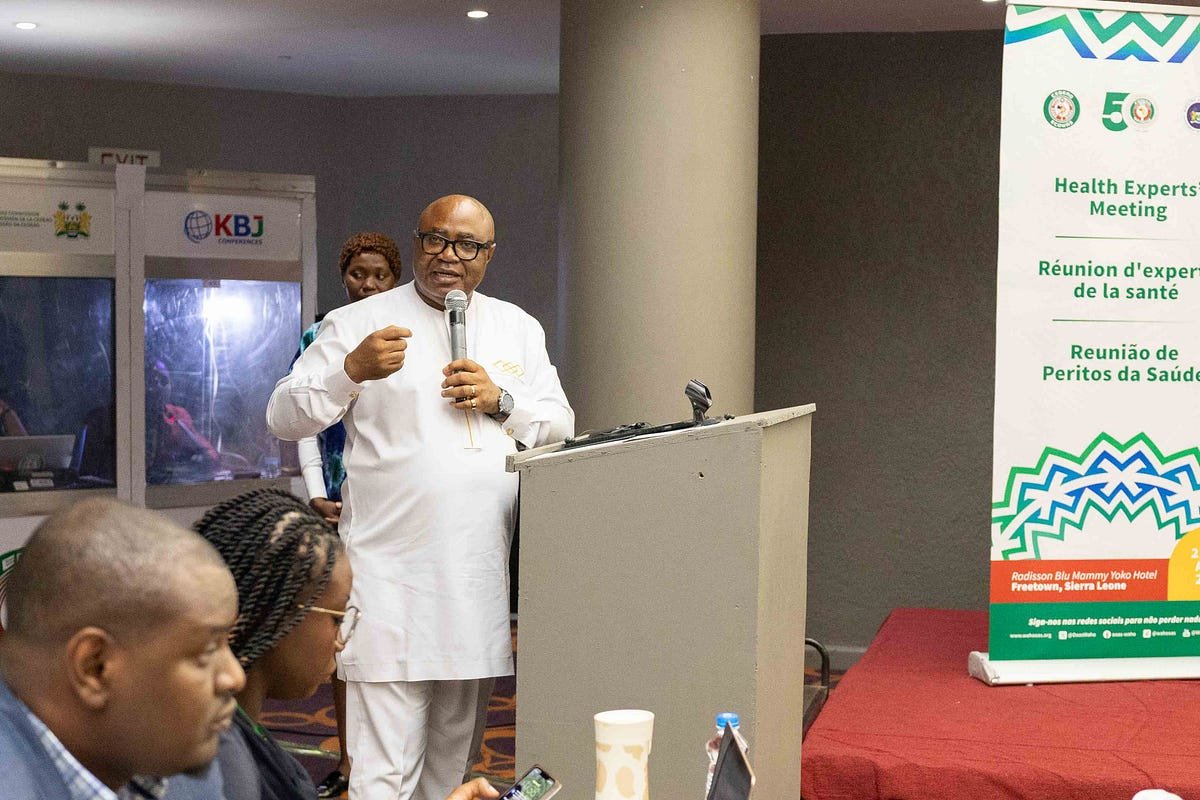
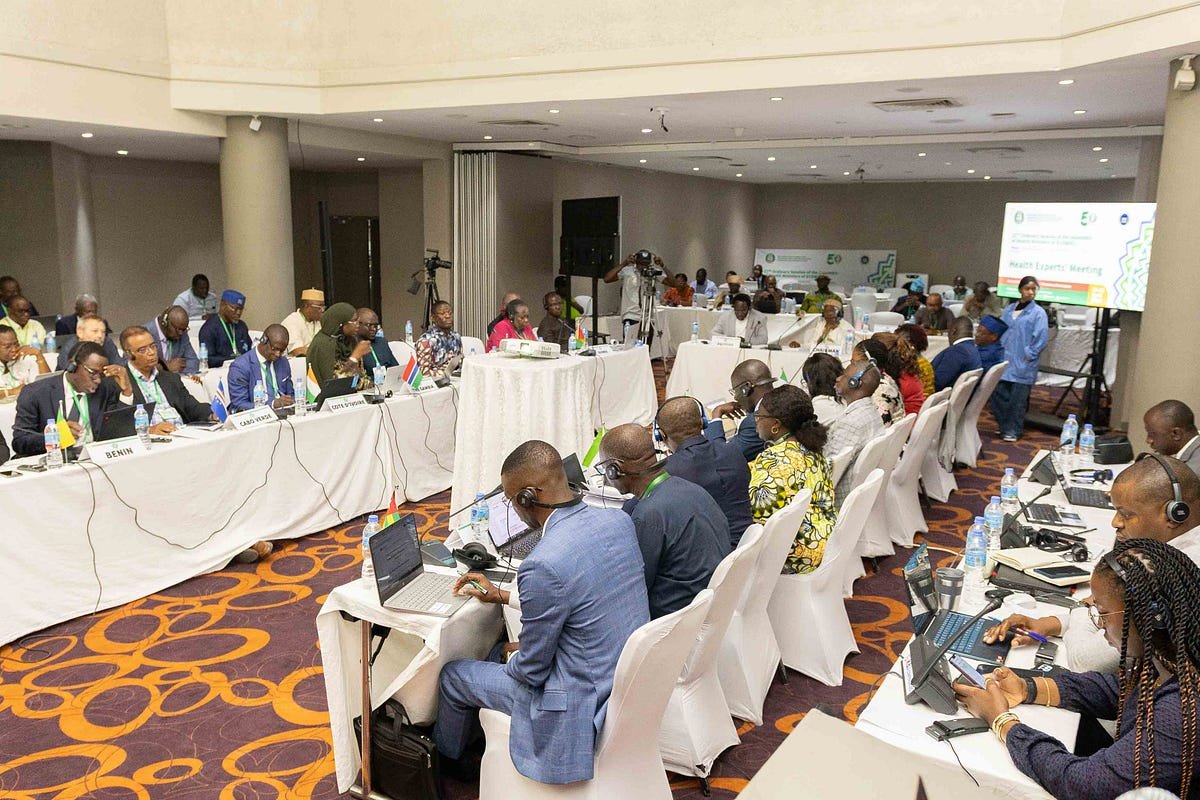
It closed a week of technical and ministerial meetings during the 27th Ordinary Session of the Economic Community of West African States (ECOWAS) Assembly of Health Ministers, during which the region made new commitments on malaria elimination, maternal and newborn survival, health financing, and regional accountability.

The symbolism was important. In public health, visible political commitment can draw attention, mobilise citizens, and show that leaders are willing to be judged by their promises. But symbolism is just the start.
The real challenge begins now that Ministers have returned to their countries, budgets, parliaments, procurement systems, surveillance units, primary health centres, and border communities.
Will Freetown mark a turning point, or will it simply become another well-meaning regional promise that diminishes after implementation? As Dr Melchior Athanase J. C. Aïssi, Director-General of the West African Health Organization (WAHO), emphasised, “isolated national efforts can no longer adequately confront the rising challenges… A coordinated, ECOWAS-wide strategy is essential.”
Malaria does not stop at a border post. Drug resistance does not wait for a ministerial communiqué. A maternal death in a rural community is not prevented by a regional charter unless that charter changes what happens in the health facility, the ambulance system, the blood bank, the budget office, and the review meeting that follows every preventable death.
What Freetown put on the table
The Assembly adopted two major regional instruments and gave political weight to additional recommendations. The first was the Regional Framework for Malaria Elimination, intended to accelerate coordinated action against malaria as a major public health threat in the ECOWAS region.
The second was the Freetown Charter on maternal, newborn and child health, a regional health governance framework designed to accelerate reductions in maternal, newborn and child mortality through technology, data-driven systems, and stronger regional collaboration.

The Assembly also discussed recommendations on exclusive breastfeeding and domestic health financing. Together, these commitments address some of West Africa’s most persistent health system failures, including preventable malaria deaths, maternal and newborn deaths, weak domestic financing, uneven data systems, fragile commodity supply chains, and poor accountability for results.
The World Health Organization’s (WHO’s) World Malaria Report 2025 estimated 282 million malaria cases and 610,000 deaths globally in 2024, roughly 9 million more cases than the previous year. The African Region continues to carry the greatest burden, and progress in reducing malaria mortality remains off track.
This is why the ECOWAS malaria framework is important. It provides the region with a platform to transition from isolated national malaria programmes to a more coordinated regional response. However, a framework is not a mosquito net, a rapid diagnostic test, a functioning laboratory, a trained community health worker, or a quality-assured antimalarial medicine. It only makes a difference if it influences how services are delivered.
The same applies to the Freetown Charter. It is significant because it incorporates maternal, newborn, and child survival within a regional accountability dialogue. Sierra Leone’s own experience adds political significance to the Charter. The country’s maternal mortality rate fell from 1,682 deaths per 100,000 live births in 2000 to 354 in 2023, representing a significant improvement driven by stronger systems, targeted investments, leadership, referral frameworks, emergency preparedness, and innovations such as pregnancy tracking.
However, Sierra Leone’s progress cannot simply be copied and pasted across West Africa. Each ECOWAS country has different levels of capacity, legislation, financing, data quality, workforce availability, and referral infrastructure. The value of the Freetown Charter will depend on whether countries can adapt their ambition to their own realities.
Three implementation risks ECOWAS cannot ignore
The first risk is resistance to medicines and insecticides, along with weak surveillance. The malaria framework’s call for real-time monitoring of antimalarial drug and insecticide resistance is important, but it must be funded and operationalised quickly.
The WHO strategy on antimalarial drug resistance in Africa emphasises better detection of resistance, delaying the emergence of resistance to artemisinin-based therapies, and taking action to limit the spread of resistant parasites where resistance has been confirmed.
This highlights the difference between effectively treating malaria and losing the medicines that millions of families depend on. A regional resistance monitoring network should not just be an aspiration, but also include designated laboratories, data-sharing protocols, country focal points, private-sector reporting channels, and a clear budget.
The private sector also plays a significant role. Across West Africa, many individuals first seek malaria treatment from pharmacies, patent medicine vendors, informal providers, or private clinics.
If this market remains poorly regulated, it can lead to substandard medicines, incorrect diagnoses, incomplete treatments, and weak pharmacovigilance, thereby undermining national malaria strategies.
ECOWAS cannot involve the private sector in discussions without also ensuring the quality of what it sells, prescribes, imports, manufactures, and distributes.
The second risk is the coordination gap caused by Burkina Faso, Mali, and Niger’s withdrawal from ECOWAS.
The formal withdrawal of the three countries took effect on 29 January 2025. However, these nations remain integrated into West Africa’s disease ecology, population movement, trade routes, security issues, and cross-border health risks.

ECOWAS may have experienced political changes, but malaria transmission, epidemic threats, displacement, and health commodity needs remain unaffected by the new diplomatic landscape.
That is why WAHO and ECOWAS require a practical health security framework that fosters technical collaboration with the Alliance of Sahel States. This should include surveillance alerts, laboratory data, cross-border malaria initiatives, epidemic preparedness, commodity coordination, and emergency response.
The third risk is uneven maternal and perinatal death review capacity. The ambition of the Freetown Charter depends on whether countries can count, review, understand, and respond to maternal and newborn deaths.

WHO describes Maternal and Perinatal Death Surveillance and Response(MPDSR) as a continuous cycle of surveillance and action that uses information from maternal and perinatal deaths to prevent future deaths, while strengthening the quality of care and routine health information systems.
Sierra Leone’s Chief Medical Officer, Dr Sartie Mohamed Kenneh, presented compelling evidence that systematic death review can influence both clinical practice and budget priorities. Sierra Leone’s progress demonstrates what becomes possible when deaths are made visible and preventable causes are addressed as signals for action, not merely as routine statistics.
Adaeze Uchendu Okonkwo, Senior Technical Advisor at the Federal Ministry of Health and Social Welfare, Nigeria, captured the regional challenge clearly: “We have different approaches, we have different interpretations, and we have different priorities. We really need to have that level of regional assessment to know what is happening in different countries, and then we all, as a consensus, as a region, agree on which approach we want to take.”
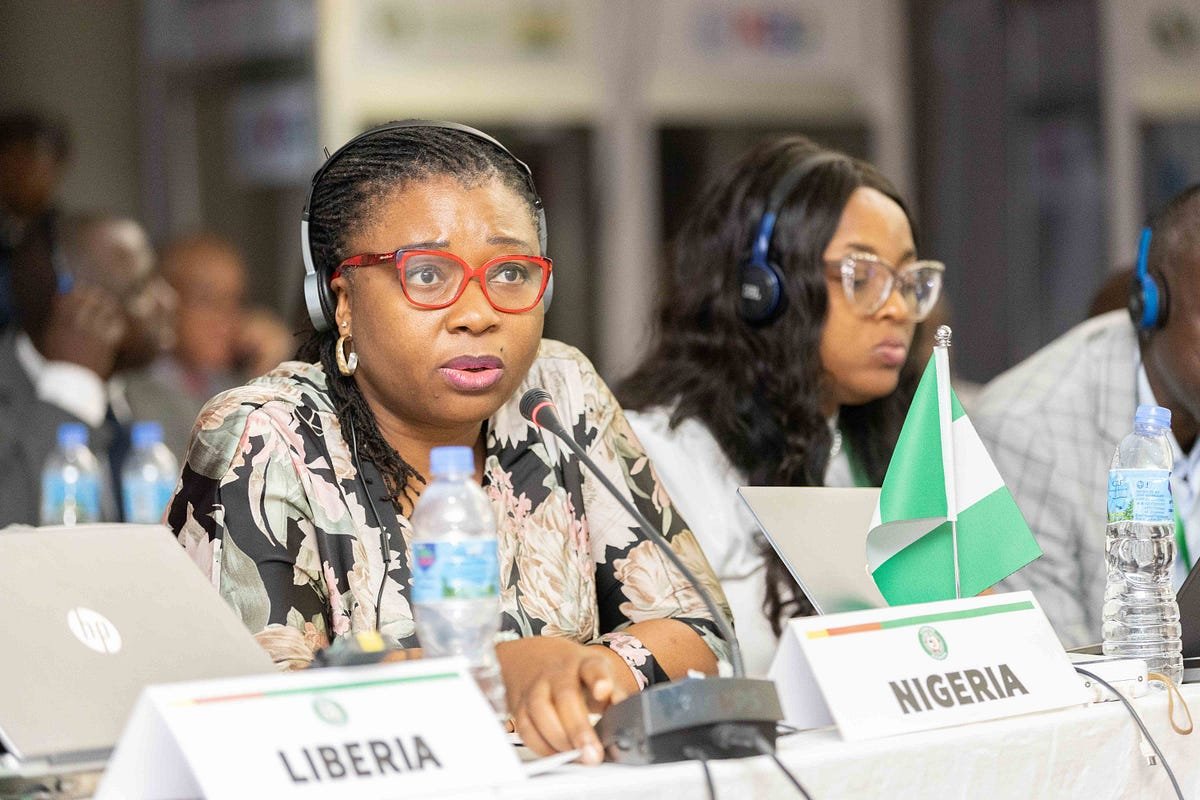
That assessment should be one of the first steps in implementation after Freetown. ECOWAS should not harmonise on paper before understanding what each country already has, including MPDSR guidelines, legislation, reporting tools, review committees, data systems, facility-level implementation, community reporting structures, and budget allocations.
The conditions for delivery
The walk through Freetown on World Malaria Day was meaningful.“We are on a journey to eliminate malaria, and this journey requires a strong regional effort to win,” Dr Austin Demby, Sierra Leone’s Minister of Health, told participants. He is right. But a journey requires more than its first steps.
The frameworks adopted in Freetown will matter in five years only if five conditions are met.
1. Domestic funding must become a genuine political priority rather than a fallback topic when donors withdraw. That means ECOWAS countries must do more than endorse health funding in communiqués. They must establish budget lines for malaria elimination, MPDSR, surveillance, laboratory systems, blood services, emergency transport, and primary health care delivery. They must also release funds promptly.
Dr Aruba Fallah’s goal of doubling WAHO’s budget to $100 million in 2026 is an appropriate level of ambition, but ambition requires a matching funding framework. This includes predictable country contributions, timely disbursement of the community levy, domestic resource mobilisation, partner coordination, and transparent public reporting on how regional funds are converted into services.
The Assembly’s report noted that ECOWAS covers only 26% of WAHO’s budget, but this figure should be verified directly from WAHO’s annual report or an official presentation before publication. As Adaeze Uchendu Okonkwo stated, “we can go from blindly making our budget to intentionally making our budget based on identified challenges and what exactly is required to reduce maternal deaths.”
That shift from reactive budgeting to evidence-based budgeting is one of the most significant changes the region can implement now.
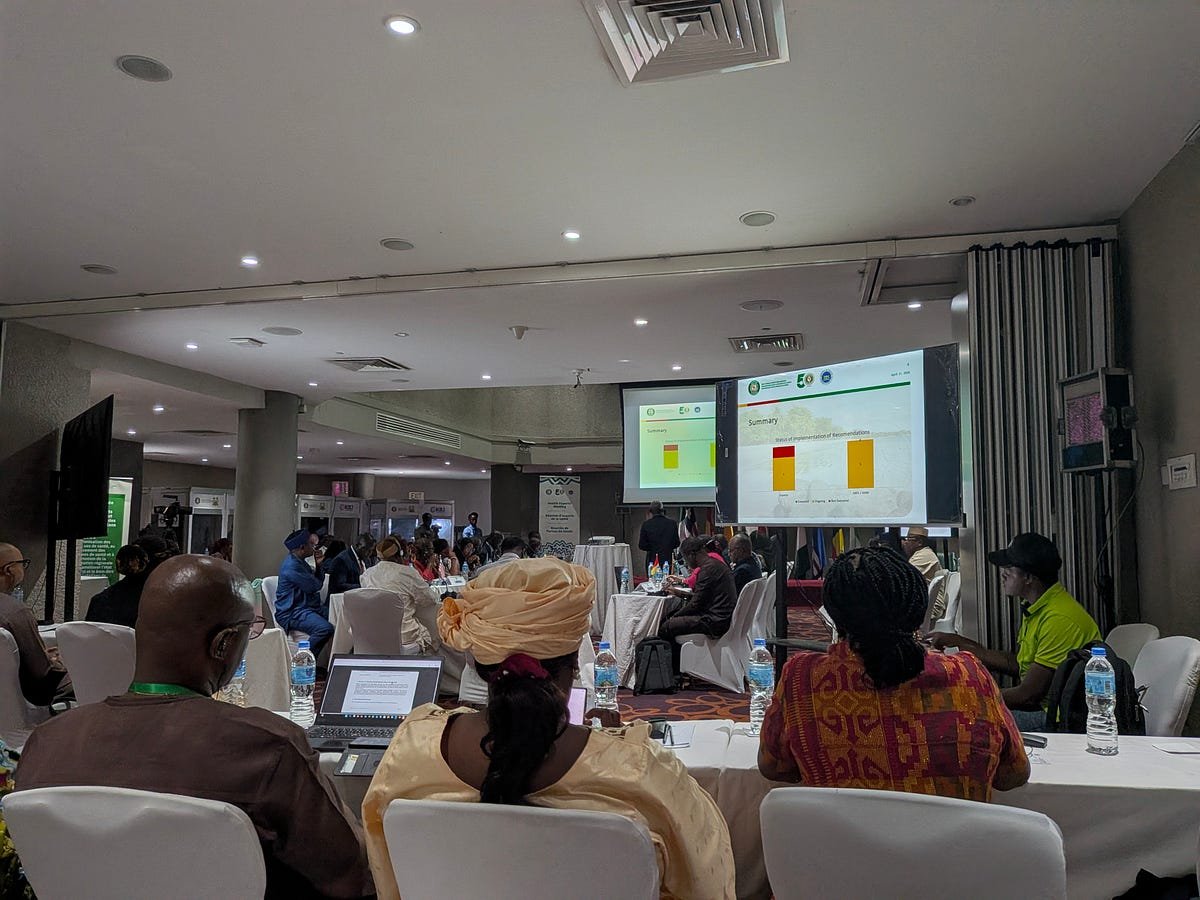
2. Legislation must follow adoption, given that regional frameworks without legal, budgetary, and reporting obligations remain susceptible to political change. Countries need laws, regulations, or enforceable policy instruments that mandate the reporting, review, and action on maternal and perinatal deaths. They also require clear protections so that death reviews are used for learning and accountability rather than blame.
Nigeria provides an important warning. It has national MPDSR guidance and promising implementation experience, but without legislation, implementation remains inconsistent and relies on political will. The lesson for ECOWAS is that guidelines are important, but legal backing helps maintain action beyond a single administration, donor cycle, or champion.
3. Regional assessments must precede harmonisation as ECOWAS needs a clear understanding of each Member State’s current situation before aligning countries on maternal death surveillance, malaria treatment protocols, resistance monitoring and cross-border reporting. Without baseline mapping, harmonisation becomes a show of unity rather than a practical path to implementation.
4. The private sector must be regulated, not just invited, because substandard medicines harm patients, erode trust, waste household income, and contribute to antimicrobial resistance. Local pharmaceutical manufacturers should be regarded as strategic partners in regional health security, but quality assurance, procurement standards, pharmacovigilance, and enforcement must be non-negotiable. This is both an argument for supply chain integrity and national sovereignty. West Africa cannot establish a malaria-free region while relying on poorly regulated commodity markets and fragile external supply lines.
5. Annual accountability must be transparent. ECOWAS should publish yearly progress reports on the malaria framework and the Freetown Charter. These reports should monitor financing, resistance tracking, malaria cases and fatalities, maternal and perinatal death reviews, country-level implementation, and actions taken following reviews. Regional publications on maternal and perinatal deaths, real-time resistance data, and yearly implementation reports are not merely administrative formalities. They are essential for turning commitments into measurable results.
Freetown has given West Africa a platform. It has also put the region to the test. The walk is over. The work begins now.
Leave a Comment
Your email address will not be published. Required fields are marked *