
Lessons from the 2026 HFN Conference on Innovation, Financing and Universal Health Coverage
Nigeria’s journey towards universal health coverage (UHC) cannot be achieved by the government or the private sector alone. The more critical question is how Nigeria can bring both parties together within a more disciplined framework of funding, regulation, data, quality, innovation, and accountability.
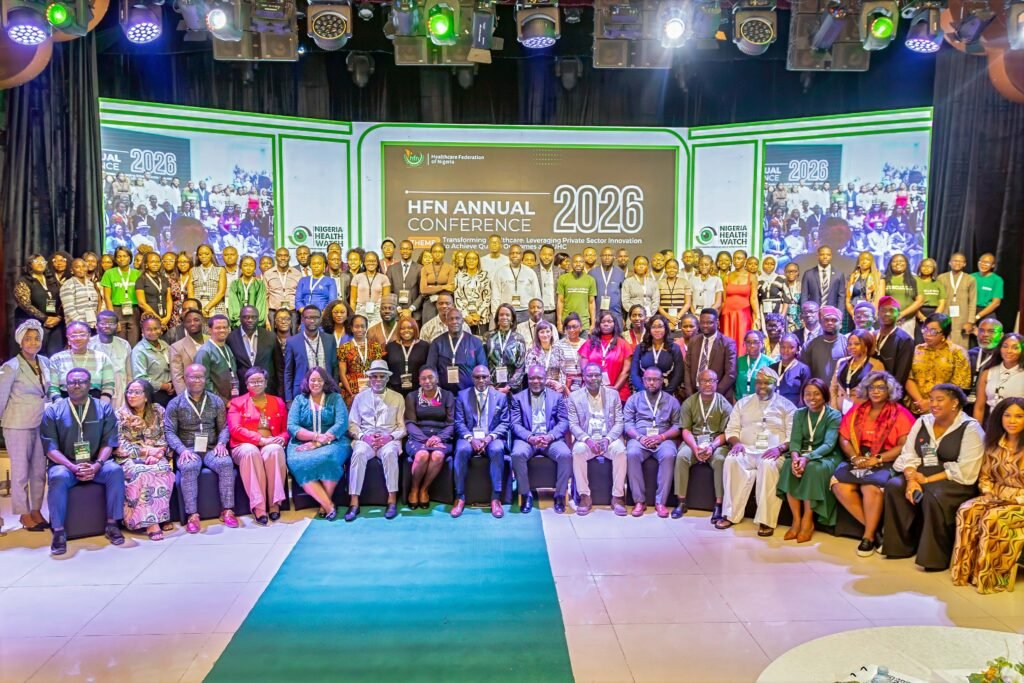
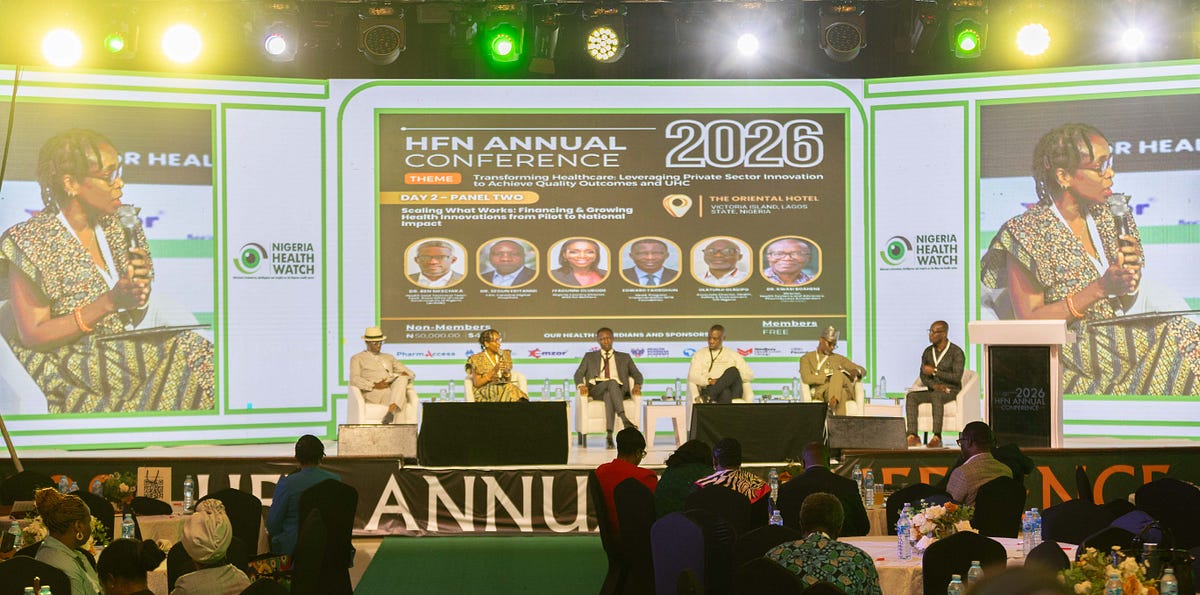
That was the central message from the Healthcare Federation of Nigeria’s (HFN) 2026 Annual Conference, held in Lagos, in March 2026 under the theme, “Transforming Healthcare: Leveraging Private Sector Innovation to Achieve Quality Outcomes and Universal Health Coverage.”
The conference brought together policymakers, regulators, private healthcare providers, investors, insurers, innovators, development partners, and professional bodies to discuss how private-sector capacity can be better aligned with national health priorities.
The challenge, therefore, is whether the role of the private sector is organised in a way that protects patients, expands financial access, improves quality, strengthens public accountability, and moves Nigeria closer towards UHC.
Nigeria’s quality-of-care situation analysis highlights why this question is urgent. Although more than 66% of registered health facilities are publicly owned, the private sector provides care to over 60% of the population and acts as the first point of contact for more than 80% of patients.

For many Nigerians, private clinics, pharmacies, diagnostic centres, maternity homes, and hospitals are their main choice for healthcare. However, this everyday reality is still not fully reflected in how the system is governed, financed, measured, and held accountable.
Reporting by private health facilities and providers to national health information systems remains weak. Nigeria’s National Health Management Information System (NHMIS) is hindered by poor data integration, incomplete public-sector data, underreporting from the private sector, and low adoption of the District Health Information System 2 (DHIS2) at the facility level.
Trust is not a slogan; it is a health-system infrastructure
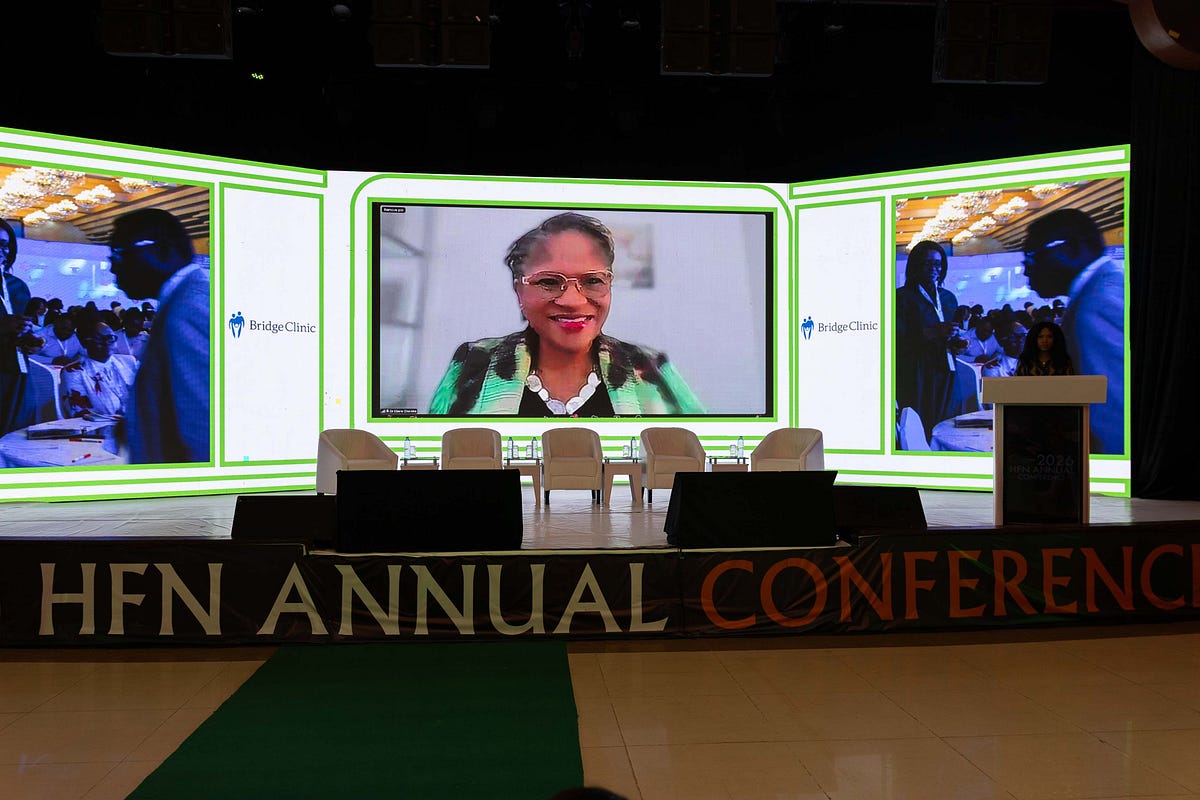
In her keynote address, Dr Ebere Okereke, Global Health Adviser to the Director General of the Mohamed bin Zayed Foundation for Humanity, clearly articulated the issue, “trust is the currency of a functioning health system.”
That statement goes beyond communication. Trust determines whether a pregnant woman seeks care early or waits until danger signs appear. It influences whether a family enrols in health insurance or chooses to pay only when illness occurs.
Nigeria’s funding realities show why trust remains fragile. Out-of-pocket expenses still make up 71.9% of Nigeria’s current health spending. For many families, a health emergency can quickly become a financial emergency.
Health financing is where ambition turns into reality
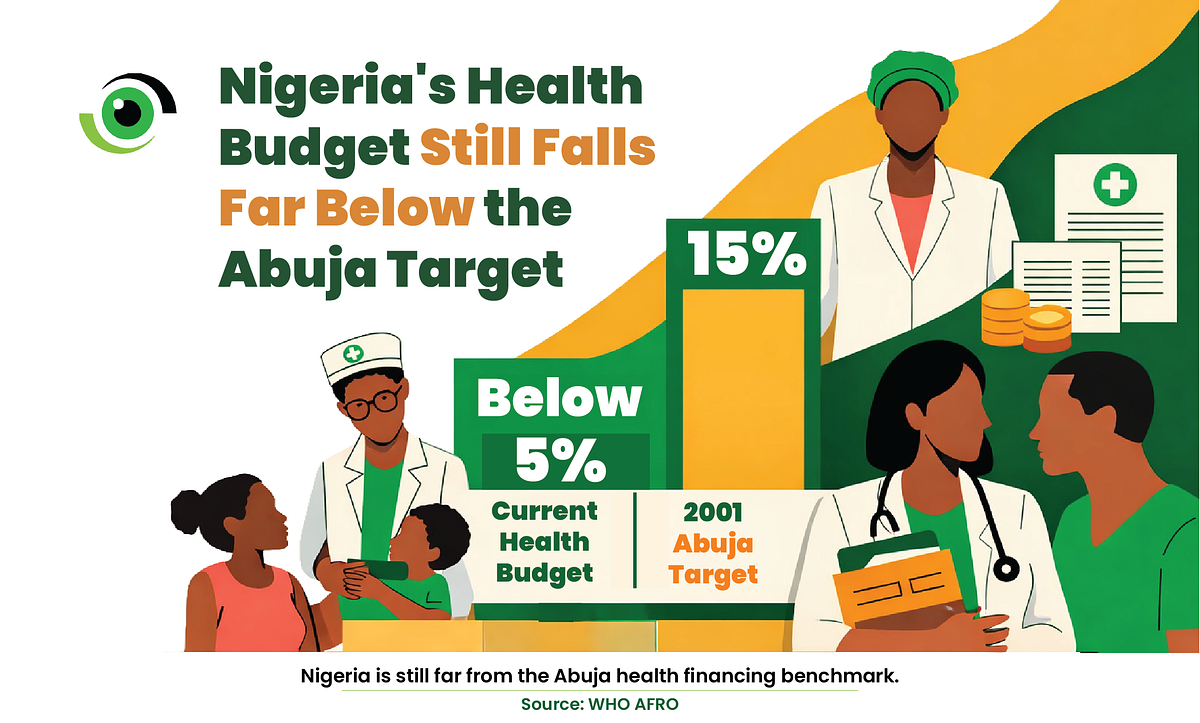
The Annual HFN conference made clear that innovation alone cannot deliver UHC. Nigeria must also change how it funds healthcare, and the problem runs deeper than budget size. It is about whether funds are released, spent effectively, directed toward the right services, and held to account.
The 2026 budget defence revealed that only ₦36 million of the Federal Ministry of Health and Social Welfare’s ₦218 billion 2025 capital allocation had been released, less than 0.02 per cent of the appropriation. A budget that is not spent is not a health investment; it is a denial of access to healthcare and an erosion of public trust in the health system. Nigeria’s challenge is not just to allocate more, but to ensure that what is allocated is actually released into the system.
This is why the National Health Insurance Authority (NHIA) Act is central to the post-conference discussions. The NHIA Act provides a legal foundation for expanding financial access to quality healthcare, while the Vulnerable Group Fund, established under the Act, aims to remove financial barriers and improve access for poor and vulnerable people.
Health insurance coverage rose from 19.2 million people in 2024 to 21.7 million in 2025, about 13% of the national population. That is progress, but it also shows the size of the gap.
Public funds, the Basic Health Care Provision Fund (BHCPF), state health insurance schemes, and private capital should be used to secure clearly defined, quality-assured services from accredited providers. These providers can be either public or private, but they must meet standards, report data, accept oversight, and deliver measurable outcomes.
Quality must be non-negotiable across public and private care
A major strength of the conference was its connection between innovation and quality outcomes. This is important because UHC is not just about increasing the number of people accessing healthcare. UHC is achieved when people receive safe, effective, respectful, timely, and affordable care.

The Federal Government established the National Task Force on Clinical Governance and Patient Safetyto strengthen clinical oversight, prevent medical errors, improve patient safety, and develop accountability mechanisms across the Nigerian health system.
Data must follow the patient
Another clear lesson from the HFN conference was that Nigeria cannot develop a comprehensive health system with incomplete data. If private facilities serve a large part of the population but do not consistently report to national systems, policymakers are working with an incomplete picture.
The 2025 National Health Compact addresses this issue by advocating for a national health data ecosystem and “one source of truth.” It expects the private sector and development partners to harmonise their data systems with the national digital health plan. The compact also recognises the private sector’s role in funding, supply chain management, service delivery innovation, and expanding access to healthcare.
For HFN, this offers a significant opportunity. Private-sector leadership should focus and include responsible data management, as well as investment and innovations. If private providers want to be recognised as strategic partners in national development, they must also become visible contributors to the country’s health intelligence, supported by systems that make it easier to integrate private sector data into national health information platforms.
From conference commitments to measurable action
As the annual HFN conference concluded, one of the most important questions was “what should change as a result of it?” The lessons from the conference offer practical actions that can improve how Nigeria’s health system is financed, managed, and delivered.
- Nigeria should establish a clearer framework for responsible public-private health partnerships. This should specify where private actors can support service delivery, emergency transport, digital health, insurance enrolment, local manufacturing, and health facility upgrades, while also setting standards, pricing regulations, and accountability mechanisms.
- Private facilities should be more intentionally integrated into NHMIS/DHIS2 reporting. Data submission should be connected to licensing renewal, accreditation, insurance empanelment, and public-private contracts. A facility that treats patients should also contribute to the evidence base used to plan their care.
- NHIA and state health insurance agencies should improve strategic purchasing. This includes contracting accredited public and private providers for specific services, incentivising quality and outcomes through payment methods, protecting vulnerable households, and decreasing the need for patients to pay directly at the point of care.
- Patient safety and quality should be prioritised in private-sector integration. The National Task Force on Clinical Governance and Patient Safety should lead to the development of facility-level standards, reporting systems, and transparent patient protection mechanisms across both public and private facilities.
Opportunities for the private health sector
The Healthcare Federation of Nigeria has established an important platform at a critical time. Nigeria faces rising healthcare costs, limited insurance coverage, substantial household spending and increasing pressure on public resources.
Meanwhile, the country has a diverse private health sector with capabilities in service delivery, technology, insurance, investment, and innovation. The opportunities are significant.
The conference brought together people from across Nigeria’s health sector. What matters now is whether the discussions translate into practical changes that patients can notice the next time they visit a clinic or even enrol in health insurance.
Leave a Comment
Your email address will not be published. Required fields are marked *