

Community-Owned Hand-Pump Wells Are Bringing Safer Water Closer to Villages in Rural Kaduna
Chinonso Kenneth (Lead writer)
For years, residents of Mararaba Kajuru, a small community in Kajuru Local Government Area (LGA) of Kaduna State, relied on local streams and unprotected wells as their main water sources. “We got our water from local wells and nearby streams, which was very difficult, especially during the dry season. Sometimes, we wouldn’t have water to drink or wash with,” Solomon Ibrahim, secretary of the Mararaba Kajuru water committee, explained.
Over 39% of Nigerians in rural communities lack access to basic water supply. In Kaduna, rural residents depended on unprotected open-dug wells and rivers for drinking and other domestic uses. “We always had cases of typhoid, cholera and other diseases because the water wasn’t clean,” Solomon added.
In Sabon Gari Kufana, another village in Kaduna State that lacked a safe water supply, villagers were suffering from cholera, typhoid, and river blindness, transmitted by repeated bites from infected blackflies that breed in the river.“Drinking and using the water from the river was giving us and our children issues. We were always concerned but had no other choice or source of water,”Jummai Danbomyi, a resident of Kufana, noted.
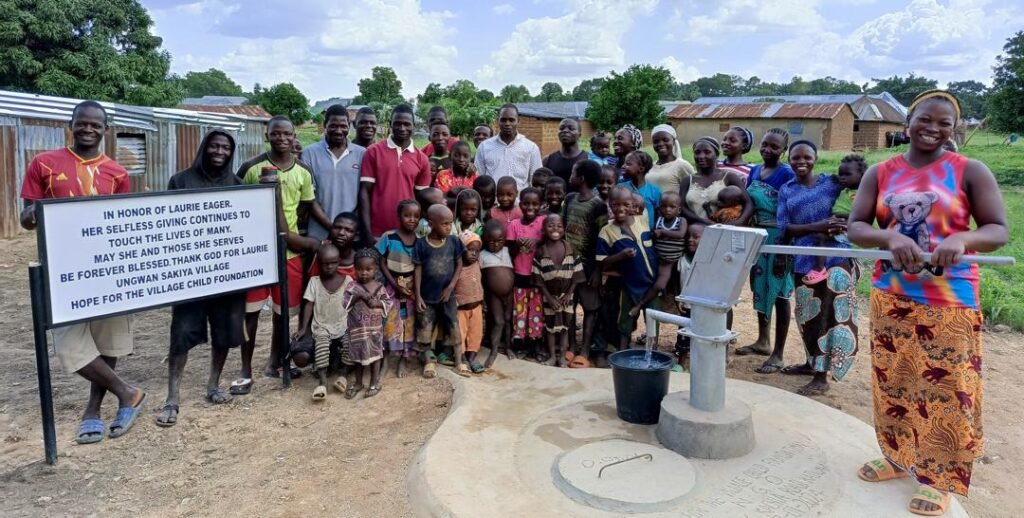
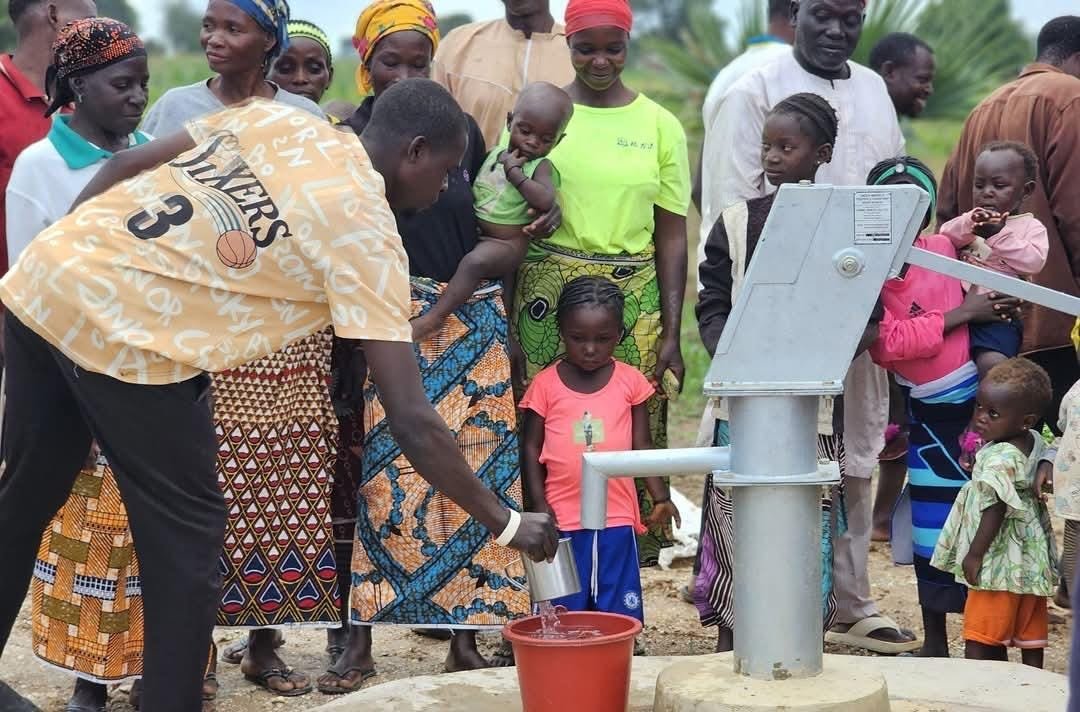
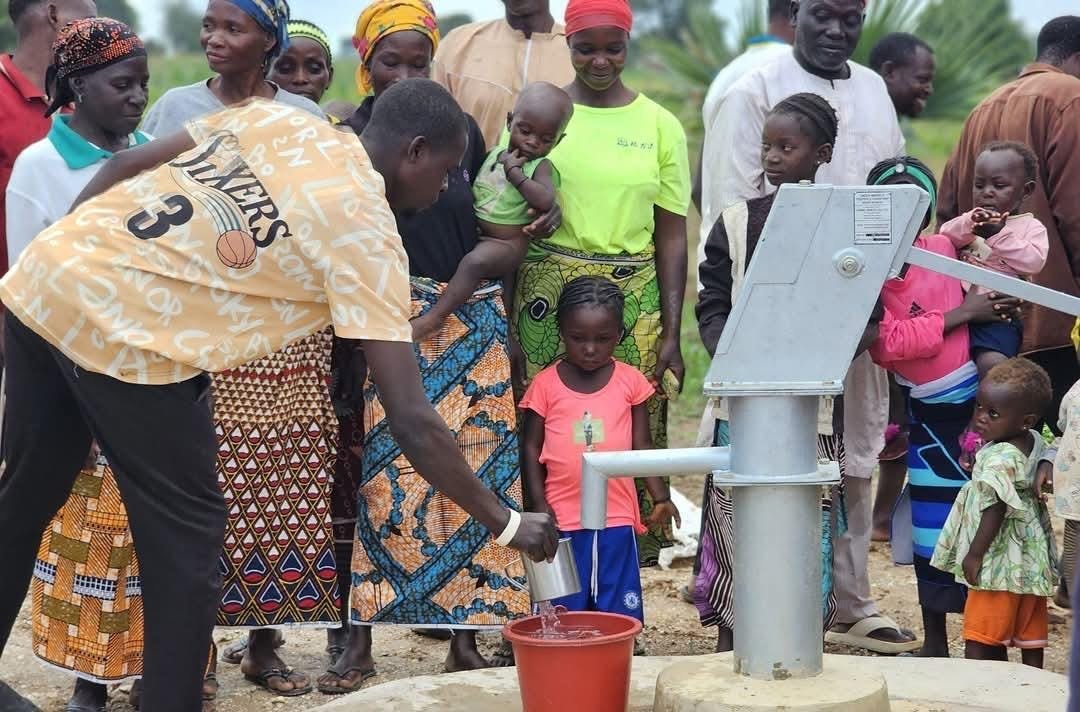
However, in 2018, the villagers formed a water committee in Sabon Gari Kufana. In collaboration with Hope for the Village Child Foundation (HVCF), they dug a water well, sealed it with a concrete slab, and installed a hand pump. The sealed slab and hand pump reduce direct contact with the water and help protect the well from surface contamination. “Since we began using this improved well in 2018, there has been a difference. We now have a proper well that is sealed and clean, we are healthier and no longer treat cholera and typhoid every other day,” Jummai said.
The water wells initiative
HVCF was established in 1996 by Margaret Mama in response to the lack of healthcare access in the villages surrounding her Jacaranda farms and resort in Kaduna State. “During a visit to a nearby village to attend a burial of a worker’s child, she noticed the lack of healthcare and education and decided to take action. Because her husband is a doctor, she began accompanying his health workers to the villages to run health clinics, which marked the start,”Sister Rita Schwarzenberger, director of HVCF, explained.
HVCF now operates a specialised clinic at Kwoi, Jaba LGA that treats rickets in children, but its initiative with the most community ownership and engagement is the wells project. “A woman in the United States asked Margaret if she could donate some money for a well in memory of her late husband. An inscription was placed on the well honouring the late farmer, and the picture was returned to the donor. Gradually, other people who saw the picture also wanted to do the same, and that was how the well project began,” Sister Rita said.
Since then, HVCF says it has constructed over 400 wells in villages lacking access to safe drinking water in Kaduna. The strength of the HVCF model lies in its emphasis on community ownership for managing, maintaining, and sustaining the wells.
Emmanuel Yohanna, HVCF’s in-house water engineer, noted that initially they had to scout out communities, but over time, word of the project spread, and now villages must apply directly through a letter signed by representatives of every family in the village.
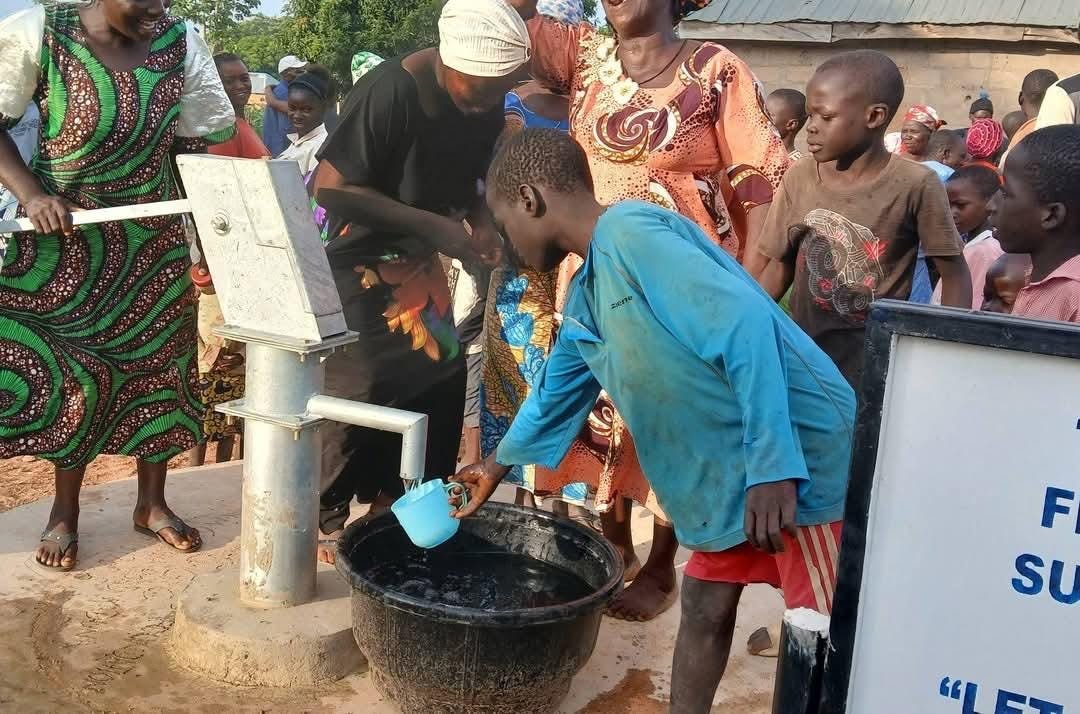
Upon receiving this application, HVCF organises a meeting with the community and inaugurates a water committee to oversee the operation and maintenance of the well. During this meeting, the roles of the community, water committee, and HVCF in the construction, operation, and sustainability of the well are outlined. “The villagers are to provide a place for the well to be sited, the men dig the well and provide the sand, the women fetch water for the work while HVCF bring the technical expertise and other materials such as the hand pump, cement, concrete, and iron rods,” Emmanuel said.
The water committee gathers donations from villagers, which are pooled into a maintenance fund to cover the well’s upkeep. The committee also ensures the well remains clean and accessible to everyone. HVCF also maintains ongoing monitoring and communication with the water committees.
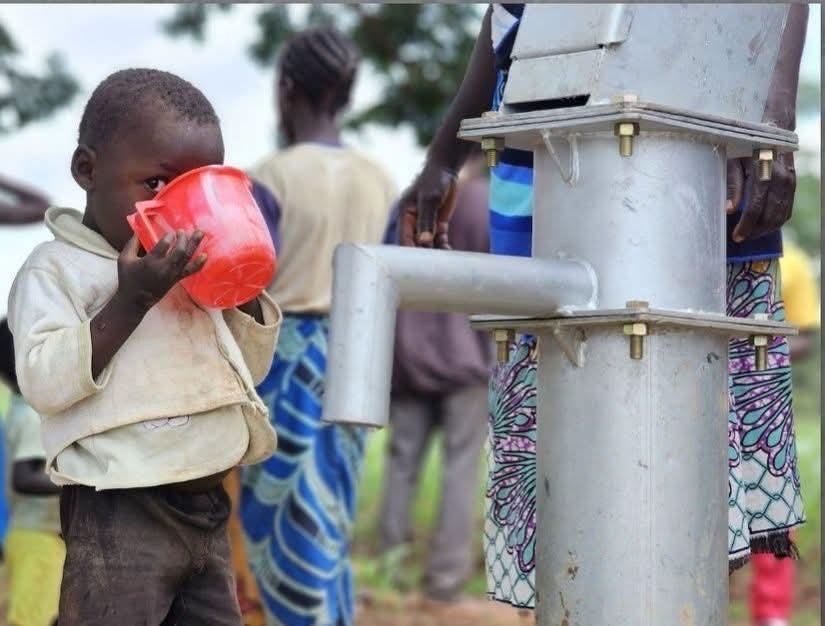
“Before in Mararaba Kajuru, we woke up at 5 a.m. to fetch water from a local open dug well, and sometimes we ended up with nothing. But now, we have a reliable source of water that we can drink and cook with whenever needed, and without illness,” Solomon, the water secretary, said.
What it takes to keep the wells working
Although this model has made an impact in rural villages across Kaduna, challenges still restrict its reach. For example, while most villagers support funding the wells through donations, some do not, expecting HVCF to cover that responsibility. To address this, HVCF collects a small fee of ₦5,000 from the community during construction to establish the maintenance fund.
Solomon added that the water committee is always vigilant to discourage villagers from washing clothes and dishes on the well slab or from using the hand pump too forcefully, which could cause a breakdown.
Furthermore, population growth in the communities reduces the well’s capacity to operate effectively, especially during the dry season. “Sometimes the water goes down, and even if we pump, nothing will come out until we wait for a while,” explained Mohammed Isiaku, a resident of Pako, another village in Kaduna.
When this happens, HVCF usually constructs a second and third well to ensure the community has sufficient, safe water. However, the main challenge remains insecurity. Rural communities in Kaduna State have faced repeated kidnappingattacks recently.
As a result, some villages and wells have been abandoned, work has stalled in some locations, and HVCF is unable to reach certain communities due to security concerns. “We had finished casting the rims for a well in a community, and we left; the next day, we heard that more than 10 people were kidnapped in that village the night we left,” Yohanna said.
For Wanger Imerger, educating rural communities on how to purify water using solutions like chlorine can help address challenges with HVCF’s model, ensuring people can access safe drinking water wherever they are. “Access to safe water for rural dwellers can be made possible not just by providing hand pump wells; when communities are well informed about water treatment, irrespective of the source of water, they will always have safe drinking water.”
Communities require effective water committees, reliable maintenance funds, water-quality testing, hygiene education, climate-conscious planning, and security support for organisations working in remote areas.
As Nigeria works towards universal access to safe, affordable drinking water, community-owned wells like those supported by HVCF offer a practical solution for underserved villages.
However, to transform promising initiatives into scalable public health solutions, the model must be backed by data, integrated into government WASH planning, and sustained with long-term systems that keep water safe, available, and reliable.
Leave a Comment
Your email address will not be published. Required fields are marked *