

New Lassa Fever Evidence To Shape Vaccine Research And Outbreak Preparedness Across West Africa
Related Stories

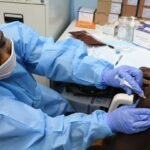

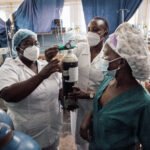

New evidence from a major Lassa fever research programme in West Africa is expected to inform the next phase of vaccine research, outbreak preparedness and community engagement in research across the region.
Initial findings from Enable, the largest-ever study of Lassa fever disease burden, were recently published in The Lancet Global Health. The programme is supported by the Coalition for Epidemic Preparedness Innovations (CEPI)—the world’s largest funder of Lassa fever research—and partners across West Africa. CEPI is also advancing the development of Lassa fever vaccines.
These findings have deepened understanding of Lassa fever disease burden in the communities studied, while highlighting important gaps in existing evidence, including the burden among children, a population historically underrepresented in Lassa fever research and discourse.
To explore what these findings mean for the future of Lassa fever research and preparedness, the West African Health Organisation (WAHO) and its partners, including CEPI, will host a virtual webinar titled “Turning ENABLE Evidence into Stronger Lassa Vaccine Research and Outbreak Preparedness Across West Africa” on Tuesday, 13 October 2026, from 12:00 p.m. to 1:30 p.m. WAT.
Participants can register at https://bit.ly/LassaQ3W.
The webinar comes ahead of the Enable Lassa Programme Regional Dissemination and Engagement Summit in Nigeria later this month, where partners will discuss the research findings and how to translate evidence into action.
Lassa fever remains a persistent public health challenge across West Africa. According to Africa CDC, historical estimates suggest that approximately 100,000 to 300,000 Lassa virus infections and 5,000 associated deaths occur annually across the region, although the true burden remains uncertain. Enable was established to help investigate this burden. More than five decades after Lassa fever was first identified, there is still no licensed vaccine, while important evidence gaps continue to affect vaccine development and planning for equitable introduction.
The recently published findings from Enable provide important insights into disease burden in the Lassa fever hotspots studied and the populations most affected.
They also demonstrate the value of building stronger research and laboratory capacity in endemic countries. Through the programme, institutions and investigators across West Africa have strengthened their ability to conduct epidemiological and laboratory research and generate evidence that can support future Lassa fever research and wider regional epidemic preparedness.
“The findings from Enable are a critical contribution to our understanding of Lassa fever in West Africa. But evidence only becomes truly valuable when it informs action,” said Dr Gabrielle Breugelmans, Director of Epidemiology and Data Science at CEPI. “This webinar and our upcoming Summit provide an important opportunity to bring researchers, policymakers, communities, vaccine developers and other stakeholders together to consider what these findings mean for the research and preparedness decisions that come next.”
“For West Africa, the Enable findings reinforce the importance of strong regional leadership and collaboration in advancing Lassa fever research and preparedness,” said Prof. Palokinam T. Pitché, Director-General of WAHO. “WAHO remains committed to bringing countries and partners together to translate scientific evidence into coordinated action, strengthen regional health security and support preparedness for future Lassa fever vaccines.”
Alongside discussion of Enable’s findings, the webinar will connect the study data with ongoing efforts to understand future demand for a Lassa fever vaccine. WAHO and the International AIDS Vaccine Initiative (IAVI), working with regional research partners and with support from CEPI, have advanced a Lassa fever vaccine demand forecasting exercise, which was first presented at the 2nd ECOWAS Lassa Fever International Conference in Abidjan in September 2025.
The webinar will place the experiences of study participants and communities at the centre of the conversation. Their participation, trust and contribution have been fundamental to generating the evidence now informing the next phase of Lassa fever research.
Participants will hear directly from experts across the Lassa fever research and development ecosystem, as well as from people and communities who contributed to the Enable study. Discussions will explore how meaningful community partnership can build trust, support participation and guide future research and vaccine development as the region prepares for the potential future introduction of a Lassa fever vaccine.
Speakers include:
- Dr Gabrielle Breugelmans, Director of Epidemiology and Data Science at CEPI.
- Dr N’Faly Magassouba, Principal Investigator at Gamal Abdel Nasser University of Conakry, Guinea.
- Dr Onyinyechukwu Uzoamaka Oka, Community Engagement Lead for the Enable study at Alex Ekwueme Federal University Teaching Hospital, Abakaliki (AEFUTHA), Nigeria.
- Mrs Elsie Ilori, National Coordinator for the Enable Programme in Nigeria.
- The webinar will also feature Prof. Palokinam T. Pitche, Director General of WAHO, who assumed office on 1 September 2026, providing an opportunity to hear his perspective on regional priorities for Lassa fever preparedness and the role of evidence in strengthening health security across West Africa.
What the webinar will cover
- Key findings on Lassa fever burden in the communities studied.
- Implications for Lassa fever vaccine research and development.
- The burden among children and other populations less visible in previous research.
- How Enable has strengthened epidemiological, laboratory and research capacity across West Africa.
- Community and participant perspectives on trust, participation and meaningful engagement in health research.
- How epidemiological evidence and vaccine demand forecasting can support vaccine preparedness and equitable access.
- Remaining evidence gaps and priorities for future Lassa fever research and preparedness.
Webinar details
Date: Tuesday, 13 October 2026
Time: 12:00 p.m.–1:30 p.m. WAT / 11:00 a.m.–12:30 p.m. UTC
Format: Virtual
Topic: Turning ENABLE Evidence into Stronger Lassa Vaccine Research and Outbreak Preparedness Across West Africa
Registration: https://bit.ly/LassaQ3W
—————END—————–
For further information, please contact:
WAHO Communications Unit
Email: communication@wahooas.org
About the Enable Lassa Programme Regional Dissemination and Engagement Summit
The webinar will help build momentum ahead of the summit, scheduled for 27–28 October 2026 in Abuja, Nigeria. The summit will bring together regional, national and technical partners to consider emerging evidence and its implications for Lassa fever research and preparedness.
Notes to Editors
About the West African Health Organisation (WAHO)
The West African Health Organisation (WAHO) is the specialised health institution of the Economic Community of West African States (ECOWAS). Established in 1987 and headquartered in Grand-Bassam, Côte d’Ivoire, WAHO works with Member States to harmonise health policies, strengthen health systems and promote regional cooperation to improve public health across West Africa.
Website: www.wahooas.org
About Enable
Launched in 2019 by CEPI and partners, Enable is a major Lassa fever research programme designed to improve understanding of the disease’s burden and distribution in West Africa and generate evidence to inform vaccine development and outbreak preparedness. More than 23,000 participants have been enrolled by local partners across Benin, Guinea, Liberia, Nigeria and Sierra Leone. Its findings can inform future vaccine research, clinical trial planning and public health decision-making while supporting regional research capabilities.
Learn more: cepi.net/enabling-science
About CEPI
CEPI is an innovative partnership bringing together public, private, philanthropic and civil organisations. Its mission is to accelerate the development of vaccines and other biologic countermeasures against epidemic and pandemic threats so they can be accessible to all people in need. CEPI is advancing the 100 Days Mission, a global ambition to develop safe, effective and accessible vaccines against new pandemic threats in as little as 100 days. Its 2027–2031 strategy, CEPI 3.0, aims to strengthen preparedness against future epidemics and pandemics.
Website: cepi.net
Leave a Comment
Your email address will not be published. Required fields are marked *