
Beyond Emergency Response: Strengthening Nigeria’s Health Communication Infrastructure
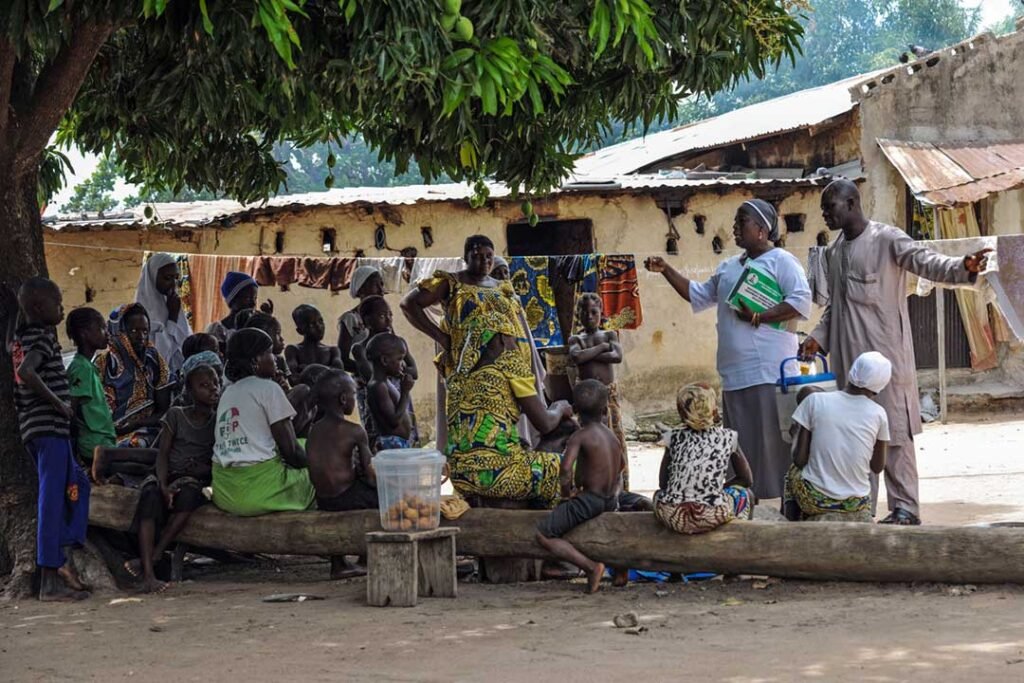
Earlier this month, anxiety over the hantavirus outbreak spread quickly across Nigerian social media after a popular influencer’s verified X account falsely claimed that Nigeria had confirmed a second case of the virus. The post, amplified alongside memes, forwarded voice notes, and unverified screenshots, attracted more than 200,000 views and nearly 3,000 likes, further fuelling public concern. The Nigeria Centre for Disease Control and Prevention (NCDC) later clarified that no hantavirus cases had been detected in Nigeria and that the public health risk remained low.
During the COVID-19 pandemic in 2020, misinformation was harmful. A global analysis of COVID-19 rumours, stigma and conspiracy theories found thousands of misinformation reports across 87 countries, along with public health summaries that connected nearly 6,000 hospitalisations and at least 800 possible deaths to COVID-19 misinformation in the first three months of 2020.

Why the Ebola Alert Matters for Nigeria
On 16 May 2026, the World Health Organization (WHO) declared the Ebola outbreak in the Democratic Republic of Congo (DRC) and Uganda a public health emergency of international concern (PHEIC). At the time of the statement, WHO reported eight laboratory-confirmed cases, 246 suspected cases and 80 deaths from three health zones, as well as two confirmed cases in Kampala, Uganda, among travellers from DRC. Nigeria has not recorded any confirmed case linked to the current Ebola outbreak.
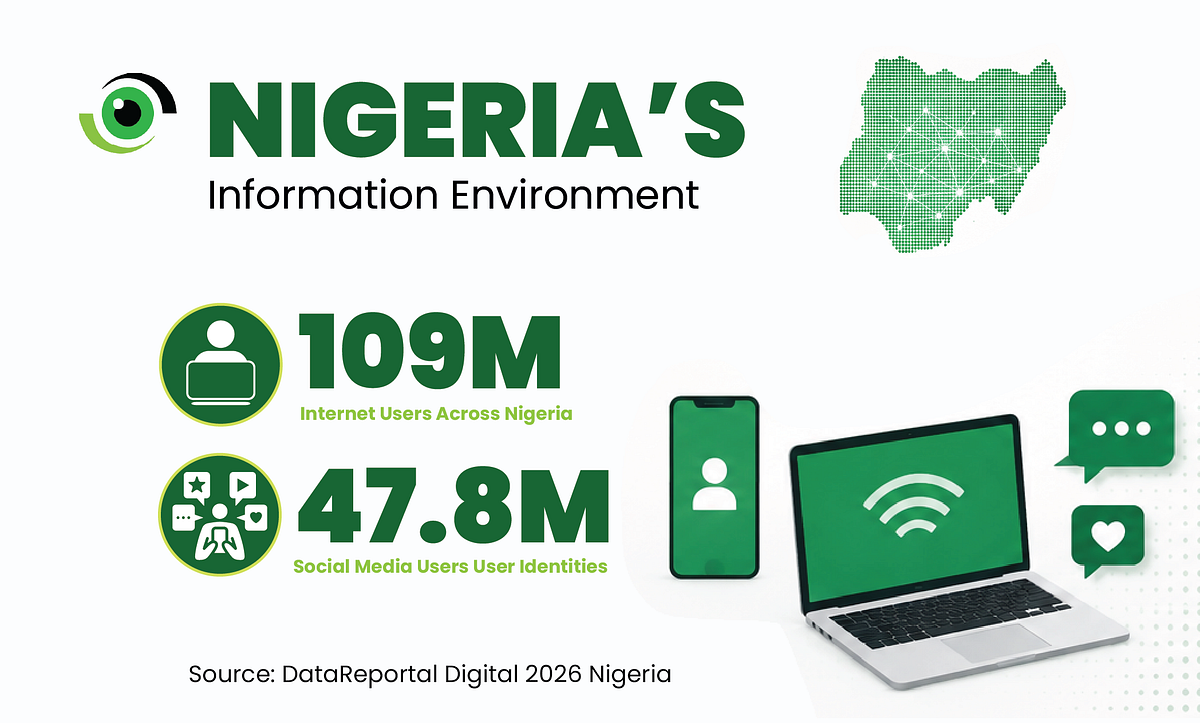
NCDC has already warned about misinformation and advised Nigerians to rely on official public health sources. Nigeria’s digital information environment is fast-moving, with 109 million internet users and 47.8 million social media user identities. In such an environment, false information can move quickly across WhatsApp groups and TikTok videos before official statements reach the same audiences.
Nigeria Has Built This Capacity Before
During COVID-19, NCDC’s #TakeResponsibility campaign used a multisectoral approach, multimedia channels, and multiple verified data sources to support public messaging, maintain trust, and provide reliable alternatives to rumours. Nigeria Health Watch’s health misinformation management work, including #HealthFactCheckNaija, added another layer by tracking misinformation, debunking, and using community listening to understand what people were hearing.
Public health communication must therefore be timely, human-centred, clear, and trusted. People need to hear the facts before fear fills the gap. No single actor creates an infodemic, and no one institution can control it alone. Both digital and traditional media can be a powerful force for good during a health emergency by amplifying expert guidance and helping people understand what to do.
From Emergency Response to Permanent Infrastructure
Nigeria has shown, through the Ebola outbreak in 2014 and the COVID-19 pandemic, that effective communication of health information is critical. The greater challenge now is to turn that capacity from an emergency response into a lasting infrastructure.
That means:
▶ Sustained funding for risk communication and community engagement, at the federal level and within state health ministries.
▶ Social listening systems that track rumours across digital and offline spaces before they become widespread.
▶ Partnerships between public health institutions, editors, broadcasters, community leaders, and digital platforms, established to respond to outbreaks.
▶ Investing in science journalism to ensure that reporters covering public health emergencies have the expertise and contextual knowledge needed to inform the public accurately and responsibly.
The WHO handbook on effective media communication during public health emergencies provides a useful framework, including a seven-step process to help officials and partners communicate effectively through the media. Nigeria should adapt this kind of guidance into routine practice at both the national and state levels.
But the work cannot end in Abuja. State ministries of health teams, local radio stations, community health workers, religious leaders, market associations, transport unions, and youth-focused digital creators must be involved in the coordination.
In many communities, health information reaches people through multiple channels, and while national advisories play an important role, neighbours, traders, nurses, radio, and WhatsApp groups are often equally influential. Community health workers, religious leaders, market associations and transport associations must therefore be part of coordinated public health communication. When these channels are ignored, rumours and misinformation fill the gap. When they are engaged, they become part of the response.
Investing in Communication Before the Next Crisis
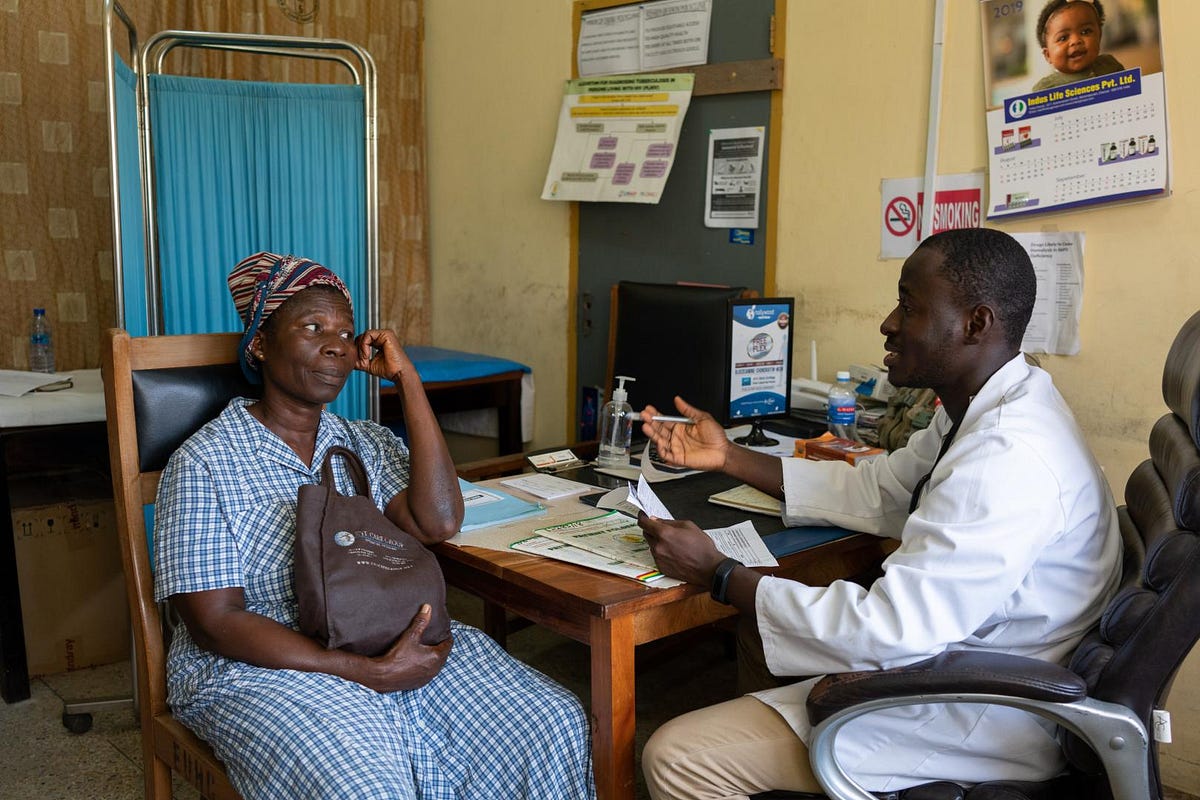
Effective risk communication must be a steady, sustained function and not something activated only when an outbreak has already escalated. Embedding it within emergency preparedness as a core public health intervention, built and funded before the next emergency arrives, is essential.
This is particularly urgent given that Nigeria is not preparing for a single theoretical threat. The country is actively managing ongoing outbreaks of Lassa fever and cholera, while also sustaining consistent public messaging around routine immunisation to maintain vaccination coverage and community trust.
The next large outbreak may announce itself as an unusual illness in a community, a forwarded voice note, or a misleading video circulating faster than any official statement. By the time laboratory confirmation is available, public perception will already be shaping behaviour. Investing in health communication infrastructure now, not in response to a crisis but in anticipation of one, is what will determine whether trust is built.
Leave a Comment
Your email address will not be published. Required fields are marked *